Puraclenz P3000X Review: Ozone-Free Ionizer for Odors & Dust
The Puraclenz P3000X is a compact, ozone-free air ionizer using PCO technology, designed for targeted odor and dust reduction in smaller spaces, though user experiences with its core performance are mixed.
 By admin
Updated October 17, 2026
Quick Verdict
7.6/10This compact tabletop air ionizer uses ozone-free PCO technology to target odors, dust, and mold. Based on user reviews, it's noted for its discreet size and effectiveness in specific scenarios, though experiences with its core function vary.
What we like
- Ozone-free PCO technology
- Compact, space-saving design (5.1 x 5.1 x 11.25 inches)
- Users report effectiveness against pet and musty odors
- Users report good dust reduction for allergies
Watch out for
- Mixed user feedback on consistent performance
- Some users report no perceived air flow or change in mold growth
- A user reported potential side effects like headaches
The Puraclenz P3000X represents a specific approach to air purification, targeting a niche within the broader market. As an air ionizer, it diverges from the more common HEPA filter-based models by employing Photocatalytic Oxidation (PCO) technology, which is marketed as a method for breaking down pollutants at a molecular level without producing ozone. This tabletop unit is designed for users seeking a discreet, space-saving solution to address persistent issues like pet odors, musty smells, and dust, particularly in smaller rooms or specific problem areas. This review analyzes the Puraclenz P3000X based on its specifications, design, and the aggregated experiences of its users to determine if its unique technology delivers on its promises for the right buyer.

This product is primarily for individuals who have tried traditional air purifiers and are looking for an alternative technology, or for those with specific concerns about odors and dust in a confined space. Its compact size makes it suitable for placement on a desk, nightstand, or in a small bathroom. The bottom line up front: the Puraclenz P3000X is a specialized, ozone-free ionizer that receives polarized feedback from owners, with many praising its odor-fighting capabilities and others questioning its tangible effectiveness, making it a product that heavily depends on individual use cases and expectations.
Puraclenz P3000X Air Purifier with PCO Technology


As an Amazon Associate we earn from qualifying purchases. Product prices and availability are accurate as of the date/time indicated.
Puraclenz P3000X at a Glance
| Specification | Detail |
|---|---|
| Product Type | Air Ionizer (Ozone-Free PCO Technology) |
| Model | P3000X |
| Dimensions | 5.1 x 5.1 x 11.25 inches |
| Weight | 2.65 pounds |
| Key Technology | Photocatalytic Oxidation (PCO) |
| Notable Feature | Variable fan speeds |
| Primary Use Cases | Odors (pet, musty), dust reduction |
| User Rating | 3.9 out of 5 stars |
Design and Build
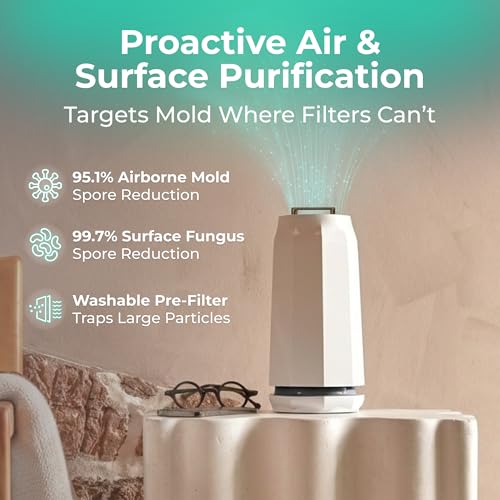
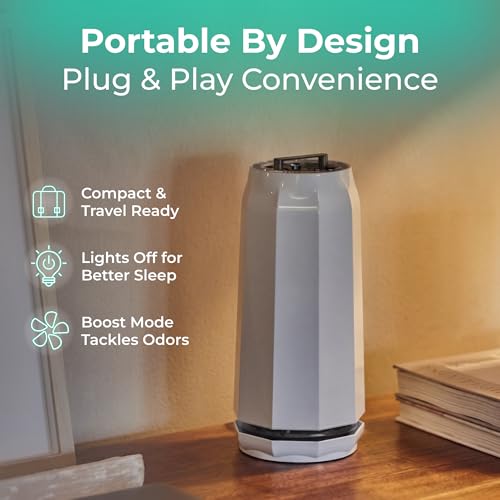
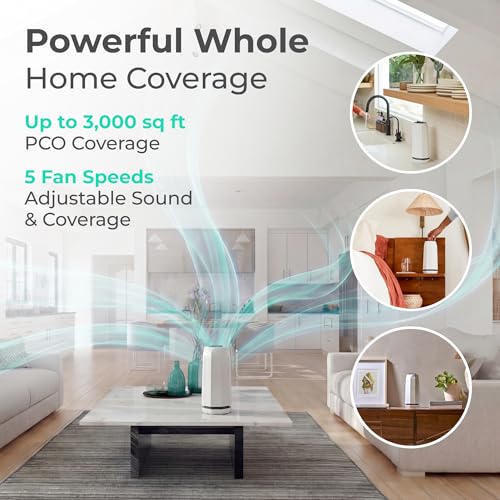
The design of the Puraclenz Photon P3000X is one of its most consistently praised features. Measuring just over 5 inches square and 11 inches tall, it is a genuinely compact unit that can fit into spaces where a traditional tower or box purifier would be obtrusive. Its lightweight construction further enhances its portability, allowing users to easily move it from a bedroom to a home office or a small bathroom as needed. The aesthetic is simple and modern, likely intended to blend into various decors without drawing attention. This discreet, space-saving design is a significant advantage for those living in smaller homes, apartments, or anyone looking to address air quality in a single, specific area without dedicating a large footprint to the task.
Performance and Features
Filtration Technology: Understanding PCO
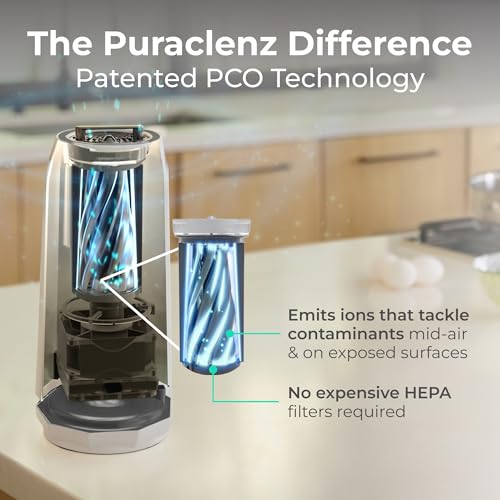
The core of the Puraclenz P3000X’s operation is its Photocatalytic Oxidation (PCO) technology, which is explicitly marketed as ozone-free. Unlike HEPA filters that physically trap particles, PCO technology uses a UV light interacting with a catalyst to create oxidizers that break down volatile organic compounds (VOCs), odors, and some microorganisms at a molecular level. The manufacturer states this process targets odors from pets, cooking, and mildew, as well as dust. It is important to note that this technology does not involve a traditional filter that captures large particles like pollen or pet dander in the same way a HEPA filter does; its action is more chemical in nature. This distinction is crucial for potential buyers to understand, as it sets performance expectations differently from purifiers like the HoneywellPluggedIn HPA5100W or the Clorox 11070, which rely on mechanical filtration.
Coverage and Controls
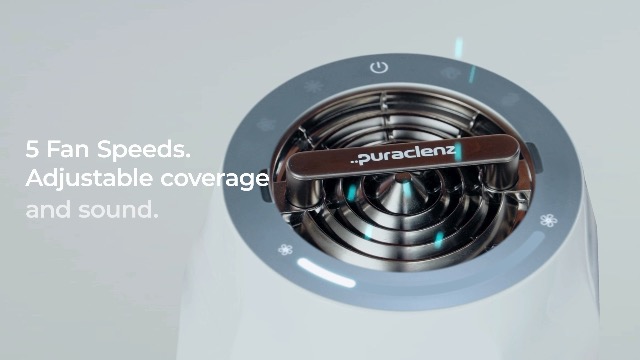
The manufacturer does not list a formal room size coverage rating or Clean Air Delivery Rate (CADR) for this model. Based on its compact size and the nature of the technology, it is reasonable to infer it is designed for smaller, enclosed spaces rather than large, open areas. User reviews frequently mention using it in bedrooms, bathrooms, and small offices. A key upgrade noted in the P3000X model over previous versions is the inclusion of variable fan speeds. This gives users some control over the unit’s operation, potentially allowing for a balance between performance and noise level, though specific decibel ratings are not provided by the manufacturer. The unit lacks any noted smart features, Wi-Fi connectivity, or automatic sensors, positioning it as a simple, set-and-forget appliance.
Maintenance and Running Costs
Maintenance for the Puraclenz P3000X revolves around its photocatalytic core, not a replaceable filter in the traditional sense. The manufacturer indicates that the core has a lifespan and requires replacement. According to one user review citing the company website, the core should last for three years, though that same user reported a replacement indicator light illuminating much sooner, which may indicate a potential defect or variance. The cost of this replacement core is not listed in the provided data. There are no pre-filters or carbon filters to change periodically, which could simplify long-term upkeep compared to multi-stage purifiers like the Airthereal AEH300. The primary running cost would be electricity, though its wattage is not specified, and the eventual cost of the replacement core. This model does not use consumables like water for humidification, unlike combo units such as the Sharp KC850U.
What Owners Say
Owner feedback for the Puraclenz P3000X presents a clear dichotomy, reflected in its 3.9-star rating where the majority of reviews are 5-star, but a notable portion are 1-star. Positive reviews frequently highlight successful outcomes in specific scenarios. Users report noticeable reductions in pet odors and musty smells, with some noting improved allergy symptoms and less dust accumulation, leading to high satisfaction. Several owners appreciate the compact size and the fact that it allows for better sleep.
On the critical side, a segment of users reports perceiving no effect from the unit. Common complaints include a lack of detectable airflow, no change in mold growth in damp areas like bathrooms, and a general feeling that the device is not functioning. One user reported experiencing headaches and burning sinuses when the unit was running, leading them to suspect it might be producing an irritant despite the ozone-free claim, and they now only run it in unoccupied spaces. This variance in experience suggests that the effectiveness of the PCO technology may be highly dependent on environmental factors, proper placement, or individual sensitivity, or that there may be inconsistencies between units.
Pros and Cons
Pros
- Utilizes ozone-free PCO technology
- Extremely compact and space-saving design
- Users report effectiveness against persistent odors (pet, musty)
- Users note good dust reduction for allergy relief
- Features variable fan speeds for control
- Discreet aesthetic suitable for tabletops
Cons
- Mixed and polarized user feedback on consistent performance
- Some users report no perceptible air flow or change
- No formal coverage area or CADR rating provided
- A user reported potential side effects like headaches
- Core replacement lifespan and cost are unclear from data
- Not designed for large rooms or whole-house coverage
Who Should Buy It (and Who Should Skip It)
The Puraclenz P3000X is best suited for a specific buyer. It is ideal for someone dealing with stubborn, localized odors—such as those from pets, a musty basement, or a small kitchen—in a room where space is at a premium. Individuals sensitive to dust who have seen limited results from standard filtration and want to try a different technological approach may also find it worthwhile. Its quiet, compact operation makes it a candidate for bedrooms or home offices.
This product is not the right choice for everyone. Users seeking a purifier for large rooms, whole-home coverage, or rapid removal of airborne particles like pollen or smoke should look at models with HEPA filters and stated CADR ratings, such as the fancybark ZQA-4000B. Those who prefer tangible, mechanical filtration with clear filter replacement schedules may be frustrated by the less visible action of PCO technology. Individuals with a high sensitivity to potential airborne irritants should be cautious given the isolated report of adverse reactions. If your primary need is for a general-purpose air cleaner for a standard-sized room, more conventional options will likely provide more predictable results.
Final Verdict
The Puraclenz Photon P3000X Air Purifier is a niche product that succeeds on its own specific terms for some users but falls short for others. Its greatest strengths are its innovative, ozone-free PCO technology and its incredibly discreet, compact form factor. When it works according to positive reviews, it appears to effectively mitigate the types of problems it’s designed for: lingering organic odors and dust-related discomfort in small spaces. The absence of traditional filter changes is also a potential convenience factor.
However, the significant divide in owner experiences cannot be ignored. The lack of measurable performance data like CADR, coupled with reports of no perceived effect or even discomfort, means this is not a sure-fire solution. It represents a calculated gamble on a specific technology. For the right person—someone with a defined odor or dust issue in a small area who is curious about PCO and values discretion above all—the P3000X could be a perfect fit. For the average consumer looking for broad-spectrum, verifiable air cleaning, a proven HEPA-based purifier remains the more reliable and recommended path.
FAQs
How does the Puraclenz P3000X’s technology differ from a HEPA air purifier?
The Puraclenz P3000X uses Photocatalytic Oxidation (PCO), which creates oxidizers to break down pollutants like odors and VOCs at a molecular level. It does not use a physical filter to trap particles. A HEPA purifier, in contrast, uses a dense mechanical filter to physically remove particles like dust, pollen, and dander from the air as it passes through. The technologies address air quality in fundamentally different ways.
Is the Puraclenz P3000X really ozone-free?
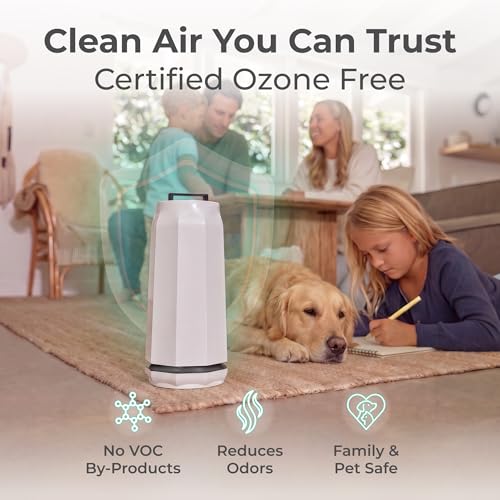
Yes, the manufacturer explicitly markets the P3000X as an ozone-free air purifier. Its PCO technology is designed to avoid generating ozone, which is a potential byproduct of some other types of air ionizers. This is a key selling point for individuals concerned about the health effects of ozone exposure from air cleaning devices.
What size room is the Puraclenz P3000X designed for?
The manufacturer does not list an official room size coverage or Clean Air Delivery Rate (CADR). Based on its compact dimensions and user reviews, it is intended for smaller, enclosed spaces such as bedrooms, bathrooms, home offices, or other specific problem areas. It is not designed as a whole-house or large-room solution.
What maintenance does the Puraclenz P3000X require?
The main maintenance item is the replacement of the photocatalytic core. The manufacturer indicates it has a lifespan, with one user review citing a three-year expectancy, though actual experiences may vary. There are no traditional filters to replace. The unit features an indicator light to signal when the core needs to be replaced, but the specific cost of the replacement part is not listed in the provided data.
Featured In
- The 9 Best Black Mold Air Purifier of 2026
- The 8 Best Air Purifier For Asthmatic of 2026
- The 7 Best Allergy Room Air Purifier for October 2026
- Best Air Purifier For Spring Allergies 2026: Top 6 Models for Seasonal Relief
- The 8 Best Air Purifiers For Allergy Sufferers of 2026
- Best Air Purifier For Mold And Allergies for October 2026
About the author

admin writes reviews and buying guides for LAT Review.