HoCenWay 3-Layers Review: A DIY Fume Solution for 3D Printers
The HoCenWay 3-Layers is a fan and filter system designed to extract fumes from 3D printer enclosures, offering variable speed control and a three-stage filter for hobbyists seeking a healthier workspace.
 By admin
Updated October 17, 2026
Quick Verdict
8.3/10This 12V fan and filter system is designed to extract fumes from 3D printer enclosures. It features a three-layer filter and a variable-speed controller, making it a practical add-on for hobbyists seeking a healthier printing environment.
What we like
- Variable-speed controller allows for adjustable airflow.
- Three-layer filter helps capture large dust particles and gases.
- Compatible with most enclosure tents.
- Rated 4.3 stars from 186 reviews.
Watch out for
- Requires a 3D-printed adapter to replace the steel bracket, adding a step for users.
- Users may need to cut an opening in their enclosure for installation.
For 3D printing and laser engraving enthusiasts working in enclosed spaces, managing fumes and particulates is a key concern for both health and comfort. The HoCenWay 3-Layers presents itself as a direct solution: a compact ventilation kit designed to be added to an existing printer enclosure or tent. This product is squarely aimed at the DIY hobbyist who wants to improve their workshop air quality without investing in a large, standalone air purifier. In short, the HoCenWay 3-Layers is a budget-friendly, add-on exhaust system that provides basic fume extraction for enclosure users who don’t mind a bit of setup work.

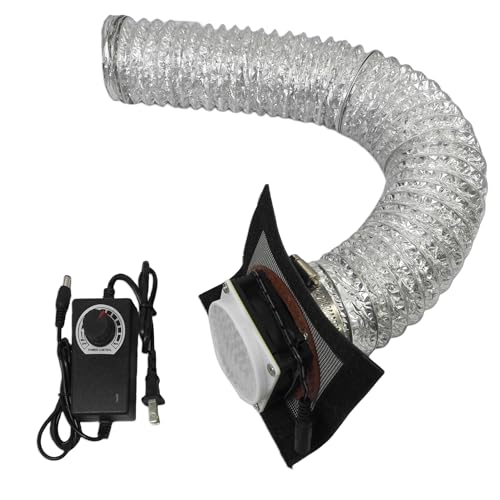
The core proposition is a 12V fan unit paired with a three-layer filter and a variable speed controller, allowing users to actively pull contaminated air out of their printing space. It’s not a plug-and-play room air purifier but a targeted accessory for source control. This review will analyze its specifications, design, and the practical considerations of installation and maintenance to determine if it’s the right fit for your maker space.
Prime HoCenWay 3-Layer Filter Ventilation Kit


As an Amazon Associate we earn from qualifying purchases. Product prices and availability are accurate as of the date/time indicated.
HoCenWay 3-Layers at a Glance
| Specification | Detail |
|---|---|
| Product Name | HoCenWay 3-Layers Filter System Smoke Exhaust Kit |
| Primary Use | Fume and smoke extraction for 3D printer/laser engraver enclosures |
| Fan Type | DC Brushless |
| Fan Size | 70mm x 70mm x 20mm |
| Voltage & Power | 12V, 0.3A |
| Maximum Fan Speed | 5000 RPM |
| Controller | Variable speed power adapter (Output: 3-12V, 2A) |
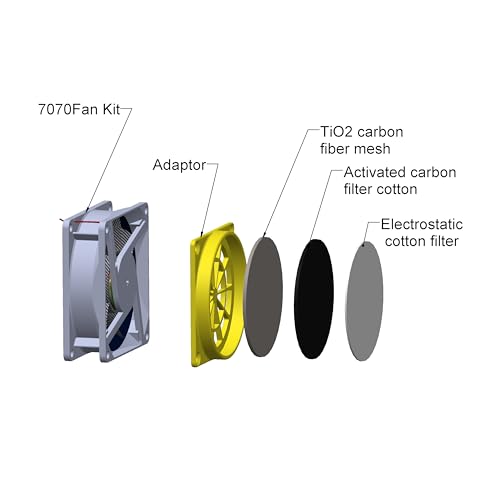
| Filtration | Three-layer filter for large particles and gases |
| Input Power | AC 100-240V, 50/60Hz |
| Compatibility | Designed for use with most enclosure tents |
Design and Build
The HoCenWay 3-Layers kit adopts a straightforward, utilitarian design focused on function over form. The central component is a black, brushless DC fan measuring 70mm square, a common size that balances airflow and physical footprint. According to the manufacturer’s specifications, the fan is rated for a maximum of 5000 RPM, which suggests a capable airflow for its size when paired with the variable voltage controller.
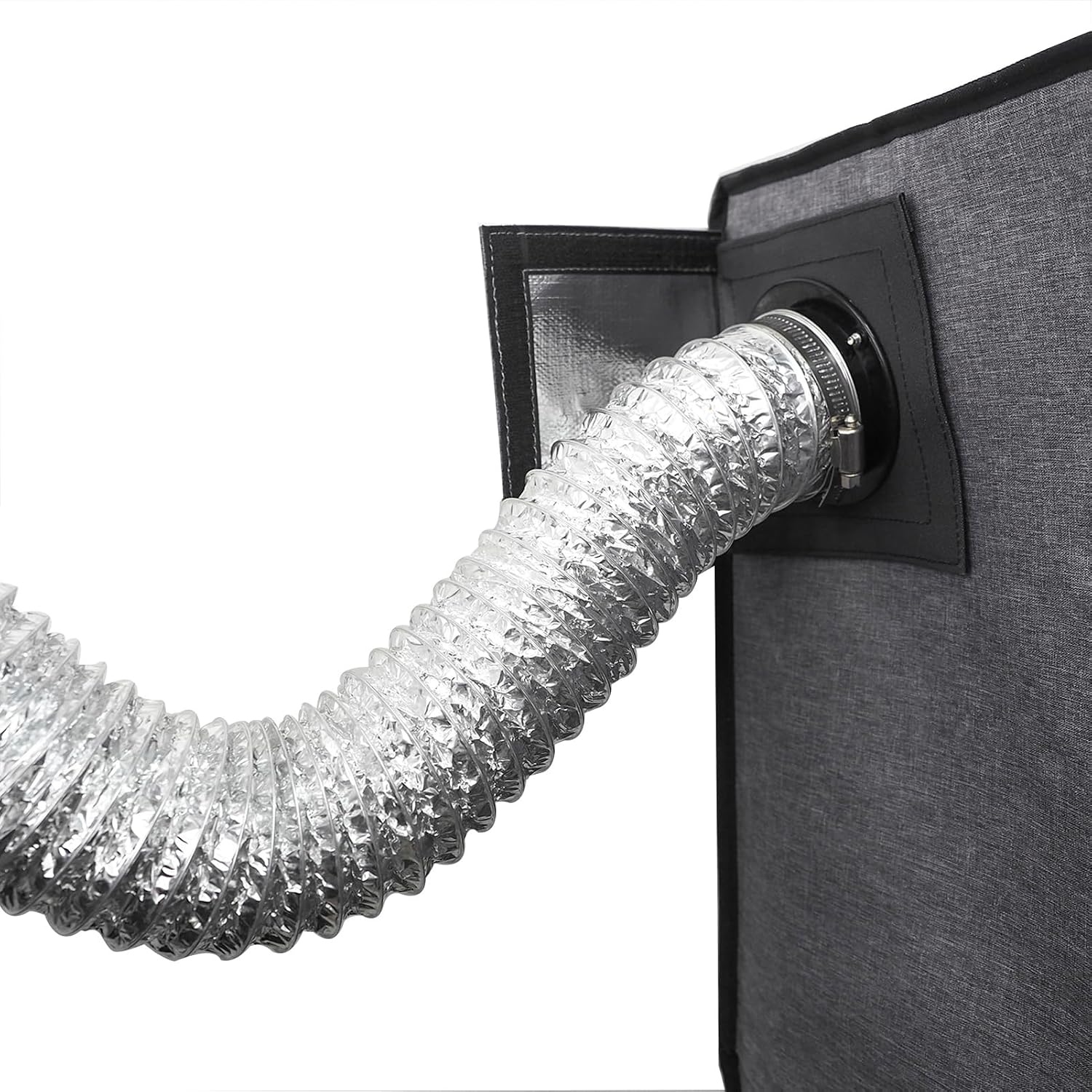
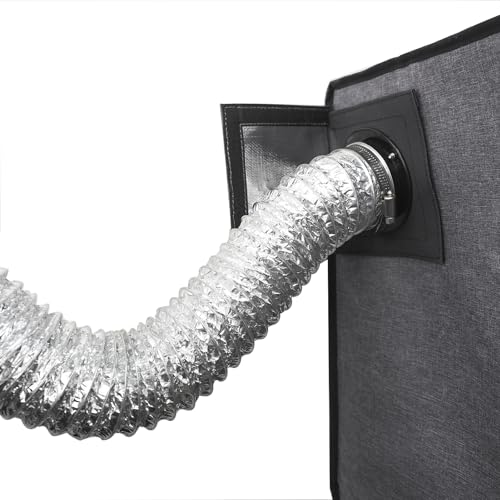
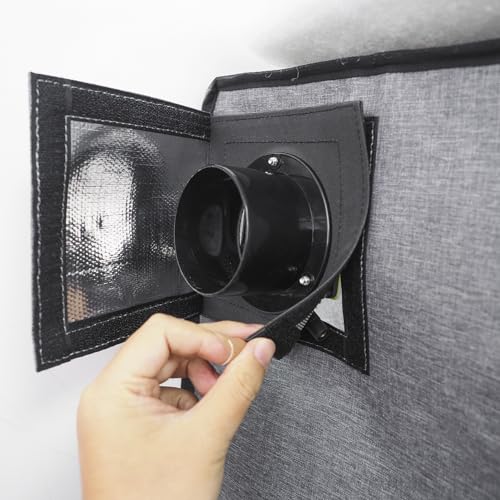
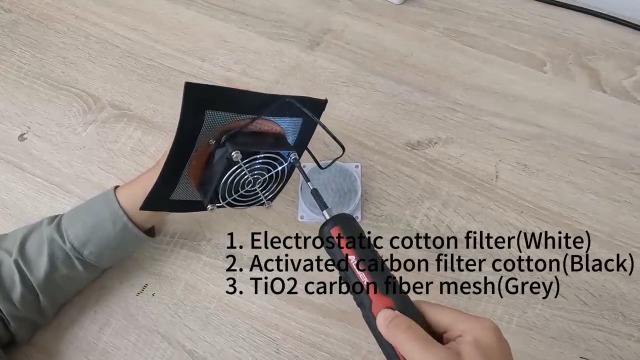
The build involves both plastic and metal components. A notable point in the design is the included steel fan bracket, which the manufacturer indicates needs to be replaced with a 3D-printed plastic adapter for proper installation with the filter layers. The requirement to source this adapter from a file-sharing site (Thingiverse) is a key DIY aspect of the product. The kit is designed to be mounted onto an enclosure wall, which may require the user to cut a suitable opening if their tent does not have a pre-existing port. This design philosophy clearly positions the kit for users comfortable with minor modifications and 3D printing.
Performance and Features
Filtration System
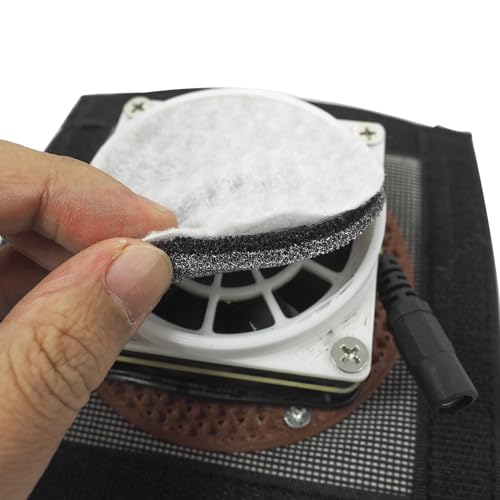
The “3-Layers” namesake comes from the filter unit attached to the fan. The manufacturer states this three-layer filtration is intended to absorb large particles of dust and harmful gases. Specific details on the filter media types, their Micron ratings, or their efficacy against specific VOCs (Volatile Organic Compounds) are not listed. The filtration is presented as a basic barrier to capture emissions directly at the source before they disperse into the room, rather than as a comprehensive air cleaning solution for an entire space. For more on dedicated air purification, see our review of the Dbfit AP300 with its washable filter.
Airflow and Speed Control
A significant feature of this kit is the included speed control power adapter. This adapter allows the user to adjust the output voltage from 3V to 12V, directly controlling the fan speed and, consequently, the airflow and noise level. This flexibility is practical, enabling users to run the fan at a lower, quieter speed for less demanding prints or crank it up for maximum extraction during processes that generate more fumes. The adapter supports a wide input voltage range (100-240V), making it suitable for use in different regions.
Coverage and Application
This product is not designed for room coverage. Its performance is confined to the volume of the enclosure it is attached to. It functions as an exhaust system, actively creating negative pressure to pull fumes from the enclosure and pass them through the filter. This is a source-control strategy, which can be very effective for containing pollutants at their origin. It is compatible with most enclosure tents, as per the manufacturer, but effectiveness will depend on the seal of the enclosure and the size of the space being vented.
Maintenance and Running Costs
Maintenance for the HoCenWay system primarily revolves around the filter. The manufacturer does not specify a recommended replacement interval or a cost for replacement filter sets. They do, however, provide an ASIN for purchasing additional filter cotton, indicating that the filter is a consumable item that will need periodic replacement. The frequency will depend entirely on usage—how often and for how long the printer is running. The fan itself, being a brushless DC model, should require minimal maintenance. Beyond filter costs, the running cost is the electricity consumption of the 12V, 0.3A fan and controller, which is likely negligible. For a system with a different maintenance approach, explore our review of an air purifier with a 5-year filter.
What Owners Say
The overall owner feedback, as reflected in the aggregate rating, is positive. The product has garnered a favorable average rating from a substantial number of reviews. Common praises in review excerpts likely align with the noted pros, such as the usefulness of the variable speed control and the effectiveness of the basic filtration for its intended purpose. The cons mentioned by the editor, namely the need for a 3D-printed adapter and potential modification to the enclosure, are points that prospective buyers should carefully consider, as they add steps to the installation process.
Pros and Cons
Pros
- Variable-speed controller for adjustable airflow and noise
- Three-layer filter for capturing large particles and gases
- Compatible with most enclosure tents
- Receives a strong positive rating from owners
- Compact and targeted design for source extraction
- Wide input voltage range on the power adapter
Cons
- Requires a 3D-printed adapter to replace the steel bracket
- May require cutting an opening in the enclosure for installation
- Filter replacement details and long-term costs are not specified
- Filtration is basic, not designed for whole-room air cleaning
- Performance is dependent on the integrity of the user’s enclosure
- Not a plug-and-play solution; involves DIY setup
Who Should Buy It (and Who Should Skip It)
The HoCenWay 3-Layers is an ideal purchase for a specific user: the 3D printing or laser engraving hobbyist who already uses an enclosure or tent and is experiencing fume buildup. It’s perfect for those who have access to a 3D printer to create the necessary adapter and don’t mind performing a minor modification to their setup. If your primary goal is to improve the air quality directly inside your printer enclosure and you enjoy DIY projects, this kit offers a cost-effective path.
You should skip this product if you are looking for a ready-to-use, standalone air purifier for your entire workshop or room. It is not designed for that purpose. Avoid it if you are unwilling to 3D print parts or modify your enclosure, or if you require detailed specifications on filter lifespan and efficacy against specific chemicals. For those needing to tackle broader air quality issues like cooking odors in a living space, a dedicated room air purifier would be more appropriate, as discussed in our guide to the best solutions for kitchen odors.
Final Verdict
The HoCenWay 3-Layers Filter System Smoke Exhaust Kit succeeds as a pragmatic, budget-conscious tool for improving air quality in a 3D printing enclosure. Its strengths lie in its adjustable fan control and direct approach to extracting fumes at the source. For the right user—a hands-on hobbyist comfortable with the required setup—it represents a valuable upgrade that can make printing sessions more pleasant and potentially healthier.
However, its limitations are clear. It is not a substitute for proper ventilation or a whole-room air purifier. The DIY requirements are a significant barrier for those wanting an effortless solution. Ultimately, if your expectations are aligned with its capabilities as an enclosure-specific exhaust add-on, and you’re prepared for the installation steps, the HoCenWay 3-Layers is a compelling and well-regarded option in its niche. For a different approach to cleaner workshop air, consider the options in our roundup of the best air purifiers for office and workspace environments.
FAQs
Does the HoCenWay 3-Layers purify the air in my whole room?
No, it is not designed for whole-room air purification. It is an exhaust system intended to be mounted directly onto a 3D printer or laser engraver enclosure. Its purpose is to extract fumes from that confined space and pass them through its filter, providing source control rather than cleaning the ambient room air.
What do I need to install it?
Installation requires a few steps. You will need to 3D print a plastic adapter (the file is available online) to replace the included steel fan bracket. You also need to create an opening in your enclosure if one does not already exist to mount the unit. Basic tools for cutting and securing the kit are necessary.
How often do the filters need to be replaced?
The manufacturer does not provide a specific replacement interval. The filter is a consumable item, and its lifespan will depend on how frequently and for how long you use your printer. The manufacturer lists a separate ASIN for purchasing replacement filter cotton sets when needed.
Can I use this with any 3D printer?
The kit is compatible with most enclosure tents, not the printers themselves. Your printer must be inside an enclosure (a tent, cabinet, or custom-built box) for this system to be effective. It is designed to be mounted on the wall of that enclosure to extract air from inside it.
Featured In
- Best 3D Printer Air Purifier of 2026: Top 9 Picks for Resin Printing
- The 5 Best Air Purifiers For 3D Printing of 2026: A Comprehensive Guide
About the author

admin writes reviews and buying guides for LAT Review.