D200 Pco D200 Review: Whole-Home UV Air Purification
The D200 Pco D200 is an in-duct UV air purifier for central HVAC systems, designed to treat air throughout an entire home by targeting microorganisms and odors.
 By admin
Updated October 19, 2026
Quick Verdict
8.1/10A dual-lamp UV purifier designed for permanent installation in HVAC ductwork to treat air throughout the home. It's marketed for reducing mold, mildew, and odors, with an ozone-free design and EPA certification. This unit is a consideration for homeowners seeking a whole-house solution.
What we like
- Dual UV-C bulb design for redundancy and coverage
- Ozone-free operation
- EPA certified
- Uses Philips brand bulbs
- Reports from long-term users note effectiveness against odors and mold
Watch out for
- Installation requires cutting into ductwork and may need specific tools
- Some users question the construction materials and request clearer safety certifications
- Bulbs require periodic replacement, adding to long-term cost
For homeowners seeking to augment their central HVAC system with continuous air purification, the D200 Pco D200 presents a specialized option. This is not a standalone air purifier but an in-duct germicidal unit designed for permanent installation within your home’s ductwork. It uses ultraviolet (UV) light technology to treat the air as it circulates through your heating and cooling system, aiming to provide whole-house coverage from a single point.

The D200 Pco D200 is engineered for those dealing with persistent issues like mold, mildew, pet dander, and household odors, offering an ozone-free, dual-lamp solution that integrates directly into your existing infrastructure. If you are comfortable with a project that involves modifying your ductwork and want a set-and-forget purification layer for your entire home, this unit warrants a close look.
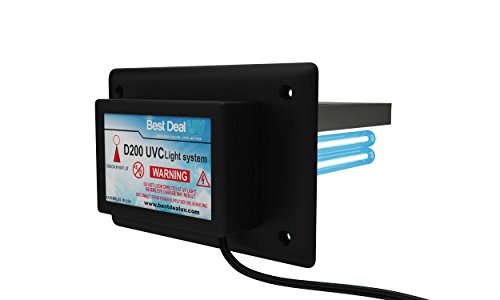
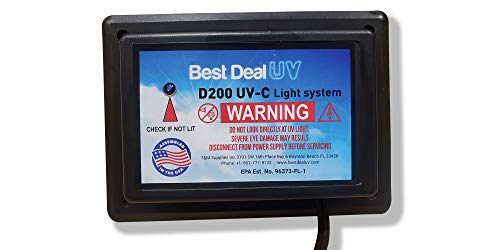
D200 PCO D200 In-Duct UV Air Purifier




As an Amazon Associate we earn from qualifying purchases. Product prices and availability are accurate as of the date/time indicated.
D200 Pco D200 at a Glance
| Specification | Details |
|---|---|
| Model | D200 |
| Brand | D200 PCO |
| Technology | Dual UV-C Lamp PCO (Photocatalytic Oxidation) |
| Installation | In-Duct (HVAC/AC) |
| Power | 120V Plug-in |
| Bulb Type | 7″ Philips Brand |
| Ozone Production | Ozone-Free Design |
| Key Certification | EPA Est. No. 96373-FL-1 |
| Primary Contaminants Targeted | Odors, Cigarette Smoke, Mold, Mildew |
| Controller Type | Button Control |
Design and Build
The D200 Pco D200 is built for a very specific purpose: to be mounted inside rectangular metal ductwork. Its design is industrial and functional, featuring a black and silver housing that contains the core purification components. The unit employs a dual UV-C bulb system, which provides a layer of redundancy; if one bulb fails, the other continues to operate. The bulbs used are specified as 7-inch Philips brand bulbs manufactured in Europe, which suggests a focus on component quality.
A key aspect of its design is the PCO (Photocatalytic Oxidation) component, which involves a honeycomb grid coated with titanium dioxide. When the UV-C light shines on this grid, a reaction is intended to occur that helps break down volatile organic compounds (VOCs) and odors. The manufacturer emphasizes that all their products are ozone-free, a crucial claim for indoor air safety. It’s important to note that some user feedback has questioned the construction material of the honeycomb grid and sought clearer safety certifications like UL listing, details which are not explicitly provided by the manufacturer in the available data.
Performance and Features
Filtration Technology and Coverage
Unlike portable air purifiers that use HEPA filters, the D200 Pco D200 relies solely on UV-C light and PCO technology. Its listed contaminant filtration capabilities focus on cigarette smoke and odors, with user reports and the manufacturer also highlighting effectiveness against mold and mildew. As an in-duct system, its coverage is tied to your home’s HVAC system. When the fan is running, it treats all air passing through that section of ductwork, effectively purifying air for the entire connected living space. This makes it a whole-house solution rather than a room-specific one.
For a deeper dive into how placement affects purification, our guide on the best air purifier location offers valuable insights, though focused on portable units.
Controls and Operation
The unit features a button control interface, described as a touch control method. It plugs into a standard 120V outlet for power. Once installed and turned on, it is designed to run continuously whenever the HVAC system fan is operating. There is no indication in the provided specifications of smart features, Wi-Fi connectivity, or automatic sensors; it appears to be a manually controlled, always-on device when active. This simplicity can be an advantage for reliability but means it lacks the programmable schedules or auto modes found in some modern purifiers.
Maintenance and Running Costs
The primary maintenance task for the D200 Pco D200 is the periodic replacement of its UV-C bulbs. The manufacturer does not list a specific replacement interval, but UV-C bulbs have a finite lifespan and lose effectiveness over time. Owners should plan for this recurring cost. The need for bulb replacement is a standard aspect of UV purification and a key part of long-term running costs. There are no physical filters to replace, which eliminates that ongoing expense but places the entire operational burden on the bulbs’ performance and lifespan.
Installation itself is a one-time task, but it is significant. It requires cutting a precise hole in your metal ductwork to mount the unit, which demands specific tools and DIY confidence or the hiring of an HVAC professional. Some users noted that special screws might be needed depending on duct material.
What Owners Say
Owner feedback for the D200 Pco D200 is generally positive, with a high percentage of reviewers awarding the highest rating. Many long-term users report successful operation over several years, with noticeable reductions in household odors and mold or mildew issues. They appreciate the dual-bulb design for redundancy and the ozone-free operation. The Philips brand bulbs are also seen as a quality touch.
Critical feedback tends to focus on the installation process and product clarity. Some users found cutting the ductwork challenging due to the shape and toughness of the metal. Several reviews explicitly request clearer safety certifications, such as UL listing, which is not mentioned in the product details. There is also a note of caution from one user who reported apparent melting or deformation on the PCO honeycomb grid after a couple of years, raising questions about its material durability under constant UV exposure.
Pros and Cons
Pros
- Provides whole-house air treatment via HVAC system
- Dual UV-C bulb design for redundancy and extended coverage
- Ozone-free operation as stated by the manufacturer
- Uses recognized Philips brand bulbs
- EPA certification listed
- Reports from owners indicate effectiveness against odors and mold
Cons
- Installation requires cutting into ductwork and may need special tools
- Lacks clear UL or other independent safety certifications per some users
- Construction materials of some components (e.g., PCO grid) questioned in reviews
- Bulbs require periodic replacement, adding to long-term cost
- No smart features or automatic controls
- Performance is contingent on HVAC fan running
Who Should Buy It (and Who Should Skip It)
The D200 Pco D200 is best suited for homeowners who already have a central forced-air HVAC system and are primarily battling biological contaminants like mold spores, mildew, and persistent household odors. It’s ideal for those who are handy and comfortable with a moderate DIY project involving sheet metal, or who are willing to hire an HVAC technician for installation. If you want a “set it and forget it” solution that works automatically whenever your heat or AC runs, this integrated approach can be appealing.
This unit is not a good fit for renters, people without ducted HVAC systems, or those primarily concerned with particulate matter like dust and pollen, as it does not contain a HEPA or other particulate filter. It should likely be skipped by anyone uncomfortable with the installation process, lacking the necessary tools, or who desires portable, sensor-driven smart features. For alternative technologies, you might explore options like the best home ionic air purifiers, though they function very differently.
Final Verdict
The D200 Pco D200 In-Duct Air Purifier occupies a specific niche in the air quality market. It is not a conventional air purifier but a specialized germicidal module for central air systems. Its strengths lie in its whole-house coverage, ozone-free dual UV-C design, and the positive long-term experiences shared by many owners regarding odor and mold reduction. For the right homeowner with the right needs and skills, it can be an effective permanent addition to their indoor air quality strategy.
However, the commitment required cannot be overstated. The installation is permanent and invasive. While it carries an EPA establishment number, the absence of prominently stated independent safety certifications like UL is a point of concern raised by users that prospective buyers should consider. Furthermore, its technology does not capture particulate matter, so it should be viewed as a complement to, not a replacement for, good filtration if allergens are a concern. As with any specialized HVAC modification, due diligence is recommended before purchase.
FAQs
Does the D200 Pco D200 remove dust and allergens?
No, not directly. The D200 Pco D200 uses UV-C light and PCO technology, which are primarily effective against microorganisms like mold, mildew, bacteria, and viruses, and can help break down odors and VOCs. It does not have a mechanical filter to capture particulate matter such as dust, pollen, or pet dander. For those allergens, a system with a HEPA filter would be necessary.
Is it safe? Does it produce ozone?
The manufacturer explicitly states “ALL OUR PRODUCTS ARE OZONE FREE.” The unit is also listed with an EPA Establishment Number (96373-FL-1). However, some user reviews have pointed out that the product lacks a clear UL (Underwriters Laboratories) certification, which is a common independent safety standard for electrical devices in the US. This is a detail potential buyers may want to investigate further for complete peace of mind.
How difficult is the installation?
Installation requires cutting a precise hole in your home’s metal HVAC ductwork to mount the unit flush. User experiences vary; some with tools and experience completed it in under 30 minutes, while others noted the metal was tough to cut and the shape was complicated. It is generally recommended to install it on the return (intake) side of the duct, not the supply side. Special screws may be needed depending on your duct material. This is not a beginner-friendly DIY task for most.
How often do the bulbs need to be replaced?
The manufacturer does not specify a bulb replacement interval in the provided data. UV-C bulbs have a rated lifespan, typically measured in hours of use. Since the unit runs whenever your HVAC fan is on, the replacement frequency will depend on your system’s runtime. Owners recommend checking the unit at the start of each heating and cooling season and keeping spare bulbs on hand to avoid a gap in protection. For more on purification technologies that target germs, see our article on the best air purifier germ killers.
Featured In
About the author

admin writes reviews and buying guides for LAT Review.