How to Clean an Air Purifier Filter Without Damaging It
Learn how to clean an air purifier filter safely, when to rinse it, when to vacuum it, and when to replace it instead.
 By Emily Foster
Updated October 19, 2026
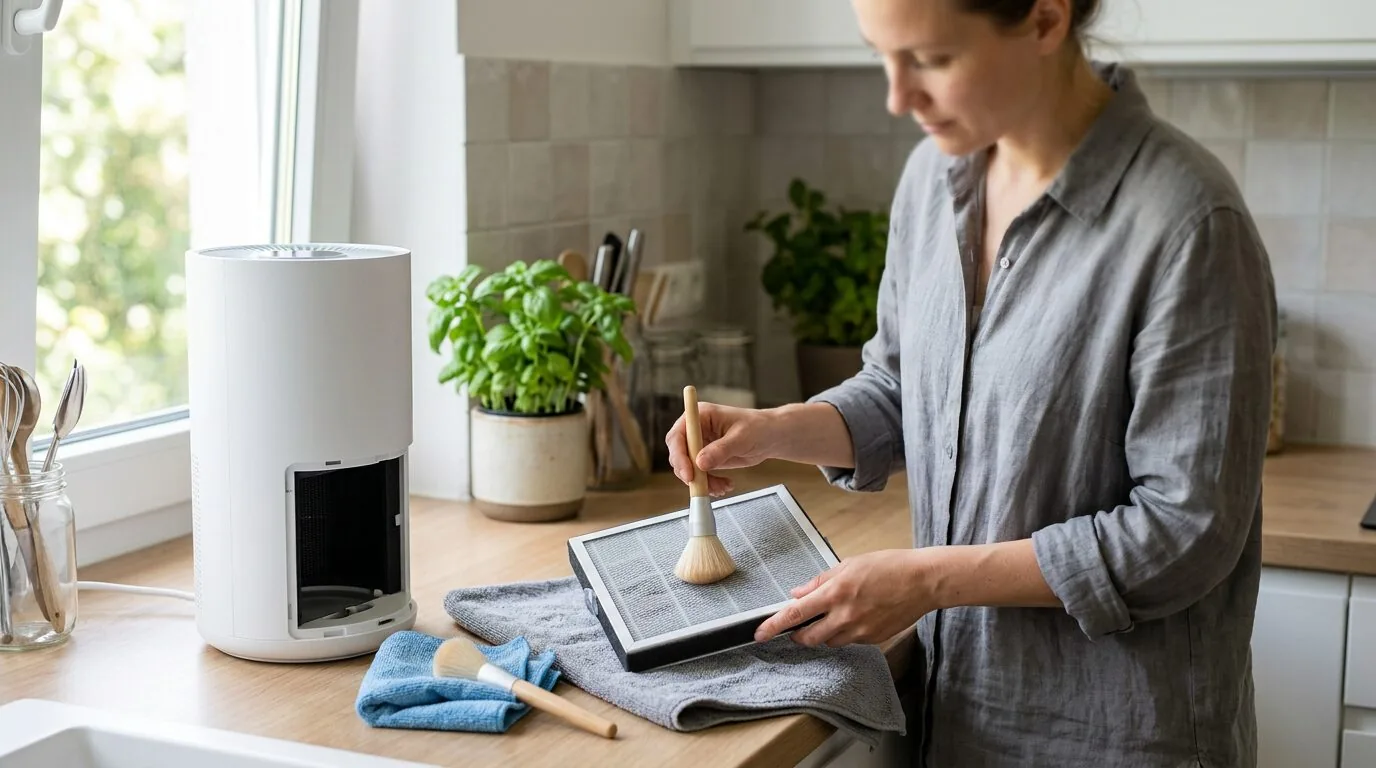
The safest way to clean an air purifier filter is to check the manual first, unplug the unit, and clean only the filter type your manufacturer allows. Pre-filters are often washable or vacuumable, but HEPA and activated carbon filters usually should not be washed. If the filter is damaged, heavily clogged, or marked as non-washable, replace it instead.
Doing this the right way helps your purifier keep moving air efficiently and prevents moisture, dust, or tears from making performance worse. A few careful minutes now can extend filter life and keep your unit working the way it should.
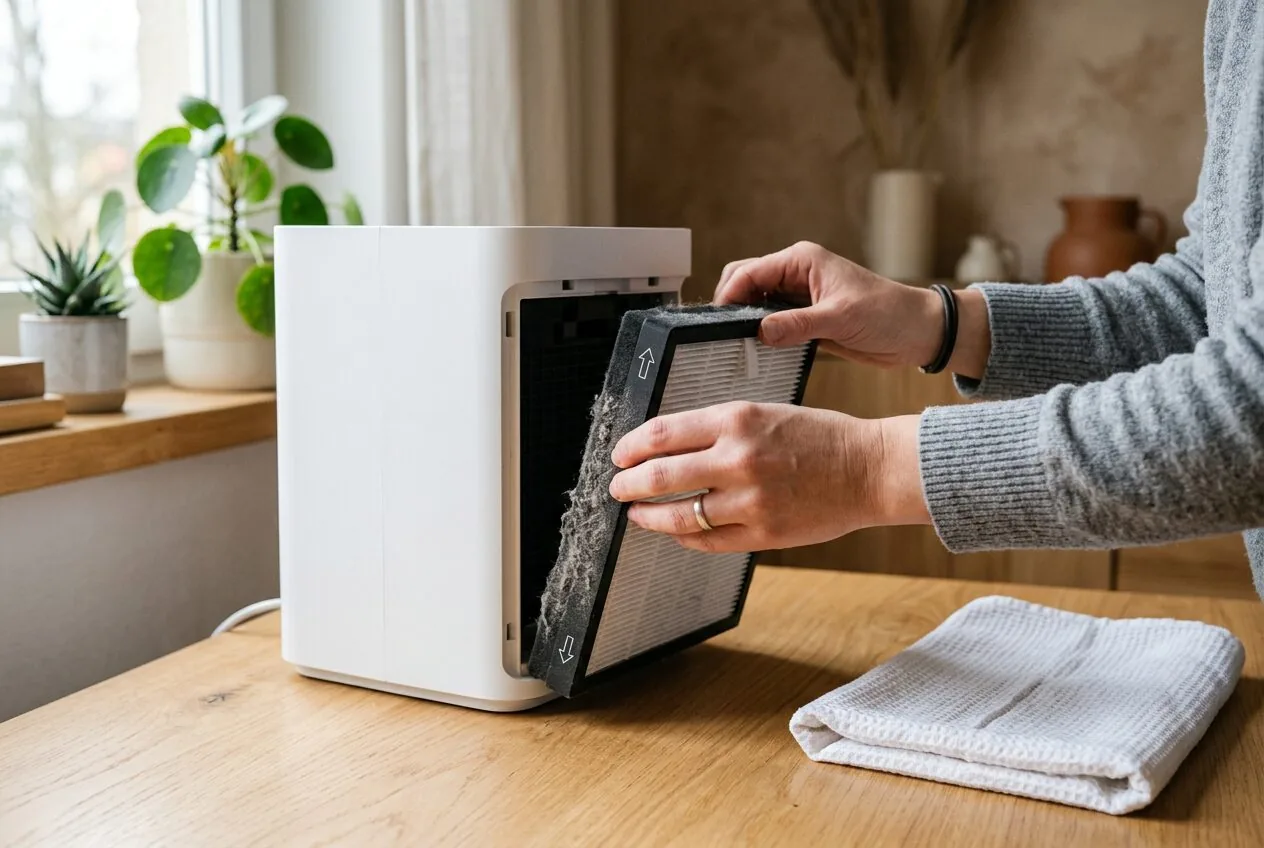
What You’ll Need
- Your air purifier manual
- Soft microfiber cloth
- Soft brush or vacuum with brush attachment
- Mild soap and lukewarm water, if the manual allows washing
- Clean towel or drying rack
- Optional replacement filter such as 360° Combi Glass Hepa + Carbon Filter for Dyson if your current filter is due for replacement
How to Clean an Air Purifier Filter, Step by Step
Step 1: Turn off and unplug the purifier
Before you touch the filter, turn the unit off and unplug it from the wall. This keeps you safe and prevents the fan from pulling in dust while the filter housing is open.
Give the outside of the machine a quick wipe too, so loosened dust does not fall back into the intake when you remove the filter.
Step 2: Check the manual and identify the filter type
Not every filter can be cleaned the same way. Washable pre-filters can often be rinsed, but HEPA filters and carbon filters are frequently meant to be replaced, not washed.
Look for labels such as washable, permanent, or replace only. If the manual is missing, search the model number online before using water.
Step 3: Remove the filter carefully
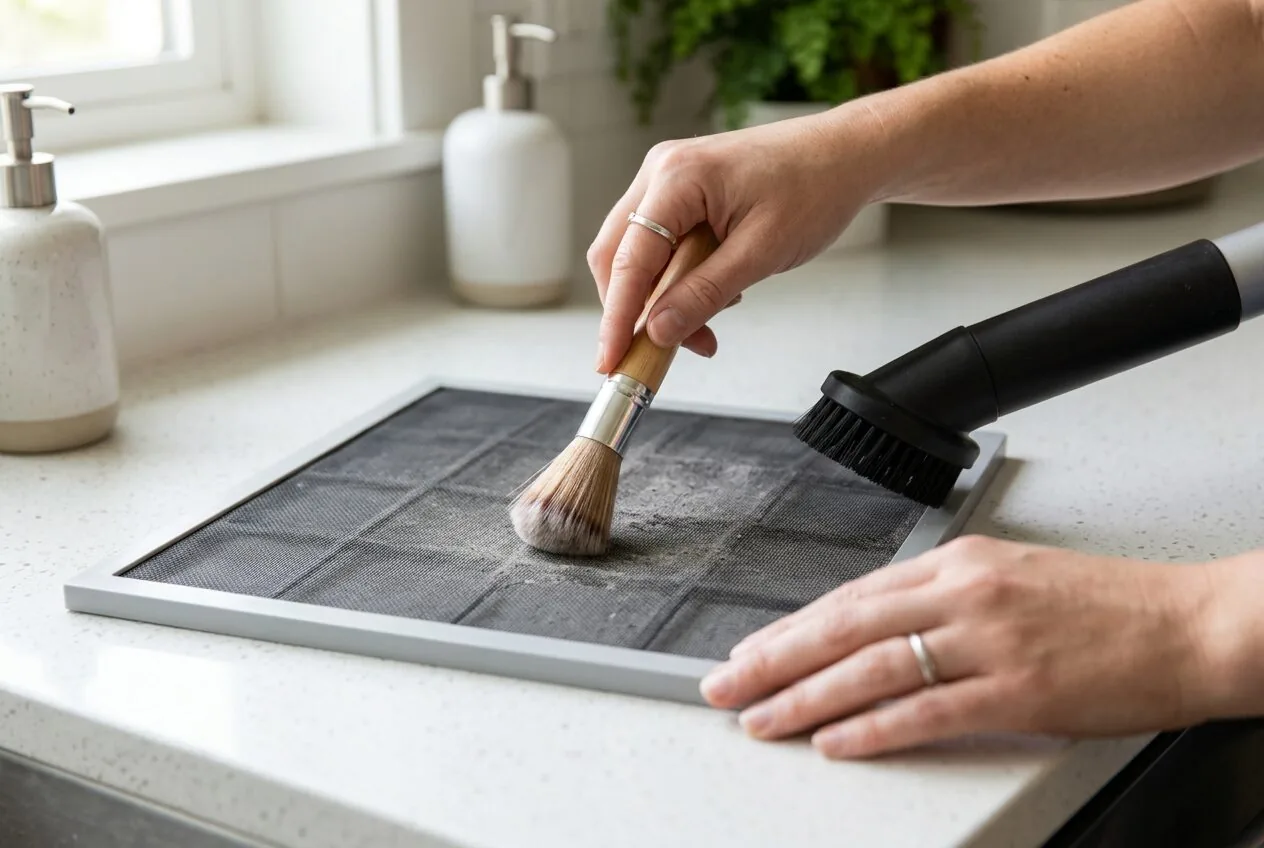
Open the filter compartment according to the manufacturer’s instructions and lift the filter out slowly. Try not to shake it, since that can release trapped dust back into the room.
If the filter has a pre-filter layer or frame, separate parts only if the manual says they are meant to come apart.
Step 4: Clean loose dust from washable parts
For a washable pre-filter, use a soft brush or vacuum with a brush attachment to remove dry dust first. This step helps prevent mud-like buildup when you rinse it.
If the filter is explicitly washable, rinse it gently with lukewarm water. Avoid hot water, harsh scrubbing, or pressure spray, which can warp or damage the media.
Step 5: Use mild soap only if allowed
If the manual says soap is safe, add a small amount of mild dish soap to water and clean the washable parts lightly. Do not soak a filter unless the manufacturer specifically allows soaking.
Never use bleach, vinegar, essential oils, or household cleaners unless the manual clearly approves them. Residue can damage the filter or release odors when the purifier runs again.
Step 6: Rinse thoroughly and remove excess water
Rinse until the water runs clear and no soap remains. Leftover detergent can create odor or reduce airflow once the filter is back in place.
Gently shake off water without twisting the filter. If it is delicate, press it lightly between clean towels to absorb moisture instead of wringing it out.
Step 7: Let the filter dry completely
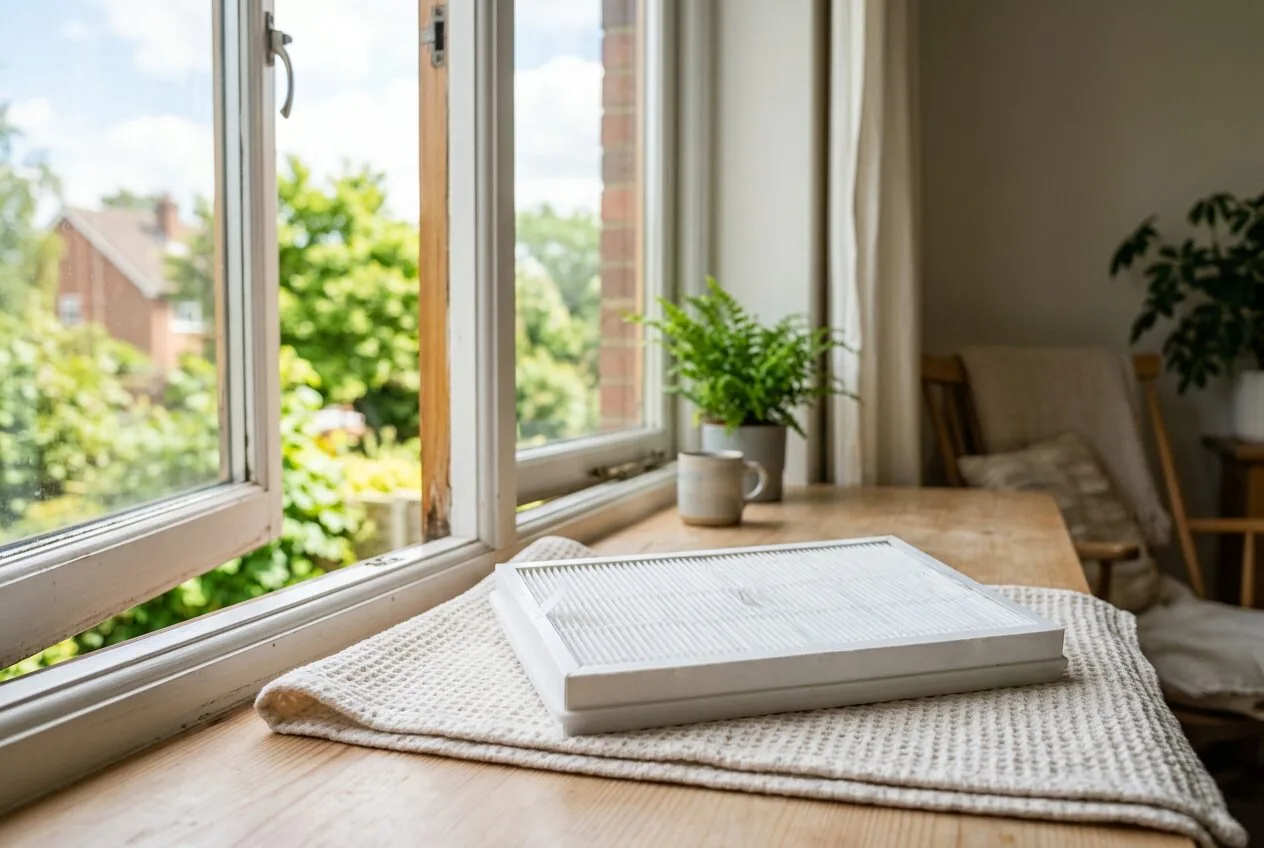
Let the filter air-dry fully before reinstalling it. Place it in a clean, well-ventilated area away from direct heat, sunlight, or a hair dryer.
A damp filter can encourage mold growth and may damage the purifier. Depending on the thickness of the filter and the humidity in your home, drying can take several hours or longer.
Step 8: Reinstall the filter and reset the indicator
Once the filter is completely dry, put it back in the purifier in the correct orientation. Close the cover securely so air flows through the system as designed.
If your model has a filter light or timer, reset it after cleaning or replacing the filter. This helps you track the next maintenance cycle accurately.
Recommended Products
If your purifier uses replaceable filters, having a spare on hand makes maintenance easier and helps you avoid running the unit with a worn-out filter. A combo filter can be especially useful when the manual says replacement is the right fix instead of cleaning.


As an Amazon Associate we earn from qualifying purchases. Product prices and availability are accurate as of the date/time indicated.
Common Mistakes to Avoid
- Washing a HEPA or carbon filter that is meant to be replaced
- Reinstalling the filter while it is still damp
- Using harsh chemicals, bleach, or high-pressure water
- Forgetting to unplug the purifier before opening it
- Cleaning so aggressively that the filter fibers tear
- Ignoring the manual and guessing based on another model
For a deeper look at what different filter layers actually do, see our guide to air purifier filter types and functions. If you are shopping for a new unit, our roundup of the best Dyson hot and cool air purifier options can also help you compare features before buying.
Frequently Asked Questions
Can you wash an air purifier filter with water?
Sometimes, but only if the manufacturer says the filter is washable. Many HEPA and carbon filters are not designed for water and can lose performance if you rinse them. Always check the manual before using any water.
How often should you clean an air purifier filter?
That depends on the model and how dirty your air is. Some pre-filters need attention every 2 to 4 weeks, while main filters may need replacement every few months to a year. Follow the purifier’s filter indicator and the manual for the best schedule.
Can you vacuum an air purifier filter?
You can often vacuum a pre-filter or the outside of a filter housing, but do it gently. A brush attachment on low suction is safer than a strong nozzle. Vacuuming is usually not a substitute for replacing a clogged HEPA filter.
Why does my filter still smell after cleaning?
Odor can mean the filter has absorbed smoke, cooking grease, pet smells, or moisture. If the smell remains after proper cleaning and drying, the filter may be past its useful life and should be replaced.
What if my air purifier says the filter is not washable?
Do not try to wash it. Clean the pre-filter if it has one, then replace the main filter when needed. Using water on a non-washable filter can reduce airflow and may void the warranty.
Final Thoughts
Knowing how to clean an air purifier filter starts with one rule: only clean what the manufacturer says is cleanable. In many cases, a quick vacuum of the pre-filter and a timely replacement of the main filter will keep the purifier performing better than forcing an improper wash.
If you stay consistent with the manual, dry everything fully, and replace filters when they are worn out, your purifier should keep doing its job with less strain and better airflow.
About the author
Editor at AirPurifierGuides.com. Emily has a background in professional communication and has worked with several health and technology publications. She edits our content for accuracy and answers reader questions about air quality.