KNKA APH4000 Review: Large-Room HEPA Purifier
The KNKA APH4000 offers expansive coverage up to 1,695 sq ft with a compact footprint and a high customer rating, though it is a newer model with limited long-term data.
 By Ethan Wright
Updated October 17, 2026
Quick Verdict
8.8/10This KNKA purifier is designed for expansive spaces up to 1,695 square feet. It presents a straightforward solution for those seeking a high-capacity air cleaner with a solid user rating.
What we like
- Effective for large spaces up to 1,695 sq ft
- High customer satisfaction rating of 4.6 stars
- Compact physical footprint for its coverage area
Watch out for
- Relatively new model, first available in late 2025
The KNKA APH4000 is a HEPA air purifier designed for large living spaces, bedrooms, or open-concept areas. With a coverage rating of up to 1,695 square feet in one hour, it aims to serve households needing whole-room or whole-floor purification from a single unit. Its compact dimensions and high customer satisfaction score make it an appealing choice for those who prioritize simplicity and proven user feedback.

This review examines the KNKA APH4000 based on its published specifications, design, and owner ratings. While the unit is relatively new to the market, early indicators suggest it delivers on its core promise of broad coverage. For shoppers seeking a straightforward, high-capacity air purifier without extra smart features, the APH4000 warrants a close look.
KNKA APH4000 HEPA Air Purifier for Large Rooms





As an Amazon Associate we earn from qualifying purchases. Product prices and availability are accurate as of the date/time indicated.
KNKA APH4000 at a Glance
| Specification | Value |
|---|---|
| Brand | KNKA |
| Model | APH4000 |
| Customer Rating | 4.6 out of 5 stars |
| Product Dimensions | 8.15 x 12.36 x 17.09 inches |
| Weight | 9.68 pounds |
| Coverage Area | Up to 1,695 sq ft in 1 hour |
| Filter Type | HEPA (category: HEPA Air Purifiers) |
| Best Sellers Rank (HEPA Filter) | #23 in HEPA Filter Air Purifiers |
Design and Build
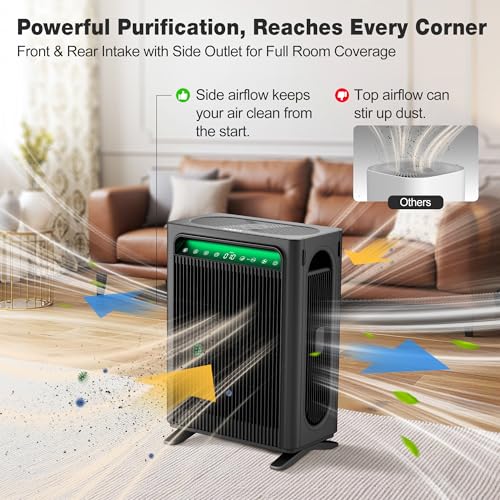
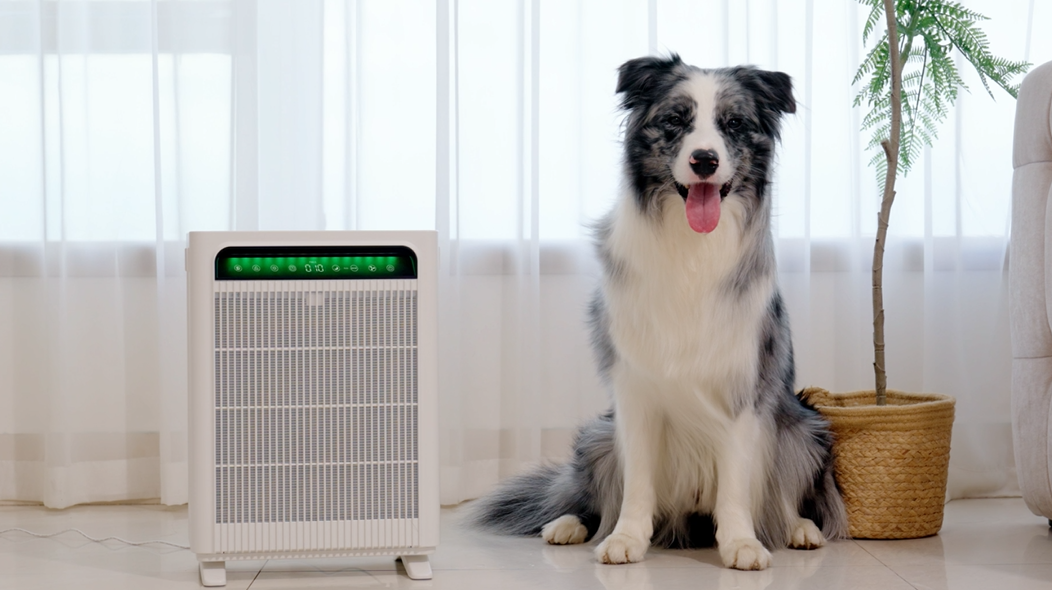
The KNKA APH4000 arrives in a black finish with a compact footprint measuring just 8.15 inches deep, 12.36 inches wide, and 17.09 inches tall. Weighing under ten pounds, it is relatively easy to move between rooms. The unit’s design is minimalist, with a front grille and simple controls. As a newer model introduced in late 2025, its build quality reflects current manufacturing standards, though long-term durability data is not yet available from owner reports.
Despite its ability to cover large areas, the physical size is notably modest, which helps it blend into a room without dominating the space. The black color option should suit most home decor. No additional design details such as handle placement or control panel layout are specified by the manufacturer.
Performance and Features
Coverage and Airflow
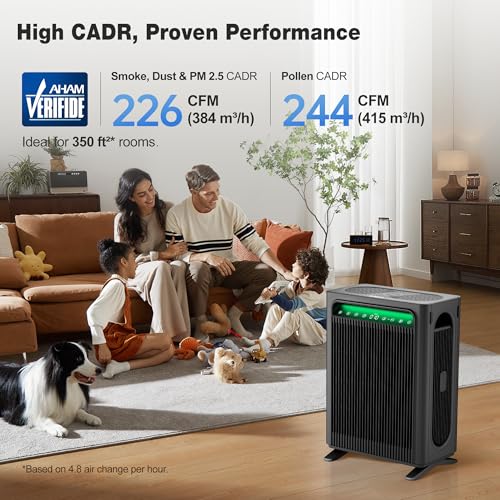
The KNKA APH4000 is rated to clean air in spaces up to 1,695 square feet in one hour. This makes it suitable for large living rooms, open-plan areas, or even multiple connected rooms. The coverage claim is based on the manufacturer’s specification; independent CADR (Clean Air Delivery Rate) numbers are not listed. For typical use, the unit can cycle air in a standard 500 sq ft bedroom several times per hour.
Filtration System
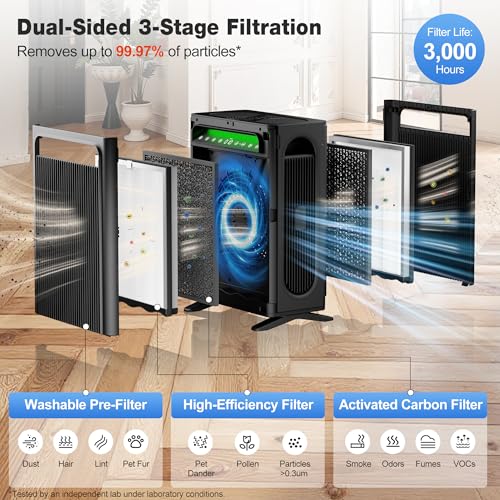
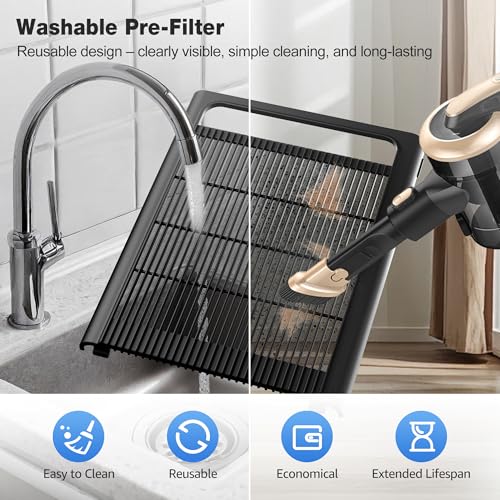
Classified under HEPA Air Purifiers, the APH4000 uses a HEPA filter to capture airborne particles such as dust, pollen, pet dander, and smoke. The exact number of filtration stages is not detailed by the manufacturer. A pre-filter may be present, but this is not confirmed. Owners should expect the unit to perform similarly to other HEPA purifiers in its class.
Controls and Smart Features
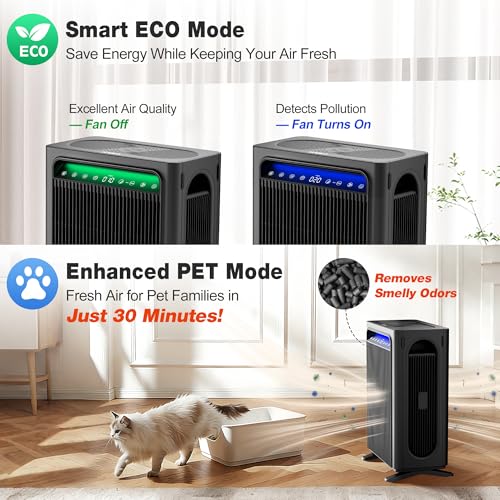
The KNKA APH4000 does not advertise any smart home integration, app control, or voice assistant compatibility. Controls are likely manual buttons or a simple dial, though specific details are absent. For users who prefer a straightforward, no-frills purifier, the lack of smart features may be a benefit rather than a drawback.
Noise and Energy Consumption
Noise level ratings and wattage are not provided in the available specifications. As with most HEPA purifiers, operation will produce some fan noise, especially at higher speeds. Energy consumption is expected to be moderate for a unit of this coverage size, but exact figures are not listed.
Maintenance and Running Costs
The KNKA APH4000 uses a HEPA filter that will require periodic replacement to maintain performance. The manufacturer does not specify the recommended replacement interval or the cost of replacement filters. As a general guideline, HEPA filters in similar units are often replaced every 6 to 12 months. Owners should check the product packaging or contact KNKA for exact filter part numbers and pricing. No washable or permanent filter options are mentioned.
What Owners Say
With a 4.6 out of 5 star rating, the KNKA APH4000 has earned strong approval from early buyers. The rating distribution shows that 83% of reviews are five stars, while 9% are four stars. Three-star reviews account for 3%, two-star for 1%, and one-star for 4%. This pattern indicates that most owners are satisfied with the unit’s performance, though a small percentage have experienced issues. Without specific review excerpts, it is difficult to pinpoint common complaints, but the overall sentiment is positive.
Pros and Cons
Pros
- Effective for large spaces up to 1,695 sq ft
- High customer satisfaction rating of 4.6 stars
- Compact physical footprint for its coverage area
- Lightweight at under 10 pounds
- Simple, straightforward design
- HEPA filtration for common allergens
Cons
- Relatively new model, first available in late 2025
- No CADR or noise level data provided
- Filter replacement cost and schedule not specified
- Lacks smart features or app connectivity
- Limited long-term reliability data
Who Should Buy It (and Who Should Skip It)
The KNKA APH4000 is ideal for homeowners or renters with large rooms who want a high-capacity HEPA purifier without unnecessary complexity. It suits those who value user ratings and a compact design over smart home integration. If you need a purifier for a bedroom, living room, or open-concept space up to 1,700 sq ft, this model is a strong candidate.
On the other hand, shoppers who require detailed performance metrics (like CADR or decibel levels), app control, or a well-established brand with a long track record may want to look elsewhere. Additionally, if filter replacement cost transparency is important, the lack of published pricing could be a concern. The APH4000 is best for those who prefer a straightforward, well-rated machine.
Final Verdict
The KNKA APH4000 delivers on its primary promise: broad coverage in a compact, user-friendly package. Its high customer rating suggests that early adopters are pleased with its performance. For a relatively new entrant, it has quickly gained a strong position in the HEPA filter category, ranking #23 at the time of writing. If you are looking for a no-frills purifier that can handle large spaces, the APH4000 is worth considering.
However, the lack of detailed specifications such as CADR, noise levels, and filter replacement costs means that data-driven buyers may need to seek additional information directly from the manufacturer. Overall, the KNKA APH4000 offers a compelling balance of coverage, rating, and size, making it a solid choice for those who prioritize simplicity and owner satisfaction.
FAQs
What is the coverage area of the KNKA APH4000?
The manufacturer states that the APH4000 can purify air in spaces up to 1,695 square feet in one hour. This makes it suitable for large living rooms, open floor plans, or multiple connected rooms.
What type of filter does the KNKA APH4000 use?
The APH4000 is categorized as a HEPA air purifier, meaning it uses a HEPA filter to capture airborne particles. The exact number of filtration stages is not specified by the manufacturer.
Is the KNKA APH4000 quiet?
Noise level ratings are not provided in the available specifications. As with most HEPA purifiers, the unit will produce some fan noise, which may vary by speed setting. For precise information, contact KNKA directly.
How often do I need to replace the filter?
The manufacturer does not list a recommended replacement interval or the cost of replacement filters. Typically, HEPA filters in similar units are replaced every 6 to 12 months. Check the product manual or KNKA’s website for specific guidance.
For more air purifier options, see our Air Purifier Reviews or read about the best HEPA air purifier for dust.
Featured In
- The 10 Best Hepa Air Purifier For Dust of 2026
- How Air Purifiers Control Household Odors and What to Look For
- Air Purifiers and Air Quality for Remote Workers: A Complete Guide
- Do Air Purifiers Use A Lot Of Electricity?
- Air Purifiers And Indoor Pollutants in 2026
- Air Purifiers For Sensitive Lungs
About the author
Founder of AirPurifierGuides.com. Ethan has a background in environmental science and started this site after years spent researching, testing, and tearing down air filtration systems to give readers real-world answers about indoor air quality.