Indoor Air Quality Tips For Allergy Sufferers: A Practical Guide
Learn actionable steps to reduce allergens in your home, from cleaning routines to strategic air purification, to help you breathe easier and manage allergy symptoms.
 By Emily Foster
Updated October 17, 2026
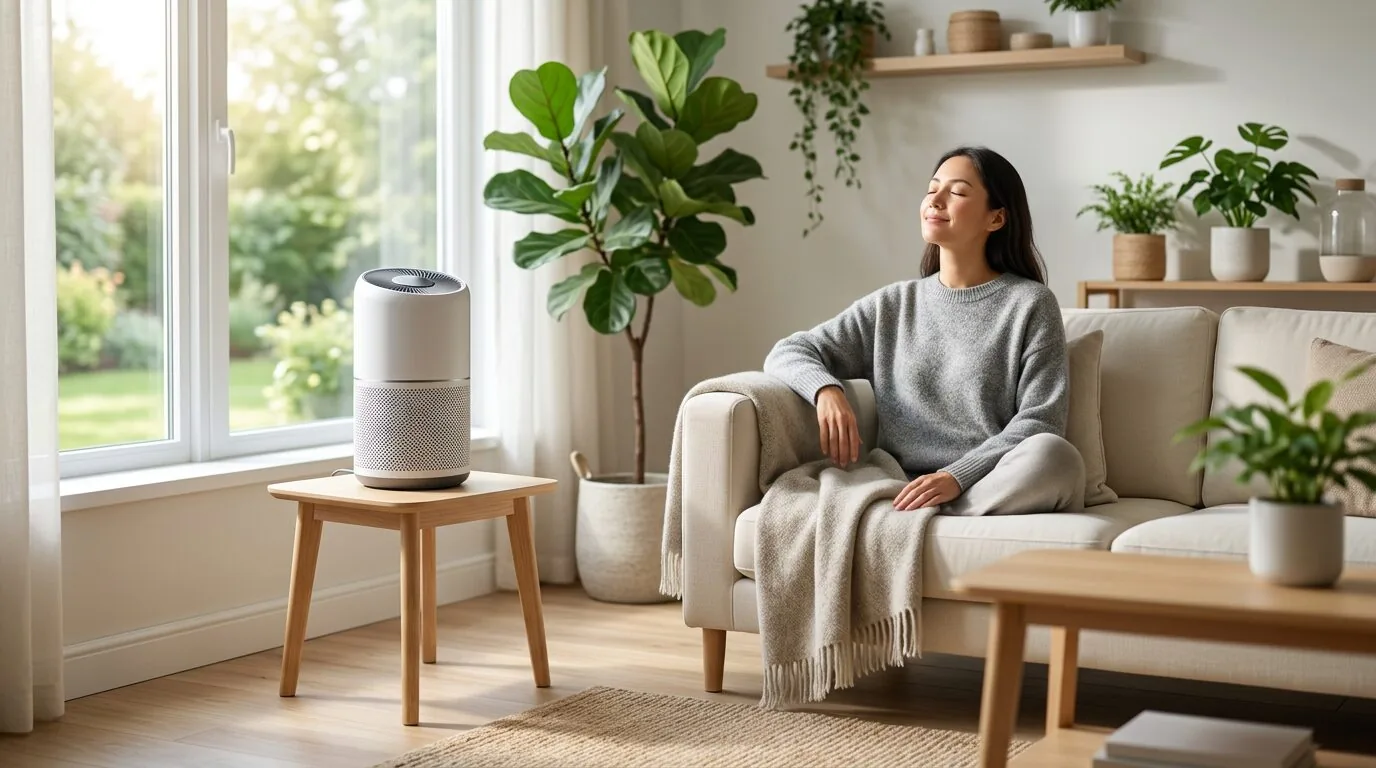
To improve indoor air quality for allergies, focus on a multi-layered strategy: clean regularly with a HEPA vacuum, control humidity, reduce clutter, and use a HEPA air purifier in key rooms. The goal is to minimize contact with allergens like dust mites, pollen, and pet dander where you spend the most time.
If you suffer from allergies, your home should be your sanctuary, not a source of sneezing and itchy eyes. Many common allergens are invisible and can linger in the air and on surfaces for hours. This guide provides practical, effective steps you can take to create a cleaner, more breathable indoor environment, helping you manage symptoms and feel more comfortable in your own space.
What You’ll Need
- A vacuum cleaner with a HEPA filter to trap fine particles.
- Microfiber cloths and damp mops for dusting.
- Allergen-proof mattress and pillow covers.
- Dehumidifier (optional, for damp areas).
- An air purifier with a True HEPA filter, like the Holmes TRUE HEPA Console Air Purifier with Filter, to clean the air in frequently used rooms.
How to Improve Your Indoor Air for Allergy Relief, Step by Step
Step 1: Master Your Cleaning Routine
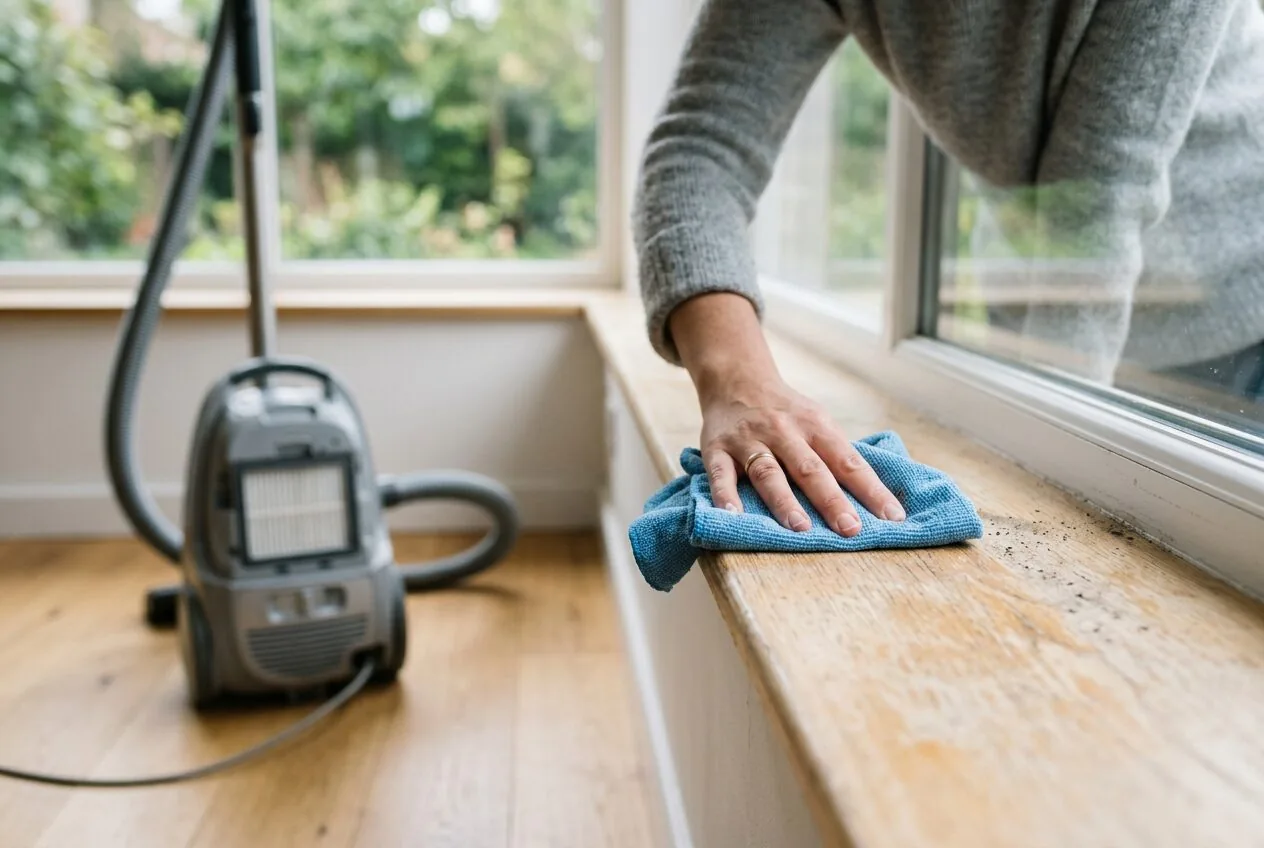
Regular, thorough cleaning is your first line of defense. Dust mites and pet dander accumulate in fabrics and on surfaces. Vacuum carpets, rugs, and upholstery at least twice a week using a vacuum equipped with a HEPA filter. This ensures the fine allergens are trapped inside the vacuum and not blown back into the air.
When dusting, always use a damp microfiber cloth. Dry dusting simply stirs allergens up, allowing them to become airborne again. Wash bedding, including pillowcases and blankets, in hot water (at least 130°F) weekly to kill dust mites.
Step 2: Control Humidity and Moisture
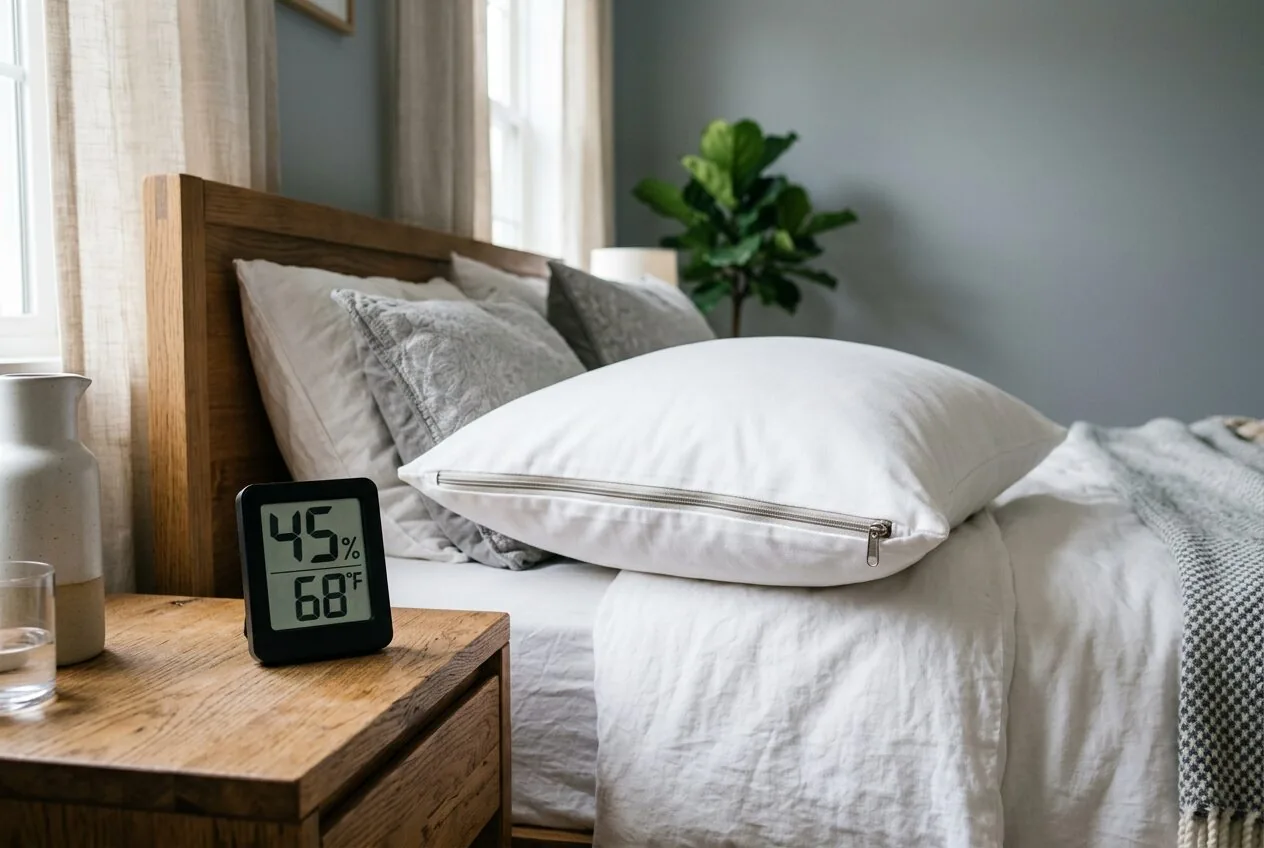
Dust mites and mold thrive in humid environments. Aim to keep your home’s relative humidity between 30% and 50%. You can use a hygrometer, a simple tool available at hardware stores, to monitor levels. In naturally damp areas like basements or bathrooms, use an exhaust fan during and after showers and consider a dehumidifier.
Fix any leaks promptly and ensure your home is well-ventilated. Allowing dampness to persist creates a perfect breeding ground for mold spores, a potent allergen for many people.
Step 3: Minimize Clutter and Allergen Havens
Simplify your space. Books, knick-knacks, stacks of paper, and piles of clothes are all surfaces where dust can settle. Reducing clutter in your bedroom and main living areas minimizes the number of places allergens can hide and makes cleaning much more effective.
Pay special attention to soft furnishings. If possible, replace heavy curtains with blinds that are easy to wipe down. Consider replacing carpet with hard-surface flooring like wood, tile, or laminate, which doesn’t hold allergens as tenaciously.
Step 4: Create an Allergy-Safe Bedroom
You spend a third of your life in bed, so this room deserves extra attention. Encase your mattress, box spring, and pillows in allergen-proof, zippered covers. These barriers prevent dust mites from colonizing the bedding itself. Keep pets out of the bedroom to avoid bringing in dander and pollen from outside.
Step 5: Use Strategic Air Purification
While cleaning tackles surfaces, a high-quality air purifier tackles the airborne allergens you stir up. Place a purifier with a True HEPA filter in the rooms where you spend the most time, like the bedroom and living room. True HEPA filters are 99.97% efficient at capturing particles as small as 0.3 microns, which includes most pollen, dust, and pet dander.
For real-time awareness of your air quality, a model with a sensor and display, like the AROEVE Air Purifiers for Home with Air Quality, can be helpful. It visually shows when allergen levels are high, prompting you to increase the purification speed. Run your purifier continuously on a low setting for best results, especially while sleeping.
Step 6: Manage Outdoor Allergens at the Door
Pollen can easily hitch a ride inside. During high pollen seasons, keep windows closed and use air conditioning. When you come indoors, take off your shoes at the door, change your clothes, and consider showering before bed to rinse pollen from your hair and skin.
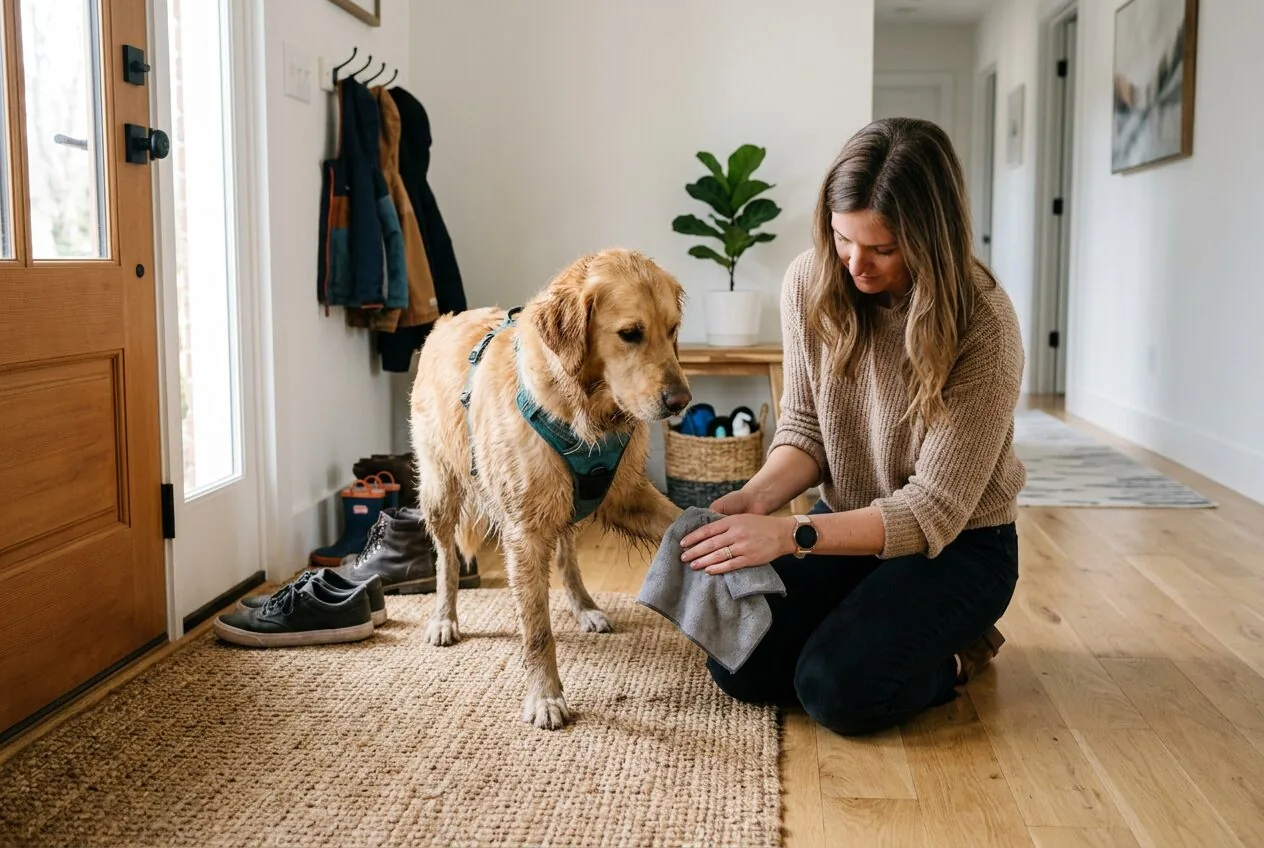
If you have pets that go outside, wipe their paws and fur with a damp cloth when they come in to remove pollen. Regular grooming and bathing of pets can also significantly reduce the amount of dander they shed indoors.
Recommended Products
While a holistic approach is key, the right tools make the job easier. A reliable air purifier is a cornerstone of an allergy-friendly home, actively removing the particles that cause symptoms.


As an Amazon Associate we earn from qualifying purchases. Product prices and availability are accurate as of the date/time indicated.
Common Mistakes to Avoid
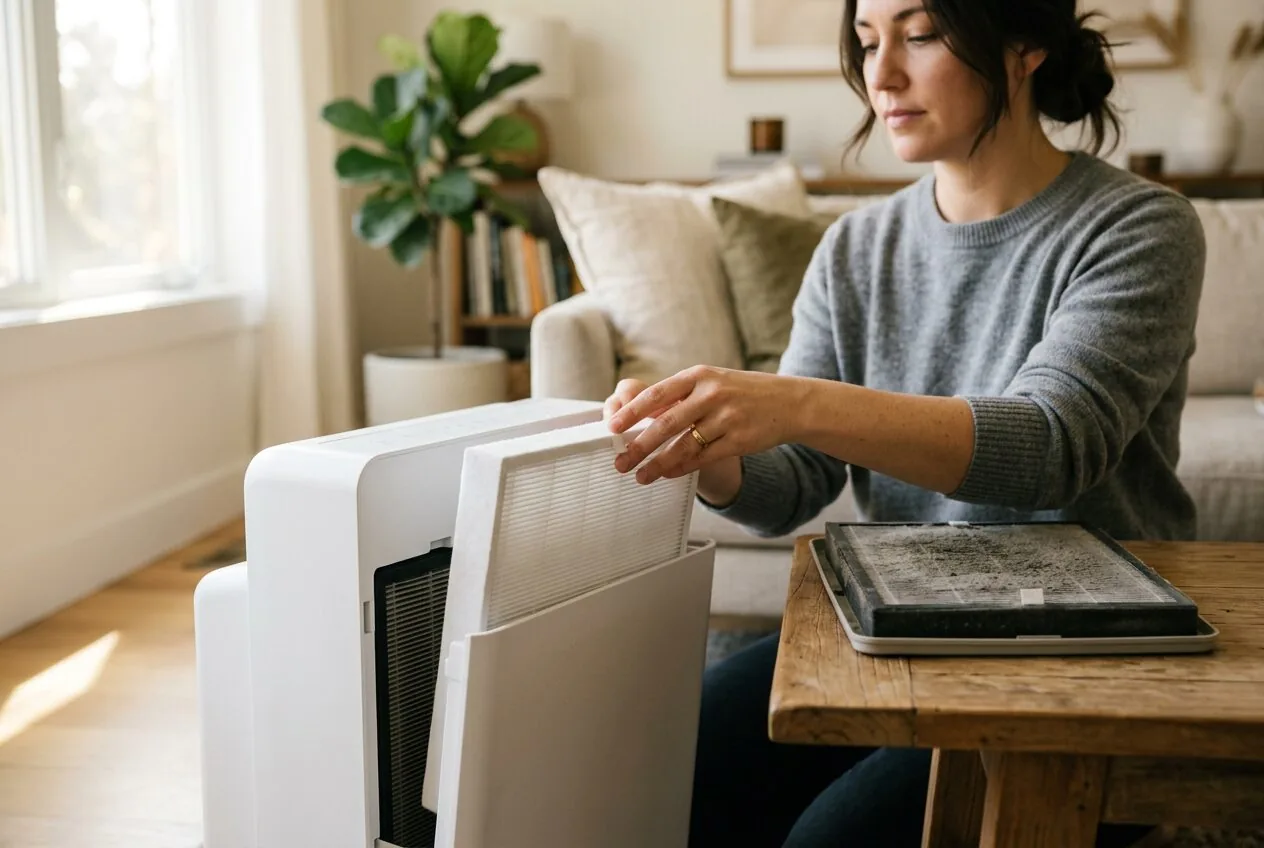
- Neglecting filter changes: An air purifier with a clogged filter is ineffective. Follow the manufacturer’s replacement schedule for both your purifier and vacuum cleaner.
- Using scented cleaners or air fresheners: These can release volatile organic compounds (VOCs) that may irritate sensitive airways. Opt for fragrance-free, simple cleaners.
- Only cleaning visible surfaces: Allergens love hidden spots. Remember to vacuum under furniture, wash curtains, and clean ceiling fan blades and vents regularly.
- Placing the air purifier in a corner: For optimal airflow, place your purifier in the center of the room or at least a few feet away from walls and large furniture.
- Ignoring your home’s ventilation: While keeping windows shut during pollen season is wise, ensure other ventilation like range hoods and bathroom fans are used to control moisture and cooking pollutants.
Frequently Asked Questions
How often should I run my air purifier for allergies?
For the best results in managing allergy symptoms, run your air purifier continuously on its lowest or auto setting. This provides constant filtration, capturing allergens as they are stirred up from cleaning, pets, or simply moving around. A model with a quiet sleep mode, like the u003ca href=u0022https://airpurifierguides.com/voopnu-dh-jhd08-review/u0022u003eVOOPNU Air Purifiers For Home With Air Qualityu003c/au003e, is ideal for 24/7 operation in a bedroom.
Do air purifiers help with pet allergies?
Yes, air purifiers with HEPA filters are very effective at removing pet dander (skin flakes) from the air, which is the primary cause of pet allergies. They also capture hair and other associated allergens. For homes with pets, choosing a purifier with a robust filter system designed for larger spaces, such as the u003ca href=u0022https://airpurifierguides.com/honeywellpluggedin-hpa5300b-review/u0022u003eHoneywell HEPA Air Purifier for Homeu003c/au003e, can handle the increased allergen load more effectively.
Whatu0026#039;s more important, a HEPA vacuum or a HEPA air purifier?
They are both crucial and work together. The HEPA vacuum removes allergens embedded in carpets and fabrics, preventing them from being kicked back into the air. The HEPA air purifier captures the fine, lightweight allergens that are already airborne. Using both provides a comprehensive defense, tackling allergens on surfaces and in the air you breathe.
How do I know if my air quality is poor?
Your body often gives the first clues: increased allergy symptoms like sneezing, congestion, or itchy eyes while indoors. Visibly dusty surfaces, musty odors, or excessive humidity are other signs. Some modern air purifiers have built-in sensors that give a visual indication of particulate levels, providing a helpful, real-time gauge of your air quality.
While some plants can absorb certain airborne chemicals, they are not a reliable solution for removing pollen, dust, or dander. In fact, overwatered plants can promote mold growth in their soil, which can worsen allergies. It’s best to rely on proven mechanical methods like filtration and cleaning.
Final Thoughts
Improving your indoor air quality as an allergy sufferer is not about one magic solution, but about building consistent, effective habits. By combining diligent cleaning, moisture control, and strategic use of air purification, you can significantly reduce your exposure to common allergens. This proactive approach can lead to fewer symptoms, better sleep, and a greater sense of comfort in your own home.
Remember, persistence is key. Start with one or two steps from this guide, such as implementing a new cleaning routine or placing an air purifier in your bedroom, and gradually build from there. For more insights on how air purifiers work and their key metrics, our guide on what is clean air delivery rate (CADR) and why it matters is a great resource. Your effort will pay off in easier breathing and a healthier living environment.
About the author
Editor at AirPurifierGuides.com. Emily has a background in professional communication and has worked with several health and technology publications. She edits our content for accuracy and answers reader questions about air quality.