PM2.5 and Indoor Air Quality: What It Is and How to Reduce It
Learn what PM2.5 is, how it affects your health indoors, and the most effective strategies to monitor and reduce these fine particles in your home.
 By Marcus Thorne
Updated October 17, 2026
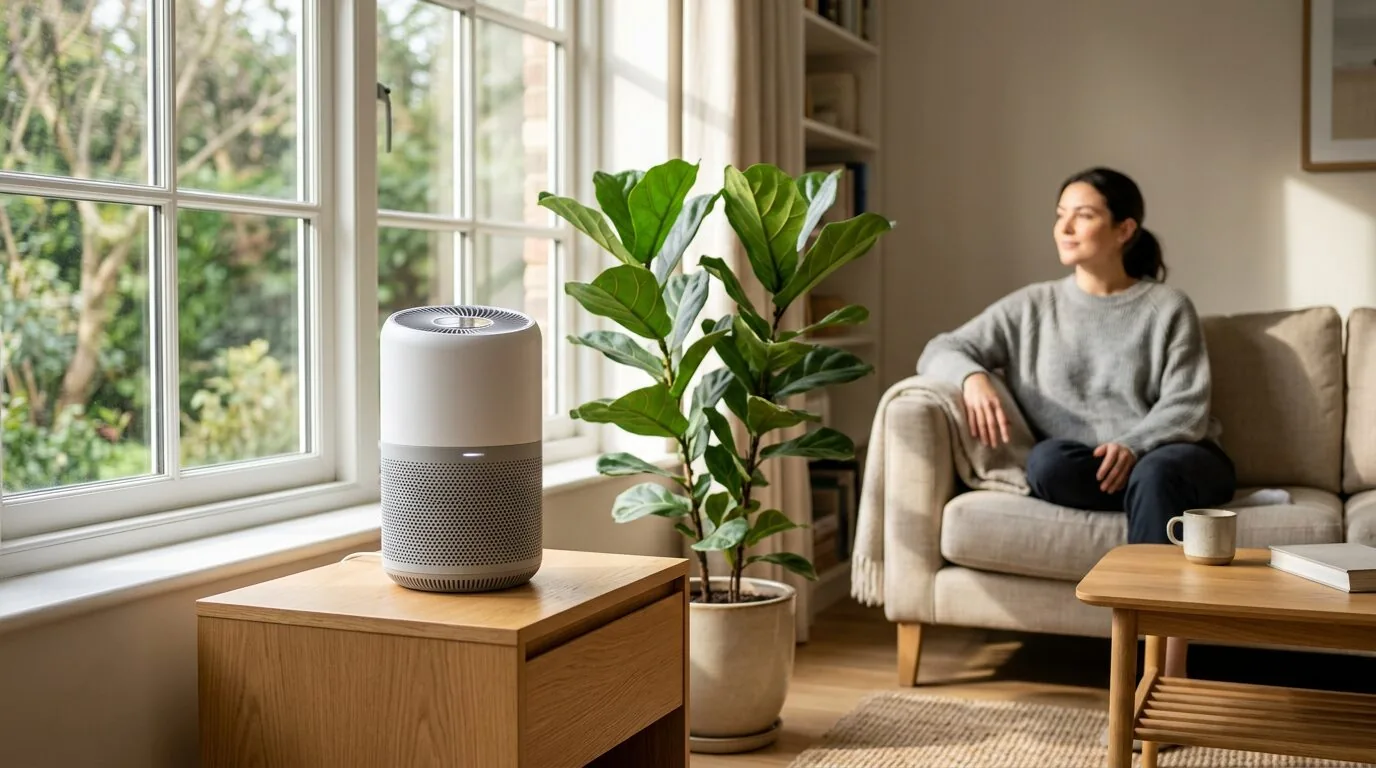
PM2.5 refers to fine particulate matter measuring 2.5 micrometers or smaller, which can penetrate deep into your lungs and even enter your bloodstream. These particles come from sources like cooking smoke, burning candles, outdoor pollution, and dust, and are a primary indicator of poor indoor air quality. Reducing your exposure to PM2.5 is crucial for protecting respiratory and cardiovascular health.
While outdoor air quality gets a lot of attention, we spend most of our time indoors, where concentrations of pollutants like PM2.5 can be even higher. This guide will explain what PM2.5 is, where it comes from inside your home, how to measure it, and the most practical steps you can take to create a cleaner, healthier indoor environment for you and your family.
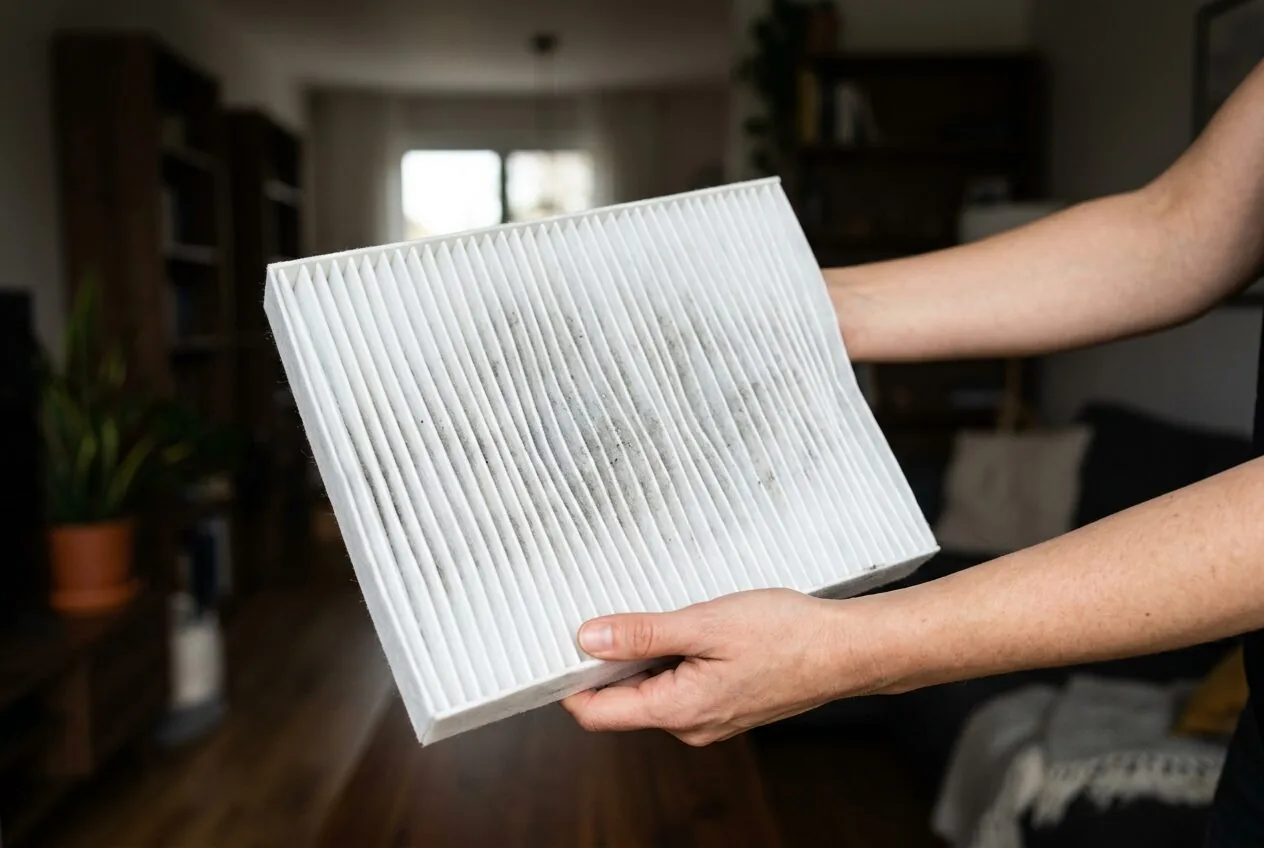
What Exactly Is PM2.5?
“PM” stands for particulate matter, and “2.5” refers to the size of the particles: 2.5 micrometers in diameter or smaller. To grasp how small this is, a single strand of human hair is about 70 micrometers wide. These fine particles are so tiny they can remain suspended in the air for long periods and are invisible to the naked eye in normal concentrations.
Due to their microscopic size, PM2.5 particles bypass many of our body’s natural defenses. When you breathe, they travel deep into the alveoli, the tiny air sacs in your lungs where oxygen exchange happens. From there, they can cross into the bloodstream, carrying potential toxins throughout your body. This is why health organizations like the EPA and WHO set strict guidelines for PM2.5 exposure levels.
Common Sources of PM2.5 Indoors
- Cooking: Frying, grilling, or toasting can generate significant amounts of smoke and fine particulates, especially without proper ventilation.
- Combustion: Burning candles, incense, fireplaces, or using unvented gas stoves and heaters.
- Tobacco Smoke: One of the most concentrated sources of PM2.5 and other harmful chemicals.
- Outdoor Air Infiltration: Pollution from traffic, industry, wildfires, and pollen can seep in through windows, doors, and ventilation systems.
- Indoor Activities: Dusting, vacuuming without a HEPA filter, using aerosol sprays, and even printer toner can stir up or create fine particles.
Health Impacts of PM2.5 Exposure
Exposure to elevated levels of PM2.5 is linked to a range of short-term and long-term health effects. In the short term, you might experience irritation of the eyes, nose, and throat, coughing, sneezing, shortness of breath, and worsened symptoms of asthma or allergies. These particles can trigger inflammatory responses in the respiratory system.
Long-term exposure is associated with more serious health risks. Studies have linked chronic PM2.5 exposure to reduced lung function, the development of chronic bronchitis, and an increased risk of heart attacks, strokes, and lung cancer. Vulnerable groups, including children, the elderly, and individuals with pre-existing heart or lung conditions, are at the greatest risk. For more on how air quality affects comfort, see our article on air purifier noise levels and indoor comfort.
How to Monitor PM2.5 in Your Home
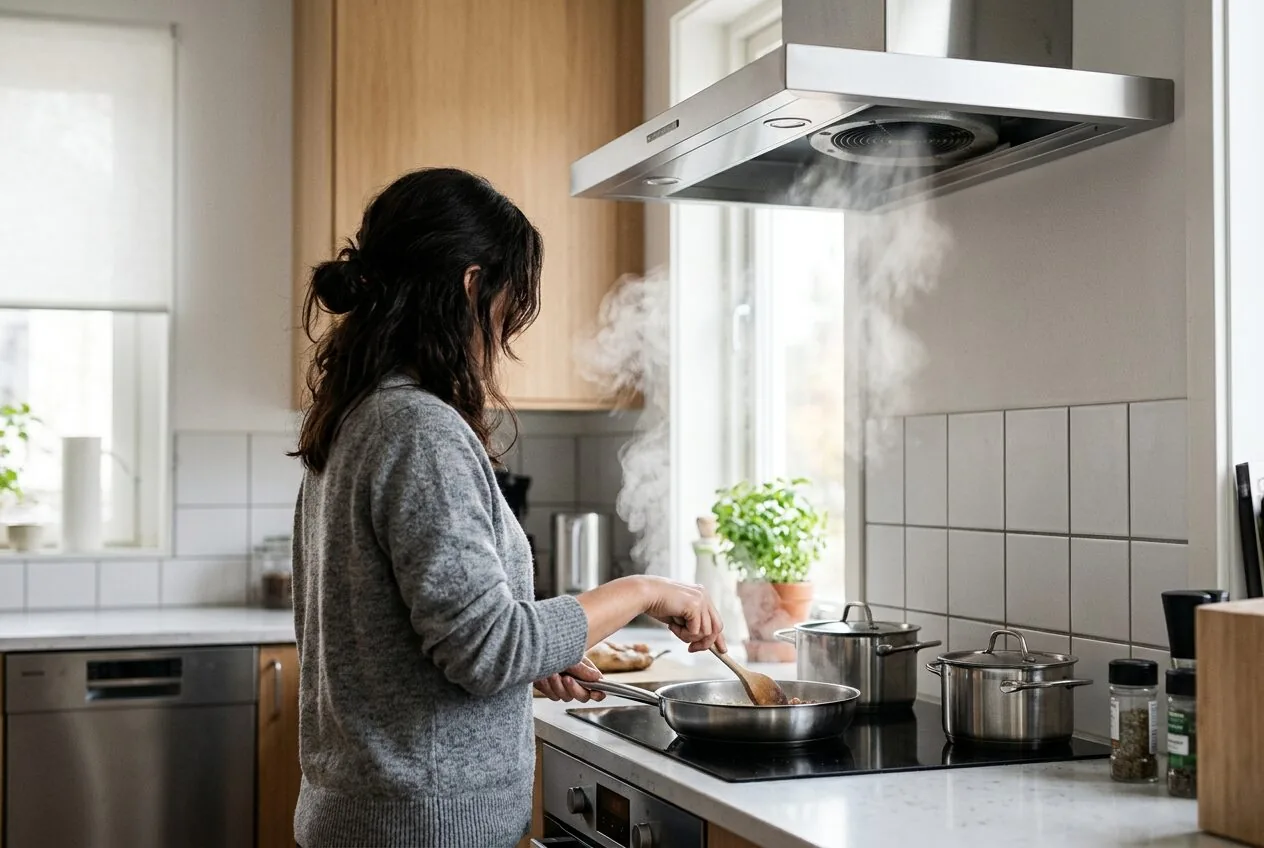
You can’t manage what you don’t measure. The first step to improving your air is understanding your baseline PM2.5 levels. Several tools are available for this purpose. Many modern air purifiers, like the Air Purifiers for Home Large Room, come with built-in PM2.5 sensors and displays that provide real-time readings of your air quality, often color-coded for easy understanding (e.g., green for good, red for poor).
For a more detailed look, you can purchase a standalone indoor air quality monitor. These devices measure PM2.5 and other pollutants like VOCs (volatile organic compounds), providing data you can track over time via a smartphone app. This data is invaluable for identifying patterns, such as PM2.5 spikes during cooking hours, which can inform your mitigation strategies.
Effective Strategies to Reduce Indoor PM2.5
Reducing PM2.5 is a multi-pronged approach focused on source control, ventilation, and filtration. The most effective strategy is to eliminate or reduce the source of the particles whenever possible.
1. Source Control
- Always use your kitchen exhaust fan while cooking and for 15-20 minutes afterward.
- Avoid burning candles and incense, or choose smokeless alternatives like wax warmers.
- Prohibit smoking indoors entirely.
- Choose cleaning products that are low-VOC and non-aerosol.
- Use a doormat and remove shoes at the door to prevent tracking in outdoor pollutants.
2. Improve Ventilation
Diluting polluted indoor air with fresh outdoor air is key. Open windows and doors when outdoor air quality is good (check local air quality indexes). Use bathroom fans during and after showers to remove moisture and particles. Ensure your HVAC system is properly maintained, with clean filters changed regularly. For more on the benefits of consistent operation, read about air purifiers and continuous operation benefits.
3. Use Air Filtration
When source control and ventilation aren’t enough, mechanical filtration is your best defense. A portable air purifier with a True HEPA filter is the gold standard for removing PM2.5 from the air. HEPA filters are tested to capture at least 99.97% of particles as small as 0.3 microns, making them highly effective against PM2.5.
When selecting an air purifier, ensure it is appropriately sized for the room you intend to use it in. Look for the Clean Air Delivery Rate (CADR), which indicates how quickly it can clean the air of smoke, dust, and pollen. A higher CADR for smoke is a good indicator of PM2.5 removal efficiency. Learn more about this important metric in our guide to what is Clean Air Delivery Rate.
Recommended Products
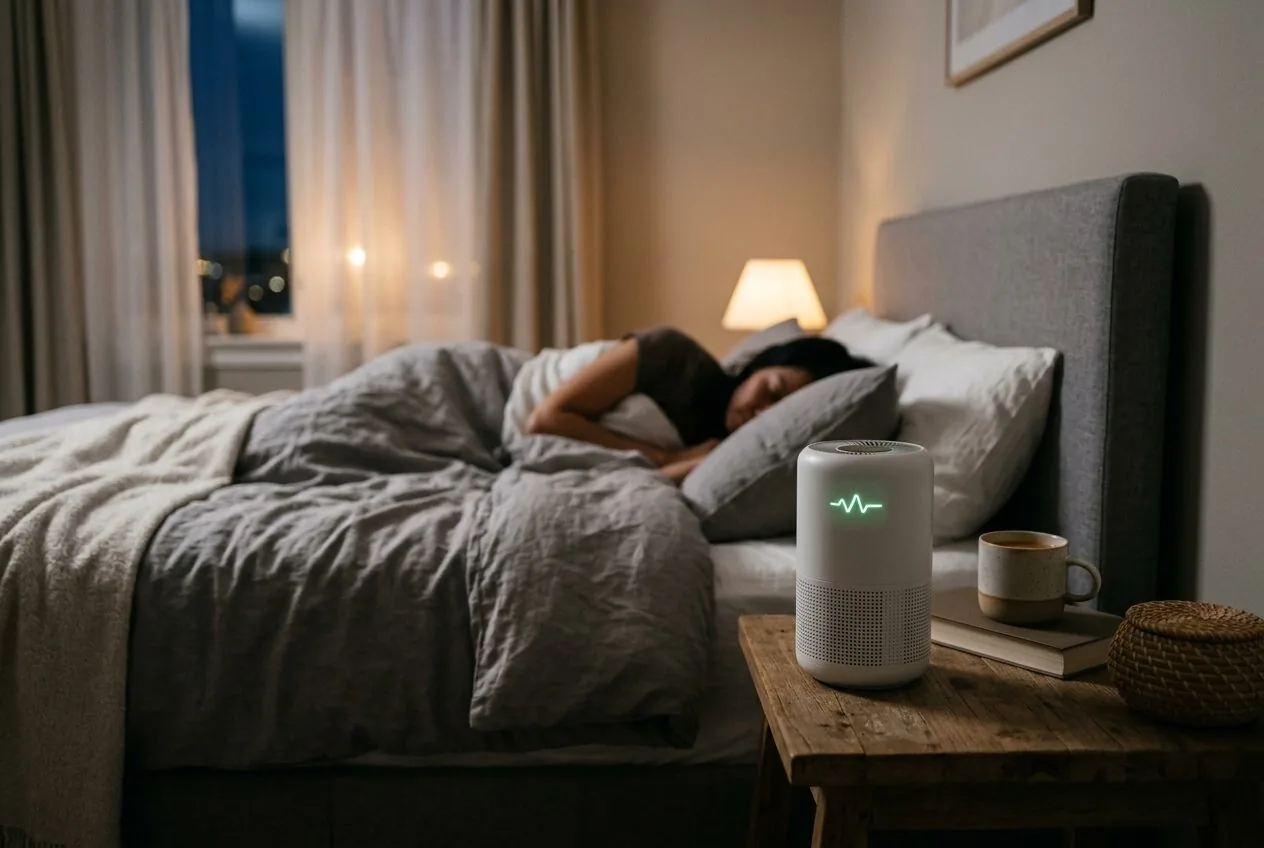
Choosing the right air purifier can make a significant difference in managing PM2.5. For smaller bedrooms or offices, compact models with HEPA filters are a great fit. For larger living spaces, a unit with a higher CADR and a smart sensor that automatically adjusts fan speed based on detected PM2.5 levels can provide efficient, hands-free cleaning.


As an Amazon Associate we earn from qualifying purchases. Product prices and availability are accurate as of the date/time indicated.
Frequently Asked Questions
Can houseplants reduce PM2.5?
While houseplants can absorb some gases (VOCs), their effect on removing meaningful amounts of PM2.5 from the air is minimal. You would need an impractical number of plants to match the filtration rate of a mechanical air purifier. Plants are best enjoyed for their aesthetic and psychological benefits, not as a primary air cleaning solution.
How often should I run my air purifier?
For the best results in controlling PM2.5, run your air purifier continuously on a low or automatic setting. Fine particles are constantly being introduced or resuspended, so continuous filtration maintains a consistently low level. Modern purifiers are designed for 24/7 operation and are energy-efficient on low settings. Concerns about electricity use are addressed in our article, u003ca href=u0022https://airpurifierguides.com/do-air-purifiers-use-a-lot-of-electricity/u0022u003edo air purifiers use a lot of electricityu003c/au003e.
Do I need an air purifier if I have an HVAC filter?
Your HVAC filter protects your furnace or air handler and provides whole-house filtration. However, to effectively capture PM2.5, it needs to be a high-efficiency filter (like a MERV 13 or higher), and your system must run frequently enough to cycle the air. A portable air purifier provides targeted, powerful filtration in the specific room where you spend time, offering an extra layer of protection and flexibility.
Can vacuuming reduce PM2.5?
Vacuuming with a standard vacuum can actually increase PM2.5 levels by kicking fine dust back into the air. To effectively remove settled dust that contains PM2.5, use a vacuum cleaner equipped with a sealed system and a true HEPA filter, which traps the fine particles inside the machine instead of exhausting them.
Final Thoughts
PM2.5 is a silent but significant component of indoor air pollution with real health implications. By understanding its sources—from your kitchen to outdoor air—you can take proactive steps to minimize it. A combination of sensible habits, like using exhaust fans and opting for smokeless alternatives, coupled with effective mechanical filtration from a HEPA air purifier, provides a robust defense.
Investing in your indoor air quality is an investment in your long-term health and comfort. Start by identifying one or two key sources of PM2.5 in your home and addressing them. Whether you choose a compact purifier like the AromaRoom Air Purifiers for Bedroom with 3-in-1 for a personal space or a larger-capacity model for your main living area, taking action today can lead to cleaner air and easier breathing for years to come. For more tips and product insights, explore our full collection of air purifier reviews.
About the author
Co-founder of AirPurifierGuides.com. Marcus runs a retail chain of home appliances and works directly with brands like Dyson, Coway, Levoit, and Blueair, giving him firsthand insight into current air purifier lineups and buying trends.