Air Purifier Filter Types and Functions: Which Do You Need?
Air purifier filter types explained: what pre-filters, True HEPA, carbon, UV-C and ionizers remove, and which combo you need for allergies, pets or smoke.
 By Sarah Jenkins
Updated October 15, 2026
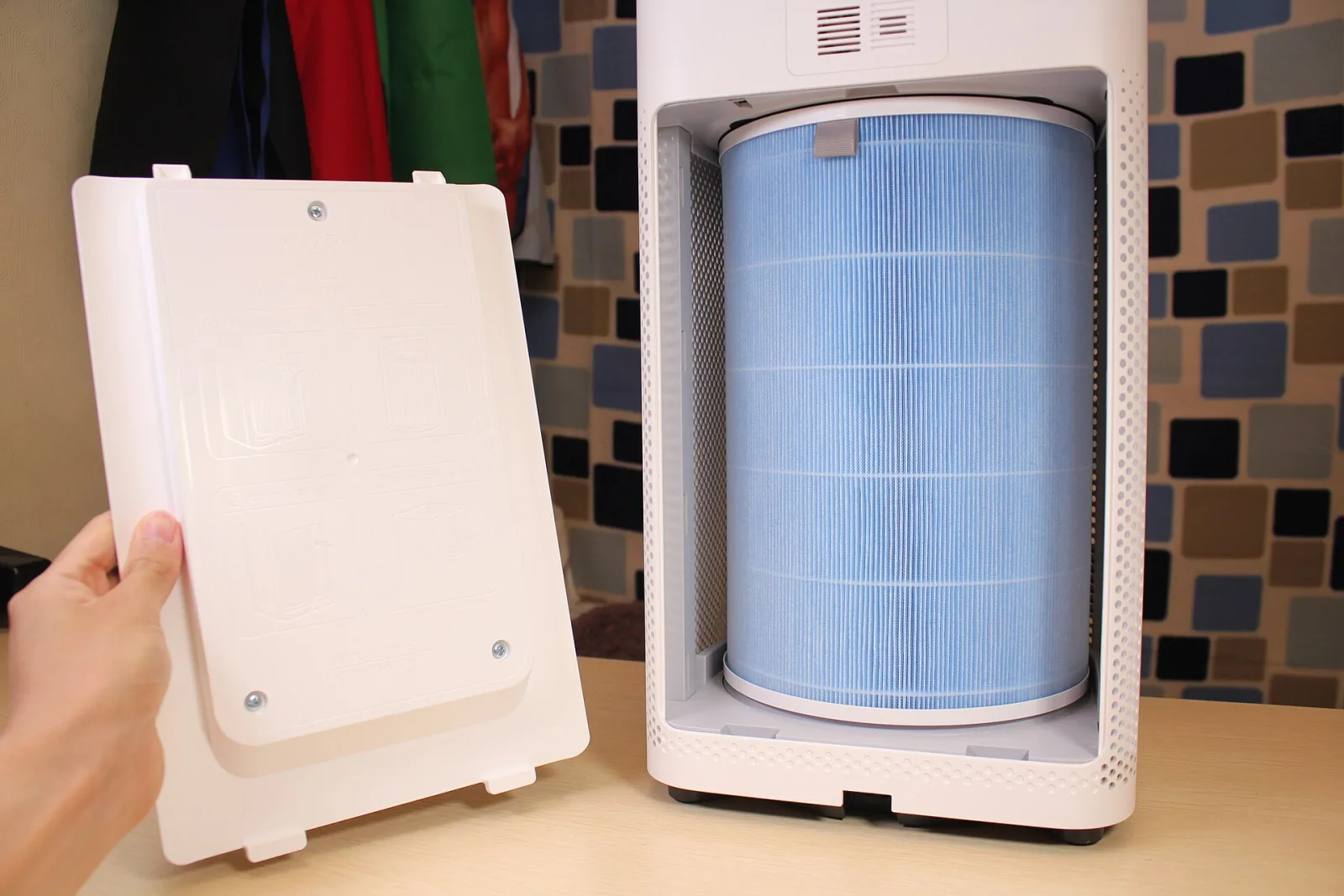
Quick answer: Most homes need a purifier that combines a washable pre-filter, a True HEPA filter for fine particles, and an activated carbon filter for odors and gases. UV-C lights and ionizers are optional extras, never a substitute for HEPA.
According to the U.S. Environmental Protection Agency, Americans spend about 90% of their time indoors, where concentrations of some pollutants are often two to five times higher than typical outdoor levels. An air purifier can help, but only if its filters target the pollutants you actually have.
That is why understanding air purifier filter types matters more than fan speeds or app features. A filter built to catch pet hair does nothing for cooking smells, and a carbon filter will not stop pollen. This guide explains what each filter does, where it falls short, and which combination fits allergies, pets, smoke and everyday dust in 2026.
The 5 Main Air Purifier Filter Types Explained
Most quality purifiers stack several technologies in sequence, with each layer handling a different kind of pollutant. Here is how each one works and what it is good at.
1. Pre-Filter: Catches Hair, Lint and Large Dust
A pre-filter is the first layer air passes through. Usually a fine nylon or polyester mesh, it traps large, visible debris such as hair, pet fur, lint and dust clumps before they reach the finer filters behind it.
Its real job is protection. By stopping big debris early, the pre-filter keeps the HEPA and carbon layers from clogging, so they last longer and cost you less in replacements. The Levoit Core 400S uses a fine mesh pre-filter you can vacuum, while the Coway Airmega 400 has a washable pre-filter that holds up well in multi-pet homes.
2. True HEPA Filter: Removes Fine Particles
HEPA stands for High-Efficiency Particulate Air. According to the EPA, a HEPA filter can theoretically remove at least 99.97% of dust, pollen, mold, bacteria and other airborne particles 0.3 microns in size. Particles around 0.3 microns are the hardest to catch, so both larger and smaller particles are captured even more efficiently.
HEPA media is not a simple sieve. It is a dense mat of randomly arranged fibers, usually glass fiber, folded into pleats. As air weaves through, particles collide with and stick to the fibers. This is what lets a HEPA filter trap fine dust, pet dander, mold spores and the PM2.5 particles found in smoke.
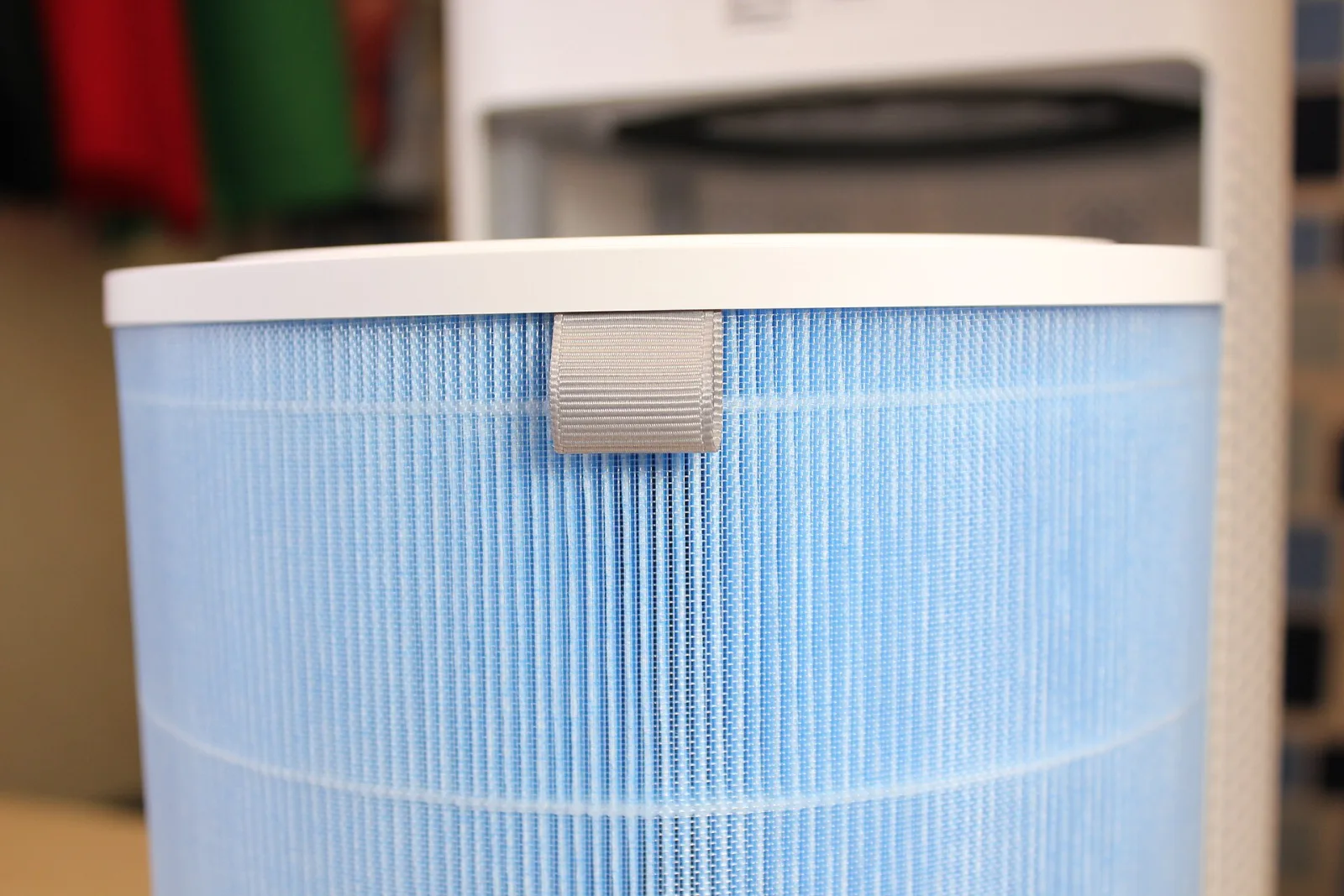
Watch out for vague labels like “HEPA-type” or “HEPA-like,” which have no performance standard behind them. The Coway AP-1512HH Mighty uses a True HEPA filter. The Blueair Blue Pure 211i Max takes a different route with Blueair’s HEPASilent technology, which combines mechanical filtration with an electrostatic charge to reach high efficiency at lower fan noise.
3. Activated Carbon Filter: Absorbs Odors, Smoke and VOCs
HEPA filters only capture particles, so gases and odors pass straight through them. Activated carbon fills that gap. The carbon is processed with steam or heat to create an enormous network of microscopic pores, and gas molecules such as cooking odors, smoke smell and volatile organic compounds (VOCs) cling to those surfaces through a process called adsorption.
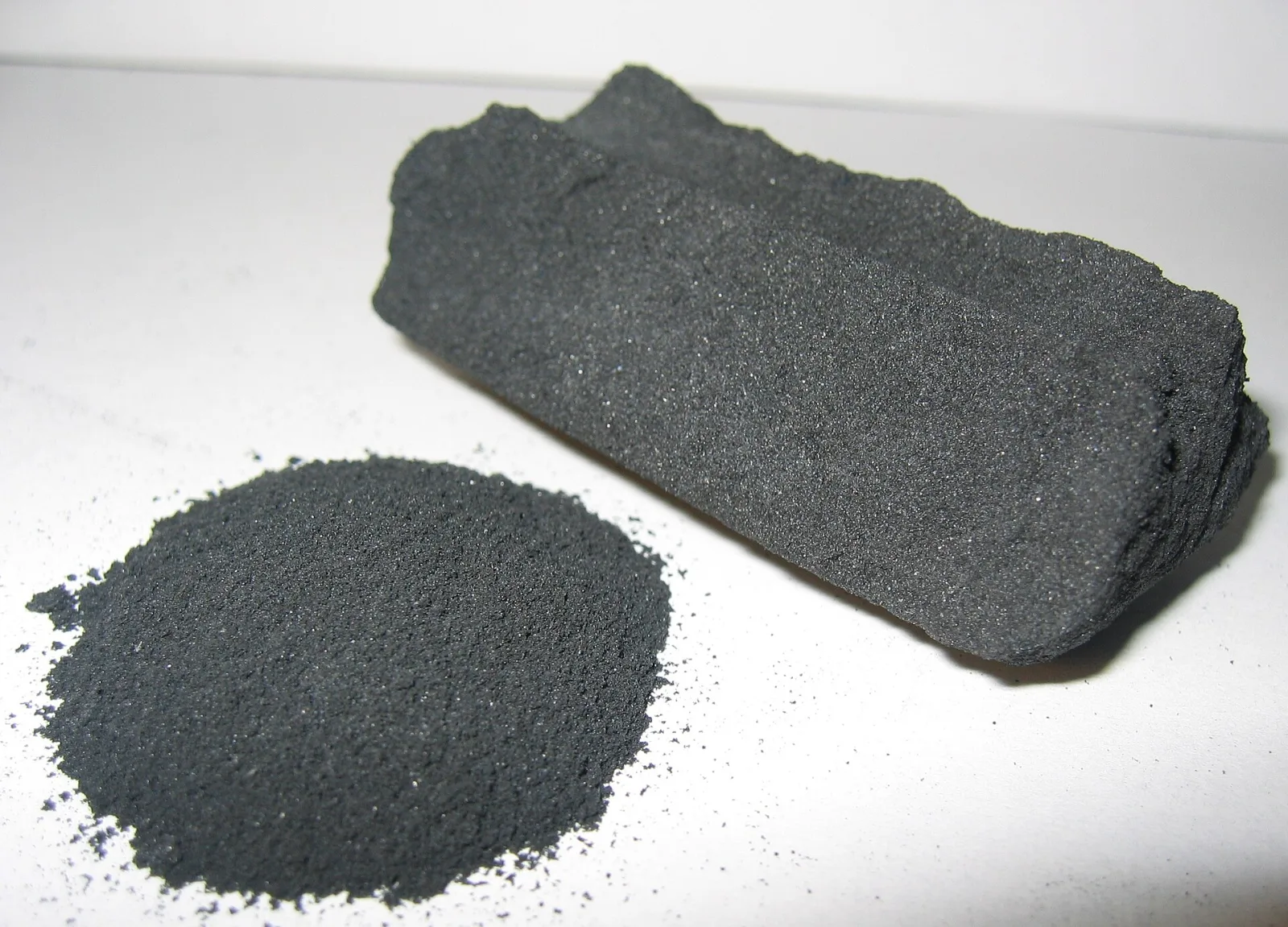
How much carbon a filter holds makes a big difference. The Winix 5500-2 uses granular carbon in its washable AOC filter, which handles everyday household odors well. Many compact purifiers, including the Levoit Core 300, use a thinner carbon layer that fills up faster under heavy odor loads. If smoke or strong smells are your main problem, look for filters that list their carbon weight in pounds rather than grams.
4. UV-C Light: Targets Germs, With Limits
UV-C light at around 254 nanometers damages the genetic material of bacteria, viruses and mold spores, which can stop them from reproducing. In an air purifier, a small UV-C lamp sits inside the housing, usually right next to the HEPA filter.
The catch is exposure time. Air rushes past the lamp in a fraction of a second, which is often not long enough to inactivate microbes. The EPA’s guide to air cleaners also notes that research has not shown UV light can remove gases effectively in portable residential units, and that UV lamps without adequate coatings may emit ozone.
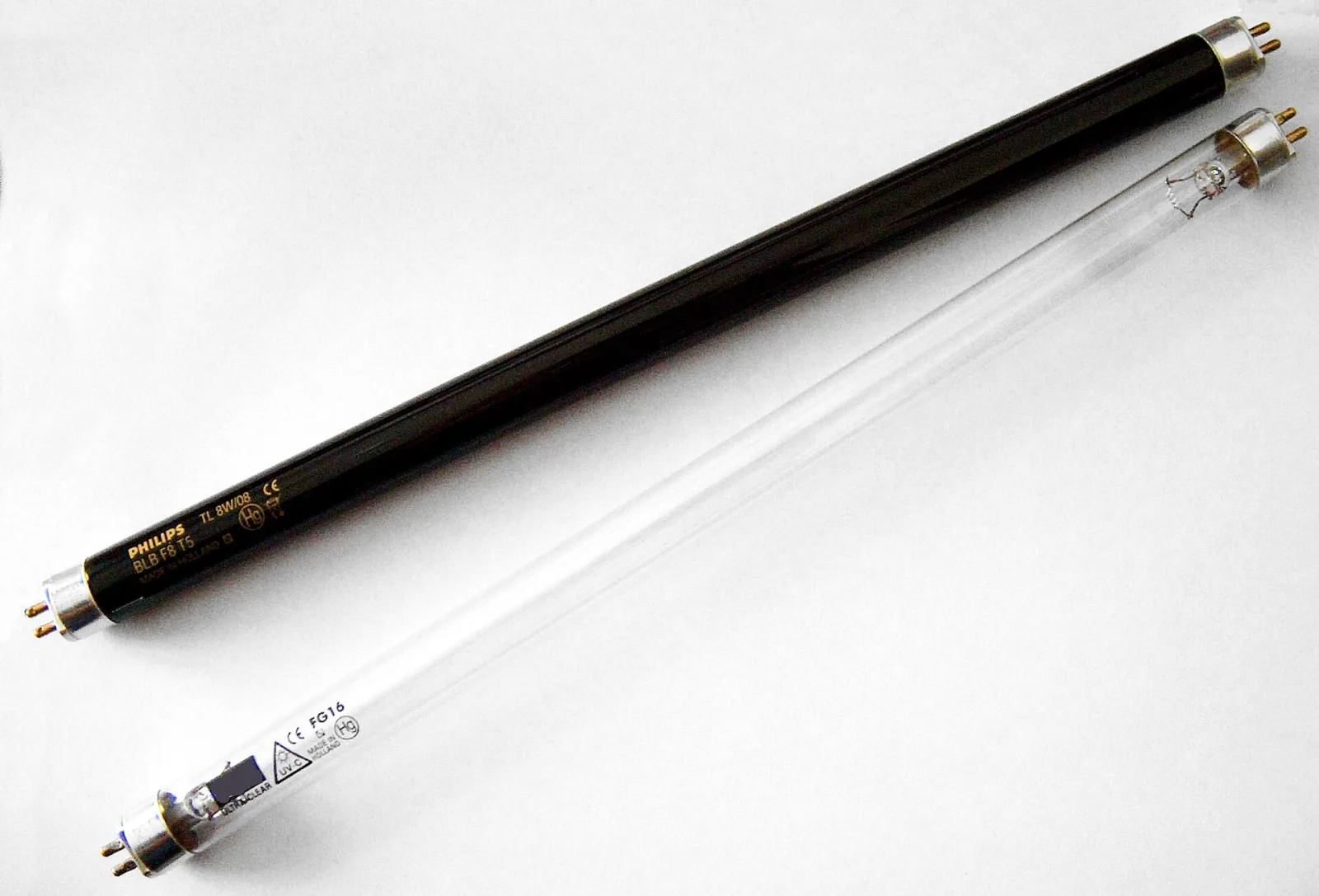
Treat UV-C as a bonus, not a replacement for HEPA. The GermGuardian AC4825 pairs a UV-C bulb with a True HEPA filter, which is the right way to use it: the HEPA filter does the heavy lifting, and the lamp adds a little extra protection.
5. Ionizers and Plasma Technology: Optional, Check for Ozone
Ionizers release charged ions that attach to airborne particles. The charged particles clump together and either settle onto surfaces or get caught more easily by the filter. Some standalone ionizers skip the filter entirely and collect particles on metal plates instead.
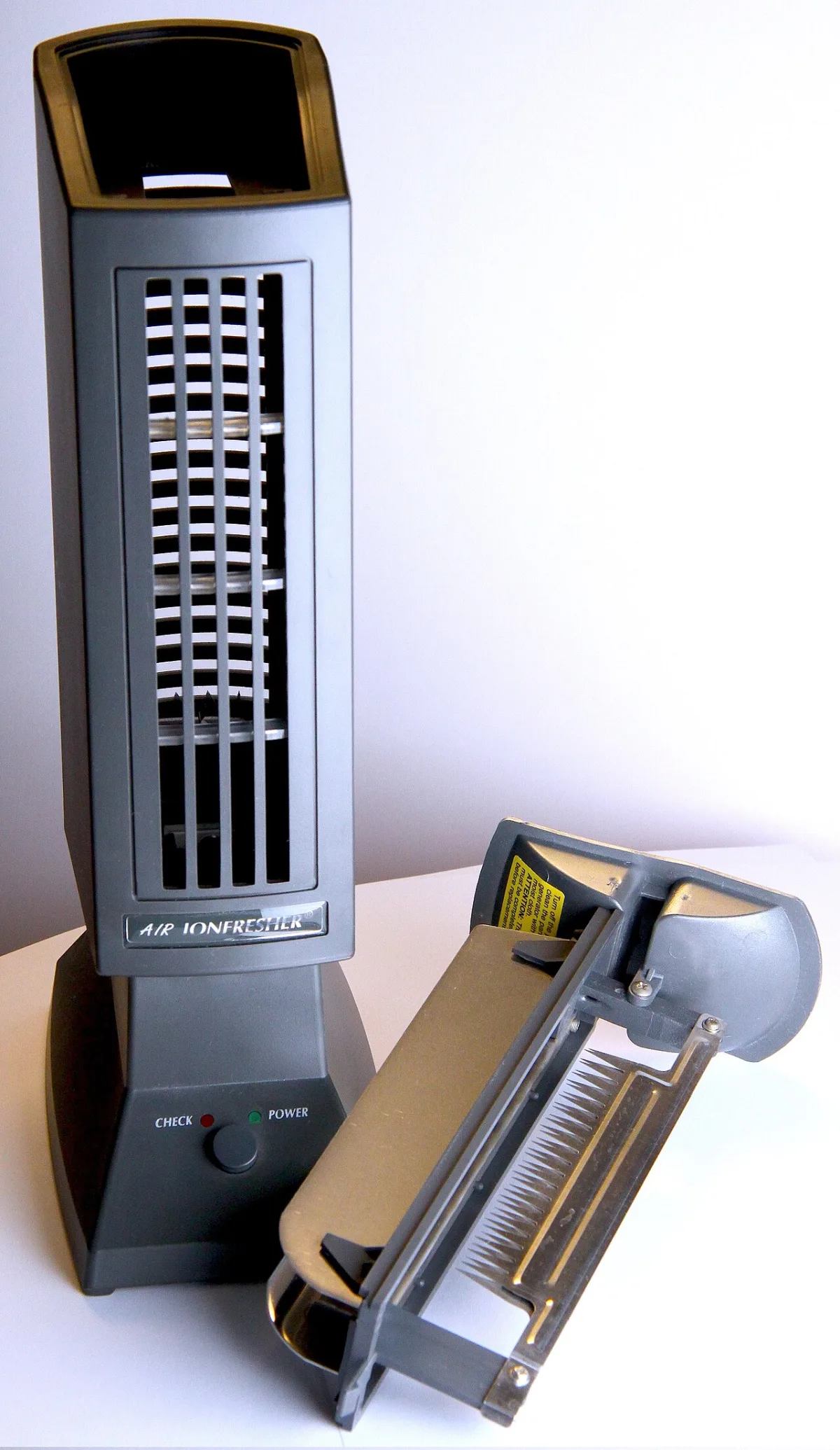
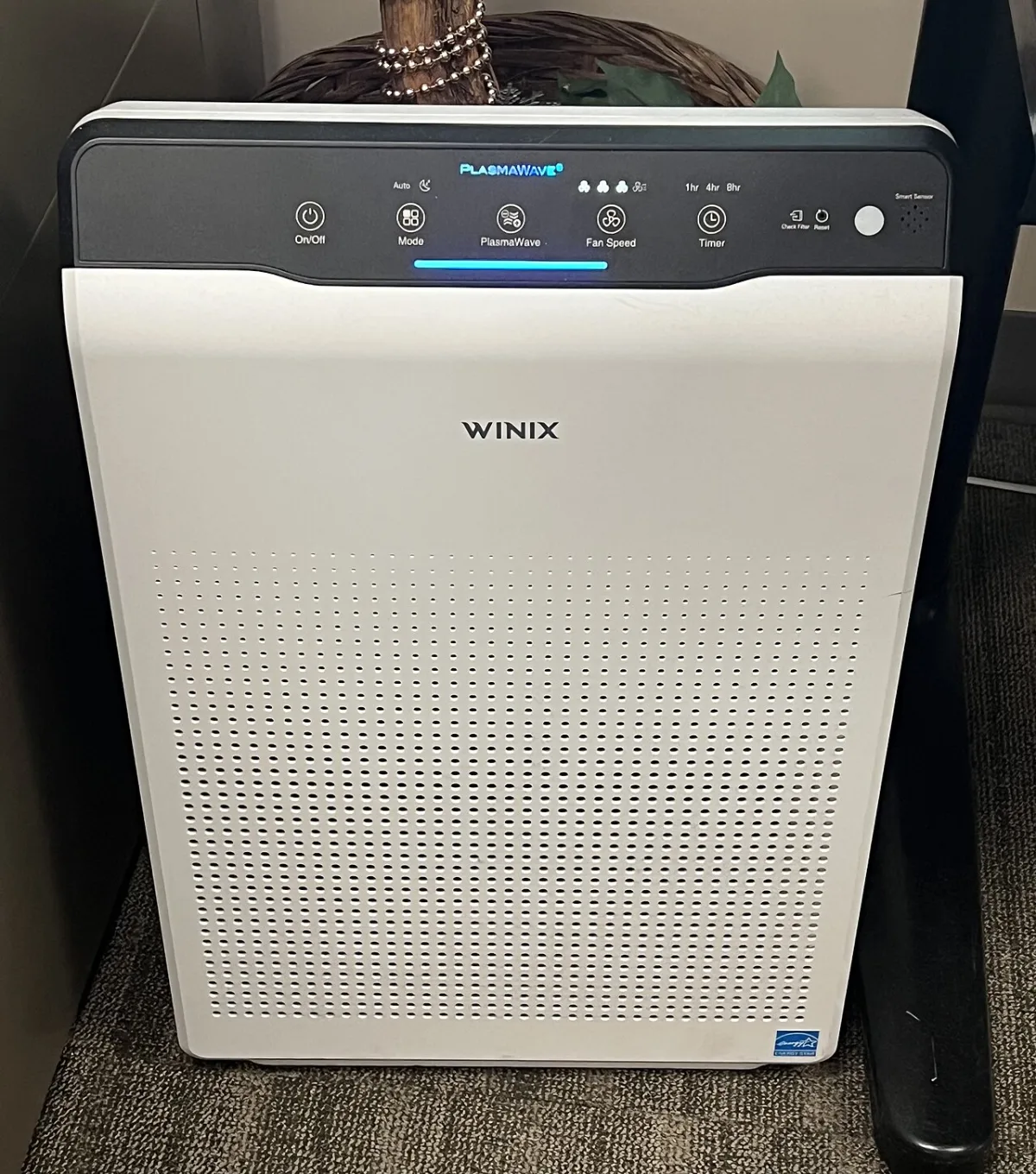
The concern is ozone, a lung irritant that some ionizing devices produce as a by-product. The EPA advises against ozone generators sold as air cleaners. Before buying any purifier with an ionizer, check that it is certified by the California Air Resources Board (CARB), which limits ozone emissions to 0.050 ppm. Winix’s PlasmaWave models are CARB-certified, and you can switch PlasmaWave off if you prefer.
Air Purifier Filter Comparison Table
No single filter handles every pollutant. This table shows what each type catches, what it misses, and how much upkeep it needs.
| Filter type | Best at removing | Does not remove | Maintenance |
|---|---|---|---|
| Pre-filter | Hair, pet fur, lint, large dust | Fine particles, odors, gases | Vacuum or rinse every 2–4 weeks |
| True HEPA | Pollen, dust, pet dander, mold spores, smoke particles (PM2.5) | Odors, gases, VOCs | Replace every 6–12 months |
| Activated carbon | Odors, smoke smell, VOCs | Particles | Replace every 3–6 months, or with the HEPA filter if combined |
| UV-C light | Some bacteria, viruses and mold, given enough exposure | Particles, odors, gases | Replace the bulb on the maker’s schedule |
| Ionizer / plasma | Helps particles clump and settle | Most gases; some models emit ozone | Clean collector plates if present |
Which Filter Types Do You Need?
Start with the problem you want to solve, then match the filter stack to it. Whatever you choose, size the purifier to your room: a common rule of thumb is a CADR (Clean Air Delivery Rate) of at least two-thirds of the room’s floor area in square feet.
For Allergies and Asthma
Your priority is a True HEPA filter in a purifier with enough CADR for the room. Pollen, dust mite debris and pet dander are all particles, so HEPA does most of the work. The Rabbit Air MinusA2 is a good example, pairing HEPA with customizable filter options aimed at pet allergies, germs or odors.
For Pet Owners
Pets create two problems at once: hair and dander, plus odor. Look for a sturdy washable pre-filter to catch daily shedding, True HEPA for dander, and a solid carbon layer for smells. The Coway Airmega 400 handles this well, drawing air through filters on both sides so it can move a lot of air without clogging quickly.
For Smoke, Wildfires and Cooking Odors
Smoke is both particles and gases. HEPA captures the fine smoke particles, while activated carbon tackles the smell and VOCs. A thin carbon sheet can saturate in days under heavy smoke, so choose a model with a substantial carbon load, such as the Alen BreatheSmart 75i with one of Alen’s odor-focused filter options.
For Germs and Cold-and-Flu Season
A True HEPA filter captures many airborne bacteria and virus-carrying droplets on its own. UV-C can be a small extra, but do not pay a large premium for it, and skip any purifier that relies on UV-C or ionization instead of a real filter.
Filter Maintenance and Replacement Schedule
Even the right filter stops working if you neglect it. Vacuum or rinse the pre-filter every two to four weeks so the fan does not have to strain to pull air through the system.
True HEPA and most carbon filters cannot be washed and must be replaced when they are full, typically every six to twelve months depending on your air quality and how often the purifier runs. Many smart purifiers, such as the Dyson Purifier Cool, track filter life and show how much remains so you know exactly when to swap.
Skipping replacements has real costs. A clogged HEPA filter chokes airflow until the machine is mostly just spinning its fan. A fully saturated carbon filter can even start releasing trapped odors back into the room.
Ready to compare specific models? Browse our air purifier reviews, or read how we review to see how we evaluate filtration performance.
Frequently Asked Questions
Can you wash a True HEPA filter?
No, unless the manufacturer specifically says it is washable. HEPA media is made of fine, fragile fibers, and water can damage the structure that lets it trap tiny particles. Vacuuming the surface can also tear the media, so replace it on schedule instead.
Is an H13 filter better than True HEPA?
Not necessarily. H13 is a European grade (EN 1822) rated to capture at least 99.95% of particles at their most penetrating size, while US True HEPA is rated at 99.97% at 0.3 microns. Both are highly efficient. In practice, how well the filter seals inside the housing and the purifier’s CADR matter more than the label. The Medify MA-50 is one example of a purifier sold with an H13 filter.
Should the UV-C light run all the time?
It is generally safe to leave it on because the bulb is enclosed inside the purifier. UV-C bulbs do have a limited lifespan, though, so switching the feature off when you do not need it can extend bulb life.
Do I need a carbon filter?
If you only care about dust and pollen, a HEPA-only purifier is fine. If you deal with cooking smells, smoke, pet odor or chemical smells from new furniture or paint, you need activated carbon, because HEPA cannot capture gases.
How often should I replace air purifier filters?
Clean the pre-filter every two to four weeks and replace HEPA and carbon filters roughly every six to twelve months. Heavy smoke, pets or round-the-clock use will shorten that interval, so follow your purifier’s filter indicator when it has one.
The Bottom Line
There is no single filter that removes everything. The most effective purifiers use a staged approach: a pre-filter for hair and large dust, True HEPA for fine particles, and activated carbon for odors and gases. UV-C and ionizers can add a little extra, but only as supporting players.
Once you know which air purifier filter types match your home’s problems, whether that is spring pollen, a shedding dog or last night’s fish dinner, choosing the right purifier becomes far simpler.
About the author
Lead content creator at AirPurifierGuides.com. Sarah is a senior product researcher in health-tech with years of experience testing smart home and HVAC devices. She writes most of our reviews, CADR comparisons, and filter analyses.