Why Clean Indoor Air Matters For Families: A Vital Guide
Understanding the impact of indoor air quality on your family's health, productivity, and long-term wellbeing.
 By Emily Foster
Updated October 17, 2026
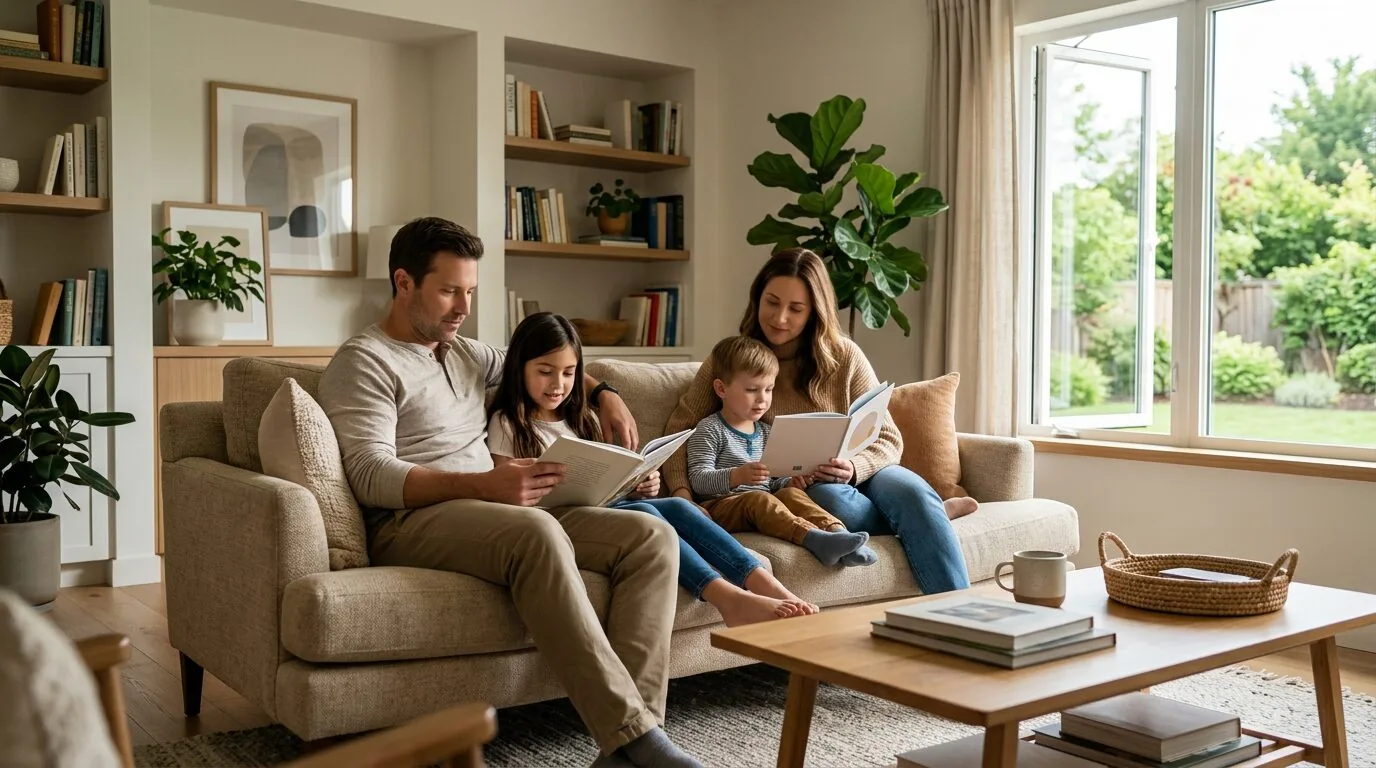
Clean indoor air is crucial for families because it directly impacts children’s developing bodies, reduces allergy and asthma triggers, and creates a healthier, more productive home environment. The air inside our homes can be significantly more polluted than outdoor air, making proactive management essential for long-term wellness.
We often think of our homes as safe havens, but unseen pollutants can compromise that safety. For families, the stakes are higher as children are more vulnerable to air quality issues due to their higher breathing rates and developing systems. This guide explores the tangible reasons why prioritizing indoor air quality is one of the most important investments you can make in your family’s health.
The Hidden Pollutants in Family Homes
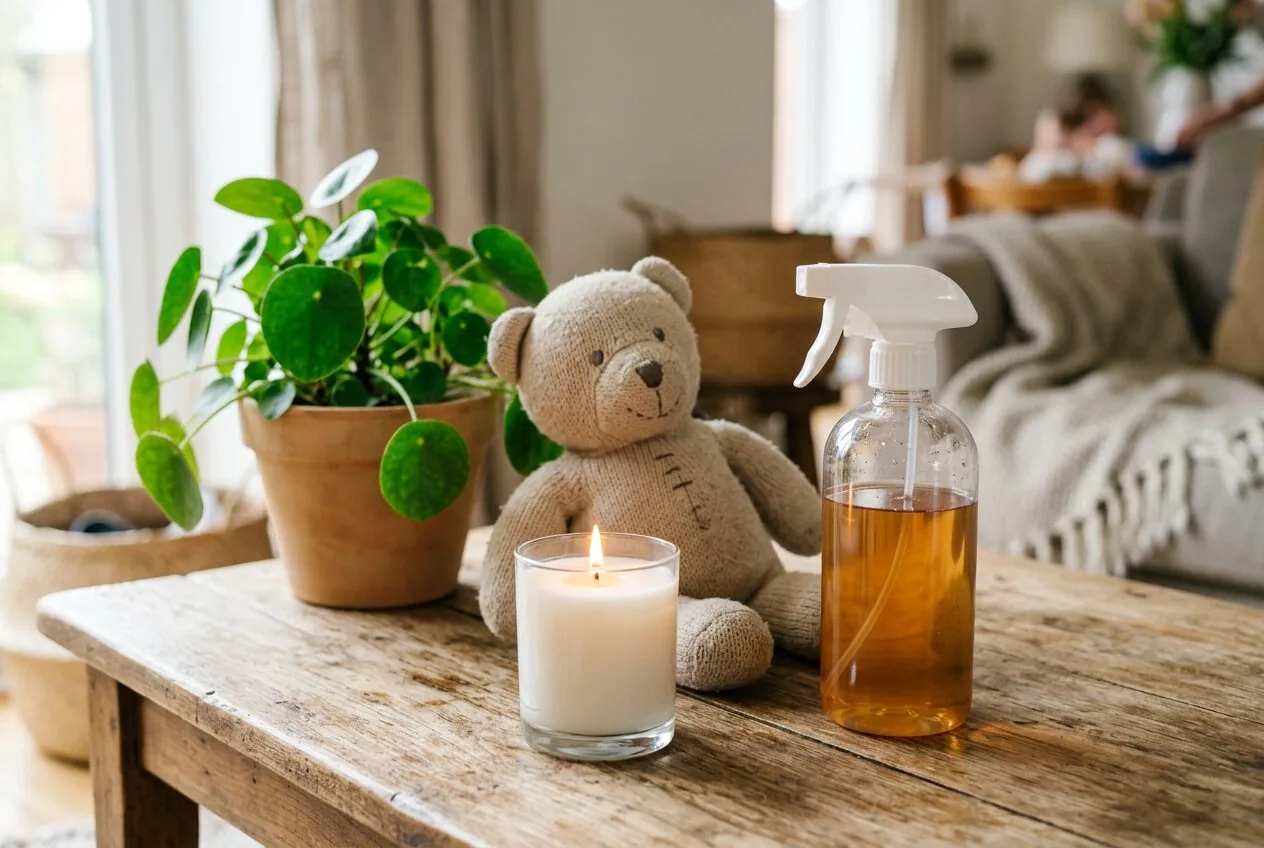
Many families are unaware of the common pollutants that accumulate indoors. These aren’t just dust bunnies under the sofa—they’re microscopic particles that can affect health over time. Understanding what you’re dealing with is the first step toward cleaner air.
Common Indoor Air Contaminants
- Particulate Matter (PM2.5/PM10): Tiny particles from cooking, candles, fireplaces, and outdoor pollution that seep inside. These can penetrate deep into lungs.
- Volatile Organic Compounds (VOCs): Gases emitted from cleaning products, paints, furniture, and building materials. Some VOCs can cause headaches and respiratory irritation.
- Biological Contaminants: Mold spores, pet dander, dust mites, and pollen that trigger allergies and asthma attacks.
- Carbon Dioxide (CO2): Builds up from human breathing in poorly ventilated spaces, causing drowsiness and reduced concentration.
Children spend up to 90% of their time indoors, making their exposure to these pollutants particularly concerning. Their developing respiratory systems process more air relative to their body weight than adults, meaning they inhale more pollutants per pound.
Health Impacts on Family Members
The connection between indoor air quality and family health is well-documented. Poor air doesn’t just cause temporary discomfort—it can have lasting effects, especially on children whose bodies are still developing.
Immediate and Long-Term Effects
In the short term, poor indoor air quality can trigger allergy symptoms, asthma attacks, headaches, fatigue, and difficulty concentrating. For children with existing respiratory conditions, these effects can be particularly severe. Studies show that children in homes with better air quality have fewer sick days from school and perform better academically.
Long-term exposure to indoor pollutants has been linked to more serious health concerns. Research suggests connections between prolonged exposure to certain indoor contaminants and the development of respiratory diseases, cardiovascular issues, and even cognitive decline later in life. While more research is needed in some areas, the precautionary principle suggests that reducing exposure is wise, especially for vulnerable family members.
Practical Benefits Beyond Health
While health is the primary concern, cleaner indoor air offers additional benefits that improve daily family life. These practical advantages make the effort to improve air quality worthwhile on multiple levels.
Enhanced Comfort and Wellbeing
Cleaner air simply makes your home more pleasant. It reduces musty odors, minimizes dust accumulation on surfaces (meaning less frequent cleaning), and creates a fresher overall atmosphere. Many families notice that their homes feel more inviting when the air is clean.
Better Sleep and Productivity
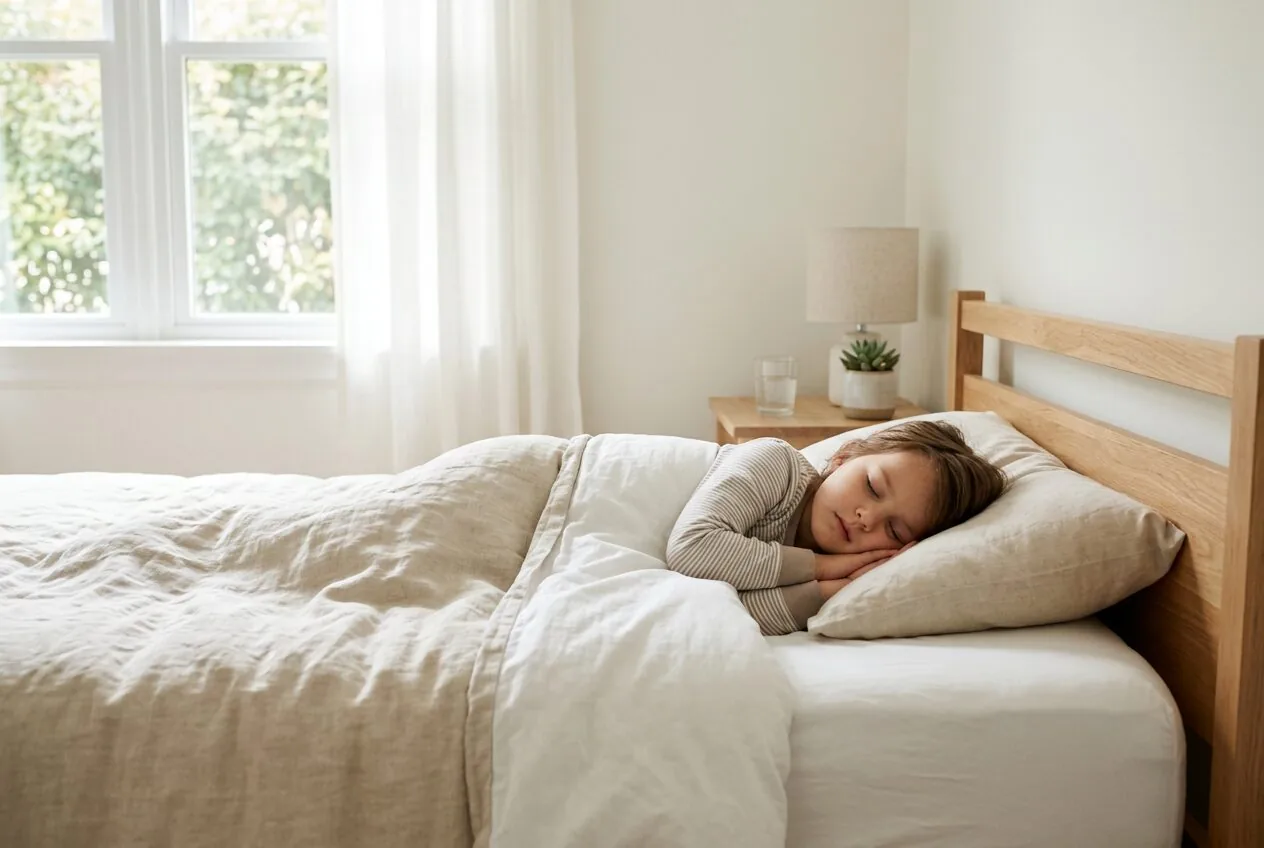
Reduced allergens and pollutants can lead to better sleep quality for the whole family. When children (and parents) aren’t dealing with nighttime congestion or allergy symptoms, everyone rests more soundly. This improved sleep translates to better focus during the day—whether for schoolwork, remote work, or daily tasks.
How to Improve Your Family’s Indoor Air
Fortunately, improving indoor air quality doesn’t require drastic measures. Several practical strategies can make a significant difference in your home environment.
Source Control and Ventilation
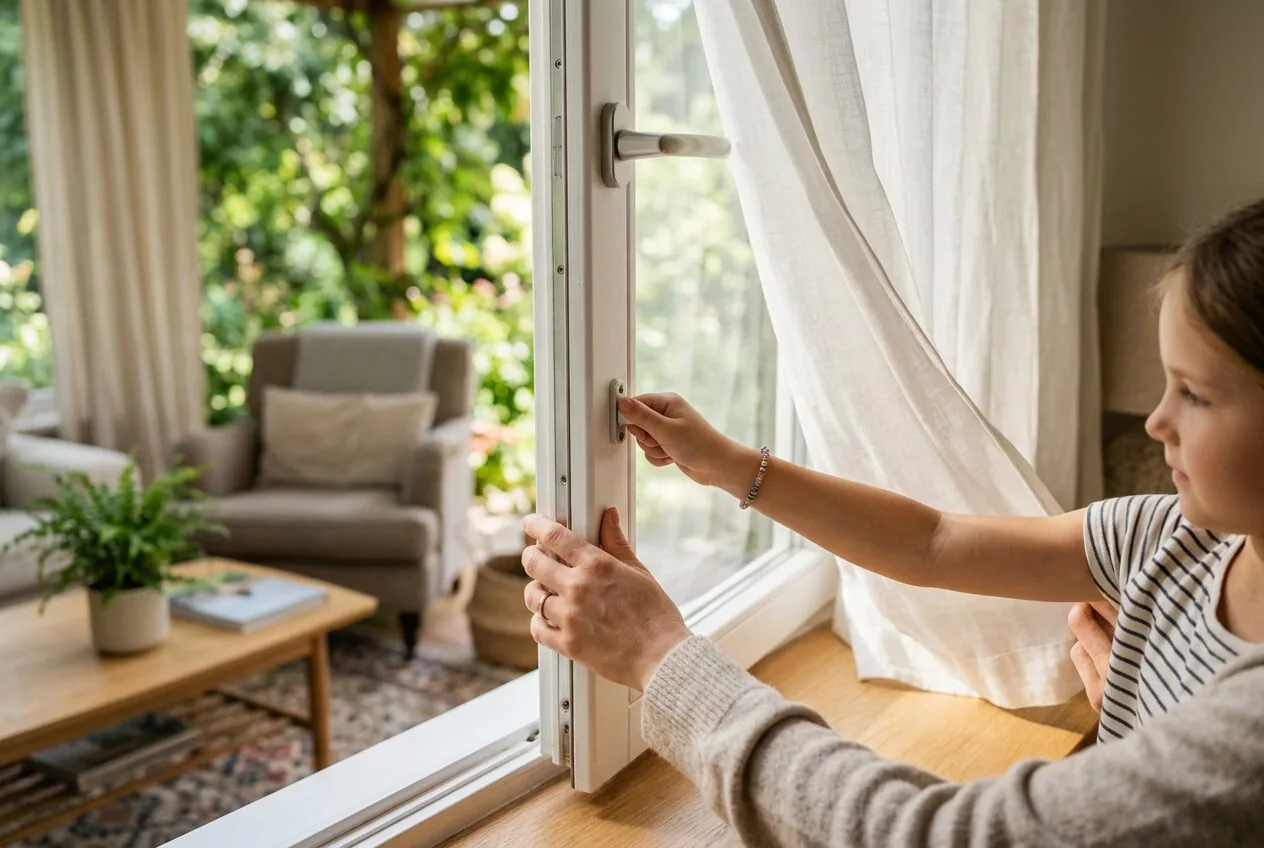
- Increase ventilation: Open windows when weather and outdoor air quality permit, especially during and after activities that generate pollutants (like cooking or cleaning).
- Use exhaust fans: Always use kitchen and bathroom exhaust fans to remove moisture and pollutants at their source.
- Choose low-VOC products: Opt for paints, cleaning supplies, and furnishings labeled as low-VOC when possible.
- Control humidity: Maintain indoor humidity between 30-50% to discourage mold growth and dust mites.
- Regular cleaning: Vacuum with a HEPA-filter vacuum cleaner, dust with damp cloths, and wash bedding regularly in hot water.
When to Consider Air Purification
For many families, especially those with allergy sufferers or in areas with poor outdoor air quality, an air purifier can be a valuable tool. Air purifiers with true HEPA filters can effectively remove airborne particles like pollen, pet dander, and dust mite allergens. For smaller spaces like bedrooms, compact units like the AromaRoom Air Purifiers for Bedroom with 3-in-1 can provide targeted purification where your family sleeps.
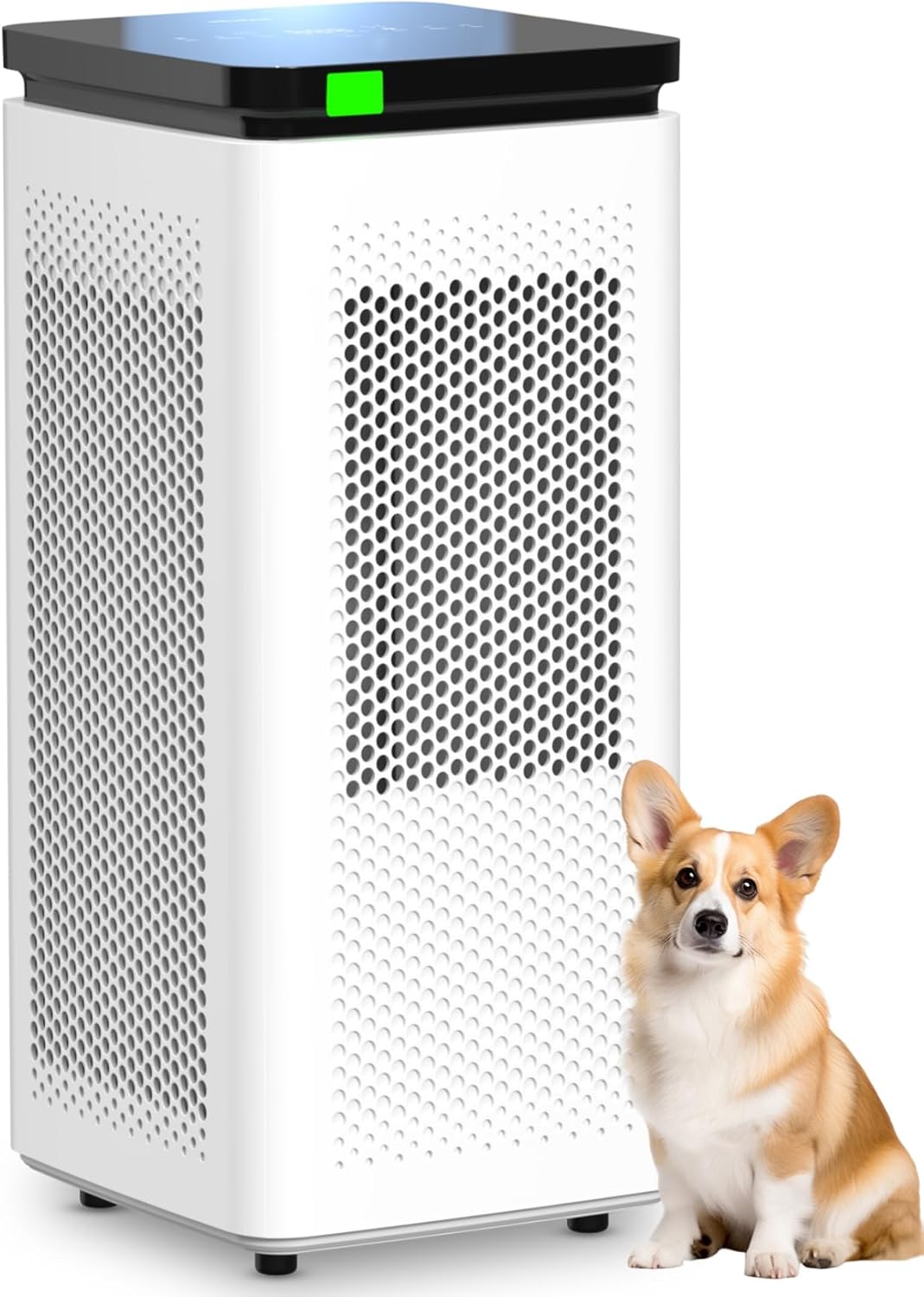
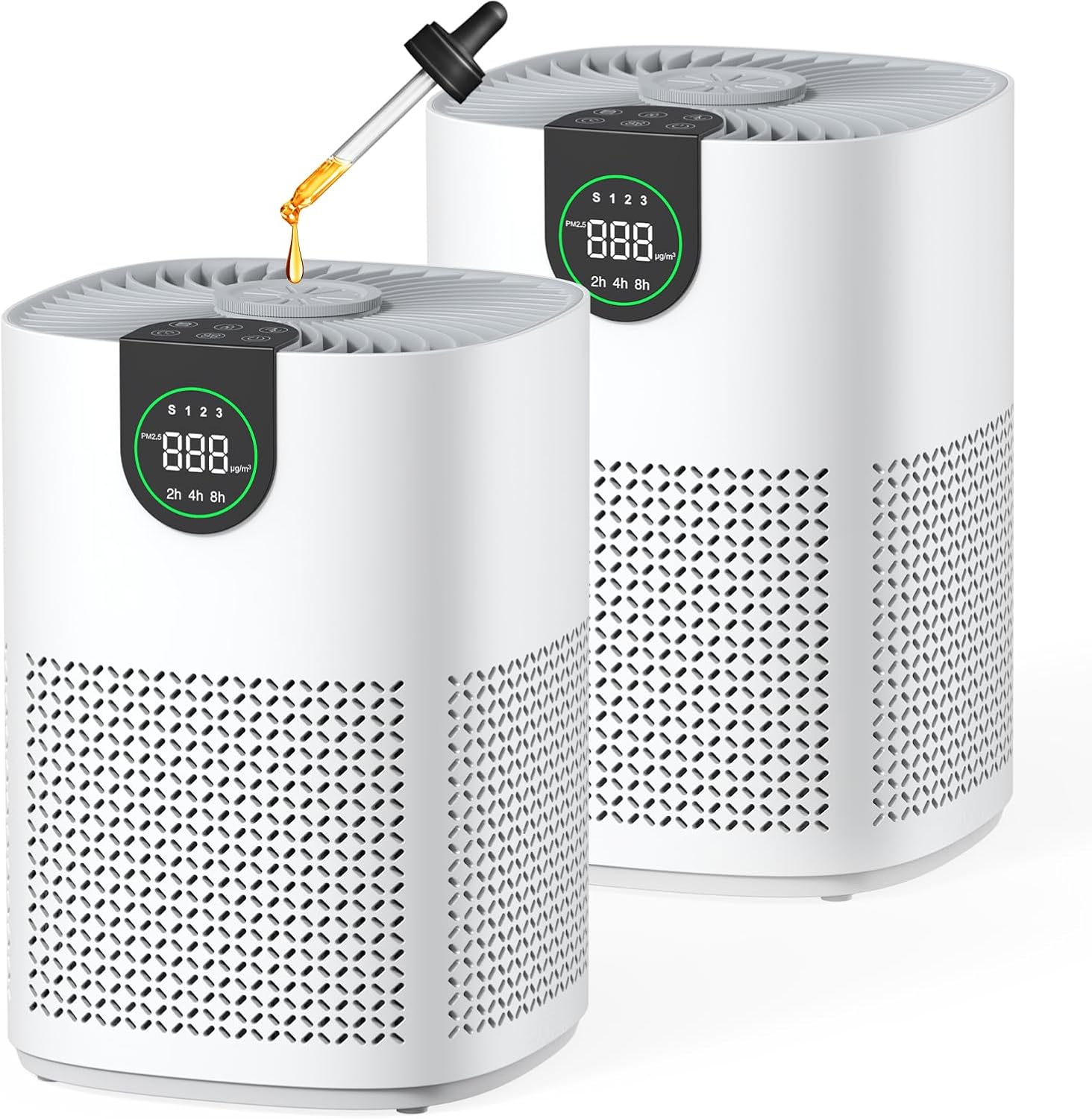
For larger living areas or open floor plans, you’ll need a purifier with sufficient coverage. The Hepa Air Purifiers for Home up to 3500 Ft² is designed to handle substantial spaces, making it suitable for family rooms or combined living areas. If you need to purify multiple rooms economically, consider options like the VEWIOR 2 Pack Air Purifiers with Washable Filter which offers flexibility for placing units in different family spaces.
Recommended Products
When choosing tools to improve your family’s air quality, consider products that match your specific needs and space requirements. The following options represent different approaches to air purification that families might find helpful.

As an Amazon Associate we earn from qualifying purchases. Product prices and availability are accurate as of the date/time indicated.
Frequently Asked Questions
How does indoor air quality affect children differently than adults?
Children are more vulnerable because their respiratory systems are still developing, they breathe more air per pound of body weight, and they often play closer to the floor where some pollutants settle. This increased exposure during development can have more significant long-term effects compared to adults with fully developed systems.
Can houseplants really clean indoor air?
While some studies show certain plants can remove limited amounts of specific pollutants under laboratory conditions, you would need an impractical number of plants to significantly improve air quality in a typical home. Plants are wonderful for wellbeing but shouldn’t be relied upon as a primary air cleaning method. For more on what actually reduces contaminants, see our guide on u003ca href=u0022https://airpurifierguides.com/can-air-purifiers-reduce-airborne-contaminants/u0022u003eairborne contaminant reductionu003c/au003e.
What are the most important rooms to keep clean air in?
Prioritize bedrooms where your family spends concentrated hours sleeping, and living areas where you spend the most waking hours. Kitchens and bathrooms are also important due to moisture and cooking pollutants. For seniors who may spend more time in specific rooms, consider their particular needs as discussed in our article on u003ca href=u0022https://airpurifierguides.com/air-purifiers-and-air-quality-for-seniors/u0022u003eair quality for seniorsu003c/au003e.
How often should I change my HVAC filter for better air quality?
For most families, changing standard HVAC filters every 90 days is sufficient, but during high-use seasons (summer and winter) or if you have pets or allergies, changing every 60 days is better. Use filters with a MERV rating of 8-13 for optimal balance of filtration and airflow.
Are there specific concerns for families living in newer, energy-efficient homes?
Yes, newer airtight homes have less natural ventilation, which can allow pollutants to build up more quickly. These homes benefit particularly from mechanical ventilation systems, regular air exchange, and potentially air purifiers. Proper ventilation is crucial, as explained in our overview of u003ca href=u0022https://airpurifierguides.com/indoor-air-quality-facts-homeowners-should-know/u0022u003eindoor air quality facts for homeownersu003c/au003e.
Whatu0026#039;s the relationship between cleaning products and indoor air quality?
Many conventional cleaning products release VOCs that can irritate airways and contribute to poor indoor air. Opt for fragrance-free, plant-based, or certified green cleaning products, and ensure good ventilation when cleaning. Never mix cleaning chemicals, as this can create dangerous gases.
Final Thoughts
Clean indoor air matters for families because it protects your most valuable asset—your health. While the topic might seem technical, the actions needed are often simple: better ventilation, mindful product choices, regular cleaning, and sometimes targeted air purification. The cumulative effect of these practices creates a home environment where your family can thrive rather than just cope with avoidable pollutants.
Remember that improving air quality is a journey, not a single purchase or action. Start with one or two changes that fit your family’s lifestyle and budget, whether that’s using exhaust fans consistently, choosing a low-VOC paint for your next project, or placing an air purifier in a frequently used room. Each step contributes to creating the healthy home foundation your family deserves. For more practical guidance on managing specific air quality challenges, explore our complete blog for additional resources.
About the author
Editor at AirPurifierGuides.com. Emily has a background in professional communication and has worked with several health and technology publications. She edits our content for accuracy and answers reader questions about air quality.