What Is Clean Air Delivery Rate (CADR) and Why It Matters
Clean Air Delivery Rate (CADR) is a standardized measurement that tells you how effectively an air purifier removes dust, pollen, and smoke from the air. Understanding this number is key to choosing the right purifier for your room size and needs.
 By Sarah Jenkins
Updated October 17, 2026
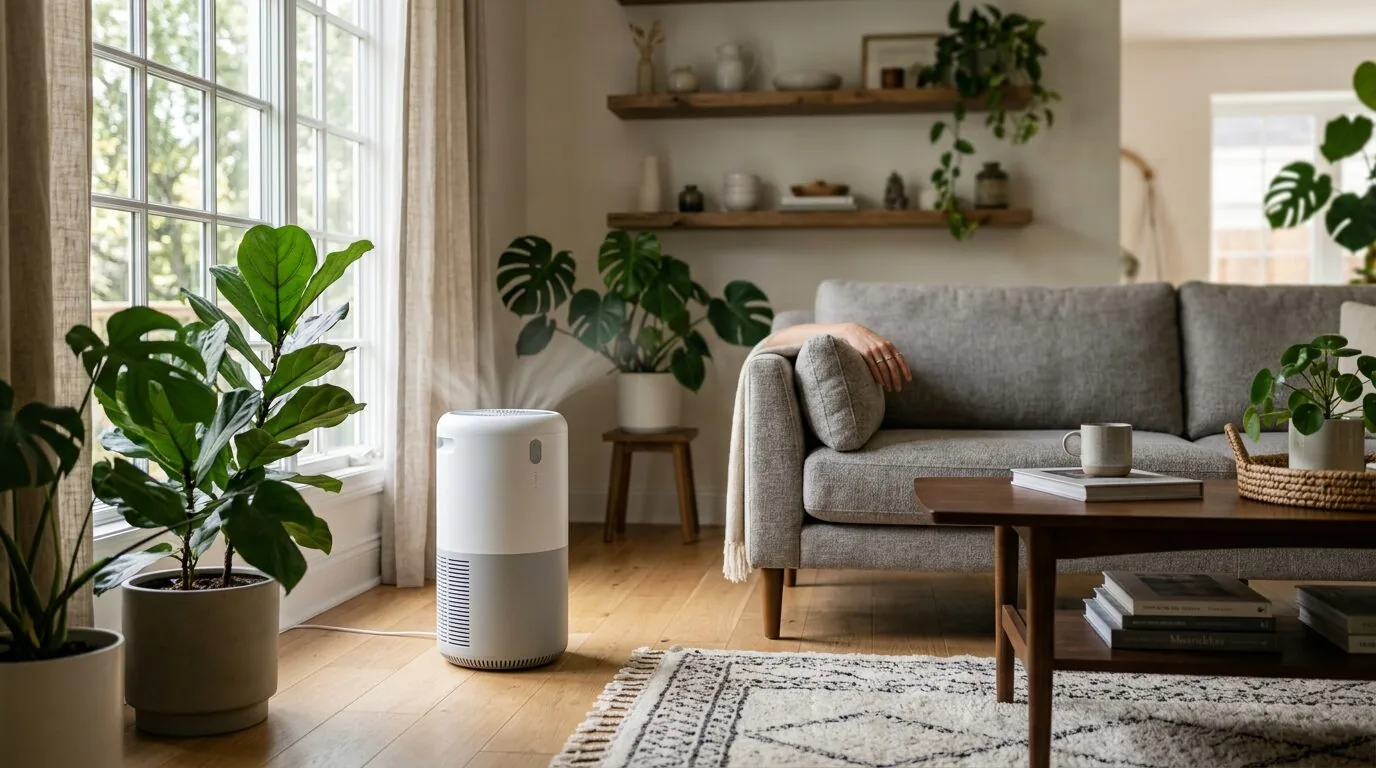
Clean Air Delivery Rate (CADR) is a measurement of how much clean air an air purifier delivers, expressed in cubic feet per minute (CFM). It’s a standardized test developed by the Association of Home Appliance Manufacturers (AHAM) that rates a purifier’s effectiveness at removing three specific pollutants: tobacco smoke, pollen, and dust. A higher CADR means the unit can clean the air in a room more quickly.
The concept of CADR can feel technical, but it’s arguably the most important number on an air purifier’s box. It moves beyond vague marketing claims and gives you a concrete, comparable figure to judge performance. Think of it like the horsepower rating for a car’s engine—it tells you the raw cleaning power you’re getting.
How CADR is Measured and Certified
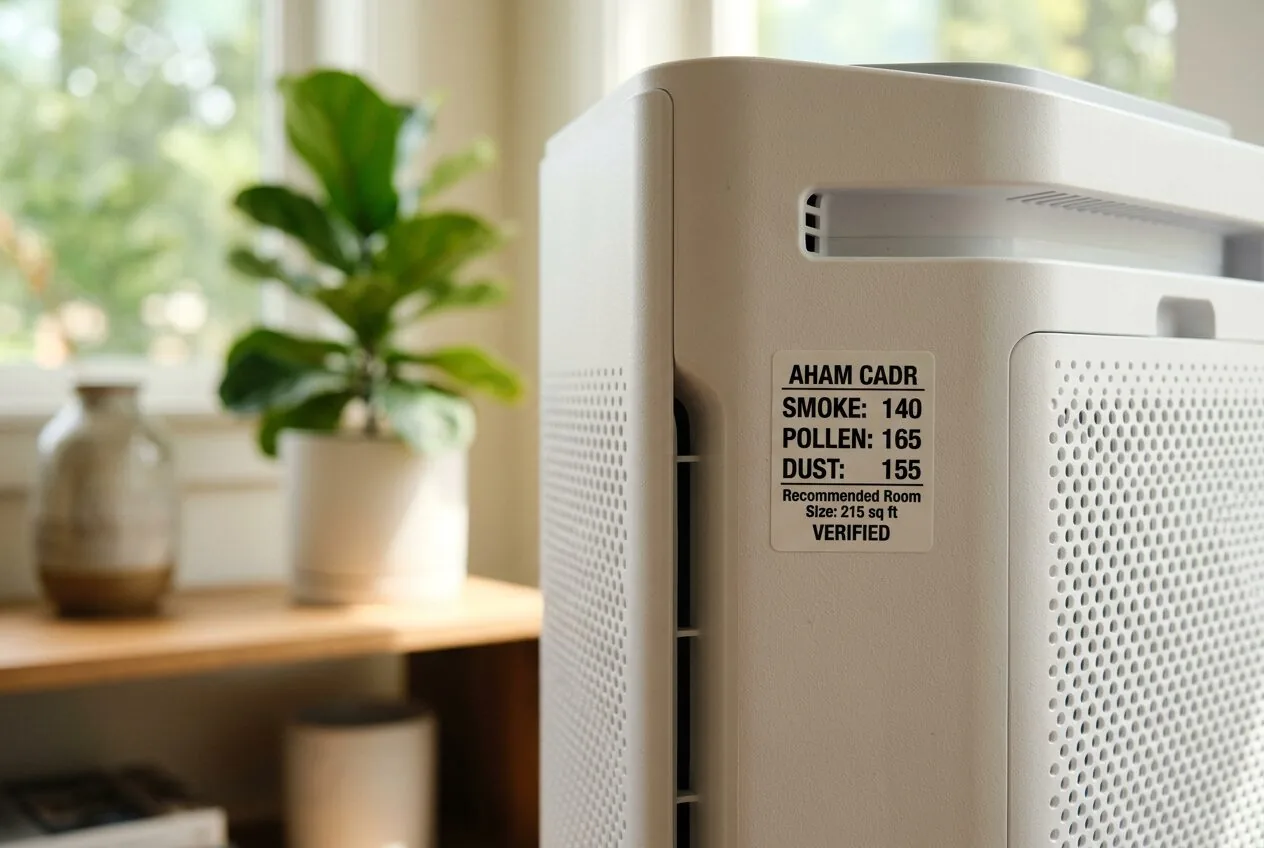
To earn an AHAM CADR certification, an air purifier undergoes rigorous testing in a controlled chamber. The test measures how quickly the unit reduces the concentration of standardized particles. The key is that the test is done for each pollutant type separately, resulting in three numbers: a smoke CADR, a pollen CADR, and a dust CADR.
These particles are chosen because they represent different sizes. Smoke particles are the smallest (around 0.09 to 1 micron), pollen is mid-sized, and dust is the largest. A purifier that filters smaller particles effectively will generally also filter larger ones, which is why the smoke CADR is often the lowest of the three numbers. The overall CADR rating you see advertised is typically the lowest of these three scores, representing the unit’s performance on the hardest-to-capture particles.
Why AHAM Certification Matters
Not all air purifiers display an AHAM CADR. Some manufacturers use their own, non-standardized tests or report a “maximum CADR” at the highest fan speed, which may be too loud for everyday use. The AHAM seal is your guarantee that the numbers were obtained through an independent, repeatable test. When shopping, look for the blue AHAM Verifide® seal on the packaging or product page; it includes the model’s certified CADR numbers and its suggested room size.
How to Use CADR to Choose the Right Air Purifier
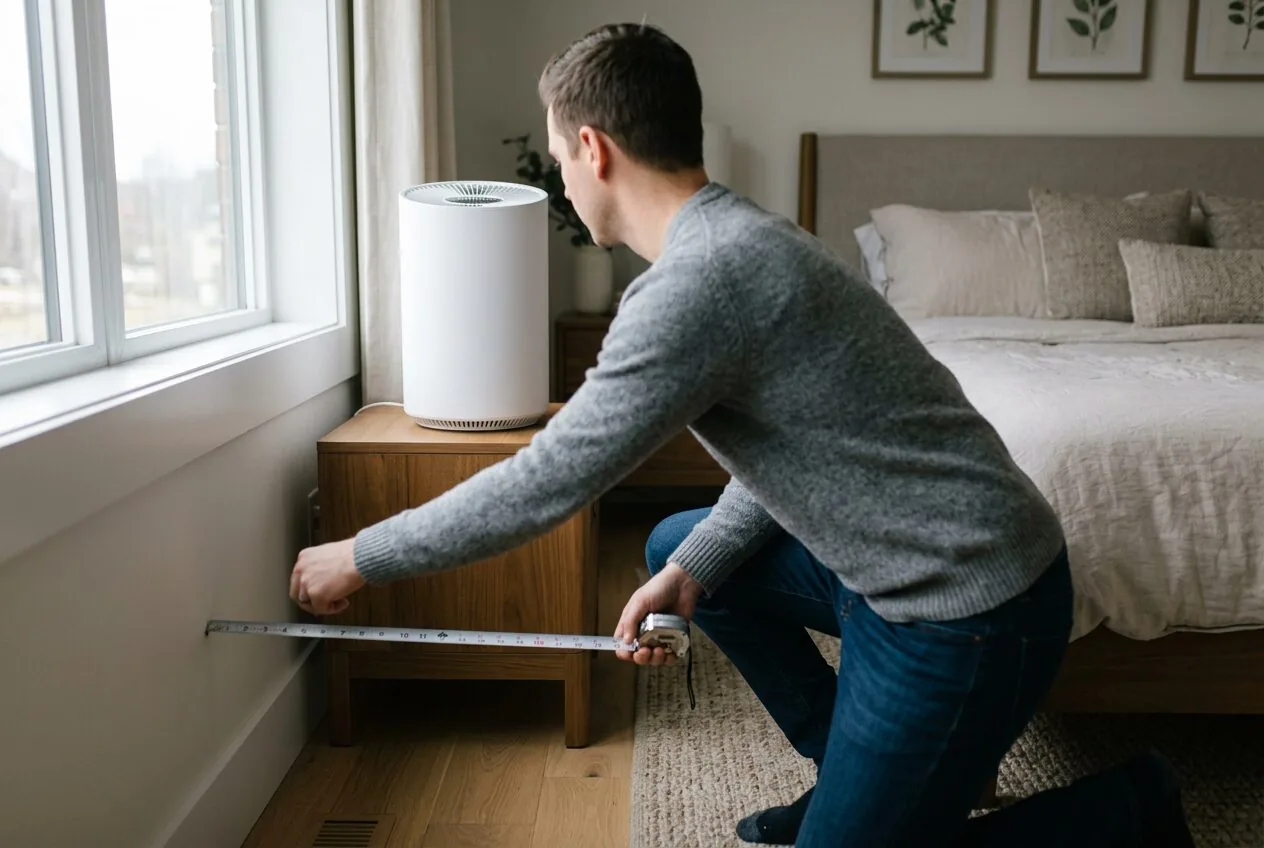
The primary use of CADR is to match an air purifier’s power to your room’s size. AHAM provides a simple formula: for adequate cleaning, choose a purifier with a CADR at least two-thirds of your room’s square footage. For example, a 300-square-foot room needs an air purifier with a CADR of at least 200 (300 x 2/3 = 200).
For optimal performance, especially for allergy or asthma sufferers, aim for a CADR equal to the room’s area. A 300-square-foot room would ideally use a purifier with a 300 CADR. This ensures the unit can exchange the air in the room multiple times per hour, even on a medium setting, keeping pollutant levels consistently low. An undersized purifier will run constantly on high speed, potentially wearing out faster and creating more noise, while still struggling to clean the air effectively.
Considering Your Specific Needs
Look at the individual CADR scores if you have a specific concern. If pollen is your main trigger, prioritize a model with a high pollen CADR. For wildfire smoke or reducing odors from cooking, focus on the smoke CADR. For general dust reduction, the dust CADR is most relevant. Our article on can air purifiers remove kitchen smoke delves deeper into tackling cooking pollutants.
The Limitations of CADR
While CADR is essential, it doesn’t tell the whole story. It only measures performance against three particulate pollutants. It does not rate a purifier’s effectiveness against gases, volatile organic compounds (VOCs), odors, or ultrafine particles below 0.1 microns. For these, you need to look for additional filtration technologies, like substantial activated carbon filters.
CADR also says nothing about energy efficiency, noise levels at various speeds, or long-term costs like energy consumption of air purifiers. A unit with a high CADR might be very loud on its highest setting, making it impractical for bedrooms. Always check the CADR at a medium or “quiet” setting if that’s how you plan to use it most often.
CADR vs. Other Specifications
It’s easy to confuse CADR with other common air purifier specs. Here’s how they differ:
| Specification | What It Measures | Relation to CADR |
|---|---|---|
| Air Changes per Hour (ACH) | How many times the purifier can filter the entire volume of air in a room in one hour. | CADR is used to calculate ACH. A higher CADR leads to a higher ACH for a given room size. |
| Room Size (sq. ft.) | The maximum area the manufacturer claims the unit can cover. | This claim should be based on the CADR. Use the CADR-to-room-size formula to verify the claim. |
| CFM (Cubic Feet per Minute) | The fan’s raw airflow, measuring how much air it moves. | CADR is a subset of CFM. It’s the clean air delivered, not just air moved. A high CFM with a poor filter yields a low CADR. |
| HEPA Filter | A filter standard that captures 99.97% of particles 0.3 microns in size. | A HEPA filter is the technology that enables a high CADR, especially for smoke and dust. It’s the engine, CADR is the horsepower. |
Recommended Products
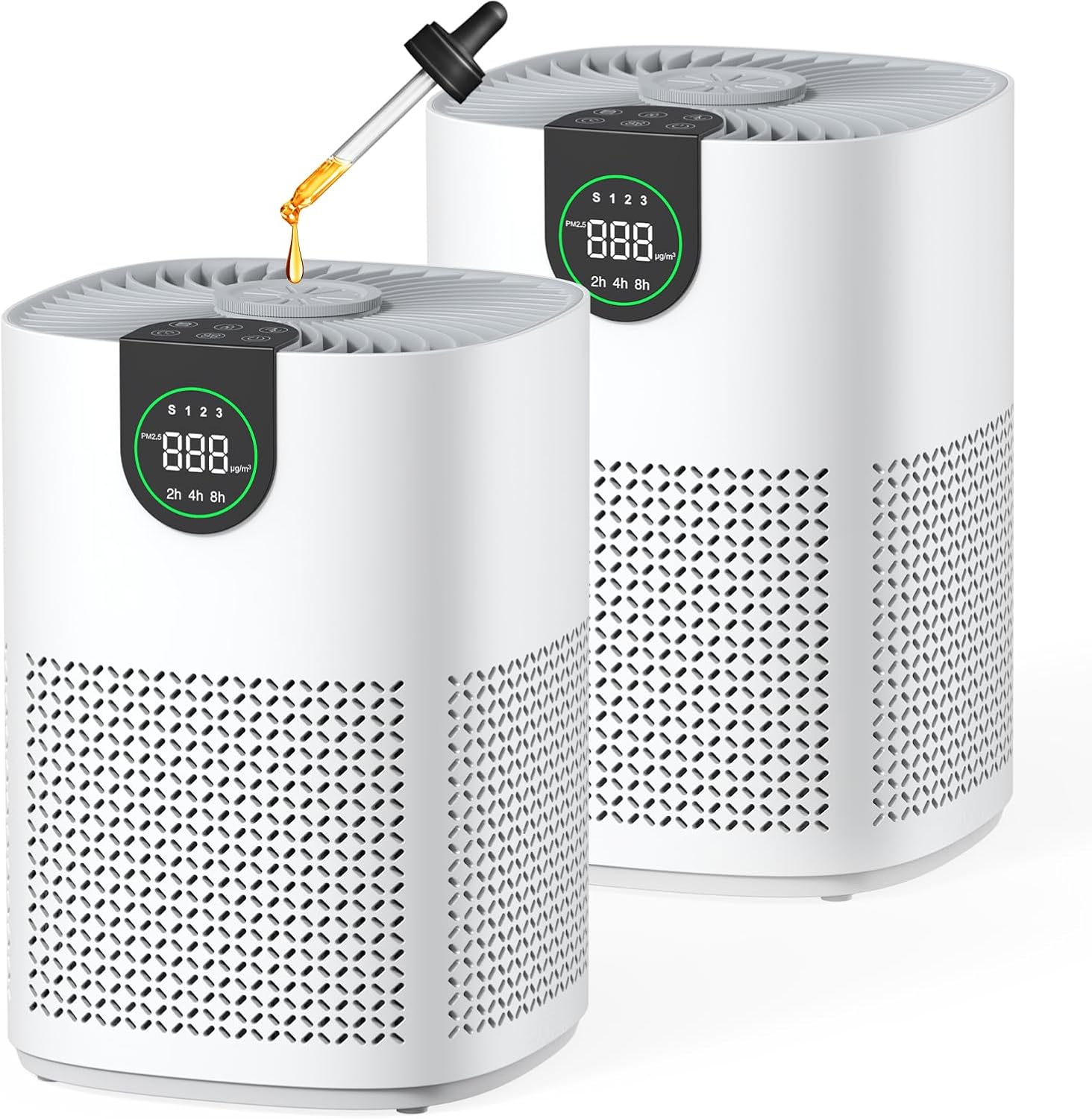
When choosing an air purifier, matching the CADR to your room is the first step. The following purifiers offer clear CADR ratings suitable for different spaces, from personal use to larger rooms. For more options, browse our full collection of air purifier reviews.


As an Amazon Associate we earn from qualifying purchases. Product prices and availability are accurate as of the date/time indicated.
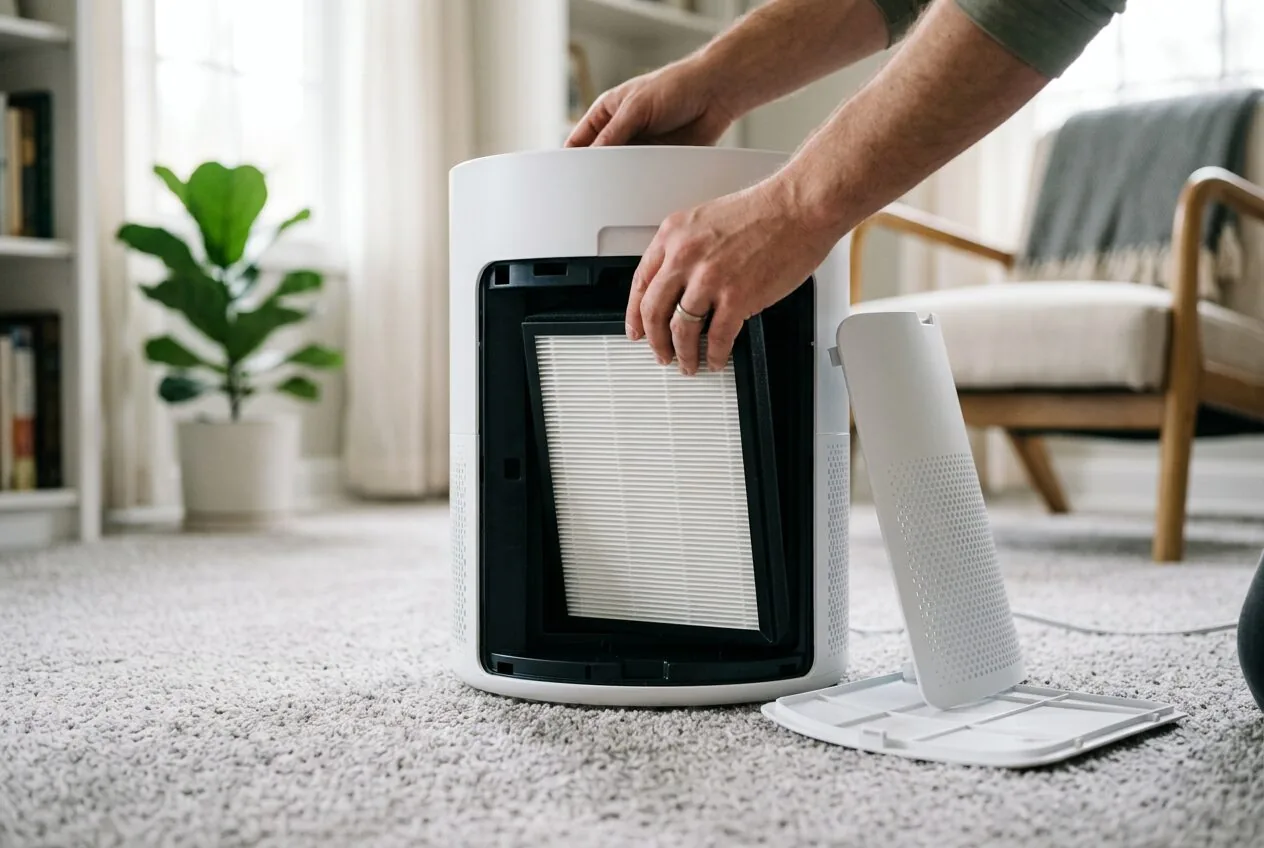
For smaller spaces or personal use, a model like the Purivortex Air Purifiers for Bedroom can be a cost-effective choice. For those who want to minimize maintenance, the Shark NeverChange Detect iQ MAX with BreatheClear offers a long-lasting filter. Remember, a key part of maintaining any purifier’s CADR is replacing the filter on schedule, and compatible options like the 2 PACK 2801 Replacement Filter Compatible can help manage long-term costs.
Frequently Asked Questions
Is a higher CADR always better?
Not necessarily. A CADR higher than needed for your room size is overkill and usually means a larger, more expensive, and potentially noisier unit. The goal is to match the CADR to your room size for efficient, quiet operation. Using an oversized purifier in a small room is like using a industrial fan to cool a closet.
Can I use CADR to compare air purifiers with different filter types?
Yes, that’s one of CADR’s main strengths. It allows you to compare the end result—clean air delivered—regardless of whether the purifier uses a HEPA filter, an electrostatic filter, or another technology. It measures output performance, not just the filter’s theoretical efficiency.
Why donu0026#039;t all air purifiers have a CADR rating?
Manufacturers are not required to have their products AHAM-certified. Some may avoid it because their units perform poorly in the standardized test, or they may use alternative, often less rigorous, metrics. The absence of an AHAM CADR is a red flag, and you should be extra cautious about the manufacturer’s performance claims.
Does CADR tell me how well it removes viruses or bacteria?
Indirectly. Viruses and bacteria are often carried on larger particles like respiratory droplets (which are in the size range captured by HEPA filters). A high smoke CADR indicates good filtration of very small particles, suggesting effectiveness against some airborne microbes. However, CADR is not a direct measure of antimicrobial reduction.
How does room layout affect CADR?
CADR assumes an open, standard 8-foot ceiling. High ceilings, closed doors, or lots of furniture can impede airflow and reduce effective cleaning. For open floor plans, calculate based on the entire area. For rooms with obstructions, you may want to choose a purifier with a CADR slightly above the recommended minimum for your square footage.
Does running an air purifier continuously affect its CADR?
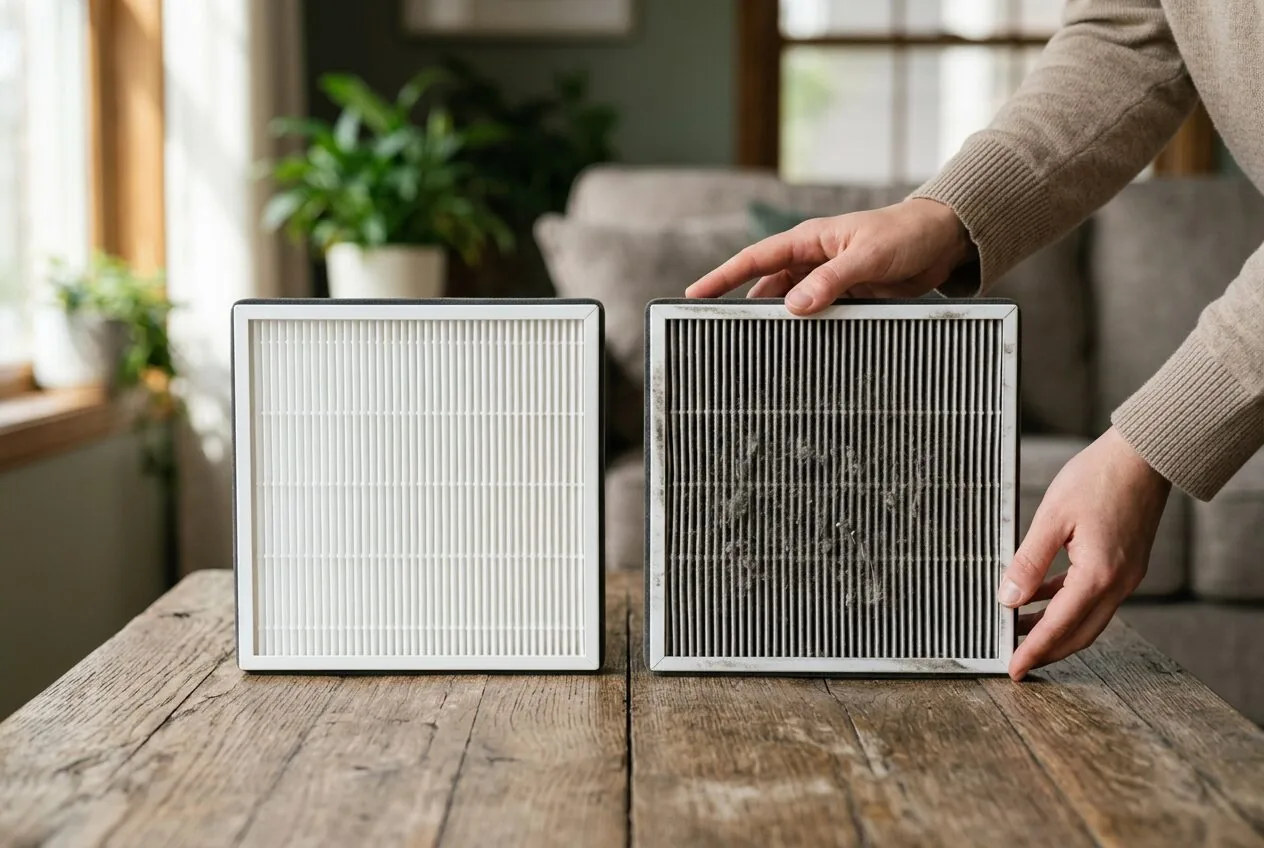
Over time, as the filter loads with particles, the CADR will decrease because airflow is restricted. This is why regular filter replacement or cleaning is crucial to maintain the unit’s rated performance. Running a dirty filter not only reduces CADR but can also strain the fan motor. Learn more about the u003ca href=u0022https://airpurifierguides.com/air-purifiers-and-continuous-operation-benefits/u0022u003ebenefits and considerations of continuous operationu003c/au003e.
Final Thoughts
Clean Air Delivery Rate is the cornerstone of intelligent air purifier shopping. It cuts through the marketing hype and provides a reliable, apples-to-apples comparison of a unit’s core cleaning power. By understanding how to match CADR to your room size and considering it alongside factors like noise, filter costs, and additional features, you can make a confident choice that will actually improve your indoor air quality.
Always start your search by calculating the minimum CADR you need. Look for the AHAM seal to ensure the numbers are trustworthy, and remember that CADR is a powerful tool for sizing, but not the only factor in a comfortable and effective clean air solution. For further guidance on selecting the right features for your home, our buying guides offer detailed advice.
About the author
Lead content creator at AirPurifierGuides.com. Sarah is a senior product researcher in health-tech with years of experience testing smart home and HVAC devices. She writes most of our reviews, CADR comparisons, and filter analyses.