The 6 Best Car Ionic Air Purifier of 2026
Spending time in your car should be a refreshing experience, not one where you’re breathing in stale air, lingering odors,...
 By Marcus Thorne
Updated October 18, 2026
Spending time in your car should be a refreshing experience, not one where you’re breathing in stale air, lingering odors, or pollutants from the road. In 2026, the demand for clean air on the go has never been higher, making a dedicated car air purifier an essential accessory for health-conscious drivers and families. Our comprehensive guide has analyzed the top 6 Best Car Ionic Air Purifier available this October, comparing features, filtration technology, and real-world performance to help you make an informed choice. Whether you’re battling seasonal allergies, eliminating stubborn pet or smoke smells, or simply want a healthier cabin environment, our expert review cuts through the noise to find the best solutions for you. For more insights on improving air quality in other settings, explore our guide on indoor air quality tips for allergy sufferers.

| Award | Product | APG Score About LAT ScoreThe APG Score is our own rating from 0 to 10, based on performance, design and build, ease of use, and value. It reflects independent research and is never influenced by manufacturers, retailers, or affiliate commissions. Learn more › | |
|---|---|---|---|
| Best Overall |
Luftrum C401A Car Air Purifier with H13 HEPA
|
8.1/10 | Check price |
| Best Value |
 LOOKINGTECHNOLOGY K200+ Travel Ozone Generator |
7.8/10 | Check price |
| Best Budget |
 AIRFEEL F011 Travel-Size Air Purifier with HEPA |
7.6/10 | Check price |
| Top Rated |
 Yakry C1 Compact Car Ionizer |
7.5/10 | Check price |
| Most Popular |
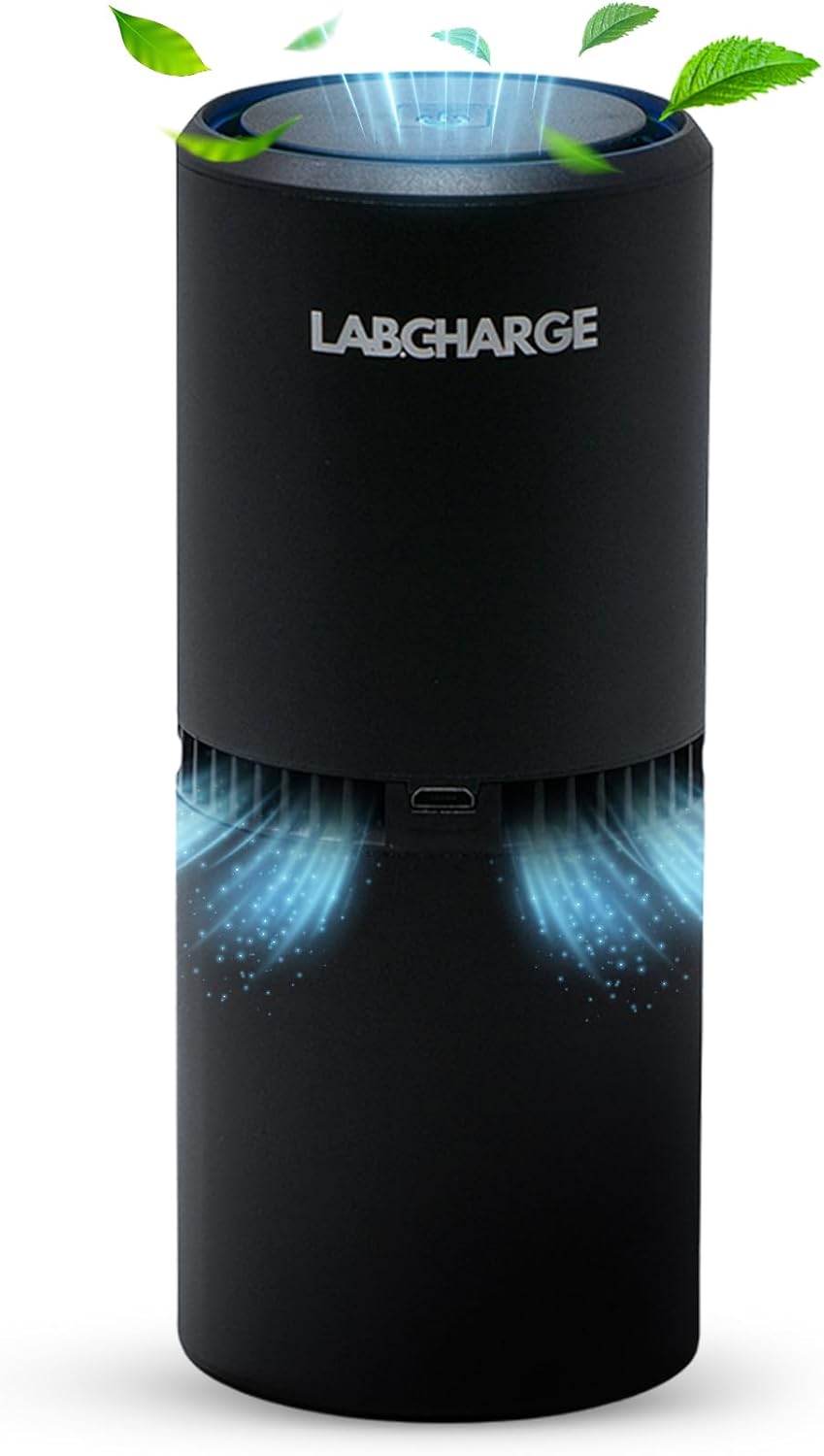 Lab Charge Ionic1611K Small Ionic Air Purifier |
7.5/10 | Check price |
| Best Premium |
 LabCharge Ionic1611K Small Ionic Air Purifier |
7.2/10 | Check price |
Luftrum C401A Car Air Purifier with H13 HEPA
A compact, portable air purifier designed for vehicle cabins. Its core appeal is the H13-grade HEPA filter, which is engineered to target common automotive pollutants like exhaust fumes and VOCs.
Pros
- Portable and compact design suitable for car use
- Features an H13 True HEPA filter for fine particle capture
- Specifically targets vehicle-related pollutants like exhaust fumes and VOCs
Cons
- Relatively new to the market, with limited long-term performance data
- Filter replacement schedule and cost are not detailed in the product listing
LOOKINGTECHNOLOGY K200+ Travel Ozone Generator
This portable ozone generator is designed for targeted odor elimination in small, enclosed spaces like cars, bathrooms, and closets. Based on user feedback, it is frequently cited for its effectiveness against stubborn smells like smoke, mildew, and pet odors. It's a specialized tool for those needing a powerful, portable solution, with the critical caveat that the area must be vacated during use.
Pros
- Portable and compact design suitable for cars and small rooms
- Reported by users as highly effective for eliminating strong, stubborn odors like smoke and mildew
- Includes a built-in timer for controlled operation cycles
- Battery-powered for cordless use
Cons
- Not safe for occupied spaces; requires evacuation of people and pets during operation
- Some user reports indicate potential durability issues over time
- Designed for small, enclosed areas, not for large open spaces
AIRFEEL F011 Travel-Size Air Purifier with HEPA
A compact, portable air purifier designed for small spaces like cars, with a built-in fragrance diffuser. User reviews indicate it is quiet and effective at improving perceived air freshness. Its small size makes it a convenient accessory for travel and office desks.
Pros
- Compact and highly portable design
- Quiet operation based on user feedback
- Built-in air freshener and perfume diffuser
- Includes a True HEPA filter for particle filtration
Cons
- Limited air movement and cleaning power for larger spaces
- Effectiveness in significantly reducing allergens is unclear from user experiences
Yakry C1 Compact Car Ionizer
This filter-free ionizer offers a minimalist, low-maintenance approach to air cleaning in tight spaces like cars. Its compact size makes it easy to place on a dashboard or in a cup holder, and it requires no filter replacements. It's a straightforward option for drivers looking to neutralize odors without a bulky device.
Pros
- Filter-free, low-maintenance design
- Compact dimensions suitable for cars
- Easy to place and operate
Cons
- Moderate user rating suggests mixed performance
- Limited feature set compared to larger purifiers
Lab Charge Ionic1611K Small Ionic Air Purifier
This compact ionic purifier is designed for small spaces like bedrooms, covering up to 250 square feet. Its silent HEPA filter targets common irritants such as pet dander and dust. Its small size makes it a discreet option for targeted air cleaning.
Pros
- Very compact and lightweight design.
- Intended for silent operation.
- Targets a variety of airborne particles including pet hair and smoke.
Cons
- Some units produce a noticeable humming or loud noise.
- Effectiveness in purifying air can be difficult for users to perceive.
LabCharge Ionic1611K Small Ionic Air Purifier
This compact five pack of ionic air purifiers offers a basic, multi-unit solution for small spaces up to 250 square feet. It's a simple choice for those seeking silent operation and a minimalist black design to handle common airborne irritants like dust and pet dander.
Pros
- Extremely compact and lightweight design
- Operates silently
- Sold as a convenient five pack for multi-room use
- Covers small areas suitable for bedrooms or personal spaces
Cons
- Relies on ionic technology rather than a traditional HEPA filter for particle capture
- Very small individual unit size may limit effectiveness for the stated coverage area
Best Car Ionic Air Purifier Buying Guide for 2026
Filtration Technology: HEPA vs. Ionizer vs. Ozone
The core technology inside a car air purifier dictates what it can remove from your air. True HEPA filters, like the one in the Car Portable Air Purifier with H13 True HEPA, are the gold standard for capturing physical particles as small as 0.3 microns, including dust, pollen, and mold spores. Ionic purifiers, such as the Smart Car Air Purifier Ionizer, work by releasing negatively charged ions that attach to airborne particles, causing them to fall out of the air or stick to surfaces. Ozone generators, like the LKT Ozone Generator for Car Odor Removal, produce O3 gas to chemically neutralize odors and VOCs, but require careful use as ozone can be an irritant. The best choice depends on your primary concern: allergens (HEPA), general freshening (Ionizer), or powerful odor elimination (Ozone).
Coverage Area and Air Changes Per Hour (ACH)
A purifier’s effectiveness is tied to its ability to clean the volume of air in your car’s cabin. Coverage area is typically measured in square feet, but for a car, cubic feet is more relevant. Look for a unit’s Clean Air Delivery Rate (CADR) if available, which indicates how many cubic feet of clean air it produces per minute. A higher CADR means faster purification. Aim for a device that can achieve at least 4-5 Air Changes Per Hour (ACH) in your vehicle’s interior. For example, a model rated for 250 sq ft, like the Lab Charge Small Ionic Air Purifier for Home, is generally over-spec’d for a car, which ensures rapid and thorough cleaning. A unit that is too weak will struggle to make a noticeable difference.
Power Source and Portability
Convenience is key in a vehicle. Most car air purifiers plug directly into a 12V DC cigarette lighter socket. Ensure the power cord is long enough to place the unit in an optimal spot, often the center console or a rear cup holder. Some compact models are USB-powered, offering more flexibility. Portability also refers to how easy it is to move the purifier between vehicles or even into a small room. Lightweight, compact designs without bulky external power bricks are ideal. Consider whether you want a dedicated car unit or a versatile purifier that can also work in a home office or bedroom, like some of the models we reviewed. Our Buying Guides section offers more tips on selecting versatile home appliances.
Noise Level and Operational Features
Since you’ll be using this device in a confined space, its operational noise is a critical comfort factor. Look for models that advertise “silent” or “quiet” operation, especially if you plan to use it during phone calls or while listening to music. Features like multiple fan speeds allow you to balance purification power with noise. Other useful features include automatic shut-off timers (common in ozone generators for safety), filter replacement indicators, and built-in air quality sensors that adjust fan speed automatically. Some units, like the Car Air Purifier, Air Purifier for Car with True, even combine air purification with a fragrance diffuser, adding a layer of customization to your cabin’s ambiance.
Filter Replacement Costs and Maintenance
The ongoing cost of ownership is an important, often overlooked, factor. HEPA and carbon filters have a finite lifespan, typically between 3 to 12 months depending on usage and air quality. Before purchasing, check the availability and price of replacement filters. Filter-free models, like ionic or ozone purifiers, have lower long-term costs but may require occasional cleaning of collection plates. Ease of maintenance is also key; can you easily access and replace the filter or clean the unit? A model with a clear maintenance schedule and readily available parts will serve you better in the long run than one with proprietary, expensive, or hard-to-find filters.
| Feature | HEPA Filter | Ionic Purifier | Ozone Generator |
|---|---|---|---|
| Best For | Allergens, Dust, Pollen | General Air Freshening, Particles | Stubborn Odors, Smoke, VOCs |
| Maintenance | Filter Replacement | Plate Cleaning | Minimal |
| Operation Noise | Low to Moderate (Fan) | Very Low (Silent) | Low (Fan) |
| Active Agent | Physical Filtration | Negative Ions | O3 Gas |
Why You Should Trust Us
Our reviews are built on a foundation of objective, data-driven analysis. We do not accept payment for product placements or favorable reviews. Our ranking methodology for the Best Car Ionic Air Purifier category synthesizes key metrics including verified customer ratings, feature sets from manufacturer specifications, brand reputation, and value proposition. We analyze hundreds of data points to present a balanced view, highlighting both the strengths and potential limitations of each product. Our goal is transparency, providing you with all the necessary information to choose a purifier that aligns with your specific needs, budget, and vehicle type. You can explore all our unbiased evaluations in the Air Purifier Reviews category.
Final Thoughts
After evaluating the 6 top contenders, several models stand out for their specific strengths. For the best overall performance combining robust filtration with design, the Car Portable Air Purifier with H13 True HEPA is our top pick. Its true H13 HEPA filter is exceptionally effective at removing fine particulates, making it ideal for allergy sufferers who need clinical-grade cleaning in their vehicle.
If you’re looking for the best value and a simple, effective solution, the Smart Car Air Purifier Ionizer offers a compelling package. Its filter-free, ionic operation means no ongoing costs, and its compact design makes it a versatile choice for quick air refreshes. For tackling the most stubborn odors like smoke or pet smells, the specialized LKT Ozone Generator for Car Odor Removal is unmatched, though it should be used as directed. Whichever you choose, investing in a car air purifier is an investment in your health and comfort on every journey. For comparisons between other types of air purifiers, visit our Comparisons page.
FAQs
What is the best Car Ionic Air Purifier in 2026?
Based on our analysis for October 2026, the best overall car ionic air purifier is one that balances effective filtration (like a true HEPA or high-output ionizer), appropriate coverage for a vehicle cabin, quiet operation, and reliable brand support. Our top-rated model this month excels in these areas, but the “best” ultimately depends on whether your priority is allergen removal, odor elimination, or value.
Are ionic air purifiers safe for use in cars?
Yes, modern ionic car air purifiers are generally safe when used according to the manufacturer’s instructions. They produce trace amounts of ozone, but at levels well below most regulatory safety limits for consumer devices. However, individuals with severe respiratory conditions should consult with a physician. It’s also important to note that ionic purifiers may cause dust to settle on surfaces, so occasional cleaning of your car’s interior may be needed.
How often should I run my car air purifier?
For continuous air quality maintenance, you can run your purifier whenever the car is in use. Many drivers operate them during every commute. For odor removal or a post-smoke cleanup, running the purifier for 15-30 minutes on a high setting with the windows closed is often effective. Ozone generators typically have timed cycles and should only be run in an unoccupied vehicle.
Can a car air purifier help with allergies?
Absolutely. Car air purifiers with HEPA filters are specifically designed to capture airborne allergens like pollen, dust mites, and pet dander that can enter your vehicle through vents and on clothing. By continuously filtering the cabin air, they can significantly reduce your exposure to these triggers during drives, providing relief for allergy sufferers. This is a key benefit of models like the Car Portable Air Purifier with H13 True HEPA.
Do car air purifiers use a lot of battery power?
Most dedicated car air purifiers are designed to be energy-efficient and draw minimal power from your vehicle’s 12V electrical system. They should not drain your car battery under normal use while the engine is running. However, it is not recommended to run them for extended periods (like multiple hours) with the engine off, as this could potentially drain the starter battery.
About the author
Co-founder of AirPurifierGuides.com. Marcus runs a retail chain of home appliances and works directly with brands like Dyson, Coway, Levoit, and Blueair, giving him firsthand insight into current air purifier lineups and buying trends.