How Air Purifiers Support Healthier Living Spaces
Learn how air purifiers work to remove pollutants, reduce allergy symptoms, and create a cleaner indoor environment for better health and wellbeing.
 By Sarah Jenkins
Updated October 16, 2026
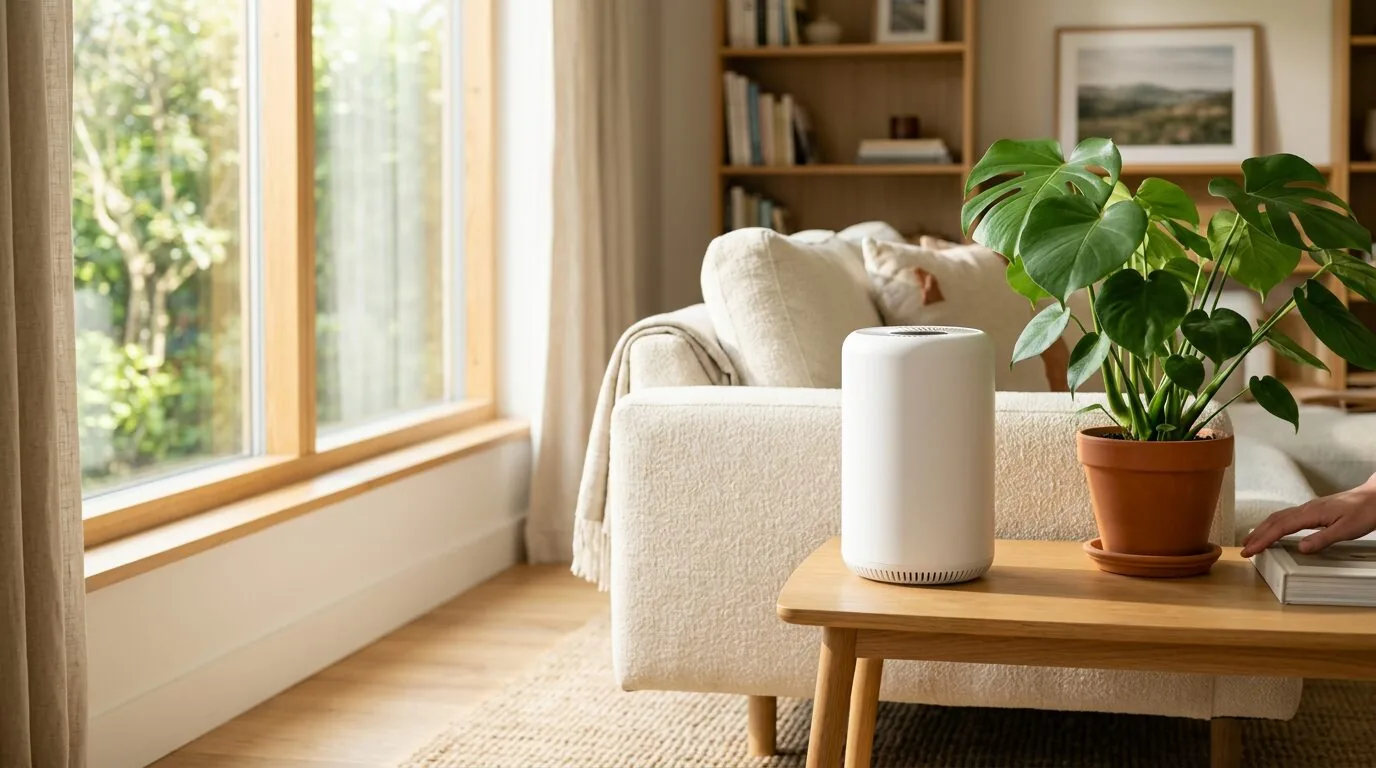
Air purifiers support healthier living spaces by actively removing airborne pollutants like dust, pollen, pet dander, mold spores, and certain gases from your indoor air. They create a cleaner breathing environment, which can reduce allergy and asthma triggers, minimize odors, and help you maintain better overall respiratory health.
Your home should be a sanctuary, but indoor air can be surprisingly polluted. From common allergens to volatile organic compounds, these invisible particles affect your comfort and health. Understanding how air purifiers tackle these issues helps you make informed choices for your living space.
How Air Purifiers Work to Clean Your Air
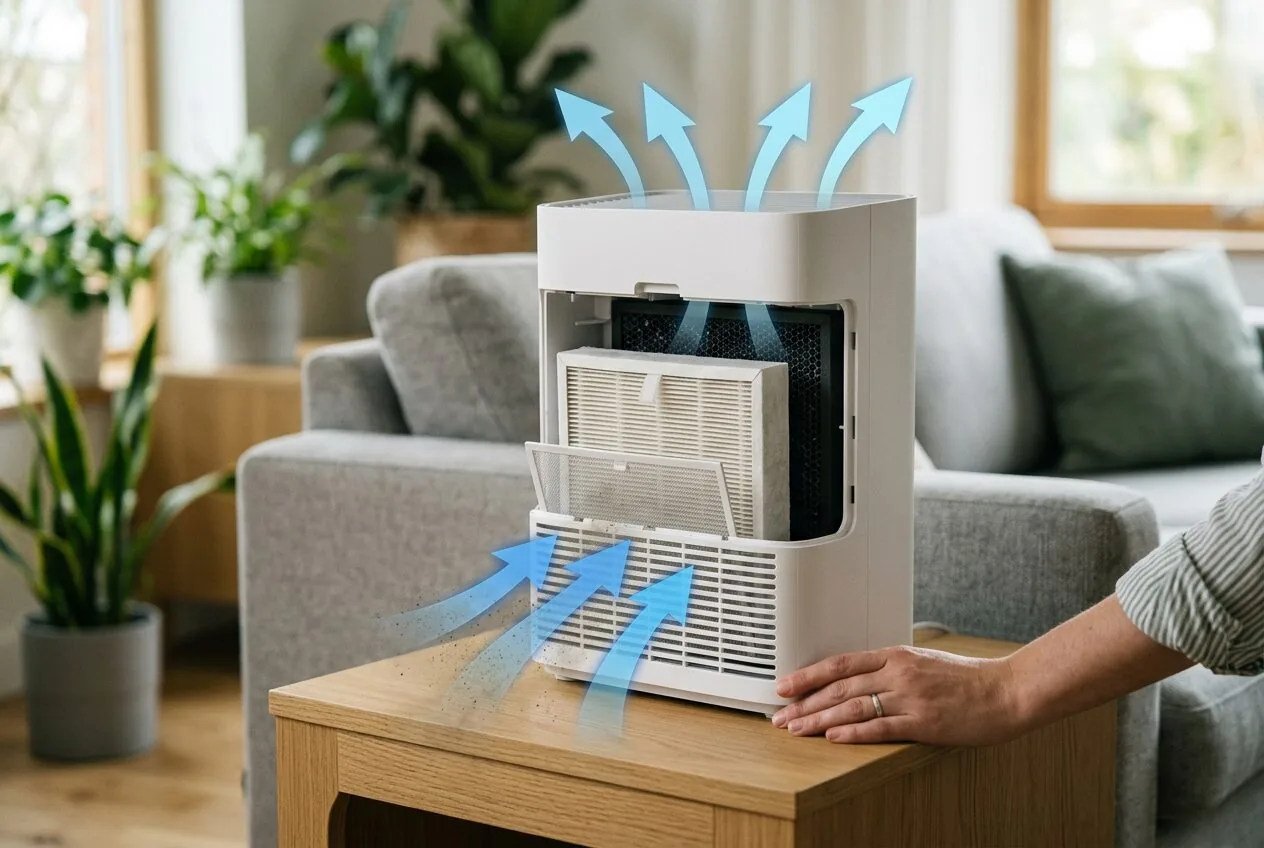
Air purifiers use a simple but effective mechanical process. A fan draws room air into the unit, where it passes through one or more internal filters. These filters capture particles and gases before the clean air is circulated back into the room. This continuous cycle gradually reduces the concentration of pollutants in your indoor environment.
The Core Filtration Process
Most quality purifiers use a multi-stage system. A pre-filter catches large debris like hair and lint. The main filter, typically a HEPA filter, traps microscopic particles. Many units also include an activated carbon filter to adsorb odors and gases. This layered approach tackles different types of contaminants for comprehensive cleaning. For a deeper dive into filter technology, see our guide on air purifier filter types and functions.
Key Performance Metrics
- CADR (Clean Air Delivery Rate): Measures how quickly a purifier can deliver clean air, with separate ratings for smoke, dust, and pollen. A higher CADR means faster purification.
- Room Size Coverage: Indicates the maximum area the unit is designed to clean effectively. Always choose a purifier rated for your room’s square footage.
- Air Changes Per Hour (ACH): Represents how many times the unit can filter the entire volume of air in a room each hour. For allergen reduction, 4-6 ACH is often recommended.
Specific Health Benefits of Cleaner Air
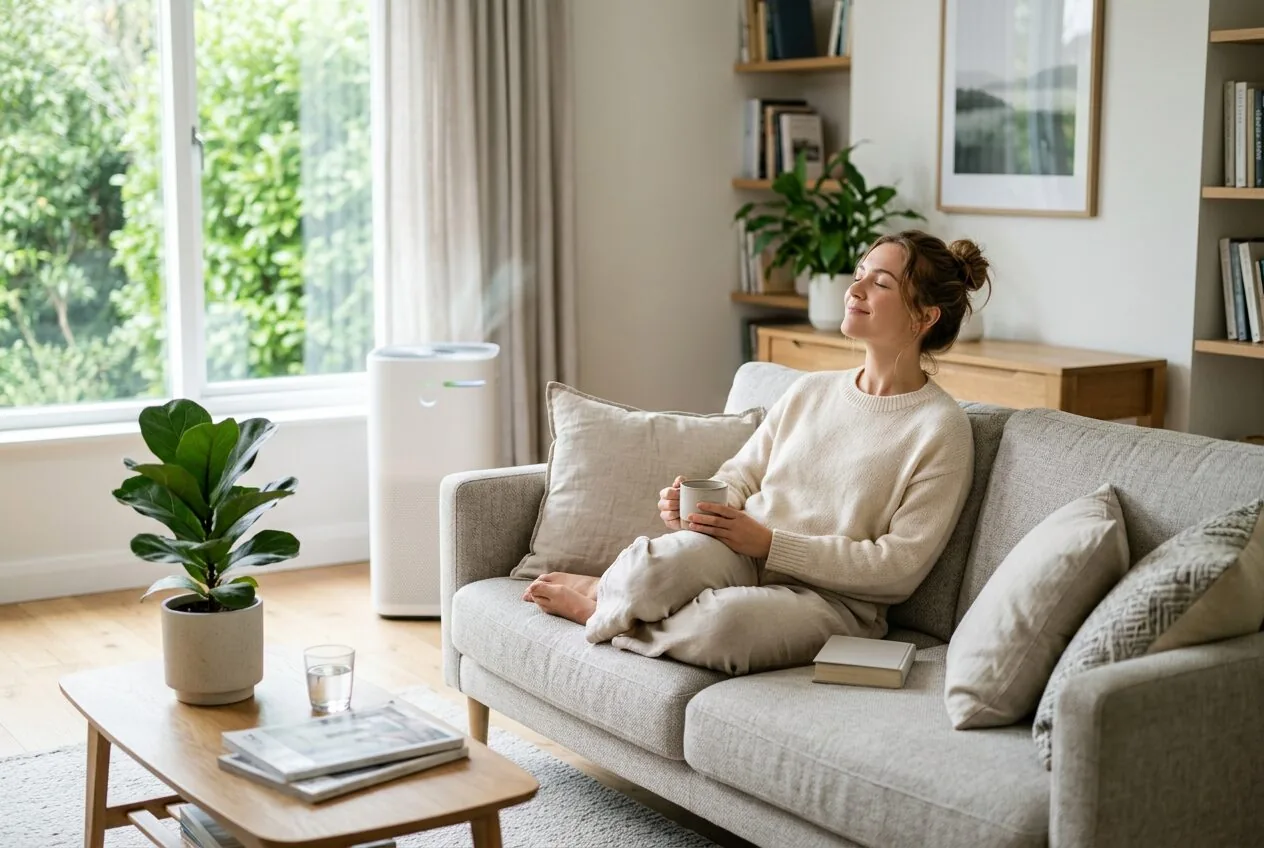
By reducing airborne irritants, air purifiers directly address several common health concerns. Their benefits are most noticeable for people with sensitivities, but cleaner air supports everyone’s wellbeing.
Reducing Allergy and Asthma Triggers
For allergy sufferers, purifiers that feature true HEPA filters can capture over 99.97% of pollen, mold spores, and dust mite allergens. By lowering the concentration of these triggers in the air, you may experience fewer symptoms like sneezing, itchy eyes, and congestion. This is particularly helpful during peak allergy seasons or in spaces with carpeting and upholstery that harbor allergens.
Minimizing Exposure to Harmful Particles
Indoor air can contain fine particulate matter from cooking, candles, outdoor pollution, and everyday activities. These tiny particles can penetrate deep into the lungs. A purifier with a high-efficiency filter helps remove them, supporting long-term respiratory health. This is especially valuable in urban areas or homes near busy roads.
Neutralizing Odors and Volatile Organic Compounds (VOCs)
Activated carbon filters in air purifiers are excellent at trapping odor molecules and certain gaseous pollutants like VOCs from paints, cleaning products, and furnishings. This creates a fresher-smelling home and reduces potential exposure to these chemicals, which can cause headaches or irritation in some individuals.
Choosing the Right Air Purifier for Your Space
Not all air purifiers are created equal. The right model for you depends on your primary concerns, room size, and lifestyle needs.
Identify Your Primary Need
- For Allergies & Asthma: Prioritize a unit with a certified True HEPA filter and a high CADR for pollen and dust.
- For Odor & Smoke Removal: Look for a substantial activated carbon filter or a specialized gas-phase filter.
- For General Air Quality: A balanced purifier with both HEPA and carbon filtration works well for most households.
Match the Purifier to Your Room Size
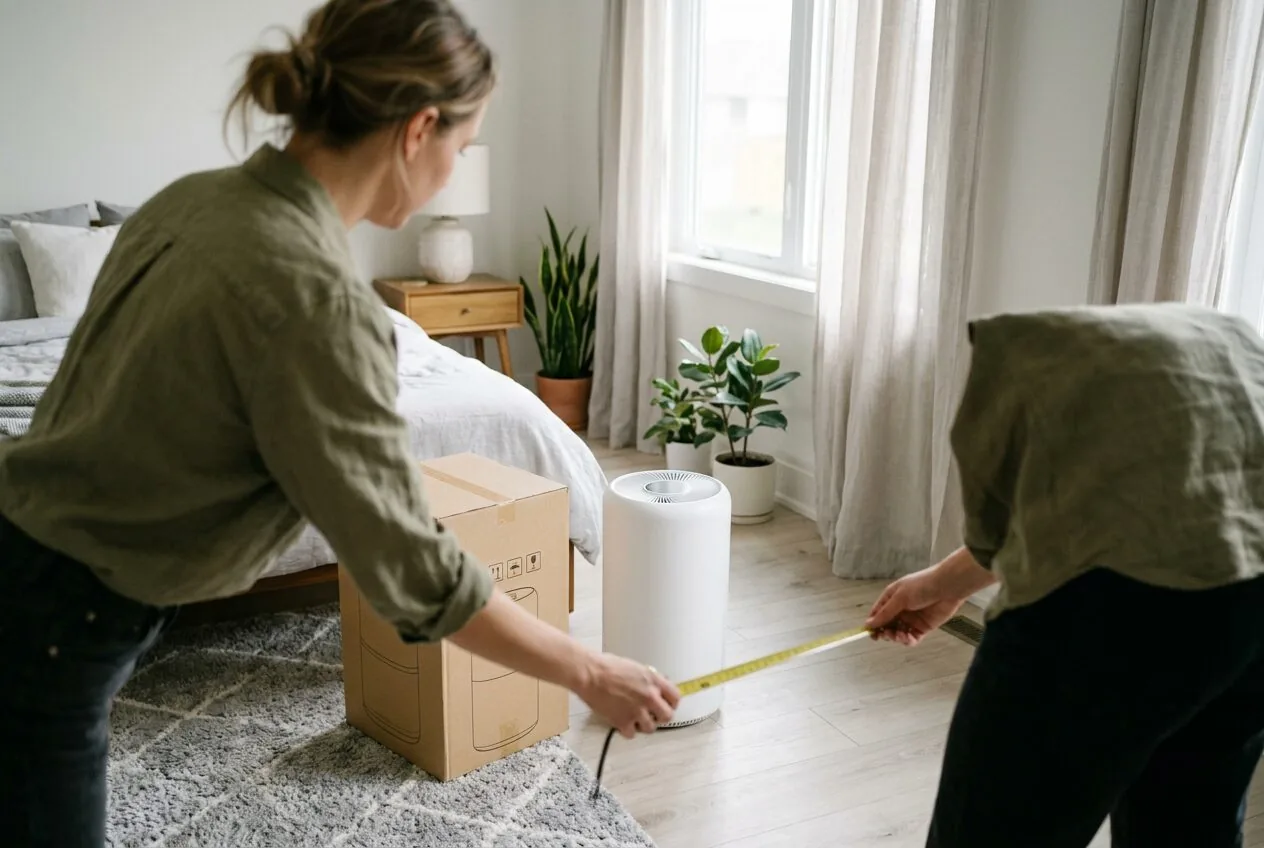
Always check the manufacturer’s recommended room size. An undersized purifier won’t be effective, while an oversized one may be unnecessarily loud or expensive. Measure your room and choose a model rated for that square footage or slightly larger. For large, open-plan areas, consider a model like the LUNINO Air Purifiers for Home Bedroom Large Room, which is designed to clean substantial spaces efficiently.
Recommended Products
These selected air purifiers can help you achieve the health benefits discussed, depending on your specific needs and room size. Consider features like filter types, coverage area, and noise levels.


As an Amazon Associate we earn from qualifying purchases. Product prices and availability are accurate as of the date/time indicated.
Frequently Asked Questions
Do air purifiers help with viruses and bacteria?
Some air purifiers with HEPA filters can capture virus-carrying droplets and bacteria from the air, reducing their concentration. However, they are not a substitute for other hygiene practices like ventilation, surface cleaning, and hand washing. No air purifier can guarantee complete protection from illness.
Where is the best place to put an air purifier?
Place your air purifier in the room where you spend the most time, such as a bedroom or living room. Keep it away from walls and large furniture for optimal airflow. Avoid corners and ensure the air intake and output are unobstructed.
How often do I need to replace the filters?
Filter replacement schedules vary by model and usage. Most HEPA filters need replacement every 6 to 12 months, while pre-filters may need monthly vacuuming. Carbon filters also have a limited lifespan. Always follow your manufacturer’s guidelines. For Dyson owners, compatible replacement filters like the u003ca href=u0022https://airpurifierguides.com/refreshyourhome-360-combi-glass-hepa-carbon-filter-review/u0022u003e360° Combi Glass Hepa + Carbon Filter for Dysonu003c/au003e are available.
Can an air purifier replace ventilation?
No. Air purifiers recirculate and clean existing indoor air; they do not bring in fresh outdoor air. Proper ventilation, like opening windows when outdoor air quality is good, is still essential to reduce carbon dioxide buildup and refresh your indoor environment. Use purifiers and ventilation together for the best results.
Are air purifiers with ionizers safe?
Most modern ionizers produce negligible amounts of ozone, which is generally considered safe. However, if you have respiratory sensitivities, you may prefer a purifier that relies solely on mechanical filtration (like HEPA) without an ionizer. Check product specifications if this is a concern.
Final Thoughts
An air purifier is a valuable tool for creating a healthier living space by reducing the load of airborne pollutants you breathe daily. By understanding how they work and choosing a model suited to your specific needs—whether it’s a versatile option like the COWAY Air Purifier for Home Bedroom or a multi-function unit—you can make a significant investment in your indoor air quality.
Remember, an air purifier works best as part of a broader strategy. Combine it with regular cleaning, controlling humidity to prevent mold, and minimizing the use of strong chemicals indoors. For more guidance on selecting the right purifier, explore our Buying Guides. Taking these steps helps ensure your home remains the comfortable, healthy sanctuary it should be.
About the author
Lead content creator at AirPurifierGuides.com. Sarah is a senior product researcher in health-tech with years of experience testing smart home and HVAC devices. She writes most of our reviews, CADR comparisons, and filter analyses.