Air Purifiers and Air Quality in Older Homes: A Complete Guide
Learn how older homes present unique air quality challenges and discover a practical strategy, including the strategic use of air purifiers, to create a healthier living environment.
 By Emily Foster
Updated October 17, 2026
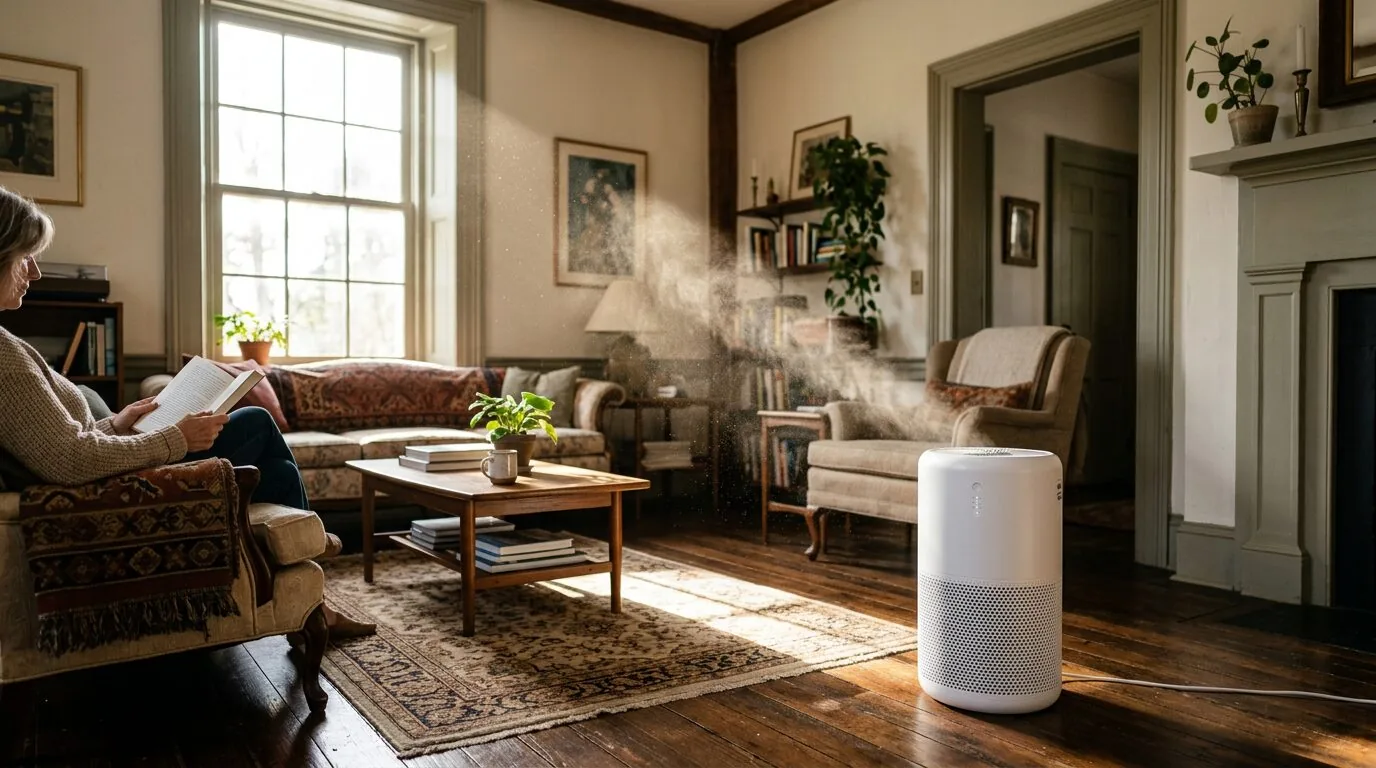
Yes, air purifiers can significantly improve air quality in older homes by tackling the specific pollutants common in aged structures, such as dust, mold spores, volatile organic compounds (VOCs) from old materials, and allergens. They are a key part of a broader strategy that includes source control and ventilation.
Living in an older home comes with charm and character, but it can also bring a host of hidden air quality issues. From lead dust and asbestos fibers to persistent dampness and off-gassing materials, the air you breathe might not be as clean as you think. Understanding these unique challenges is the first step toward creating a healthier environment.
This guide will explain the common air quality problems in vintage homes, how air purifiers can help address them, and the other essential measures you should take for a comprehensive solution.
Common Air Quality Challenges in Older Homes
Older homes, typically those built before the 1980s, were constructed with different materials and standards. While sturdy, these features can contribute to poor indoor air quality (IAQ) decades later.
Legacy Pollutants: Dust, Lead, and Asbestos
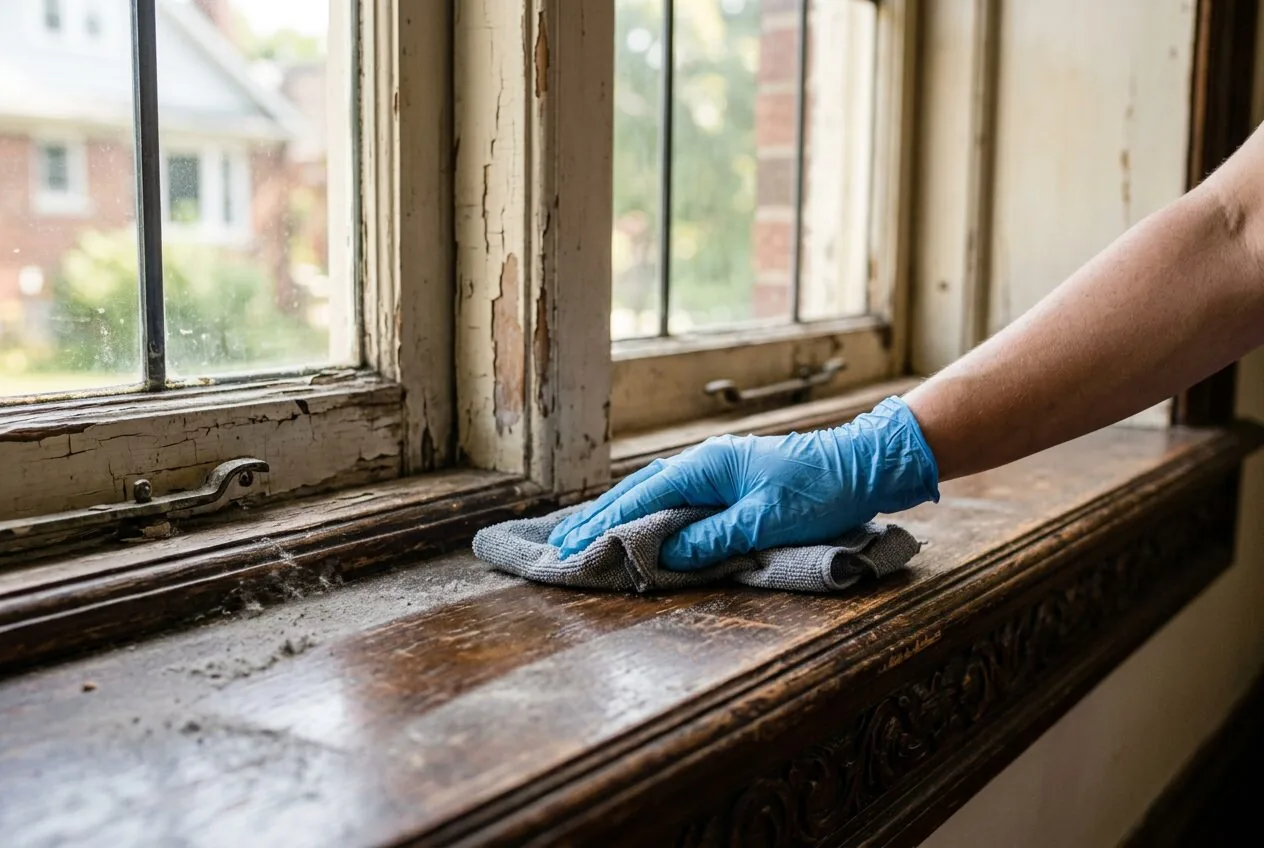
Homes built before 1978 likely contain lead-based paint. As this paint chips, chalks, or is disturbed during renovations, it creates lead dust—a serious health hazard, especially for children. Similarly, asbestos, used in insulation, floor tiles, and pipe wrapping until the late 1970s, can release microscopic fibers into the air if damaged. These particles are too small to see but can linger in the air and be inhaled.
Moisture and Mold Issues
Older homes often have less effective moisture barriers, poor ventilation in basements and crawl spaces, and aging plumbing. This persistent dampness creates the perfect environment for mold and mildew to grow. Mold releases spores and microbial volatile organic compounds (mVOCs) into the air, which can trigger allergies, asthma, and other respiratory problems.
Off-Gassing from Older Materials
While modern homes face VOCs from new furniture and paints, older homes have their own set of off-gassing materials. Old varnishes, adhesives, urea-formaldehyde insulation, and even some types of older wood paneling can continue to release low levels of chemicals into the air for years.
Poor Ventilation and Air Sealing
Historically, homes were “leaky,” allowing for natural air exchange. However, when these homes are retrofitted with new windows and insulation without adding mechanical ventilation, pollutants become trapped inside. This can lead to a buildup of everything from cooking odors and carbon dioxide to radon gas, a naturally occurring radioactive gas that can seep from the ground.
How Air Purifiers Help Address These Problems
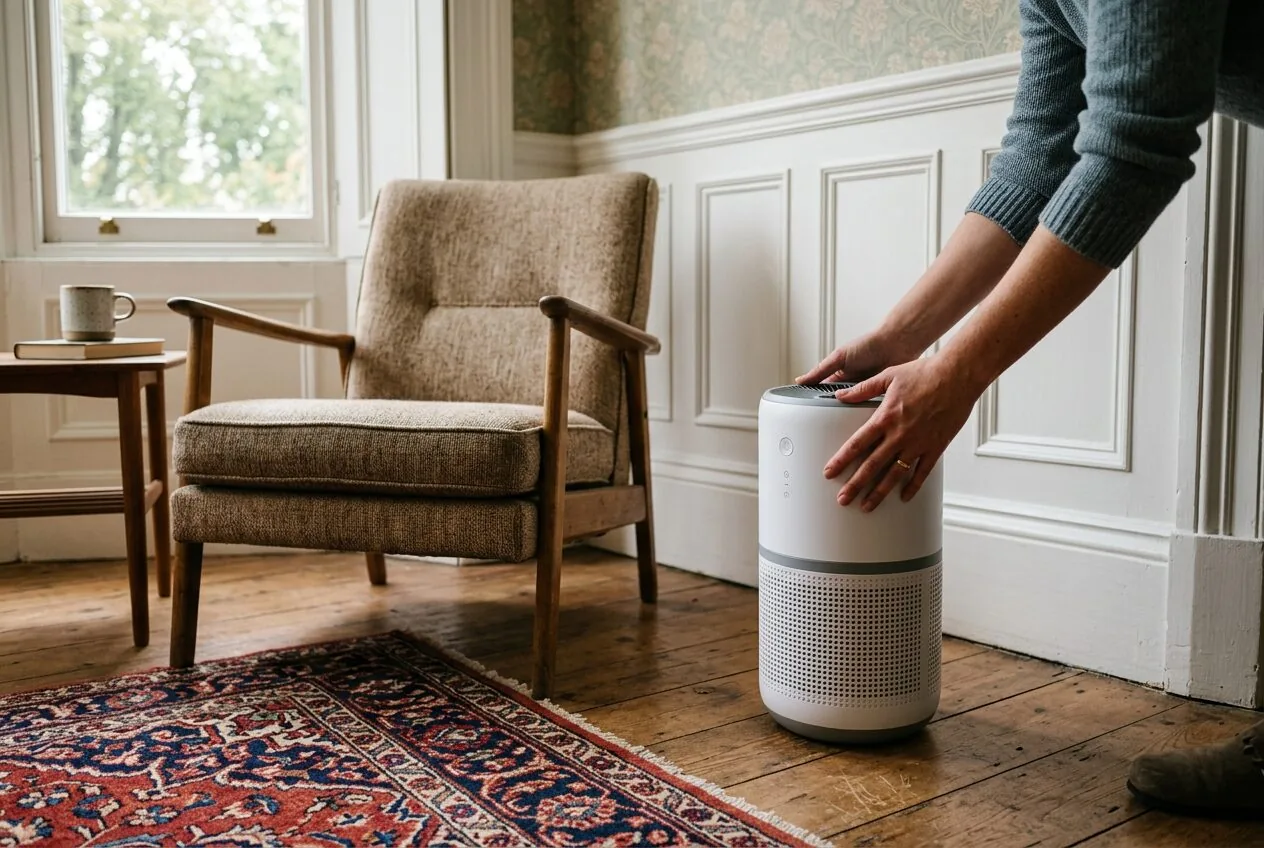
Air purifiers work by pulling room air through a series of filters that capture airborne particles and gases. For older homes, the right type of purifier acts as a critical line of defense against the pollutants that are already circulating.
Capturing Particulates: Dust, Allergens, and Spores
A true HEPA (High-Efficiency Particulate Air) filter is the gold standard for particle removal. It can capture 99.97% of particles as small as 0.3 microns. This includes lead dust, asbestos fibers (which are often larger when bound in dust), mold spores, pollen, and pet dander. By continuously filtering the air, a HEPA purifier reduces the concentration of these harmful particulates. A model like the YARIKI Air Purifiers for Bedroom,High Efficiency with a HEPA filter is designed for spaces like bedrooms where you spend many hours.
Reducing Odors and VOCs
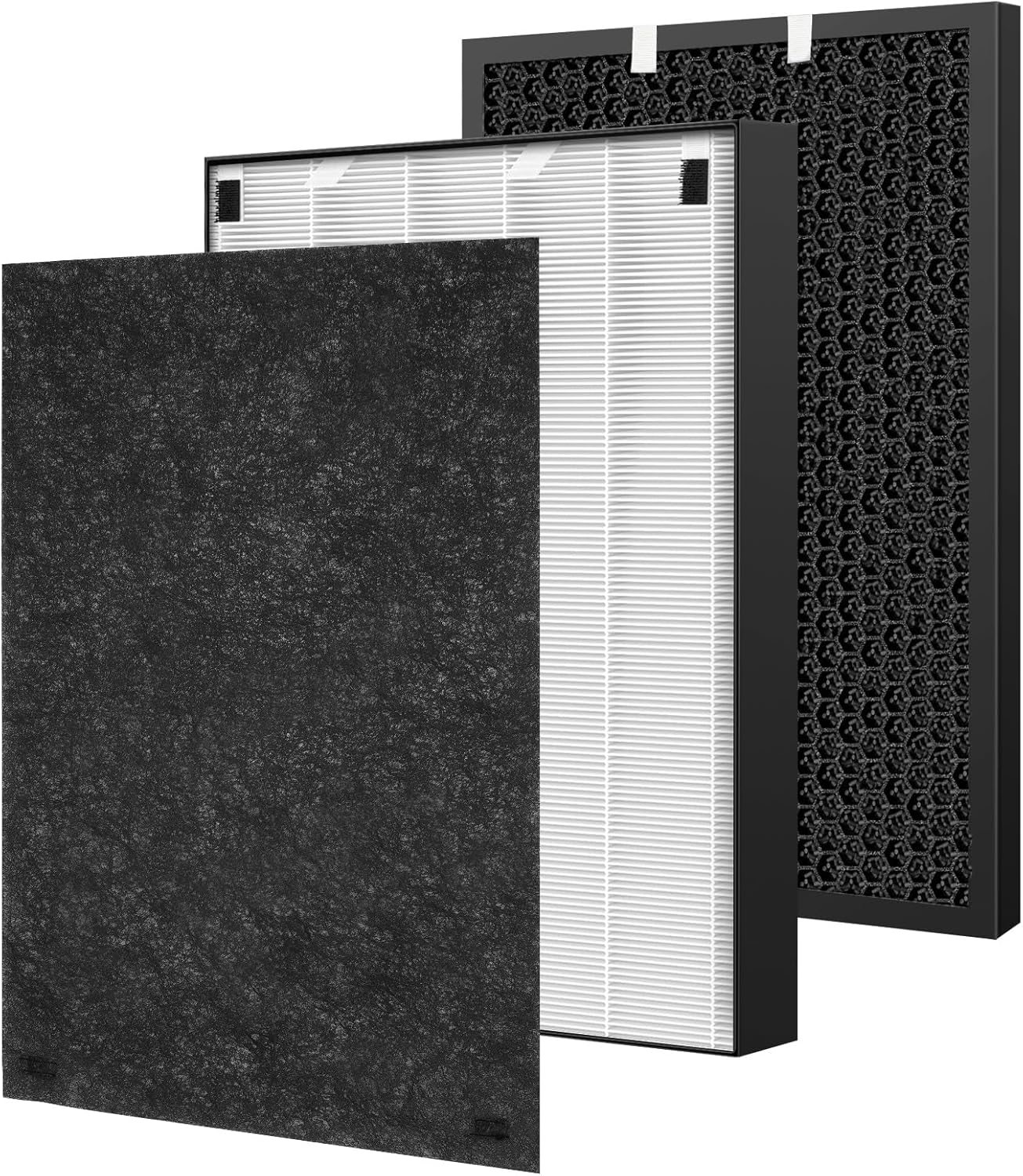
For the musty smells of mildew or chemical odors from old materials, you need a filter that adsorbs gases. This is where activated carbon filters come in. The carbon is treated to have a massive surface area covered in tiny pores that trap gas molecules and odors. A substantial carbon filter is essential for older homes. The Air 320 Filter Replacement for Bissell Air320, for example, includes an improved activated carbon filter specifically designed to tackle household odors and VOCs.
Improving Overall Air Circulation
In rooms with poor natural airflow, an air purifier helps keep air moving. This prevents stagnant pockets where pollutants can accumulate. Some advanced models even include air quality sensors that automatically increase fan speed when they detect a rise in particulates, providing dynamic protection. For larger, open spaces common in older home layouts, a unit with a high Clean Air Delivery Rate (CADR) like the FreAire Air Purifiers for Home Large Room Up can be effective.
The Comprehensive Strategy: Beyond the Purifier
An air purifier is a powerful tool, but it should not be your only tool. It addresses airborne pollutants but does nothing for sources. A layered approach is necessary for truly healthy air. For more on creating a holistic healthy environment, see our article on how air purifiers support healthier living spaces.
1. Source Control (The Most Important Step)
- Test for Hazards: If you suspect lead or asbestos, hire a certified professional to test. Do not sand or scrape suspect surfaces.
- Control Moisture: Fix leaks promptly. Use dehumidifiers in damp basements and ensure crawl spaces are properly vented and covered with a vapor barrier.
- Clean Strategically: Use a HEPA-filter vacuum cleaner regularly on floors and upholstery to remove settled dust. Wet-wipe surfaces to avoid kicking dust into the air.
2. Improve Ventilation
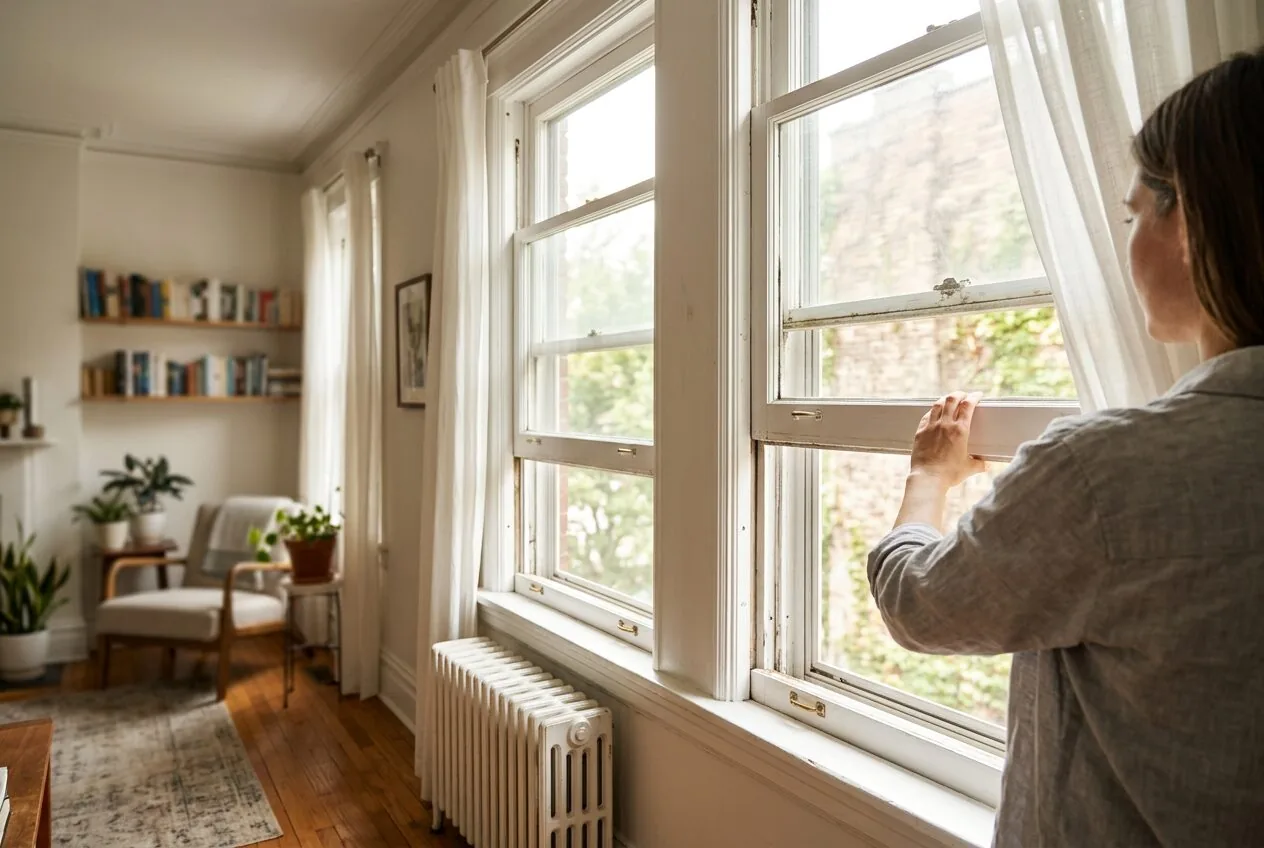
Introduce fresh air to dilute indoor pollutants. On good weather days, open windows on opposite sides of the house to create cross-ventilation. For kitchens and bathrooms, ensure exhaust fans are vented to the outside and use them during and after cooking or showering. In a tightly sealed home, consider installing an Energy Recovery Ventilator (ERV) or Heat Recovery Ventilator (HRV) to bring in fresh, filtered air without losing heating or cooling energy.
3. Choose the Right Air Purifier and Maintain It
Select a purifier with both a true HEPA filter and a thick activated carbon filter. Ensure its CADR is appropriate for the room size where you’ll use it most—often the bedroom or main living area. Crucially, you must replace the filters as recommended by the manufacturer. A clogged filter loses efficiency and can become a source of pollution itself. Keeping a spare Air 320 Filter Replacement for Bissell Air320 on hand ensures you never skip a change.
Recommended Products
The right air purifier for an older home needs strong particulate and gas filtration. The following models offer features well-suited to addressing the mix of challenges found in vintage spaces, from large, dusty rooms to persistent odors.



As an Amazon Associate we earn from qualifying purchases. Product prices and availability are accurate as of the date/time indicated.
Frequently Asked Questions
Can an air purifier remove lead dust from the air?
Yes, a purifier with a true HEPA filter can capture airborne lead dust particles. However, this is a secondary measure. The primary goal must be source control: identifying and safely managing lead-paint hazards to prevent dust from becoming airborne in the first place. An air purifier helps clean the air of what does become suspended.
Will an air purifier help with a musty smell in my old basement?
An air purifier with a substantial activated carbon filter can reduce musty odors by adsorbing the mVOCs (microbial volatile organic compounds) that mold releases. However, it will not solve the underlying moisture problem causing the mold. You must address the source of dampness (e.g., leaks, poor drainage, lack of a vapor barrier) and clean any existing mold growth.
Are air purifiers with ionizers or ozone generators safe for older homes?
We generally do not recommend purifiers that intentionally generate ozone. Ozone is a lung irritant and can react with other chemicals in an older home (like those from old materials) to create additional harmful pollutants. Ionizers can be ineffective at removing particles and may cause them to stick to walls and surfaces, which is problematic if those particles contain lead or other contaminants.
Where is the best place to put an air purifier in an older home?
Prioritize rooms where you spend the most time, typically bedrooms and main living areas. Place the purifier in a central location with a few feet of clearance from walls and furniture for optimal air intake. Avoid corners or behind couches. For a multi-story home with distinct issues (e.g., a damp basement), you may need more than one unit.
How does the air quality in older homes compare to newer ones?
Each has distinct challenges. Older homes contend with legacy pollutants (lead, asbestos), moisture issues, and off-gassing from aged materials. Newer, tighter homes often have higher concentrations of VOCs from new building materials, furniture, and finishes, and can trap allergens if not well-ventilated. Understanding u003ca href=u0022https://airpurifierguides.com/air-purifiers-and-importance-of-clean-indoor-air/u0022u003ethe importance of clean indoor airu003c/au003e is key for any home type.
Final Thoughts
Improving air quality in an older home requires a mindful, multi-pronged approach. While the charm of aged woodwork and architectural details is undeniable, the hidden pollutants are a real concern. Start by investigating and controlling the sources—address moisture, test for hazards, and clean diligently. Then, use proper ventilation to bring in fresh air and deploy a well-chosen air purifier with HEPA and carbon filtration to scrub the air of what remains.
By combining these strategies, you can protect the health of your household while preserving the unique character of your vintage home. It’s about working with the home’s history to create a safe and comfortable modern living environment. For more information on tackling specific allergens that may be present, our guide on air purifiers and common household allergens offers additional insights.
About the author
Editor at AirPurifierGuides.com. Emily has a background in professional communication and has worked with several health and technology publications. She edits our content for accuracy and answers reader questions about air quality.