Air Purifiers and Common Household Allergens: A Complete Guide
Learn how air purifiers work to reduce common household allergens like dust mites, pet dander, pollen, and mold spores, and what features to look for for effective relief.
 By Emily Foster
Updated October 16, 2026
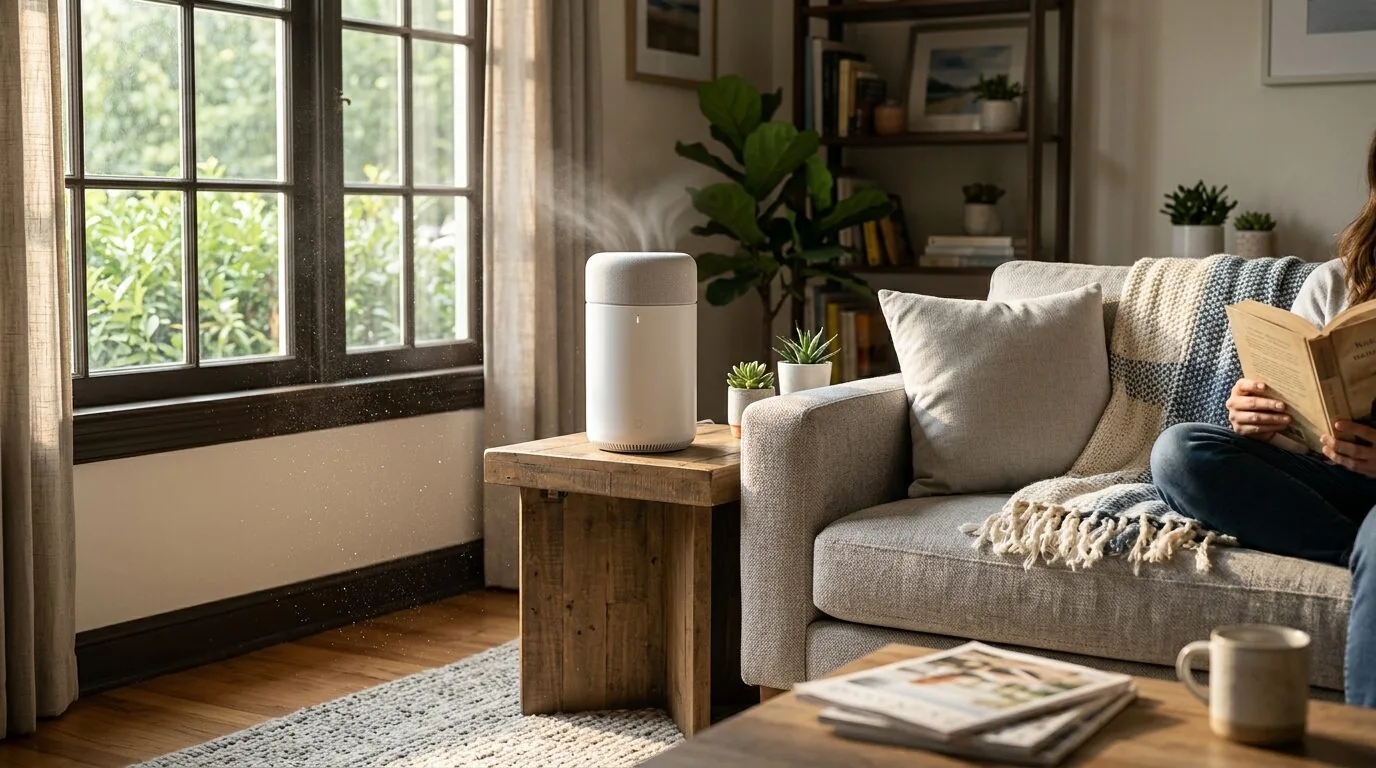
Yes, air purifiers can be highly effective at reducing common household allergens when equipped with a true HEPA filter. They work by continuously drawing in room air, trapping microscopic allergen particles in a dense filter, and circulating cleaner air back into your living space, which can significantly reduce allergy symptoms for many people.
If you suffer from allergies, your home should be a sanctuary. Yet, common household allergens like dust mite debris, pet dander, and mold spores can turn your living space into a source of constant sneezing, itchy eyes, and congestion. Understanding what you’re up against and how technology can help is the first step toward breathing easier.
This guide will explain the most prevalent indoor allergens, how air purifiers capture them, and what you should look for in a purifier to create a healthier, more comfortable home environment.
How Air Purifiers Capture and Remove Allergens
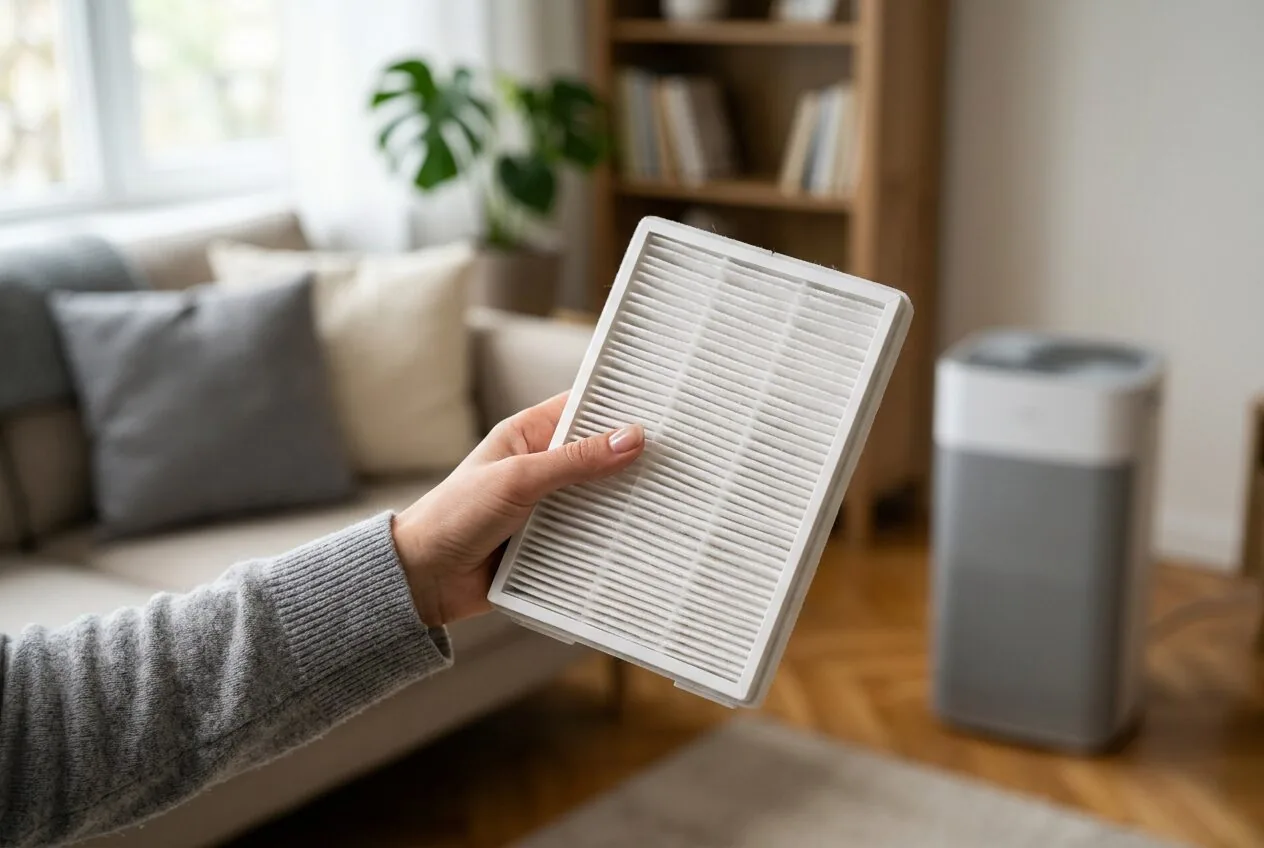
Air purifiers are not magic boxes; they are mechanical filtration systems. The core of allergen removal is the filter, specifically a High-Efficiency Particulate Air (HEPA) filter. To be certified as true HEPA, a filter must capture at least 99.97% of particles that are 0.3 microns in size—the most penetrating particle size. This is crucial because many allergens fall within or near this range.
The Filtration Process
A fan pulls air into the purifier. The air first passes through a pre-filter, which catches larger particles like hair and lint, protecting the main HEPA filter. The air then moves through the HEPA filter, where microscopic allergens are trapped via a combination of interception, impaction, and diffusion. Finally, some purifiers include an activated carbon filter to adsorb odors and volatile organic compounds (VOCs) before the clean air is circulated back into the room.
Why Air Circulation Matters
An air purifier can only clean the air that passes through it. Therefore, the unit’s Clean Air Delivery Rate (CADR) and the size of your room are critical. CADR measures how quickly a purifier can deliver clean air. For allergen reduction, you need a purifier with a CADR rating suitable for your room’s square footage to ensure adequate air exchanges per hour.
Common Household Allergens and How Purifiers Help
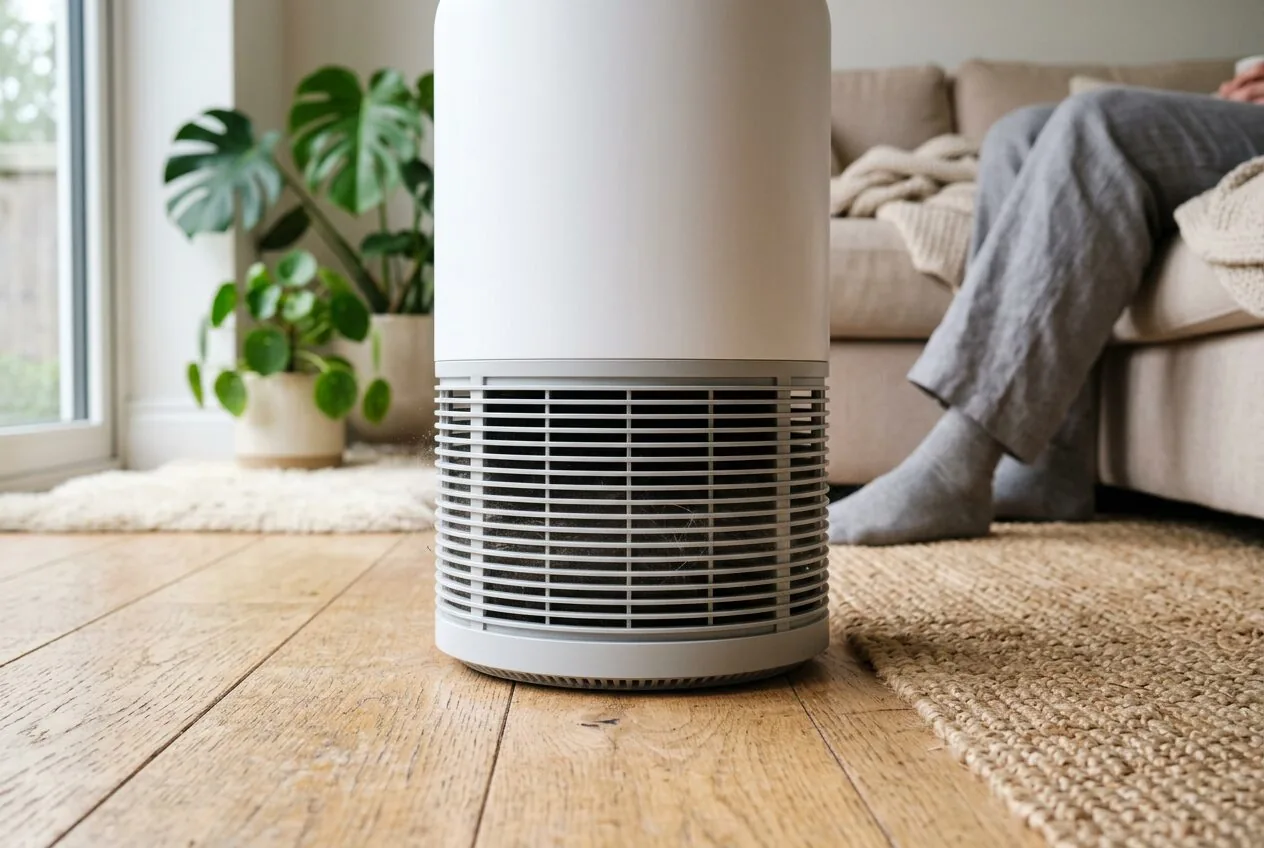
Let’s break down the primary culprits of indoor allergies and how effectively air purifiers can address each one.
Dust and Dust Mite Allergens
Dust mites are microscopic creatures that thrive in bedding, upholstery, and carpets. The allergen comes from their fecal pellets and body fragments, which are typically 10-40 microns in size but can become airborne when disturbed. A HEPA filter is extremely effective at capturing these particles. Regular vacuuming with a HEPA-filtered vacuum and using allergen-proof bedding covers are essential complementary strategies.
Pet Dander
Pet dander is composed of tiny, even microscopic, flecks of skin shed by cats, dogs, and other animals. It is a very lightweight allergen that can remain suspended in the air for hours and settle on surfaces. Cat dander, in particular, can be as small as 2.5 microns. A HEPA air purifier running continuously in rooms where pets spend time can dramatically reduce airborne dander levels, providing relief for allergic individuals.
Pollen
Pollen grains from trees, grasses, and weeds can easily enter your home through windows, doors, and on clothing. While pollen grains are generally larger (10-100 microns), making them easier for filters to catch, they are a major seasonal trigger. Running an air purifier during high pollen seasons, especially in bedrooms, can help create a pollen-free zone for sleep. For more on managing seasonal allergies, see our guide on air purifiers and indoor air allergy peaks.
Mold Spores
Mold grows in damp areas and releases spores into the air to reproduce. These spores can be as small as 1-2 microns. Inhaling them can trigger allergic reactions and asthma. While an air purifier with a HEPA filter can remove airborne spores, it is not a solution for active mold growth. The source of moisture must be eliminated first. The purifier then helps maintain lower spore counts in the air afterward.
Key Features to Look for in an Allergen-Fighting Air Purifier
Not all air purifiers are created equal for allergy relief. Focus on these essential features.
True HEPA Filter
This is non-negotiable. Avoid marketing terms like “HEPA-type” or “HEPA-style.” Look for “True HEPA” or “HEPA H13/H14” certification to ensure it meets the 99.97% efficiency standard at 0.3 microns. Learn more about the different air purifier filter types and functions to make an informed choice.
Appropriate Room Size Coverage and CADR
Match the purifier’s maximum recommended room size to your actual room. For best results, especially in a bedroom, choose a purifier rated for a room slightly larger than yours. This allows it to clean the air more quickly and efficiently, achieving more air changes per hour.
Sealed Design and Airflow
A good purifier has a sealed system where all incoming air is forced through the filters before exiting. If air can bypass the filter (a problem in some cheaper models), allergens are simply recirculated. Robust airflow, often indicated by a higher CADR, ensures the purifier can pull air from all corners of the room.
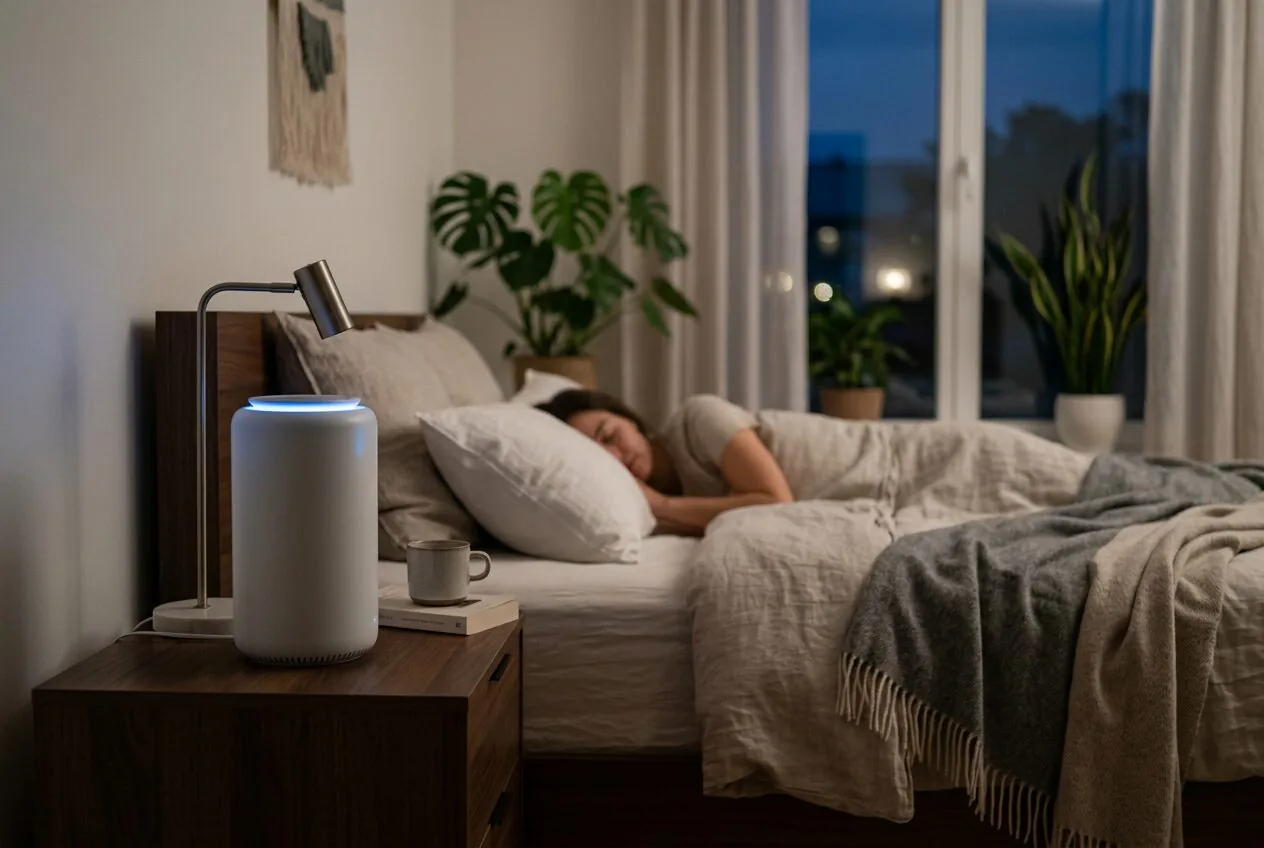
Quiet Operation, Especially for Bedrooms
Since consistency is key, you’ll want the purifier to run 24/7, particularly in your bedroom. Look for models with a dedicated quiet or sleep mode with a dimmable display. A unit like the COWAY Air Purifier for Home Bedroom is designed with features like a timer and auto mode to maintain clean air without disrupting sleep.
Recommended Products
The following purifiers feature strong HEPA filtration and designs suited for managing household allergens in different scenarios, from dedicated purification to multi-functional units.


As an Amazon Associate we earn from qualifying purchases. Product prices and availability are accurate as of the date/time indicated.
Frequently Asked Questions
How long does it take for an air purifier to reduce allergies?
You may notice a difference in air quality within hours, but for a measurable reduction in settled allergens and symptom relief, it typically takes several days of continuous operation. Allergens need time to be removed from the air and from surfaces where they’ve settled, which are stirred up by daily activity.
Where is the best place to put an air purifier for allergies?
The bedroom is the most critical location, as you spend many consecutive hours there. Place it near your bed, but ensure at least a foot of clearance from walls and furniture for optimal airflow. Living rooms or other high-traffic areas are also excellent secondary locations.
Do air purifiers help with pet allergies?
Yes, they are one of the most effective tools for managing pet allergies indoors. By removing airborne dander, they can significantly reduce reaction triggers. For best results, use the purifier in the rooms where your pet spends the most time and combine it with regular pet grooming and cleaning.
Can an air purifier make allergies worse?
A poorly maintained purifier can. If the filter is saturated and not replaced, it can’t capture new allergens and may even begin to release trapped particles back into the air. Some purifiers that use ionizers or produce ozone can irritate lungs and worsen asthma. Stick with HEPA filter-based models and follow the replacement schedule.
Do I need a purifier with an air quality monitor?
It’s a helpful but not essential feature. Monitors can provide reassurance by showing when allergen levels are high, triggering the purifier to ramp up speed automatically, as seen in models like the u003ca href=u0022https://airpurifierguides.com/dyson-tp09-review/u0022u003eDyson Purifier Cool Formaldehyde TP09 Air Purifieru003c/au003e. However, a purifier running continuously on a medium setting is also very effective.
Are combination fan and purifier units effective for allergies?
Yes, if they contain a true HEPA filter. Multi-functional devices like the u003ca href=u0022https://airpurifierguides.com/hiluce-hl-046jr-review/u0022u003eHiluce 3-in-1 Bladeless Fan with Airu003c/au003e can be a space-saving solution, providing air circulation and filtration year-round. Ensure the HEPA filter is a permanent part of the purification path and not an afterthought.
Final Thoughts
An air purifier is a powerful ally in the fight against common household allergens. By understanding the sources of your allergies and choosing a purifier with a true HEPA filter, adequate room coverage, and quiet operation, you can create a cleaner, healthier indoor environment. Remember, an air purifier is part of a comprehensive strategy that includes regular cleaning, humidity control, and source reduction.
For most allergy sufferers, the investment in a quality air purifier translates directly into an investment in better sleep, reduced medication use, and improved daily comfort. By taking control of your indoor air, you take a significant step toward supporting a healthier living space for you and your family.
About the author
Editor at AirPurifierGuides.com. Emily has a background in professional communication and has worked with several health and technology publications. She edits our content for accuracy and answers reader questions about air quality.