When Do Indoor Air Allergies Peak and How Air Purifiers Can Help
Learn about the seasonal and daily cycles of indoor allergens and discover how to use an air purifier effectively to reduce symptoms during peak times.
 By Emily Foster
Updated October 17, 2026
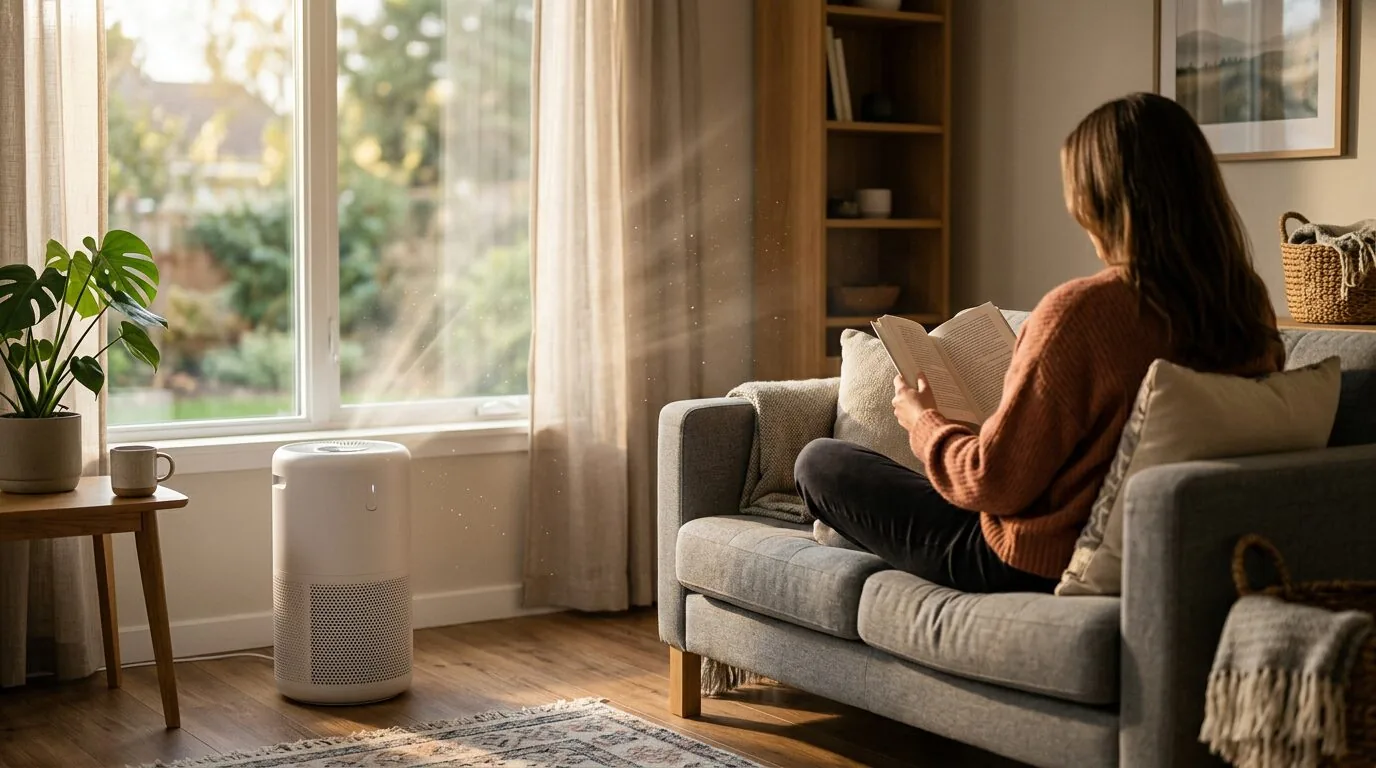
Indoor air allergy peaks occur during specific seasons and times of day when allergen levels are highest. While many people associate allergies with spring and fall pollen outdoors, indoor allergens like dust mites, pet dander, and mold have their own cycles. Understanding these patterns is key to managing symptoms effectively.
This article explains when indoor allergies typically peak throughout the year and day, how environmental factors influence them, and how air purifiers can be strategically used to create cleaner air during these critical periods. We’ll provide practical tips for reducing your exposure when allergen concentrations are at their worst.
Understanding Indoor Allergy Peaks
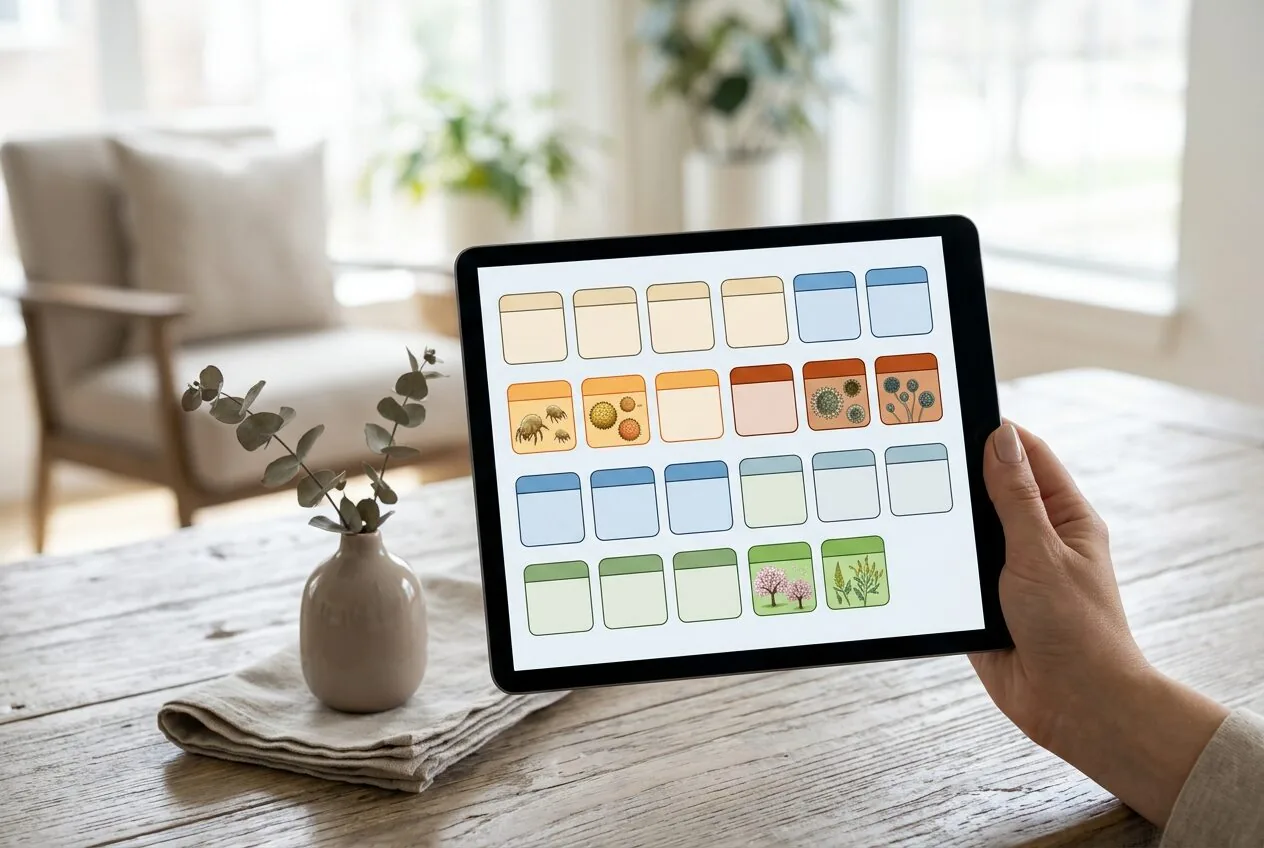
Indoor allergens don’t follow the same predictable calendar as outdoor pollen, but they have distinct seasonal patterns influenced by humidity, temperature, and human activity. The primary indoor allergens—dust mites, pet dander, mold spores, and cockroach droppings—each have conditions where they thrive and become more problematic for sensitive individuals.
Seasonal Peaks for Common Indoor Allergens
Different allergens peak during different seasons. Dust mite populations, for example, flourish in warm, humid conditions. Their allergen levels typically peak in late summer when indoor humidity is highest. Mold spores, both from indoor sources like bathrooms and basements and those that infiltrate from outdoors, often spike during humid summer months and rainy periods in fall.
Pet dander presents a more consistent year-round challenge, but it can become more concentrated during winter when homes are sealed tight against cold weather, reducing ventilation and allowing allergens to accumulate. Understanding these patterns helps you anticipate when to increase your air purification efforts.
Daily Cycles of Indoor Air Quality
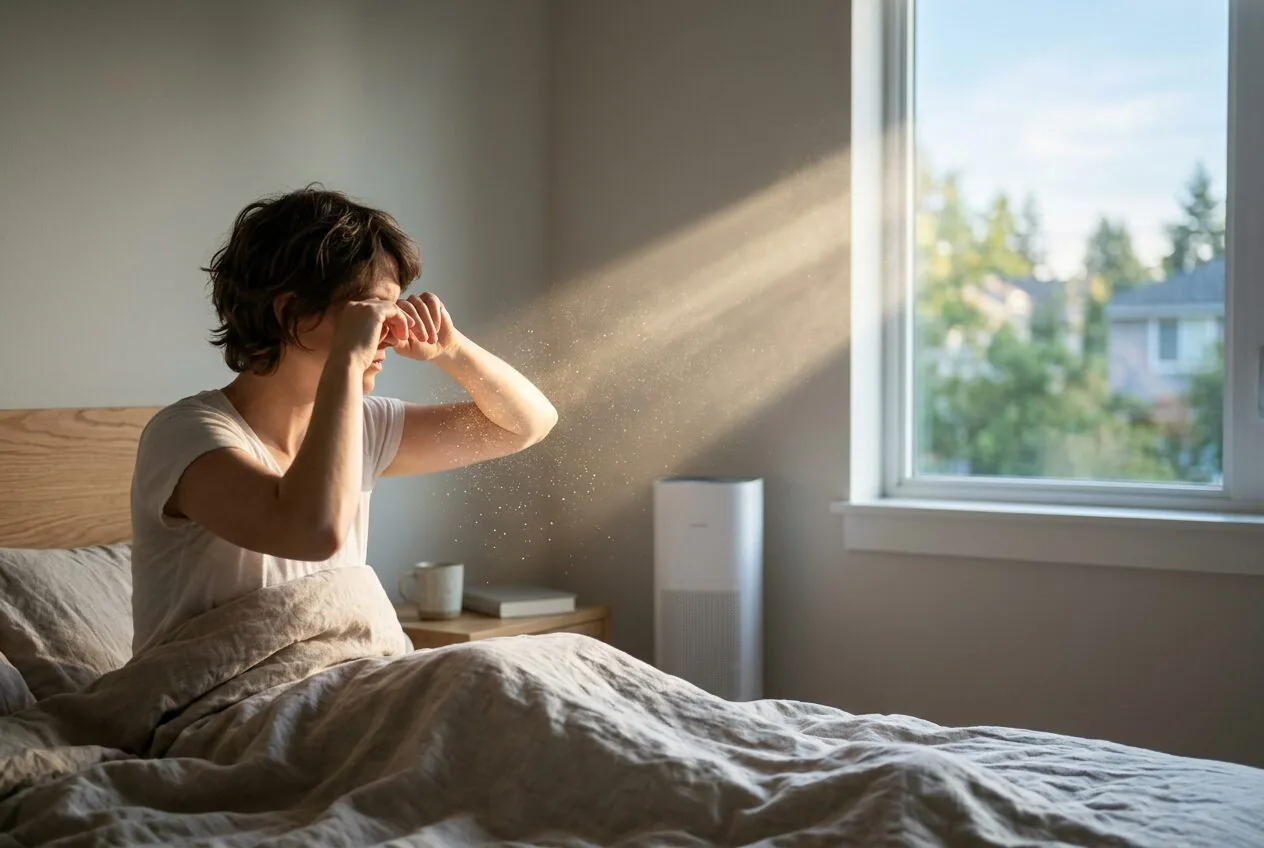
Beyond seasonal changes, indoor allergen levels fluctuate throughout the day. Mornings often see spikes in dust mite allergens as you disturb bedding when getting up. Pet dander becomes airborne when animals are most active—typically morning and evening when they’re fed and played with. Human activity like vacuuming, dusting, or even just walking on carpets can stir up settled allergens, creating temporary peaks.
How Air Purifiers Address Peak Allergy Times
Air purifiers work by continuously filtering the air in a room, capturing airborne allergens before you breathe them in. During peak allergy periods, this constant filtration becomes particularly valuable. A quality HEPA filter can remove 99.97% of particles as small as 0.3 microns, effectively capturing most allergy triggers.
Strategic Placement and Timing
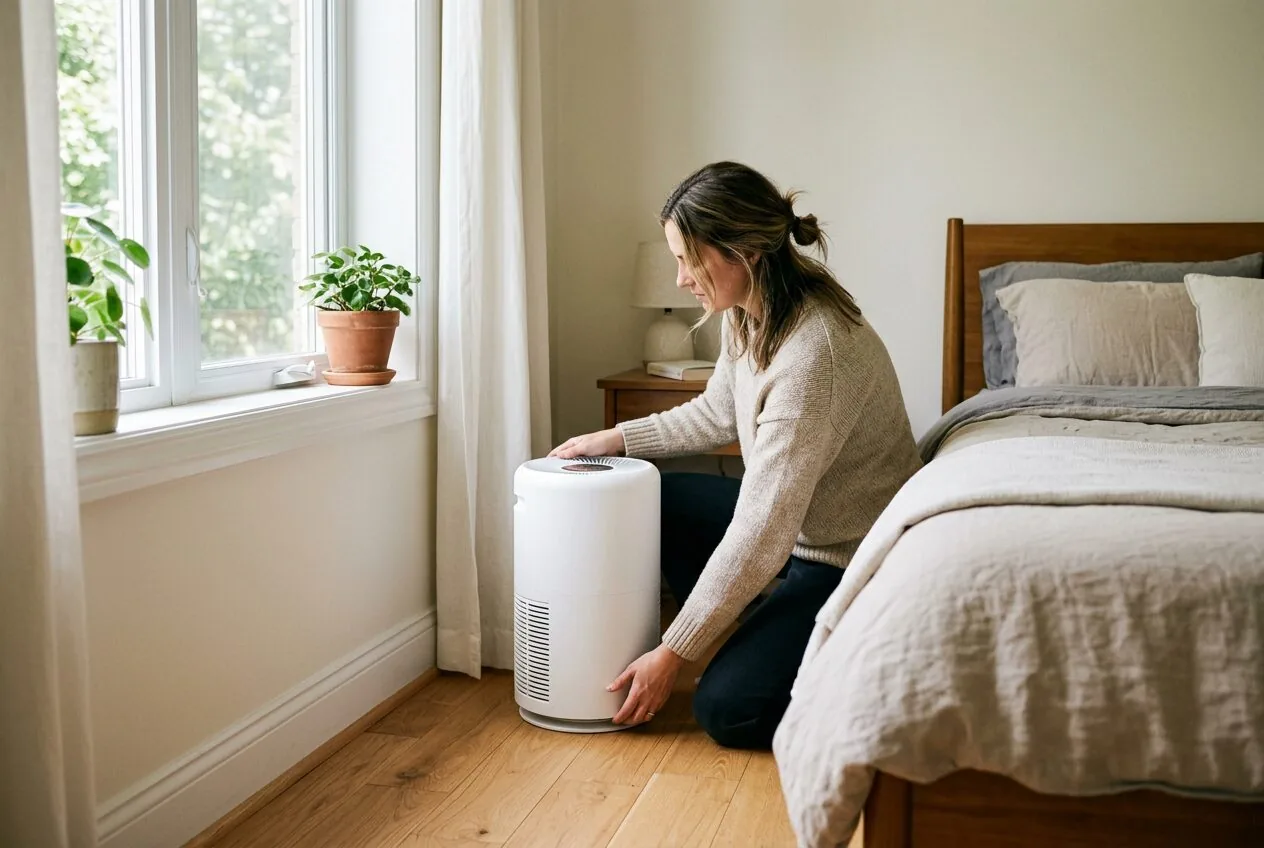
To maximize effectiveness during allergy peaks, place your air purifier in the room where you spend the most time during high-allergy periods—typically bedrooms for overnight protection and living areas during evening hours. Run the purifier continuously during peak seasons rather than intermittently, as this maintains a consistently clean air environment.
Many modern purifiers feature auto modes that adjust their fan speed based on detected air quality. This is particularly useful during unexpected allergen spikes, like when cooking releases particles or when outdoor pollution enters. For bedroom use during nighttime allergy peaks, look for units with quiet night modes that won’t disrupt sleep while maintaining protection.
Recommended Products for Managing Allergy Peaks
When selecting an air purifier for allergy management, consider models with true HEPA filtration, adequate room coverage, and features that help during peak times. Some units offer specialized sensors and automation that respond to changing air quality, while others provide quiet operation for uninterrupted use during sleep when nighttime symptoms often worsen.



As an Amazon Associate we earn from qualifying purchases. Product prices and availability are accurate as of the date/time indicated.
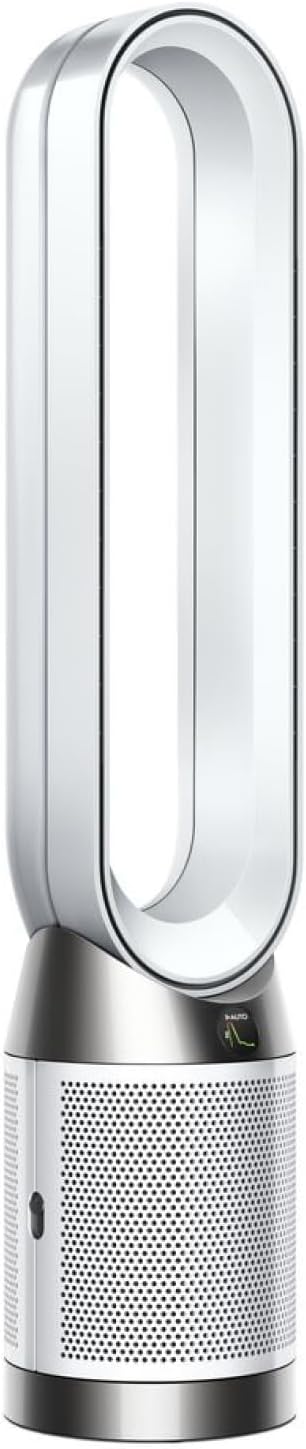
The COWAY Air Purifier for Home Bedroom combines purification with fan functionality and includes an auto mode that adjusts to room conditions, making it responsive to sudden allergen increases. For whole-room circulation that helps distribute clean air evenly during peak periods, the Dyson Purifier Cool Gen1 TP10 uses Air Multiplier technology to project purified air throughout your space.
If you need year-round management including heating during winter when homes are sealed tight, the Dyson Purifier Hot+Cool HP07 Air Purifier, Heater offers multifunctional purification. For those concerned about chemical allergens like formaldehyde that can exacerbate symptoms, the Dyson Purifier Cool Formaldehyde TP09 Air Purifier includes specialized detection and destruction capabilities.
Complementary Strategies for Peak Allergy Periods
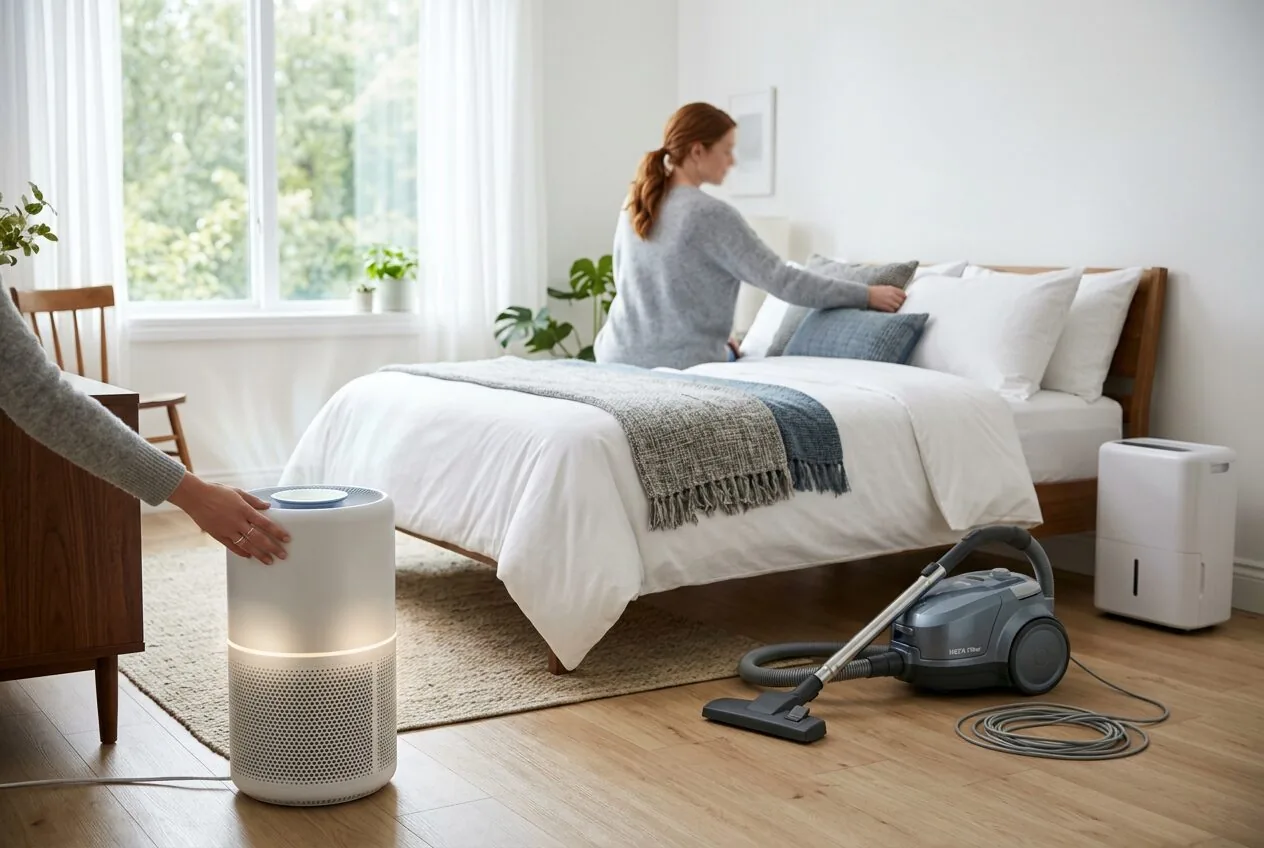
While air purifiers are powerful tools, they work best as part of a comprehensive approach to creating healthier living spaces. During peak allergy seasons, combine air purification with these additional strategies:
- Maintain indoor humidity between 30-50% to discourage dust mites and mold growth
- Wash bedding weekly in hot water (130°F or higher) to kill dust mites
- Use allergen-proof mattress and pillow covers
- Vacuum regularly with a HEPA-filter vacuum cleaner
- Bathe pets weekly to reduce dander
- Keep windows closed during high outdoor pollen counts
- Address water leaks promptly to prevent mold growth
These measures reduce the total allergen load in your home, making your air purifier’s job easier and more effective during peak periods. Remember that allergens settle on surfaces, so regular cleaning complements air filtration for comprehensive protection.
Frequently Asked Questions
What time of year are indoor allergies worst?
Indoor allergies often peak in late summer for dust mites due to high humidity, and in winter for pet dander as homes are sealed against cold weather. Mold allergies can spike during humid summer months and rainy fall periods. However, indoor allergens are present year-round, making continuous management important.
Do air purifiers work immediately for allergy relief?
Air purifiers begin filtering allergens immediately, but it takes time to significantly reduce the overall allergen load in a room. For noticeable symptom relief, run your purifier continuously for several hours, especially during peak allergy times. The effect is cumulative—consistent use provides the greatest benefit.
Should I run my air purifier all day during allergy season?
Yes, running your air purifier continuously during peak allergy seasons is recommended. This maintains consistently clean air rather than allowing allergens to accumulate between uses. Modern energy-efficient models are designed for continuous operation, and many feature auto modes that adjust fan speed based on need.
Can air purifiers make allergies worse initially?
Properly functioning air purifiers should not worsen allergies. However, if a filter is dirty or overdue for replacement, it might release captured particles back into the air. Some people might experience temporary symptoms as settled allergens are stirred up during room activity before being captured by the purifier.
How do I know if my air purifier is working for allergies?
Monitor your allergy symptoms over several weeks of consistent purifier use during peak times. You should notice reduced sneezing, congestion, or itchy eyes in the purified space. Some purifiers have particle sensors that show air quality improvements visually. Regular filter replacement according to manufacturer guidelines is essential for maintained effectiveness.
Are there specific features to look for in an air purifier for peak allergy times?
For managing allergy peaks, prioritize true HEPA filtration, adequate room coverage, a quiet night mode for uninterrupted sleep protection, and auto mode that responds to changing air quality. Some units offer specialized sensors for specific allergens like formaldehyde, which can be helpful if you have multiple allergy triggers.
Final Thoughts
Understanding when indoor air allergies peak empowers you to take proactive measures before symptoms become severe. By recognizing the seasonal and daily patterns of allergens in your home, you can strategically deploy air purification and other management strategies when they’re most needed.
An air purifier serves as your first line of defense during these peak periods, continuously removing allergens from the air you breathe. When combined with good cleaning practices and environmental controls, it can significantly reduce your exposure during the worst allergy times. For more guidance on selecting the right purification technology for your needs, explore our detailed air purifier reviews and comprehensive buying guides.
About the author
Editor at AirPurifierGuides.com. Emily has a background in professional communication and has worked with several health and technology publications. She edits our content for accuracy and answers reader questions about air quality.