How Air Purifiers Control Household Odors and What to Look For
Learn how air purifiers use activated carbon and other technologies to neutralize common household smells, from cooking and pets to smoke and VOCs, and how to choose the right one for your needs.
 By Emily Foster
Updated October 17, 2026
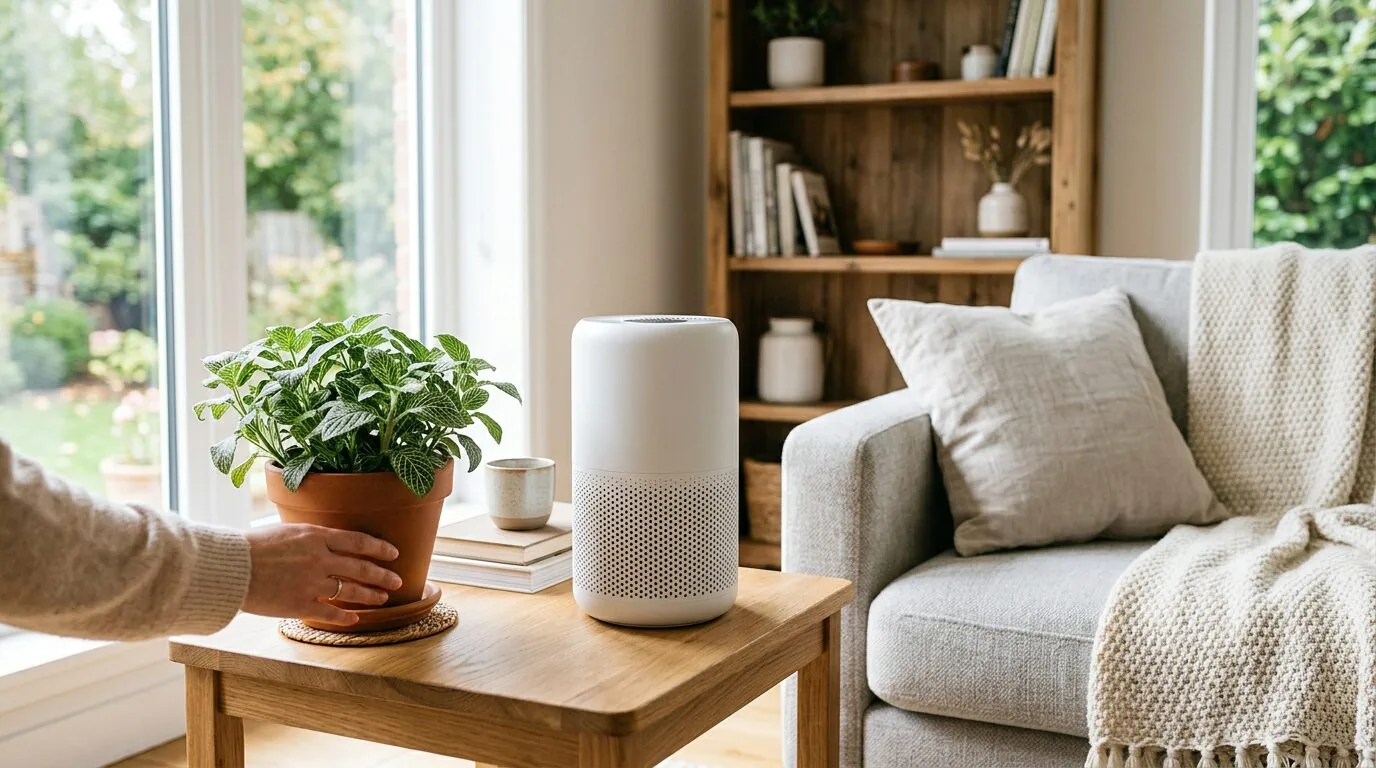
Yes, air purifiers can be highly effective for household odor control, but they must have the right type of filter—specifically a substantial activated carbon or charcoal filter—to trap and neutralize odor-causing molecules, rather than just masking them with fragrance.
Unpleasant household odors from cooking, pets, smoke, or mustiness can make your home feel less inviting and may even indicate poor indoor air quality. While sprays and candles often just cover up smells, a well-chosen air purifier tackles the source by removing the odor particles from the air. This article explains how air purifiers work for odor control, the key technologies involved, and how to select and maintain a unit to keep your home smelling fresh and clean.
How Air Purifiers Actually Eliminate Odors
Unlike particles such as dust or pollen, odors are caused by gaseous molecules and volatile organic compounds (VOCs) that are too small to be caught by a standard HEPA filter. To remove smells, an air purifier needs a different mechanism: adsorption. This is where activated carbon comes in.
The Role of Activated Carbon Filters
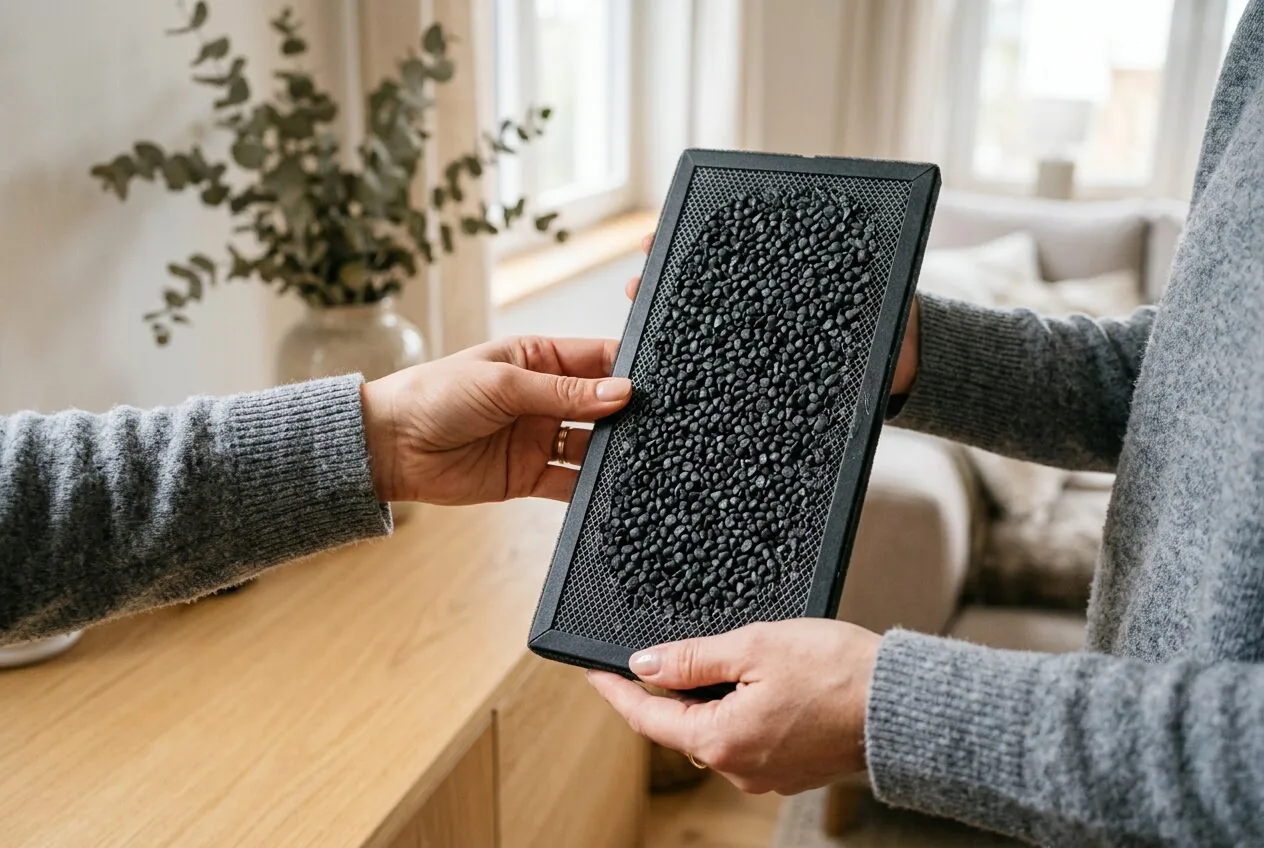
Activated carbon is a highly porous form of carbon treated to have a massive surface area. As air passes through it, odor molecules get trapped (adsorbed) in its countless microscopic pores. Think of it like a super-dense sponge specifically for smells. The more carbon a filter contains—often measured by its weight—the more odors it can capture before needing replacement. Some advanced filters use pelletized carbon or a honeycomb structure to maximize surface contact with the air.
Other Technologies for Odor Control
While activated carbon is the most common and effective method, some purifiers use additional technologies. Certain models employ PECO (Photo Electrochemical Oxidation) or other oxidative processes that can break down odor molecules at a molecular level. It’s important to note that ionizers and ozone generators, which are sometimes marketed for odor removal, can produce harmful byproducts and are not generally recommended for home use. For safe and effective odor control, a robust carbon filter is your best bet.
Choosing the Right Air Purifier for Odors
Not all air purifiers are created equal when it comes to smell removal. The key is to look beyond marketing claims and examine the filter technology and specifications.
Key Features to Prioritize
- Substantial Activated Carbon Filter: Look for a true carbon filter, not just a carbon-infused mesh. More carbon weight (e.g., 2 lbs vs. 0.5 lbs) typically means greater odor-adsorbing capacity and longer life.
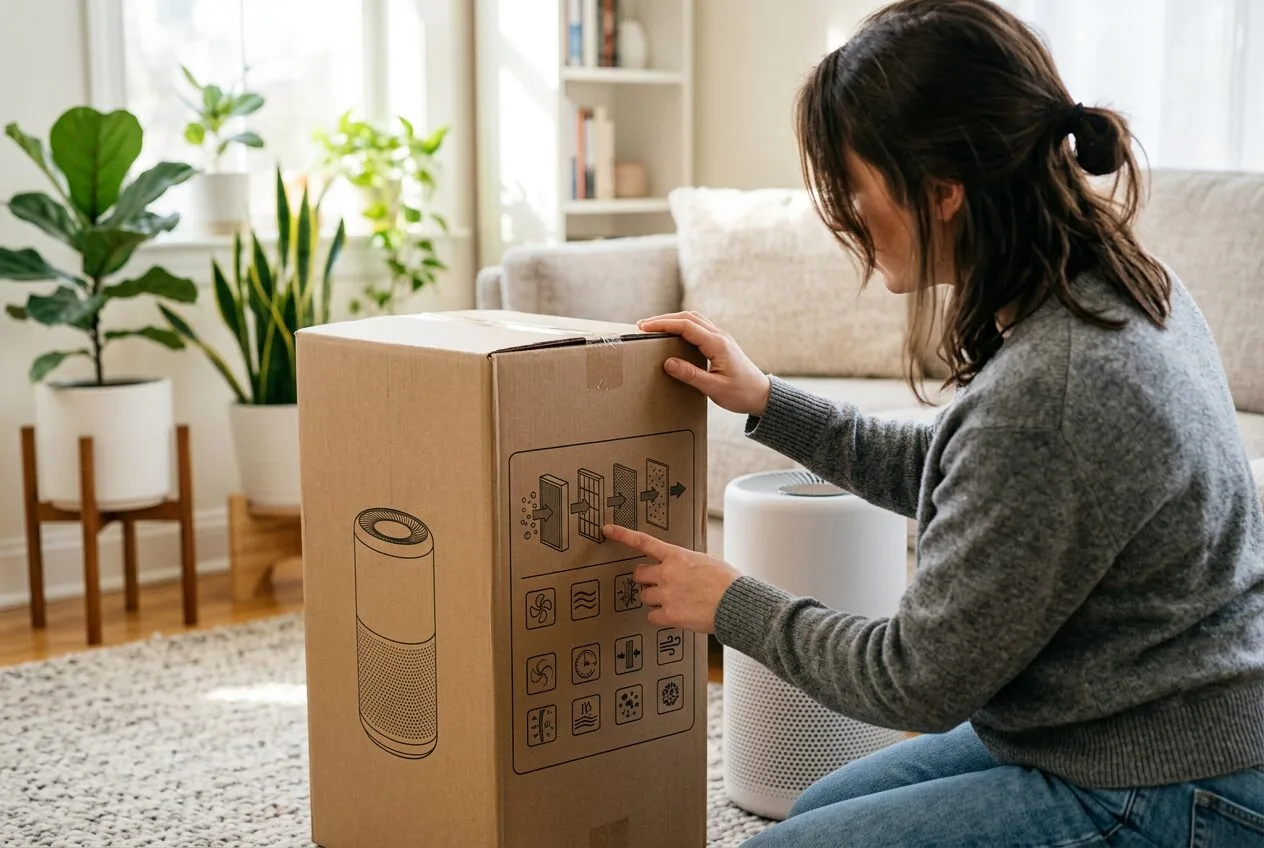
- Combined Filtration: The best units pair a HEPA filter for particles with a dedicated carbon filter for gases and odors. This two-pronged approach handles both dust/allergens and smells.
- Appropriate Room Size Rating: Ensure the purifier’s Clean Air Delivery Rate (CADR) for smoke (which correlates with gas removal) is rated for your room’s square footage. It’s wise to choose a unit rated for a room slightly larger than yours for better effectiveness.
- Air Change Per Hour (ACH): For odor control, a higher ACH (aim for at least 4) means the machine cycles the room’s air more frequently, capturing new odors as they are produced.
What to Avoid
Be cautious of purifiers that rely solely on ionizers or “plasma” for odor removal, as evidence of their safety and efficacy for home use is mixed. Also, avoid units that only use a fragrance cartridge or “odor masker”—these don’t remove odors, they just add another scent on top. For a deeper dive into filtration standards, our guide on how air purifiers reduce airborne contaminants provides useful context.
Maintaining Your Purifier for Peak Odor Performance
An air purifier’s ability to control odors diminishes as its filters become saturated. Regular maintenance is non-negotiable.
Filter Replacement is Crucial
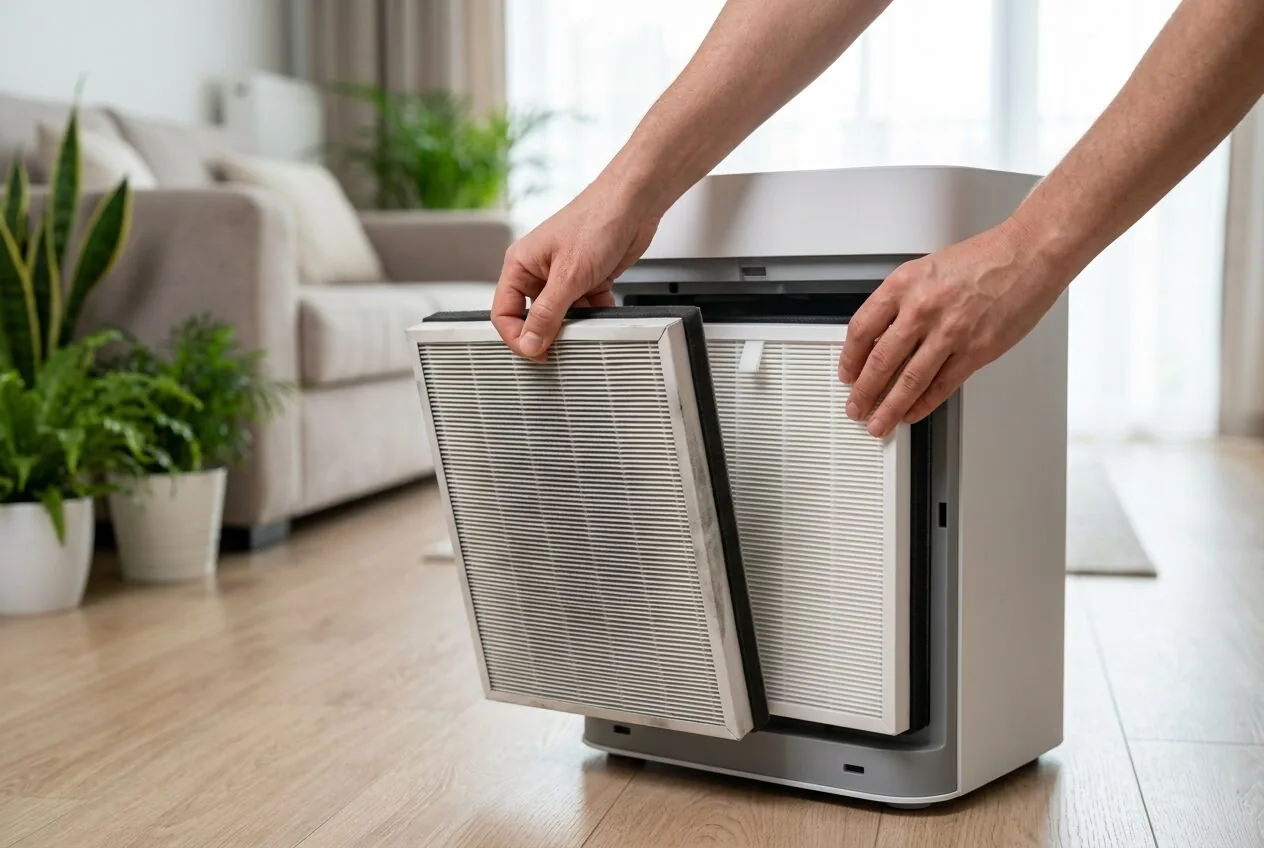
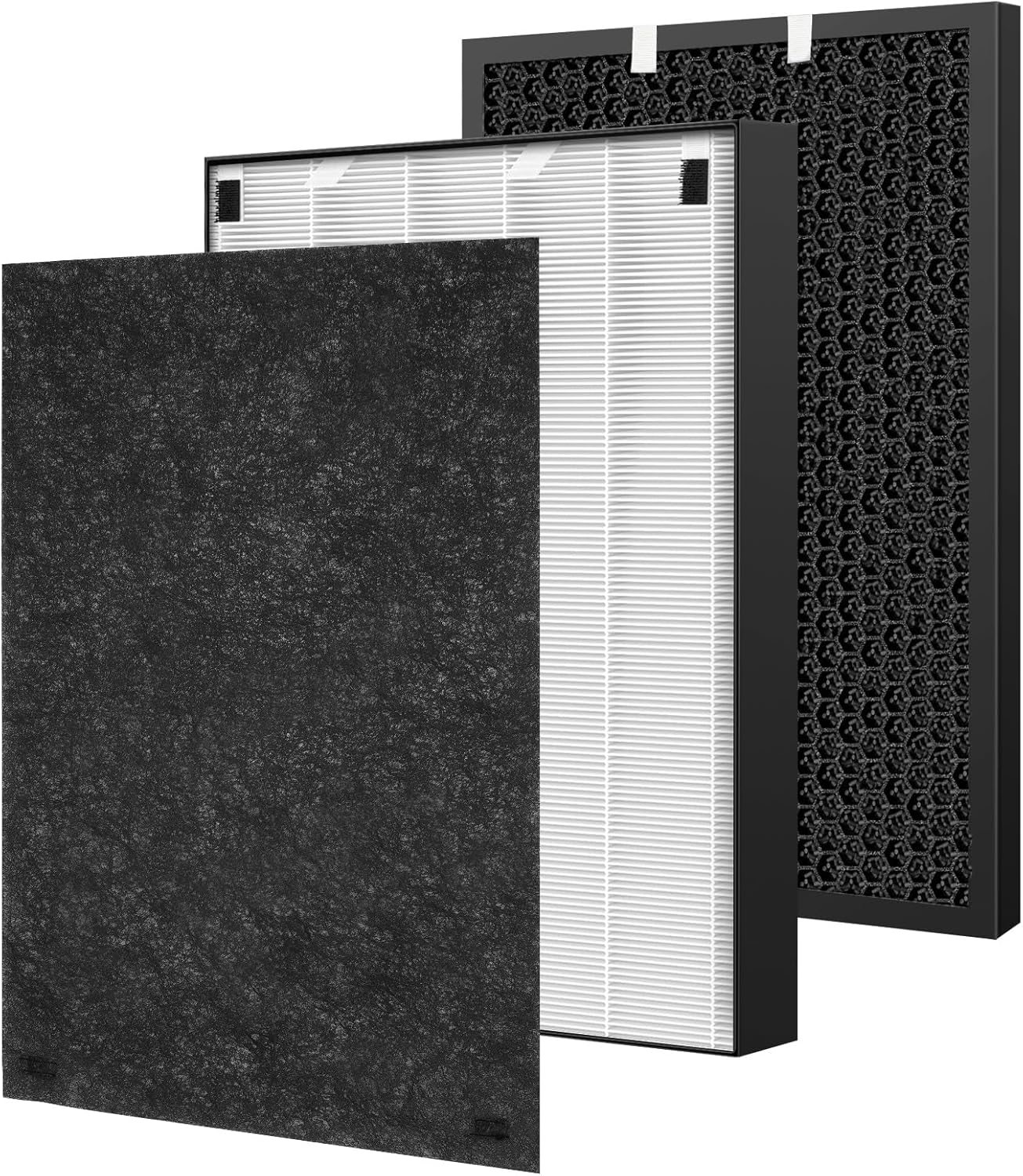
The activated carbon filter has a finite capacity. Once its pores are full, it can no longer adsorb new odor molecules. Most manufacturers recommend replacing the combined HEPA/carbon filter every 6 to 12 months, but this interval shortens in homes with strong, persistent odors from pets, cooking, or smoking. Using genuine or high-quality compatible replacement filters ensures the system works as designed. For example, the 12010 Replacement Filter for Clorox 11010 & 11011 includes a robust three-stage system with an activated carbon layer specifically for odor removal.
Pre-Filter Care
Many purifiers have a washable pre-filter that catches large particles like hair and dust. Vacuuming or rinsing this pre-filter monthly (as per instructions) prevents it from clogging and allows air to flow freely to the main carbon and HEPA filters, maximizing odor-removal efficiency.
Recommended Products
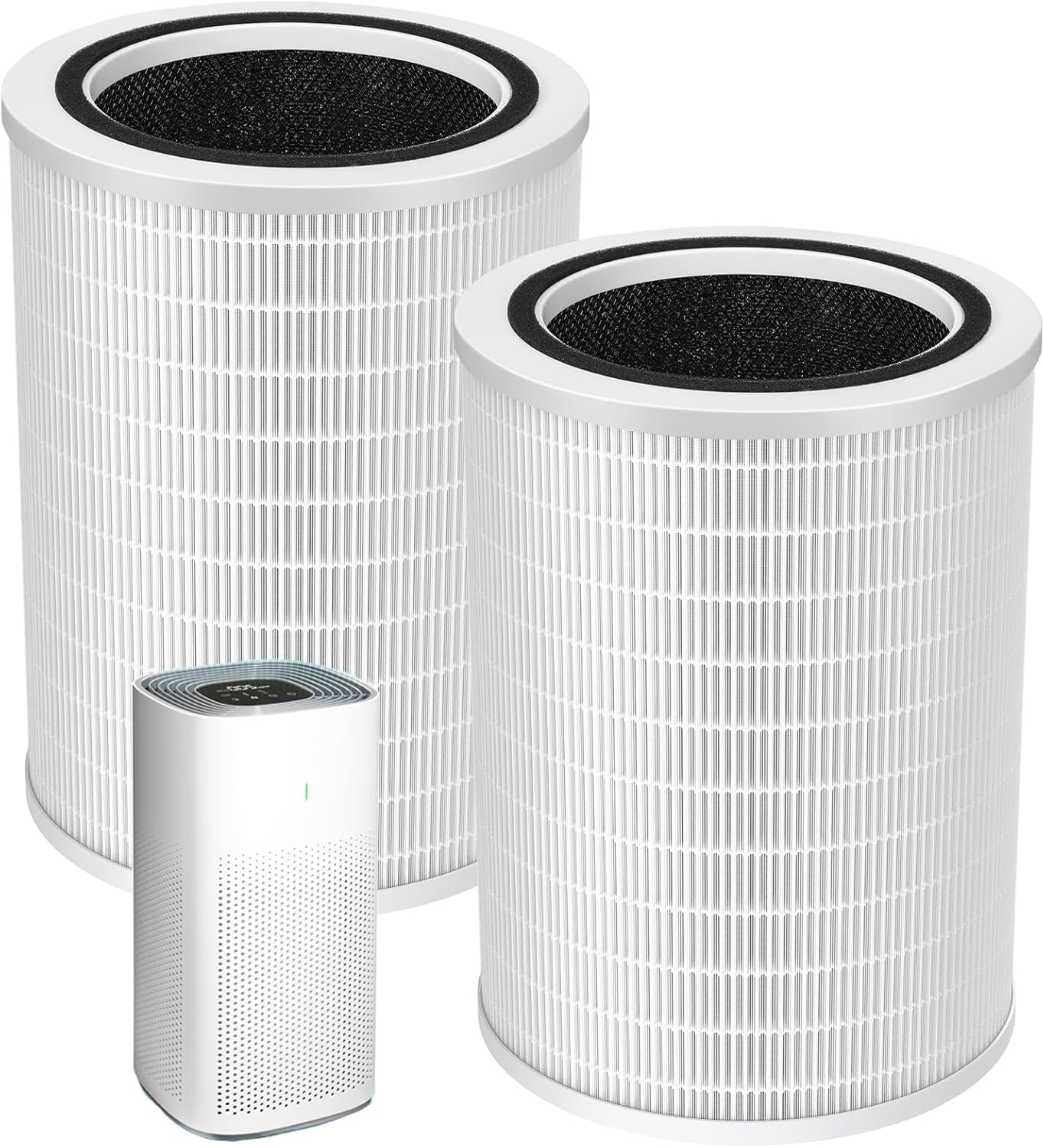
Effective odor control starts with a purifier that has a true multi-stage filter with a dedicated carbon component. Keeping replacement filters on hand is key to maintaining performance. The following products are examples of units and filters designed to tackle household smells.



As an Amazon Associate we earn from qualifying purchases. Product prices and availability are accurate as of the date/time indicated.
Frequently Asked Questions
Can an air purifier remove cooking smells like fish or fried food?
Yes, a purifier with a sufficient activated carbon filter is excellent for removing lingering cooking odors. For best results, run it on a high setting in or near the kitchen during and after cooking. The carbon adsorbs the oily, gaseous molecules that cause these stubborn smells.
Are air purifiers effective against pet odors?
They are effective at removing airborne pet dander and the associated odors from the air. However, they do not remove odors embedded in carpets, furniture, or litter boxes. For comprehensive pet odor control, use an air purifier in conjunction with regular cleaning of pet areas, fabrics, and surfaces. The u003ca href=u0022https://airpurifierguides.com/aucleia-kq-31-review/u0022u003eAucleia Air Purifiers for Home Petsu003c/au003e is one model marketed for this specific challenge.
How long does it take for an air purifier to remove a smell?
It depends on the purifier’s CADR, room size, and odor strength. For a sudden, strong odor (like burnt food), you might notice a significant reduction within 30-60 minutes on a high setting. For persistent background odors (like mustiness or a pet smell), it may take several days of continuous operation to achieve a noticeable, lasting improvement.
Do I need a special air purifier for cigarette or cigar smoke?
Yes. Tobacco smoke is a particularly challenging odor that also leaves sticky residue. You need a purifier with a very heavy-duty activated carbon filter and a high CADR for smoke. Look for models specifically designed for smoke removal, as they often contain several pounds of carbon. Be prepared to replace the filters more frequently, as they will saturate quickly.
Can an air purifier help with musty or u0026quot;old houseu0026quot; smells?
An air purifier can remove the musty-smelling mold spores and VOCs that are already airborne. However, if the smell is pervasive, it likely indicates an active moisture or mold problem in walls, carpets, or basements. The purifier is a helpful tool for air quality, but the underlying source of moisture must be addressed. Learn more about the unique challenges in our article on u003ca href=u0022https://airpurifierguides.com/air-purifiers-and-air-quality-in-older-homes/u0022u003eair quality in older homesu003c/au003e.
Final Thoughts
An air purifier can be a powerful ally in the fight against household odors, moving beyond masking scents to actually removing the offending molecules from your air. The cornerstone of this capability is a robust, well-maintained activated carbon filter. By choosing a unit with adequate carbon capacity, ensuring it’s properly sized for your space, and committing to a regular filter replacement schedule, you can achieve a noticeably fresher and cleaner-smelling home environment. Remember, for the most persistent odor issues, an air purifier works best as part of a broader strategy that includes source control and good ventilation.
About the author
Editor at AirPurifierGuides.com. Emily has a background in professional communication and has worked with several health and technology publications. She edits our content for accuracy and answers reader questions about air quality.