Can Air Purifiers Reduce Airborne Contaminants? What the Science Says
Air purifiers can be highly effective at reducing airborne contaminants like dust, pollen, and smoke. This guide explains how they work, which types are best, and how to maximize their benefits.
 By Emily Foster
Updated October 17, 2026
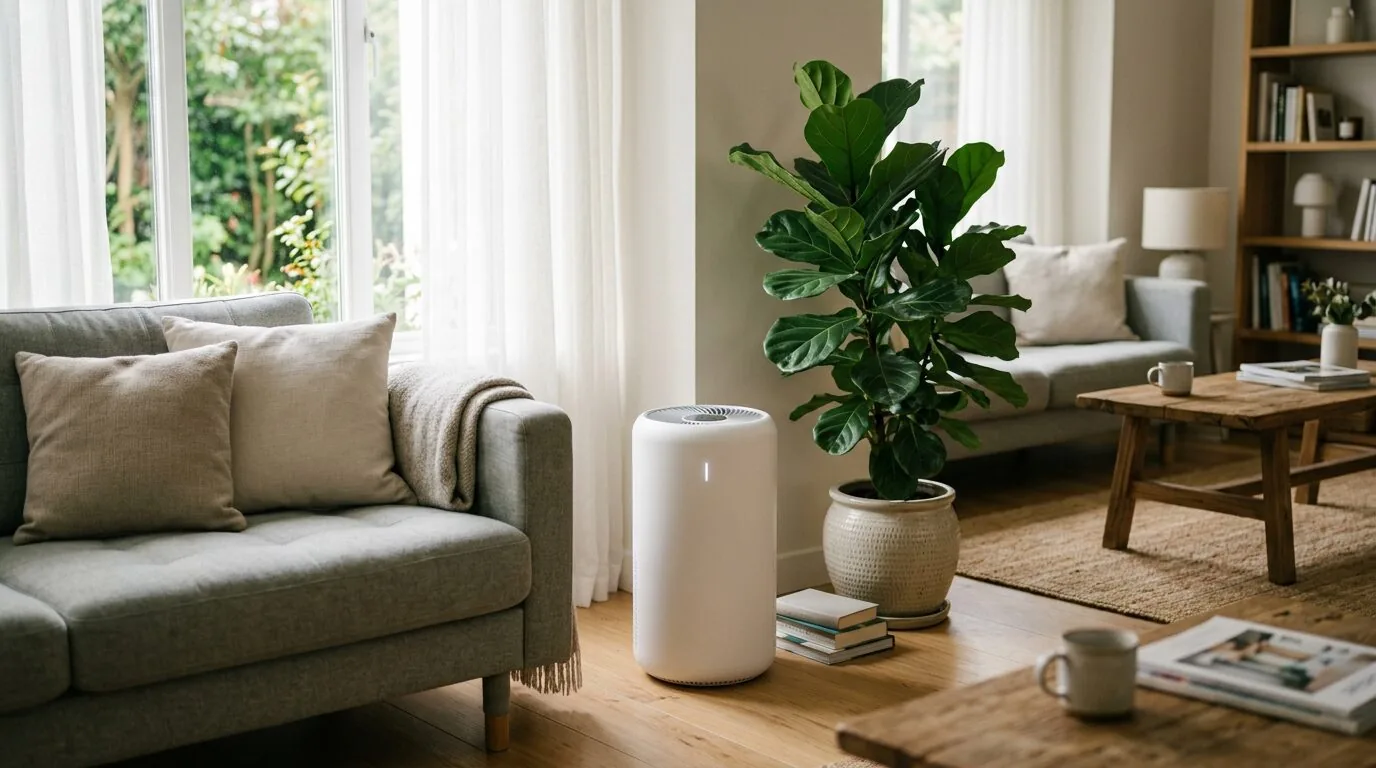
Yes, air purifiers can significantly reduce airborne contaminants when they use the right technology, like HEPA filters, and are properly sized for the space. They are designed to capture particles like dust, pollen, pet dander, mold spores, and even some smoke, effectively cleaning the air you breathe indoors.
If you’re concerned about the quality of the air in your home, you’re not alone. Many common household activities, from cooking to cleaning, can release pollutants into the air. An air purifier acts as a dedicated cleaner for your indoor environment, but understanding how they work and their limitations is key to using them effectively. This article explains the science behind air purification and how you can use these devices to create a healthier living space.
How Air Purifiers Capture Contaminants
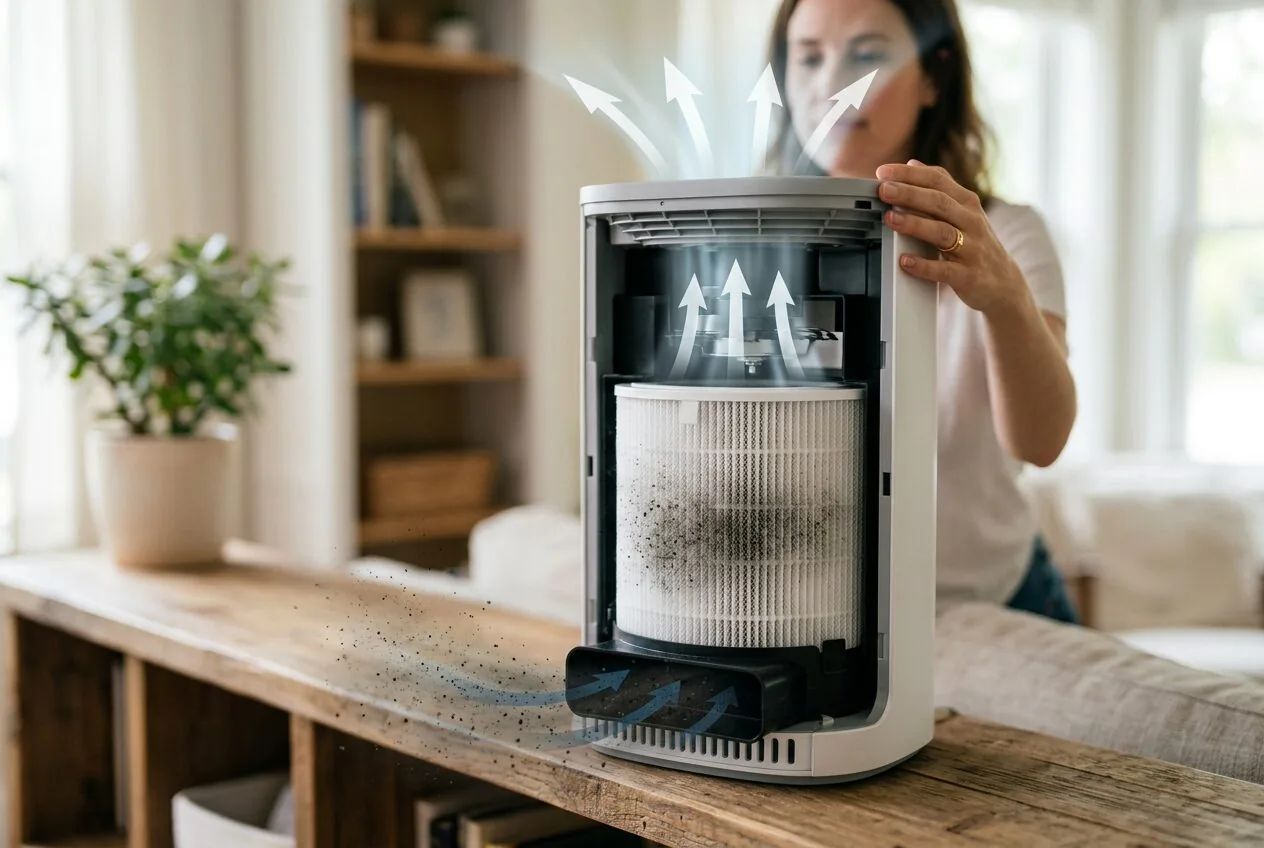
Air purifiers work by pulling room air through a series of internal filters and then recirculating the cleaned air. The core of their effectiveness lies in the filtration technology they employ. Not all purifiers are created equal, and the type of filter determines what kinds of contaminants it can remove.
HEPA Filtration: The Gold Standard for Particles
True HEPA (High-Efficiency Particulate Air) filters are the most effective at removing solid particles from the air. To earn the HEPA designation, a filter must capture at least 99.97% of particles that are 0.3 microns in size. This size is the most penetrating particle size (MPPS), meaning it’s hardest to catch, so efficiency is often even higher for larger or smaller particles.
- What they capture: Dust, pollen, pet dander, mold spores, and many bacteria.
- Limitations: Standard HEPA filters do not capture gases, odors, or volatile organic compounds (VOCs). They are purely mechanical filters.
Activated Carbon for Gases and Odors
To tackle the contaminants that HEPA filters miss, many purifiers include a bed of activated carbon. This is a highly porous form of carbon that acts like a sponge for gaseous pollutants through a process called adsorption.
- What they capture: Cooking smells, tobacco smoke, VOCs from paints and cleaners, and pet odors.
- Important note: The amount and quality of carbon matter. A thin mesh sheet with carbon sprinkled on it is far less effective than a thick, granular carbon filter.
Other Technologies: UV-C and Ionizers
Some air purifiers include additional technologies. Ultraviolet (UV-C) light can kill certain viruses, bacteria, and mold spores that are trapped on the filter. Ionizers release charged ions that cause particles to clump together and fall out of the air or stick to surfaces, but they can produce ozone, a lung irritant. For reducing standard airborne contaminants, a good HEPA and carbon filter combination is the most proven and recommended approach. For more on maintaining clean air in specific home environments, see our guide on air quality in older homes.
What Airborne Contaminants Can They Actually Reduce?
The effectiveness of an air purifier depends entirely on matching its technology to the specific contaminant. Here’s a breakdown of common household pollutants and how well purifiers handle them.
| Contaminant Type | Examples | Best Purifier Technology | Effectiveness |
|---|---|---|---|
| Particulate Matter | Dust, pollen, pet dander | HEPA Filter | Very High |
| Microbials | Mold spores, some bacteria | HEPA Filter (UV-C can help inactivate) | High for capture |
| Smoke & Soot | From cooking, tobacco, wildfires | HEPA + Heavy Carbon Filter | High for particles, moderate for smell |
| Gases & VOCs | Cleaning fumes, paint odors | Granular Activated Carbon | Moderate to High (depends on carbon volume) |
| Viruses | Flu, COVID-19 (attached to droplets/dust) | HEPA Filter | Can capture virus-laden particles* |
*It’s important to note that while HEPA filters can capture the droplets or dust particles that viruses travel on, an air purifier is a supplemental tool and should not be relied upon as the sole method of infection control. Good ventilation and source control are primary. Understanding these allergens is crucial, which is why we have a complete guide on common household allergens.
Maximizing Your Air Purifier’s Effectiveness
Simply owning an air purifier isn’t enough. To truly reduce airborne contaminants, you need to use it correctly. Following these best practices will ensure you get the most out of your device.
Choose the Right Size (Match CADR to Room Size)
The Clean Air Delivery Rate (CADR) is a standard measurement that tells you how much clean air a purifier delivers for smoke, dust, and pollen. For the best results, select a purifier with a CADR that is at least two-thirds the area of your room. For a 300-square-foot room, look for a smoke CADR of at least 200. Running a purifier that’s too small for the space is one of the most common mistakes.
Placement and Runtime Are Key
- Keep it unobstructed: Place the purifier in an open area, at least a few feet from walls and furniture, to allow for proper air intake and output.
- Run it continuously: Air purification is an ongoing process. Contaminants are constantly being introduced. For the cleanest air, run your purifier on a low or automatic setting 24/7. Modern models like the BLUEAIR Air Purifiers for Home Bedroom Dorm up are designed for energy-efficient, continuous operation.
- Close windows and doors: For the purifier to clean the air in a specific room, keep that space closed off. Otherwise, you’re trying to clean the entire outdoors.
Maintain Your Filters Faithfully
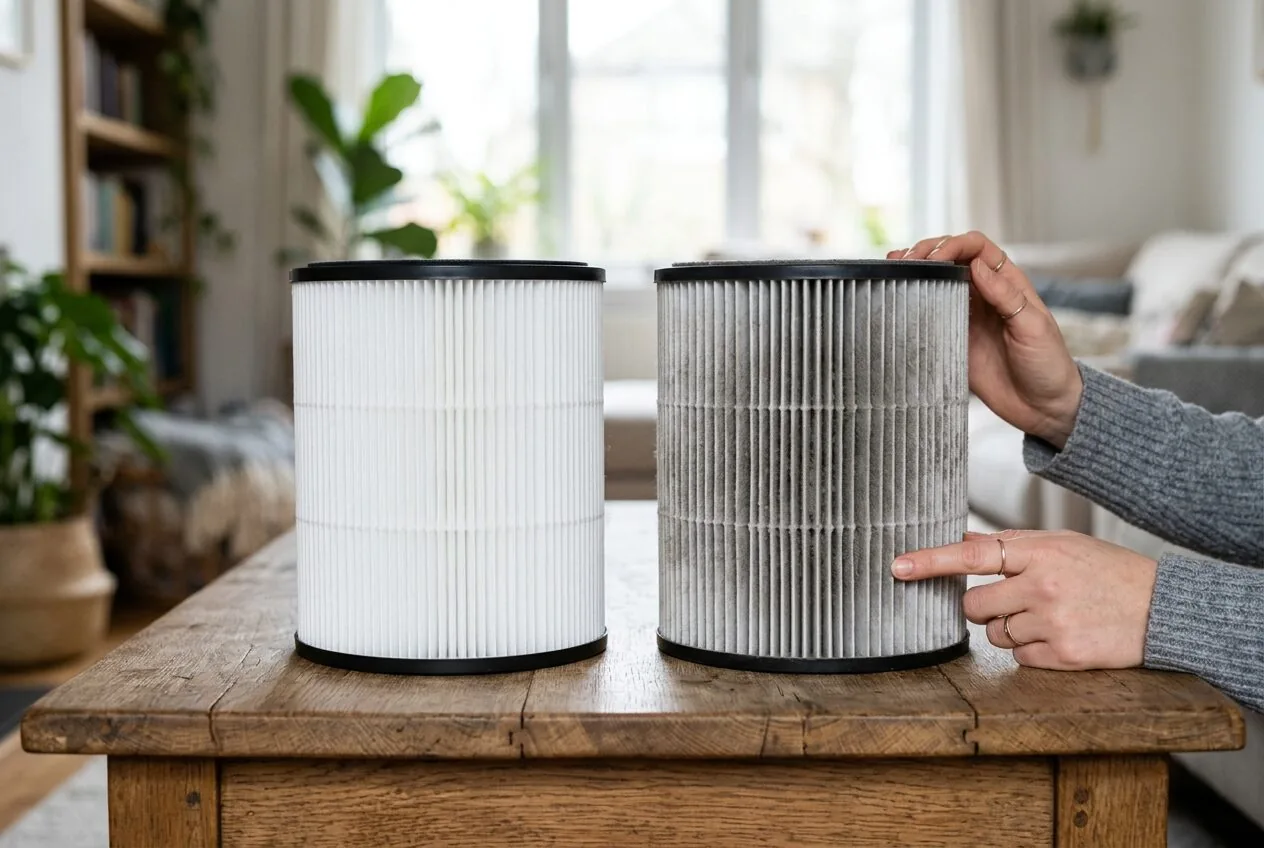
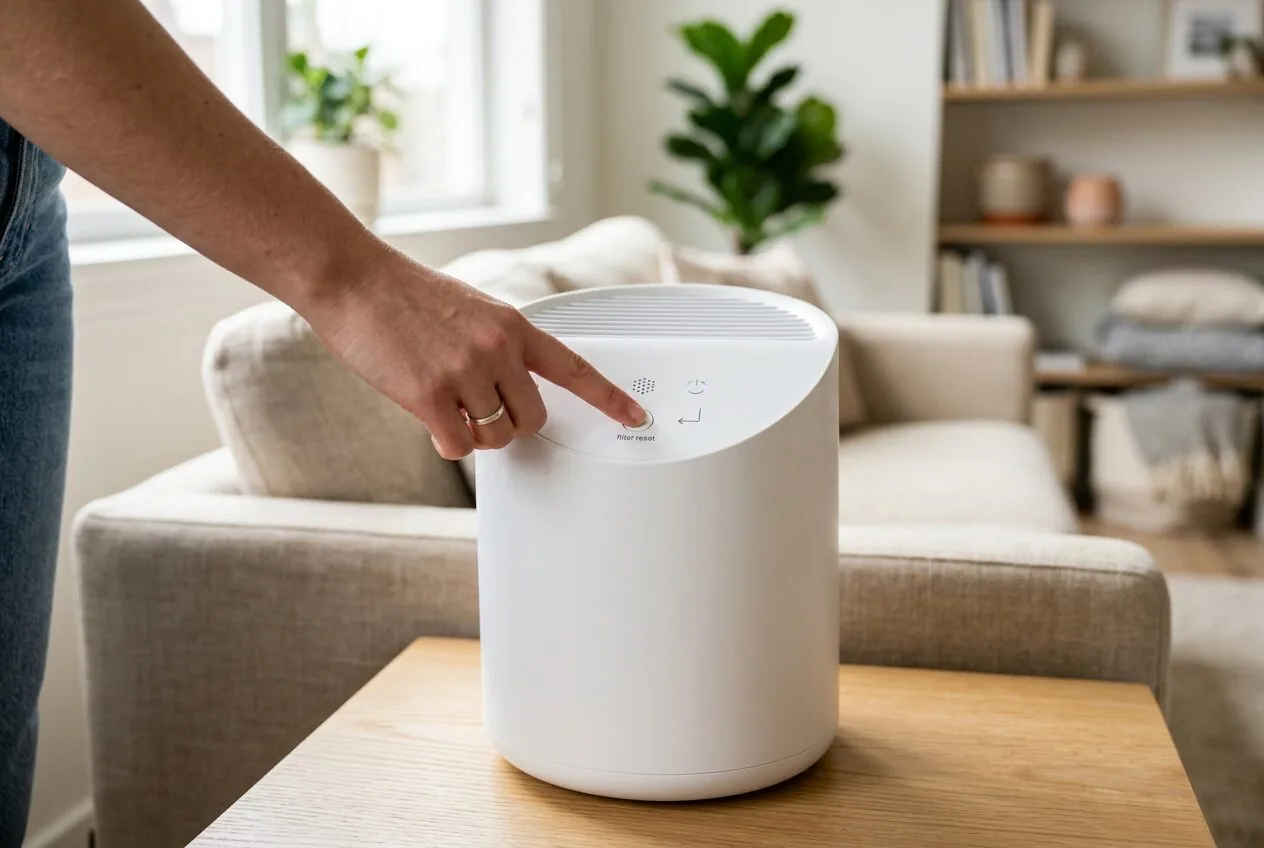
A clogged filter doesn’t just work poorly; it forces the fan motor to work harder and can reduce air flow to zero. Check your pre-filter monthly (vacuum it if it’s dirty) and replace the main HEPA and carbon filters according to the manufacturer’s schedule, or when the indicator light comes on. Using high-quality replacement filters, such as the Air 320 Filter Replacement for Bissell Air320 or the 360° Combi Glass Hepa + Carbon Filter for Dyson, ensures your purifier performs as intended.
Recommended Products
To effectively reduce airborne contaminants, you need a reliable air purifier with robust filtration. The products below represent good examples of units and replacement filters that can help you maintain cleaner indoor air. Remember, regular filter replacement is essential for sustained performance.
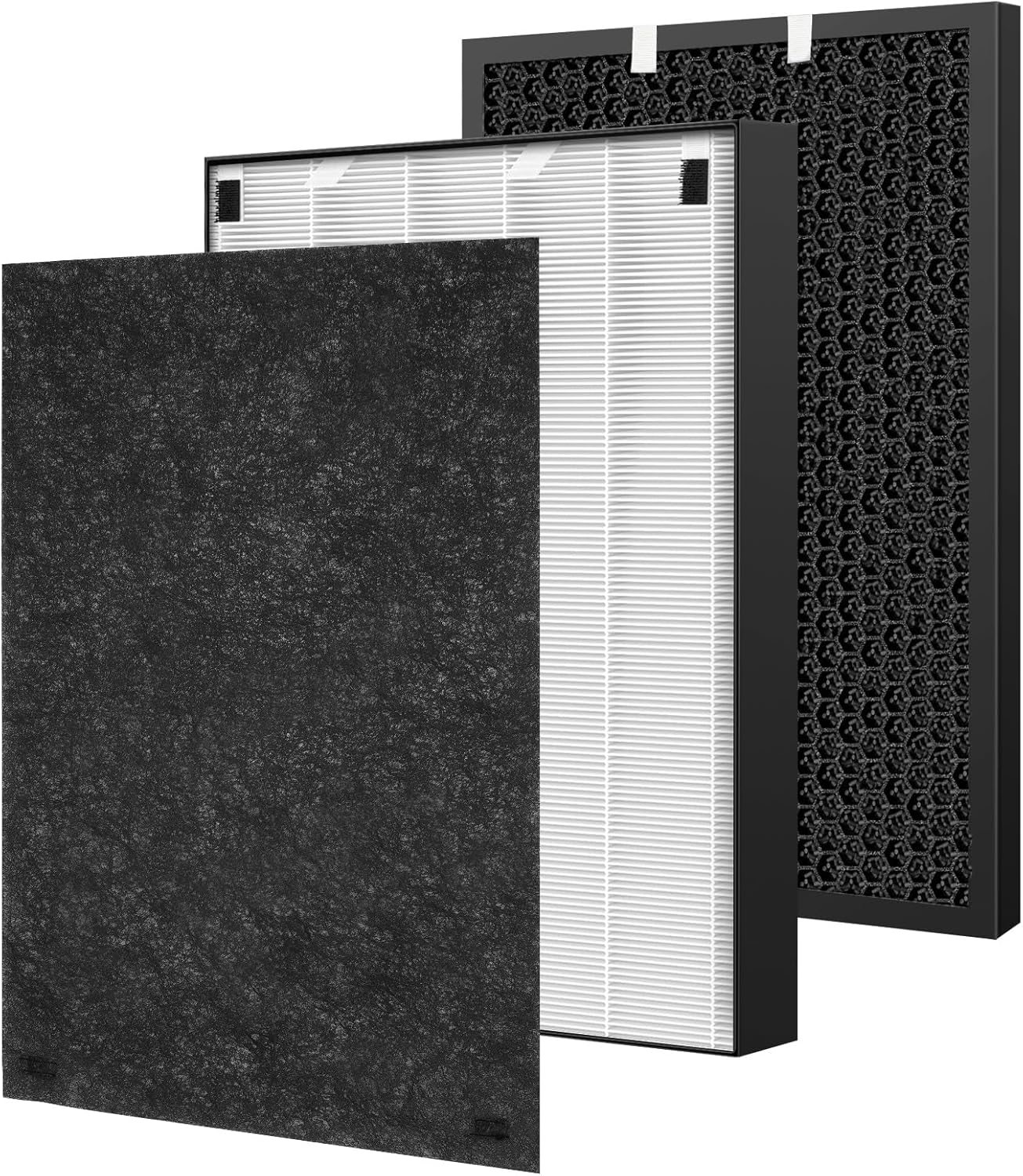


As an Amazon Associate we earn from qualifying purchases. Product prices and availability are accurate as of the date/time indicated.
Frequently Asked Questions
Do air purifiers help with COVID-19 or other viruses?
Air purifiers with HEPA filters can capture the respiratory droplets and aerosols that viruses like COVID-19 travel on. While they can reduce airborne viral load as part of a layered strategy (alongside vaccination, ventilation, and masks), they should not be considered a standalone solution for preventing infection.
Can an air purifier remove all dust from my home?
An air purifier can significantly reduce airborne dust, but it cannot eliminate dust that has already settled on surfaces. You will still need to dust and vacuum regularly. The purifier’s role is to clean the air, preventing new dust from settling as quickly and reducing the dust you breathe in.
Are air purifiers with ionizers safe?
Many ionizers produce ozone, even at low levels, which is a known lung irritant that can worsen asthma and other respiratory conditions. For most people looking to reduce standard contaminants, an air purifier that uses only mechanical filtration (HEPA and carbon) is the safer and more effective choice.
How long does it take for an air purifier to clean a room?
This depends on the purifier’s CADR and the room size. A properly sized unit can exchange the air in a room 4-5 times per hour. You may notice a difference in air quality within 30 minutes to an hour, but for a substantial reduction in contaminant levels, especially after an event like cooking or dusting, it may take several hours of continuous operation.
Should I run my air purifier on the highest fan speed?
Running on high speed will clean the air fastest, but it’s also noisier and uses more energy. For ongoing maintenance of air quality, a low or medium setting is usually sufficient. Use the high setting for a quick clean after known pollution events, or use the auto mode if your purifier has a smart sensor.
Final Thoughts
Air purifiers are a powerful tool for reducing a wide array of airborne contaminants, from allergy-inducing pollen and pet dander to household odors and smoke particles. Their effectiveness is rooted in proven filtration science, primarily through HEPA and activated carbon technologies. For individuals concerned about bedroom air quality or overall clean indoor air, a purifier can make a noticeable difference in comfort and health.
Success hinges on selecting the right purifier for your needs, ensuring it is adequately sized for your space, and committing to regular maintenance. When used correctly, an air purifier moves from being just another appliance to an active contributor to your home’s health ecosystem, providing cleaner, fresher air for you and your family to breathe every day.
About the author
Editor at AirPurifierGuides.com. Emily has a background in professional communication and has worked with several health and technology publications. She edits our content for accuracy and answers reader questions about air quality.