Air Purifiers and the Importance of Clean Indoor Air
Learn why clean indoor air is essential for health and how air purifiers work to remove pollutants, reduce allergy symptoms, and create a healthier home environment.
 By Emily Foster
Updated October 16, 2026
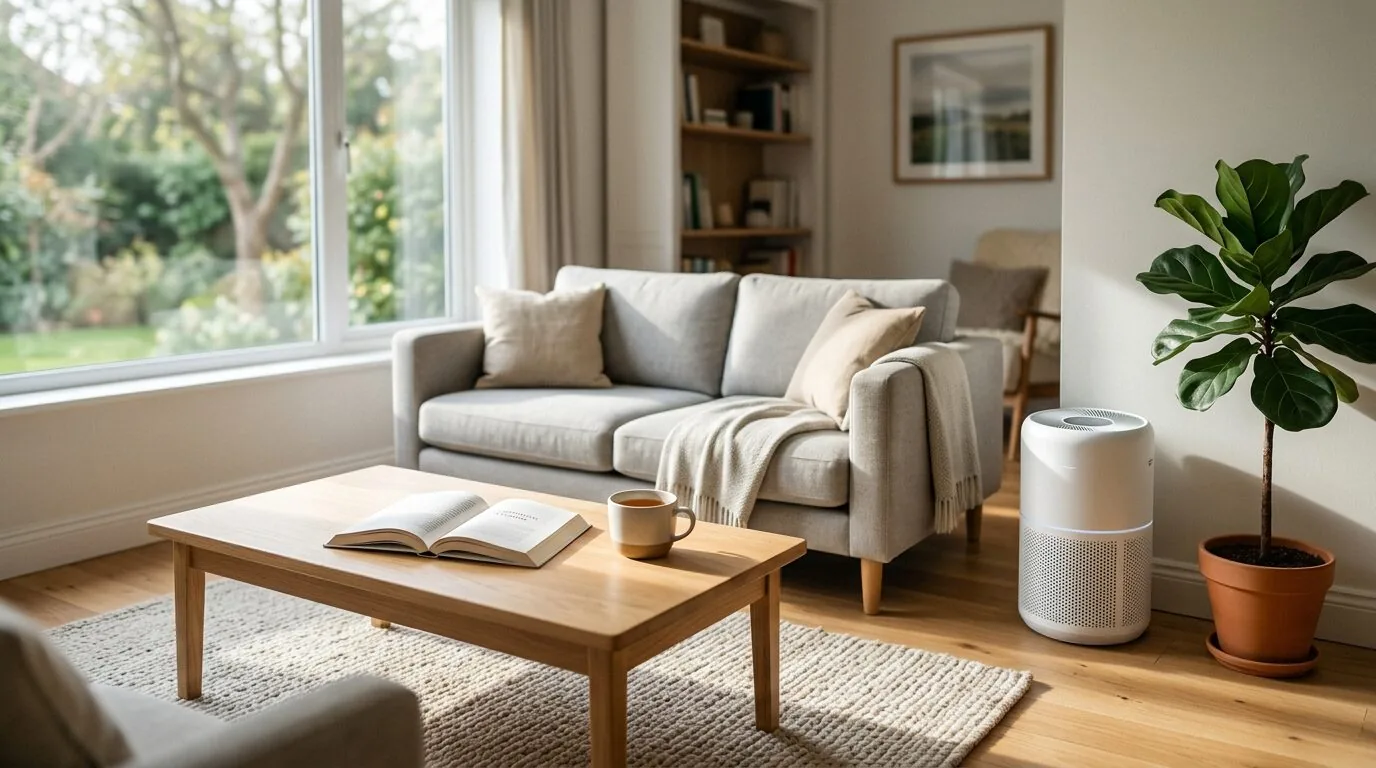
You may be surprised to learn that indoor air can be two to five times more polluted than outdoor air. This guide explains the importance of clean indoor air and how air purifiers serve as a key tool for creating a healthier living space.
Clean indoor air is fundamental to your well-being. We spend approximately 90% of our time indoors, where pollutants can concentrate without proper ventilation. Understanding the sources and effects of these pollutants is the first step toward improving your home’s air quality and protecting your health.
Why Indoor Air Quality Is a Critical Health Concern
Indoor air quality directly impacts your respiratory health, sleep quality, and overall comfort. Common pollutants like dust, pollen, pet dander, mold spores, and volatile organic compounds from cleaning products can linger in the air you breathe every day.
Poor indoor air quality is linked to a range of health issues. For allergy and asthma sufferers, it can trigger symptoms like sneezing, coughing, and wheezing. For everyone, long-term exposure to fine particles and gases can contribute to respiratory diseases and other chronic conditions, making proactive air cleaning a smart health investment.
How Air Purifiers Work to Clean Your Air
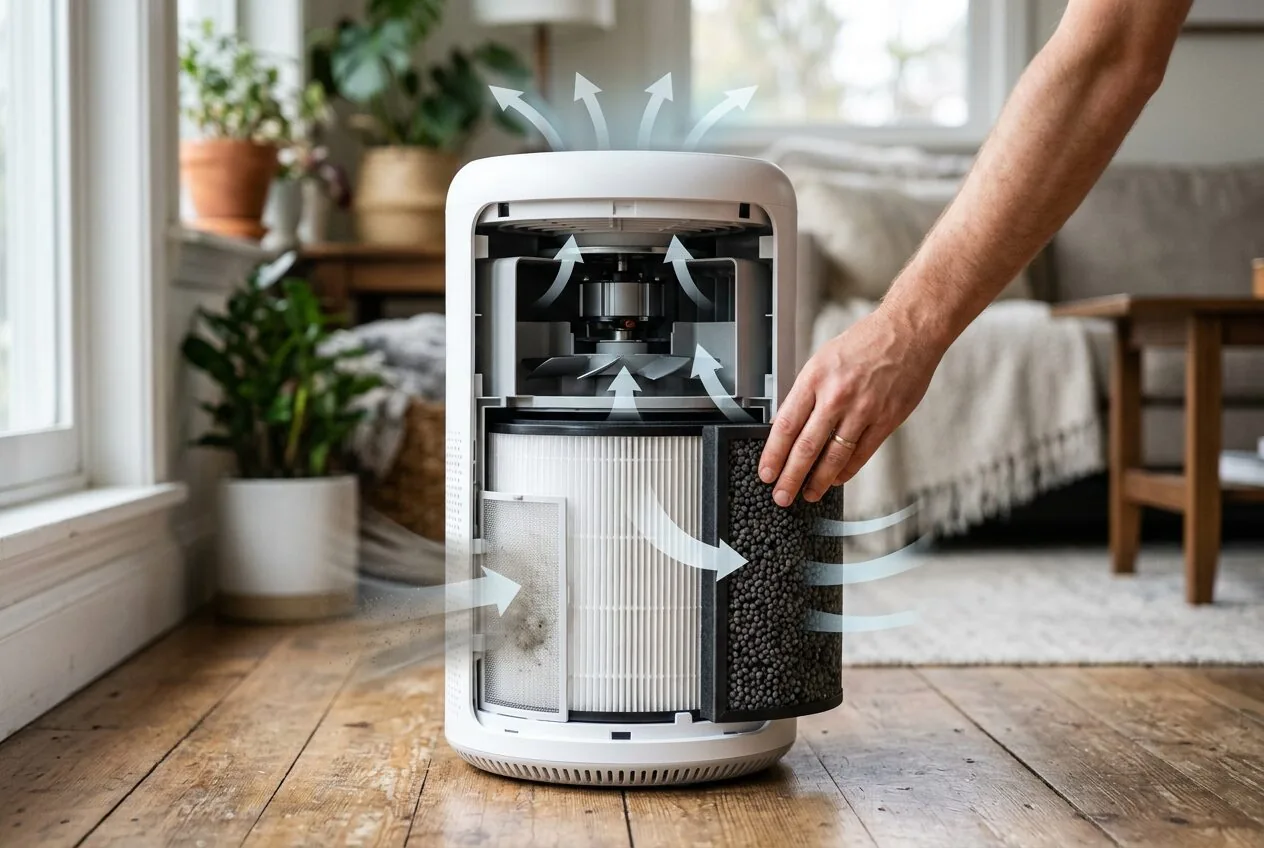
Air purifiers use a combination of fans and filters to pull air from your room, trap airborne particles, and recirculate cleaner air. The core of their effectiveness lies in the filtration system, with HEPA filters being the gold standard for particle removal.
Most purifiers use a multi-stage process. A pre-filter catches larger particles like hair and lint. The main HEPA filter then captures microscopic allergens and pollutants. Finally, an activated carbon layer can adsorb odors and gases. This process continuously cycles the air in a room, gradually reducing the concentration of pollutants. For a deeper look at different filter technologies, see our guide on air purifier filter types and functions.
The Proven Benefits of Using an Air Purifier
Reduction of Allergy and Asthma Triggers
By removing pollen, dust mites, mold spores, and pet dander from the air, purifiers can significantly reduce the triggers for allergic reactions and asthma attacks. This creates a more comfortable environment, especially during peak allergy seasons. Learn more about managing these peaks in our article on Air Purifiers & Indoor Air Allergy Peaks.
Removal of Harmful Particles and Odors
Air purifiers with HEPA and carbon filters can capture fine particulate matter from sources like cooking smoke, wildfire smoke, and vehicle exhaust that seeps indoors. The carbon filter also helps neutralize stubborn odors from pets, cooking, and tobacco, leaving your home smelling fresher.
Support for Overall Health and Wellbeing
Cleaner air can lead to better sleep, reduced stress on your respiratory system, and a lower risk of irritation from pollutants. It’s a foundational element of a healthy home, as detailed in our post on how air purifiers support healthier living spaces.
Choosing the Right Air Purifier for Your Needs
Selecting an effective air purifier involves matching its capabilities to your specific room and concerns. The most important factor is ensuring the purifier is powerful enough for the size of your space, which is indicated by its Clean Air Delivery Rate and recommended room size.
Consider your primary goal. If allergies are your main concern, prioritize a True HEPA filter. For odor removal, look for a substantial activated carbon filter. Noise level is also crucial for bedrooms; a model with a quiet sleep mode is ideal. For help navigating your options, explore our comprehensive Buying Guides.
Recommended Products
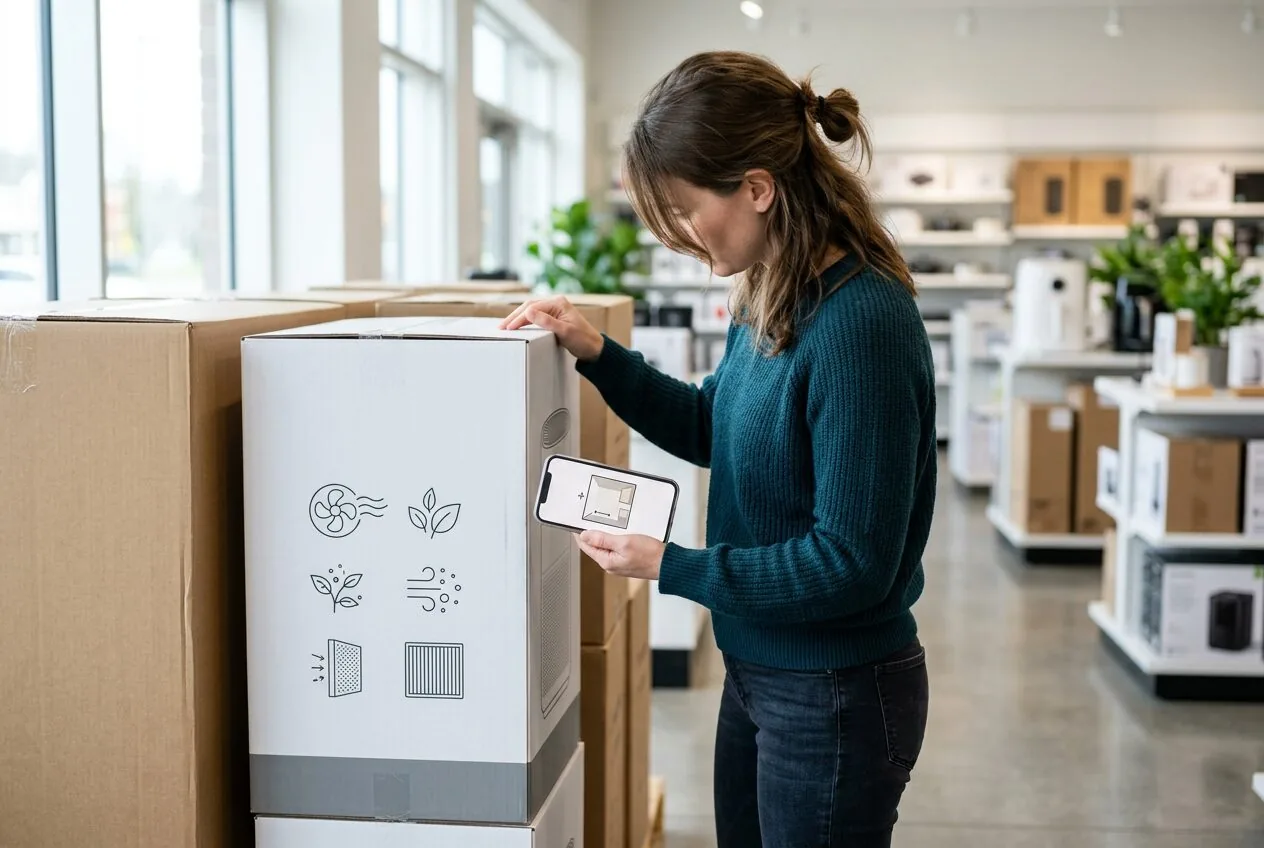
To maintain clean air, you need a purifier that fits your space and reliable replacement filters to keep it running effectively. Here are some helpful options that align with the principles discussed in this article.

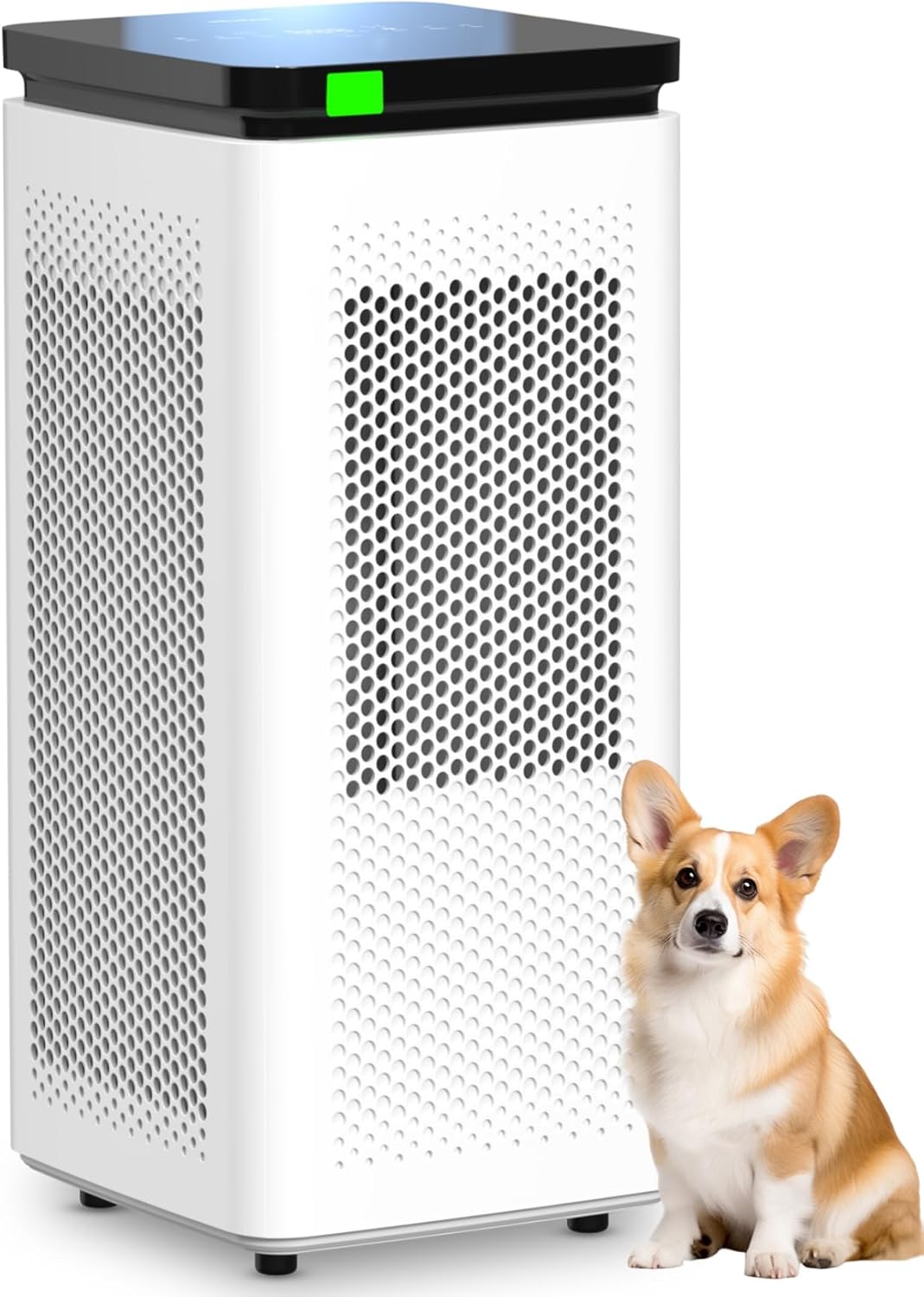


As an Amazon Associate we earn from qualifying purchases. Product prices and availability are accurate as of the date/time indicated.
For example, the Hepa Air Purifiers for Home up to 3500 Ft² is designed for large spaces, while the COWAY Air Purifier for Home Bedroom offers a 2-in-1 fan and purifier solution for smaller rooms. If you own a Dyson purifier, keeping it effective requires timely filter changes with compatible parts like the 360° Combi Glass Hepa + Carbon Filter for Dyson.
Frequently Asked Questions
Do air purifiers really make a difference for allergies?
Yes, when used correctly. Air purifiers with True HEPA filters are clinically proven to reduce airborne allergens like pollen, pet dander, and dust mite debris. For the best results, run the purifier continuously in the room where you spend the most time, and ensure it is properly sized for the space.
How often do I need to change my air purifier filter?
Filter replacement frequency depends on usage, air quality, and the specific model. Most manufacturers recommend changing HEPA and carbon filters every 6 to 12 months. Always follow your unit’s filter indicator or manual. A clogged filter reduces efficiency and can strain the fan motor.
Can an air purifier remove viruses and bacteria from the air?
Some air purifiers with HEPA filters can capture virus-carrying droplets and bacteria, as these particles often attach to larger droplets or dust. However, an air purifier should not be relied upon as the sole method of infection control. It is a supportive measure for improving overall air hygiene.
Where is the best place to put an air purifier?
Place your air purifier in the room where you spend the most time, such as a bedroom or living room. Keep it a few feet away from walls and large furniture to allow for optimal air intake and circulation. Avoid placing it in a corner or behind curtains where airflow is restricted.
Do I still need to ventilate my home if I have an air purifier?
Yes. Air purifiers clean the air that is already inside, but they do not bring in fresh oxygen or remove carbon dioxide. Opening windows periodically for ventilation is still important, especially to dilute indoor-generated pollutants like cooking fumes and high humidity, which can lead to mold.
Final Thoughts
The importance of clean indoor air cannot be overstated for your health and comfort. Investing in a good air purifier is a proactive step toward mitigating the invisible pollutants in your home, from common allergens to household odors and fine particles.
Remember, an air purifier is one part of a holistic approach to indoor air quality. Regular cleaning, controlling humidity, and proper ventilation work together with your purifier to create a truly healthy indoor environment. By understanding the role clean air plays, you can make informed choices that contribute to your long-term wellbeing.
About the author
Editor at AirPurifierGuides.com. Emily has a background in professional communication and has worked with several health and technology publications. She edits our content for accuracy and answers reader questions about air quality.