Air Purifiers and Long-Term Allergy Management: A Practical Guide
Learn how air purifiers can be integrated into a long-term allergy management plan to reduce symptoms and improve your daily quality of life.
 By Emily Foster
Updated October 17, 2026
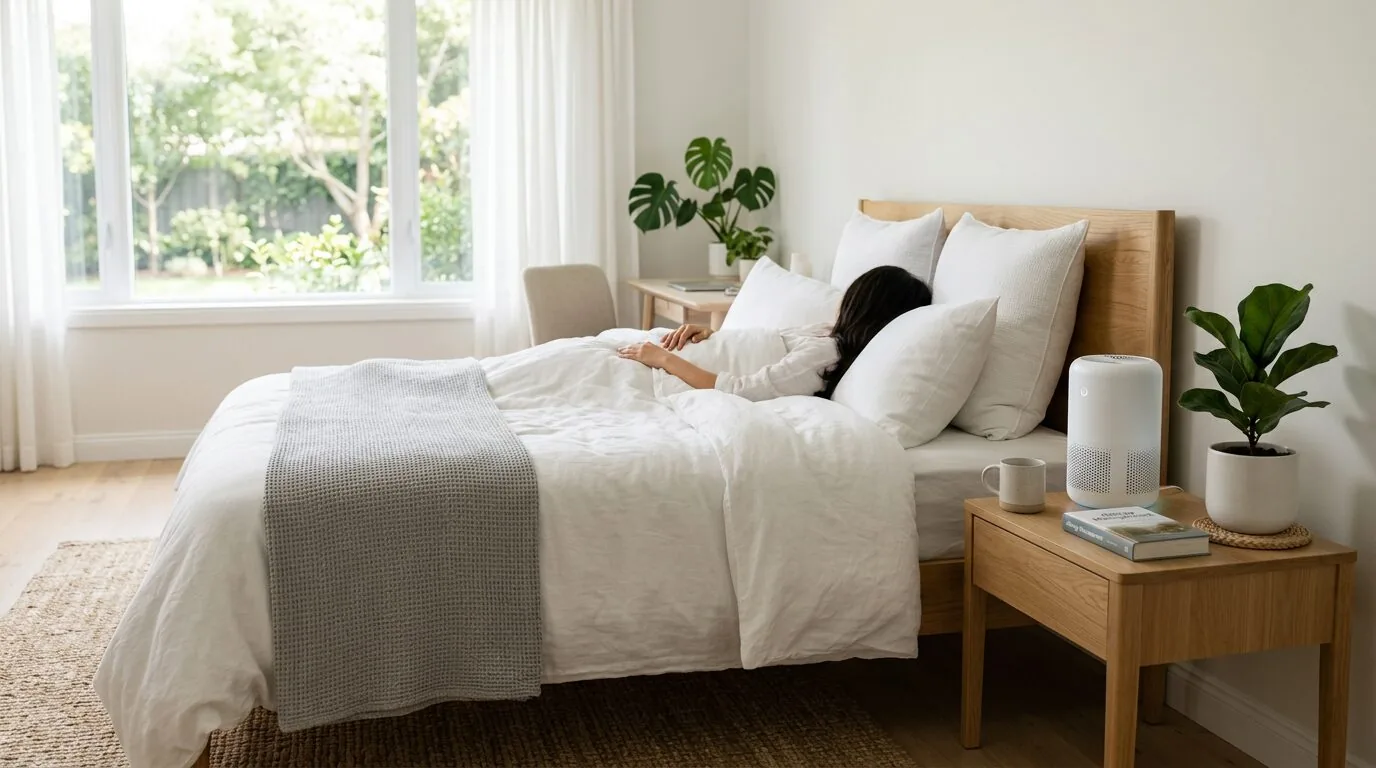
Yes, air purifiers can be a valuable, long-term tool for managing indoor allergies by continuously removing allergens like pollen, dust mites, and pet dander from the air you breathe. For sustained relief, they should be used consistently as part of a broader strategy that includes source control and regular cleaning.
Living with allergies is often a year-round challenge. While medications treat symptoms, managing your environment addresses the cause. This guide explains how air purifiers fit into a sustainable, long-term plan for reducing allergen exposure and creating a healthier home sanctuary.
How Air Purifiers Support Long-Term Allergy Management
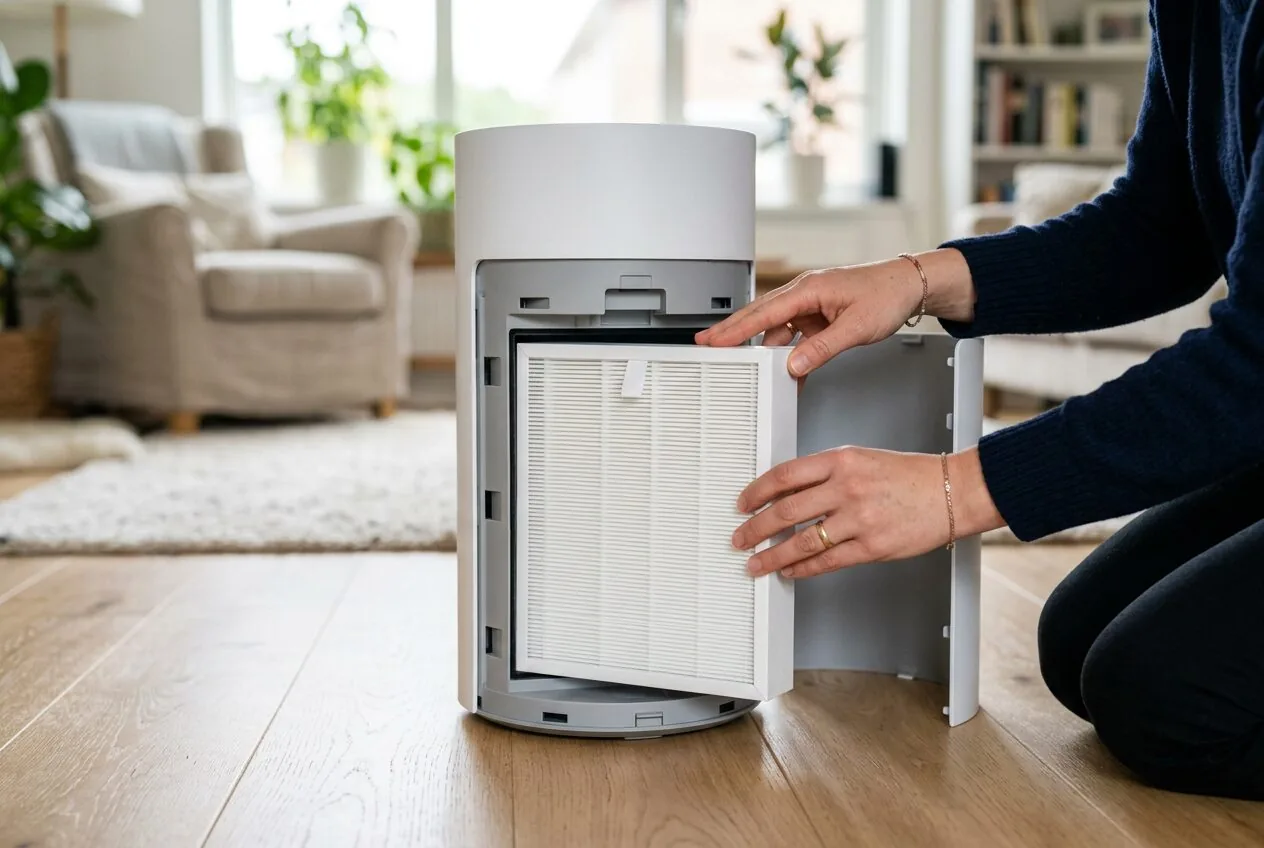
An air purifier’s role in allergy management is continuous filtration. Unlike a one-time cleaning, it works around the clock to trap airborne particles that trigger reactions. This creates a cumulative benefit, lowering your overall allergen load and potentially reducing both the frequency and severity of symptoms over time.
The Science Behind HEPA Filtration
For allergy sufferers, a true HEPA filter is non-negotiable. Certified HEPA filters are tested to capture 99.97% of particles as small as 0.3 microns. This size range includes most significant allergens: pollen, mold spores, dust mite debris, and pet dander. By mechanically trapping these particles, the filter physically removes them from your breathing space.
Creating a Low-Allergen Zone
The most effective long-term strategy is to designate at least one room, typically the bedroom, as a clean-air sanctuary. Running a purifier consistently in this space for 8-12 hours ensures you spend a significant portion of your day in an environment with drastically reduced allergen levels, which is crucial for recovery and rest.
Integrating an Air Purifier into Your Overall Strategy
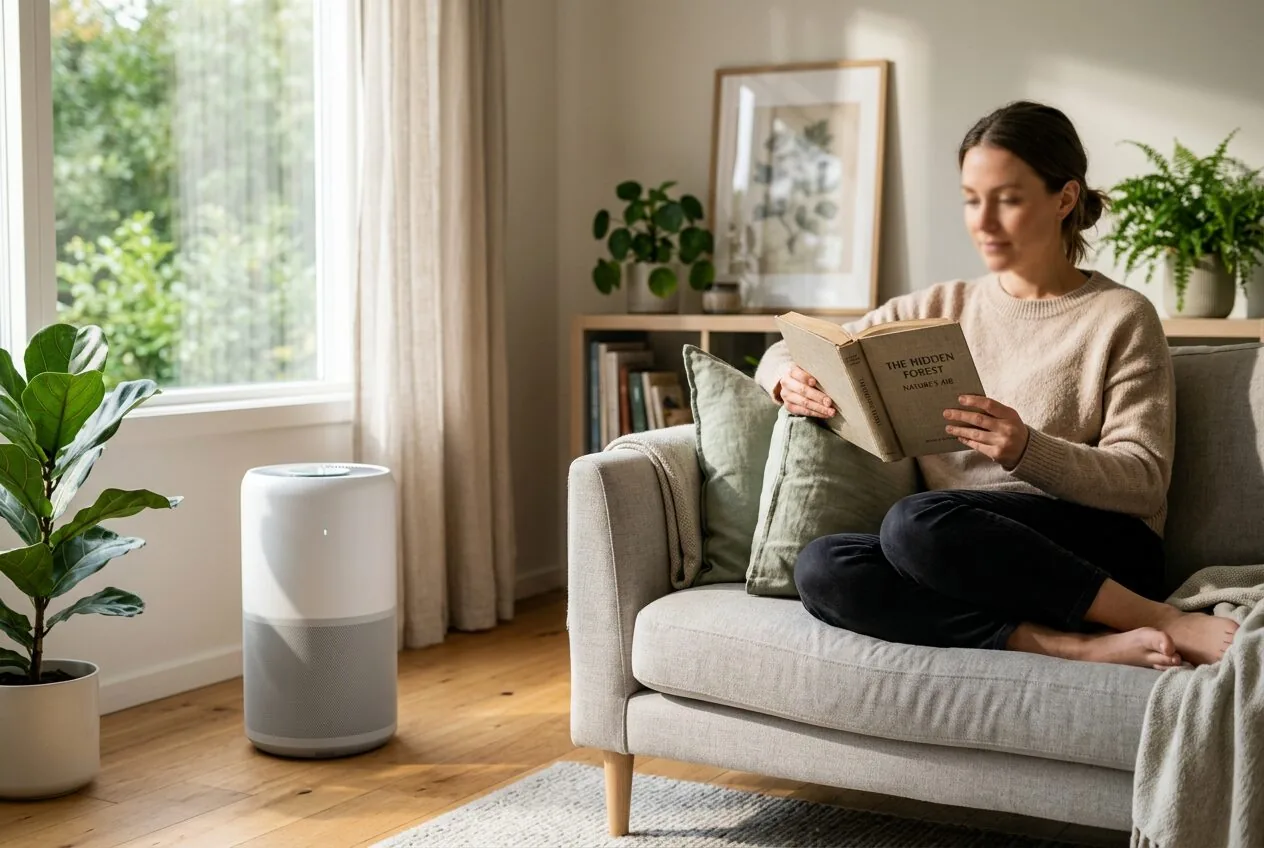
An air purifier is a powerful tool, but it’s not a magic bullet. Long-term success depends on using it as part of a multi-pronged approach. Think of it as your first line of defense against airborne allergens, working in tandem with other habits to control your environment.
- Source Control First: The most effective step is to reduce the allergen at its source. Use allergen-proof mattress and pillow encasements, wash bedding weekly in hot water, groom pets regularly, and maintain low humidity (under 50%) to discourage dust mites and mold.
- Consistent Operation is Key: For chronic allergy management, run your purifier continuously on a low, quiet setting or use its auto mode. This maintains a baseline of clean air, preventing allergen levels from building up throughout the day and night.
- Strategic Placement: Place the unit in the area where you spend the most consecutive hours, like your bedroom or home office. Ensure it has clearance on all sides for proper airflow and avoid placing it directly behind furniture or in a corner.
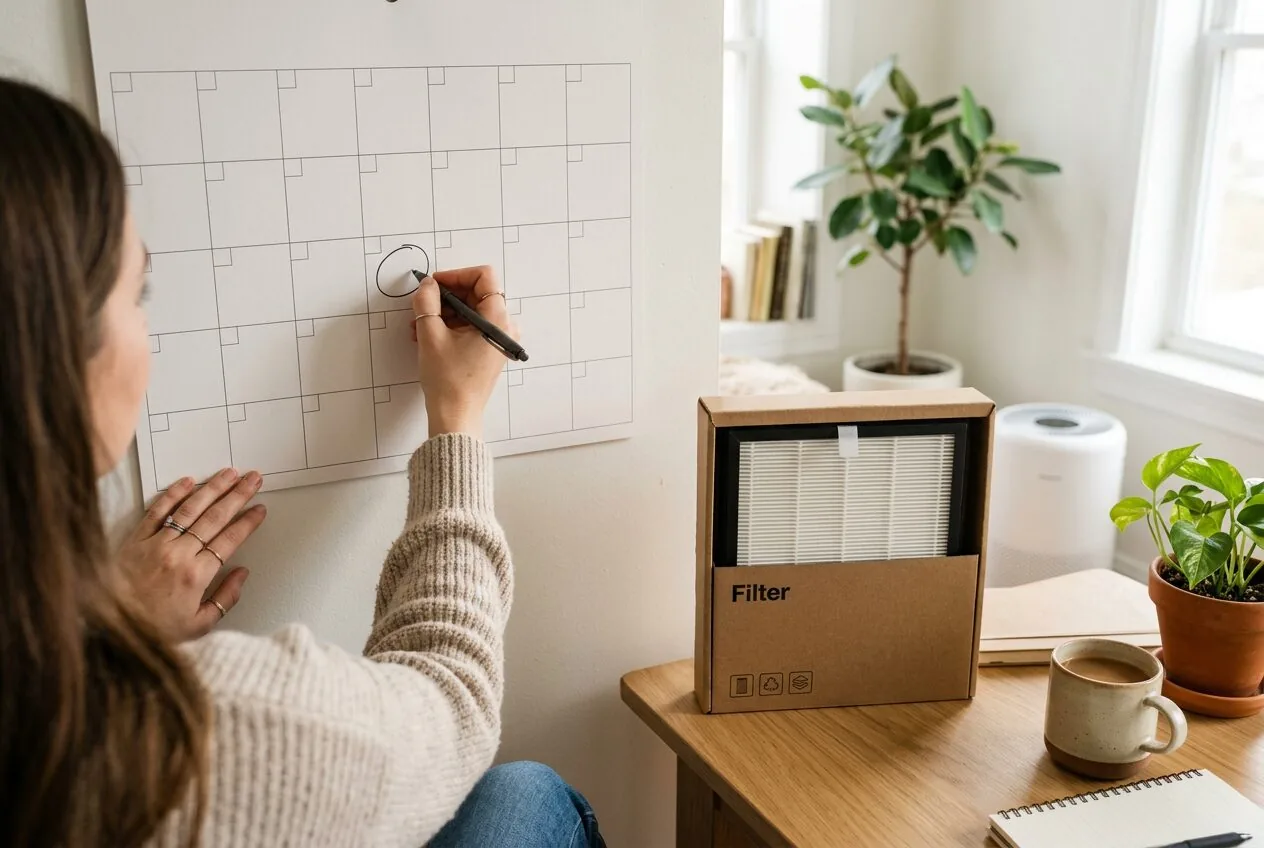
- Rigorous Filter Maintenance: The long-term effectiveness hinges on filter changes. Mark your calendar for replacements based on the manufacturer’s schedule or the unit’s indicator. A clogged filter loses efficiency and can recirculate captured allergens.
Choosing the Right Air Purifier for Long-Term Use
Selecting a purifier you’ll use for years requires considering factors beyond just filtration. You need a model that fits seamlessly into your life, is affordable to maintain, and performs reliably over the long haul.
Essential Features for Sustained Relief
Look for a true HEPA filter as the core component. A carbon filter can help with odors, which is a bonus for households with pets. Prioritize units with a high Clean Air Delivery Rate (CADR) for your room size, as this indicates how quickly it can clean the air. For bedrooms, a quiet sleep mode (under 30 dB) is essential for uninterrupted use. Finally, consider the cost and availability of replacement filters—this is a recurring, long-term expense.
What to Avoid for Allergy Management
Be cautious with air purifiers that primarily use ionizers or ozone generators. While they can remove particles, some ionizers can produce trace ozone, a lung irritant that can worsen asthma and allergy symptoms. The EPA advises against ozone generators for this purpose. Stick with mechanical filtration (HEPA) for the safest, most proven long-term results.
Recommended Products
When selecting a purifier for long-term allergy management, consider models known for reliable HEPA filtration, quiet operation for continuous use, and reasonable filter replacement costs. Here are a few options that fit different needs and room sizes.




As an Amazon Associate we earn from qualifying purchases. Product prices and availability are accurate as of the date/time indicated.
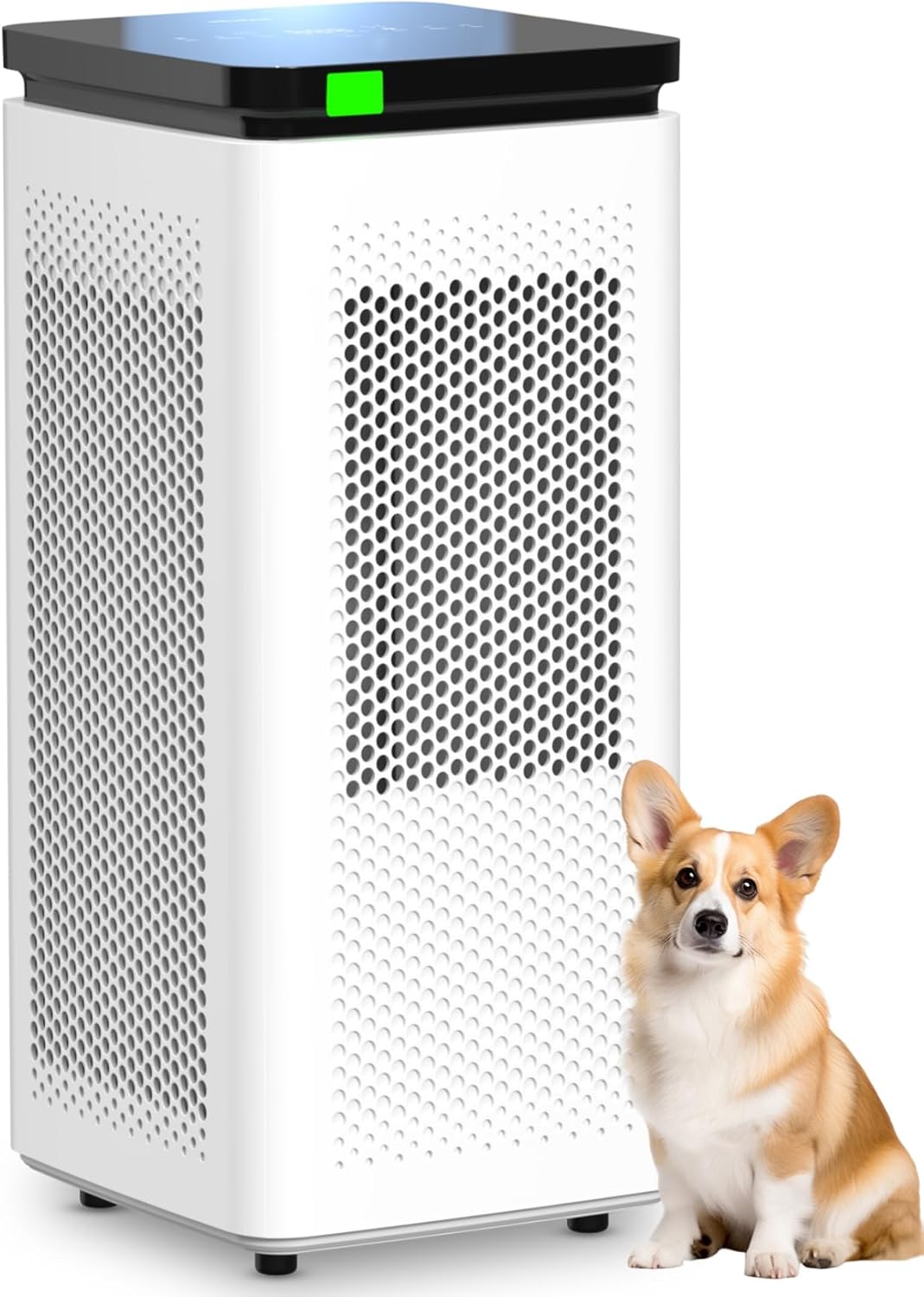
For example, a model like the Levoit Air Purifier for Home Pets Hair Allergens is AHAM-verified and effective in bedrooms, while the Hepa Air Purifiers for Home up to 3500 Ft² offers strong coverage for larger living areas. For a versatile option, the Mitcent Bladeless Tower Fan and Air Purifier combines air cleaning with cooling.
Frequently Asked Questions
How long does it take for an air purifier to help with allergies?
You may notice a difference in air quality within hours, but for measurable impact on allergy symptoms, consistent use over several days to weeks is typically needed. This allows the purifier to repeatedly filter the air, gradually reducing the overall concentration of allergens in the room.
Can an air purifier replace allergy medication?
No. An air purifier is an environmental control device, not a medical treatment. It should be used as a complementary strategy to reduce exposure to triggers. Always follow your healthcare provider’s advice regarding medication. The goal is to use the purifier to create a cleaner environment so your body is under less assault, which may, in turn, reduce reliance on medication for some individuals.
For long-term management, it’s most practical and effective to start with the rooms where you spend the most time, especially the bedroom. Using a purifier consistently in your sleeping area guarantees you 6-8 hours of low-allergen air daily. You can then add units to other living areas as needed and budget allows.
For the best long-term results, run it continuously on a low setting or use the auto mode. This maintains clean air and prevents allergens from accumulating. Turning it off allows particles to settle and become airborne again, forcing the purifier to start from scratch each time.
Final Thoughts
Successfully managing allergies long-term is about building sustainable habits. An air purifier is a cornerstone habit—a set-it-and-forget-it appliance that works silently in the background to improve your indoor air quality day after day. When combined with regular cleaning, source control, and proper filter maintenance, it becomes a reliable part of your health-focused home environment.
Remember, the goal is cumulative reduction in exposure. By committing to consistent use and integrating your air purifier into a broader plan, you’re investing in a long-term strategy for greater comfort and well-being. For more on creating a healthier home environment, explore our guide on why clean indoor air matters for families.
About the author
Editor at AirPurifierGuides.com. Emily has a background in professional communication and has worked with several health and technology publications. She edits our content for accuracy and answers reader questions about air quality.