Air Purifiers and Air Quality for Seniors: A Guide to Cleaner, Healthier Air
Learn why indoor air quality is critical for seniors and how air purifiers can help protect health by reducing allergens, dust, and pollutants.
 By Emily Foster
Updated October 17, 2026
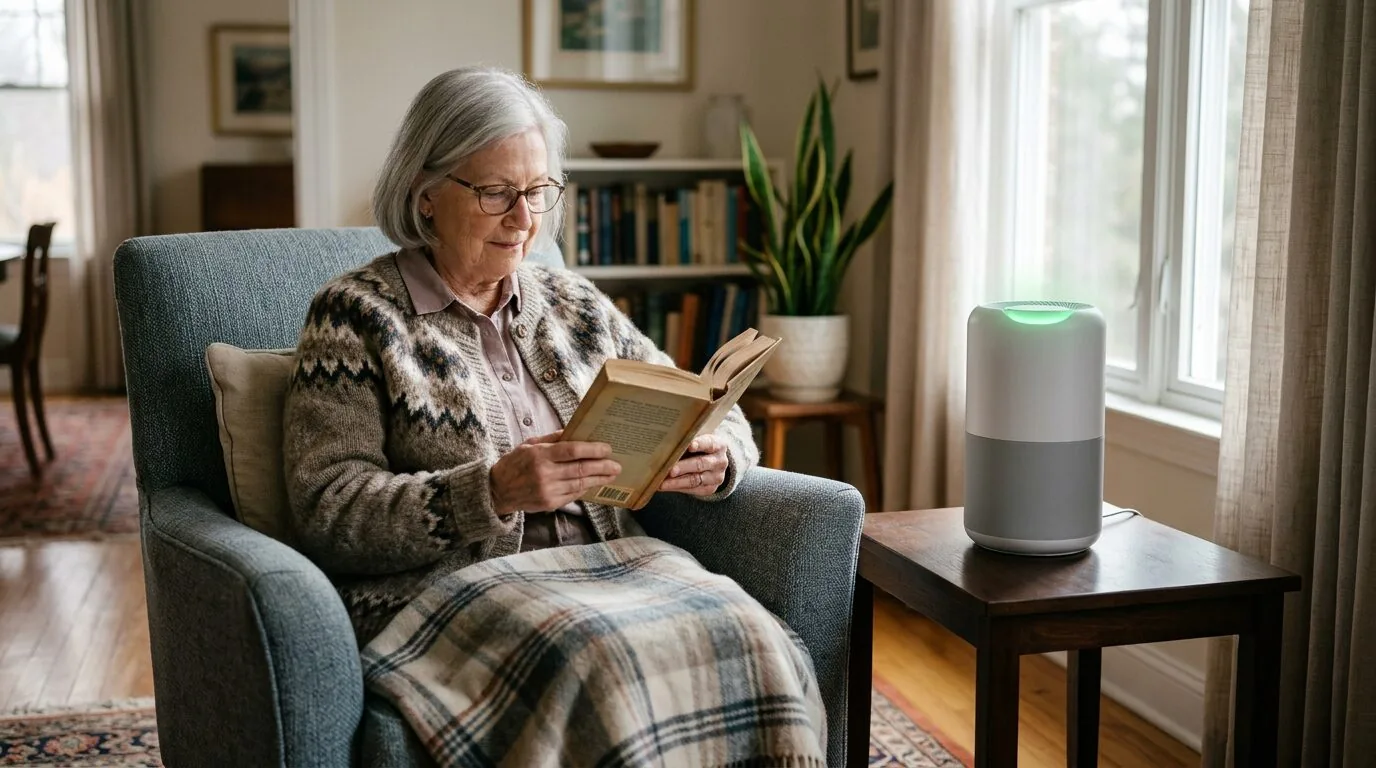
For seniors, clean indoor air is not just a comfort—it’s a vital component of health and well-being. As we age, our bodies become more susceptible to the effects of airborne pollutants, allergens, and irritants. This article explains why air quality matters for older adults, how air purifiers can help, and what to look for when choosing one.
We’ll cover the specific health concerns related to poor air quality in later life, the types of filtration that are most effective, and practical features that make an air purifier senior-friendly. The goal is to provide you with the information needed to create a safer, more breathable living environment.
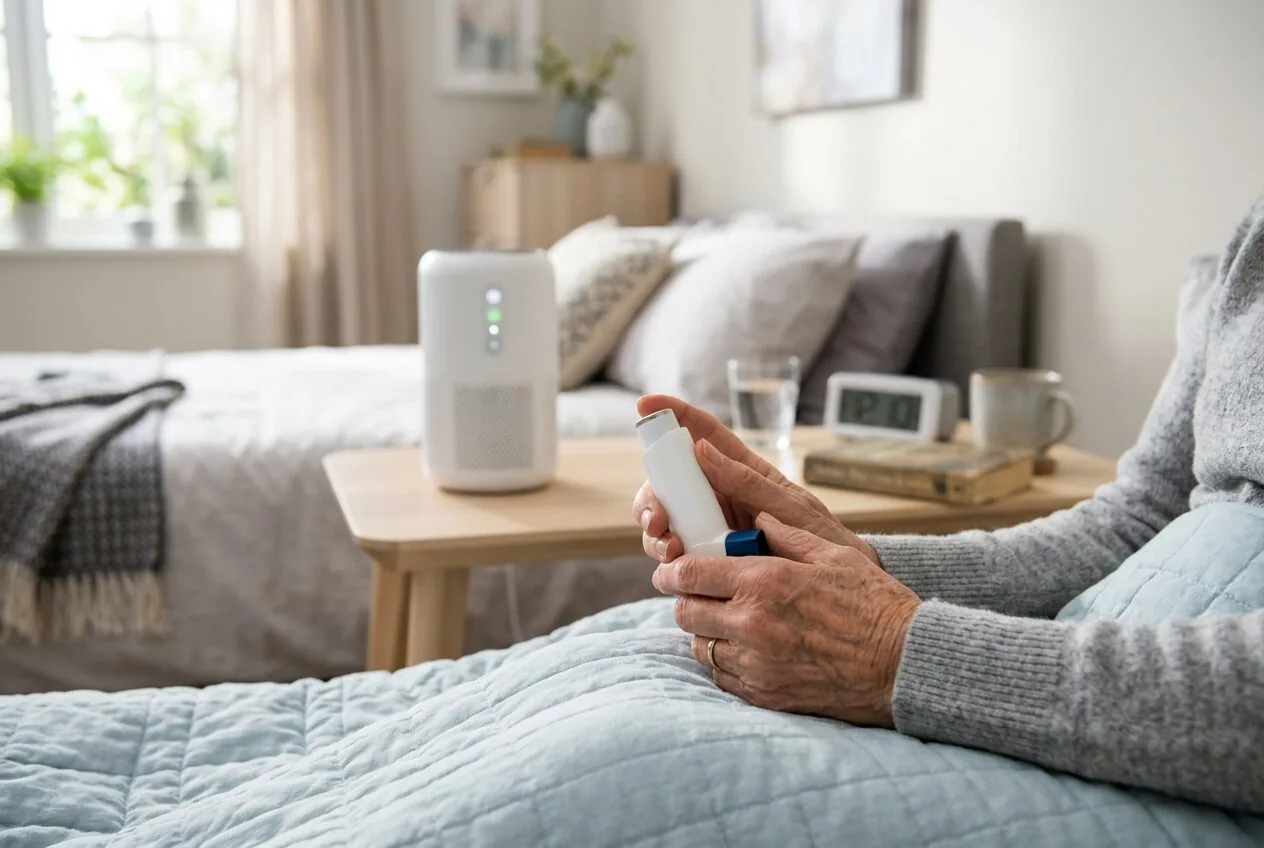
Why Air Quality Is Crucial for Senior Health
The natural aging process brings changes to the respiratory and immune systems. Lung capacity can decrease, and the body’s ability to fight off infections and inflammation from pollutants may weaken. This makes seniors more vulnerable to the short and long-term effects of poor indoor air.
Common Health Risks from Poor Indoor Air
Exposure to common indoor pollutants can exacerbate existing health conditions and trigger new problems. Key concerns include:
- Respiratory Issues: Dust, pet dander, and mold spores can aggravate asthma, COPD, and chronic bronchitis, leading to increased coughing, wheezing, and shortness of breath.
- Cardiovascular Strain: Fine particulate matter (PM2.5) can enter the bloodstream, potentially worsening heart conditions and increasing the risk of strokes.
- Allergic Reactions: Pollen and other allergens can cause more severe and prolonged allergic responses.
- Increased Infection Risk: Airborne viruses and bacteria can linger, posing a higher risk for illnesses like influenza or pneumonia.
Improving indoor air quality is a proactive step in managing these risks. For more foundational information on this topic, explore our guide on the importance of clean indoor air.
How Air Purifiers Can Help Protect Senior Health
Air purifiers work by actively pulling air through a series of filters that capture harmful particles. For seniors, this means a direct reduction in the triggers and irritants that can compromise health. The right purifier acts as a constant line of defense within the home.
Key Filtration Technologies for Senior Needs
Not all filters are created equal. Look for these effective technologies:
- True HEPA Filters: The gold standard. They capture 99.97% of particles as small as 0.3 microns, including dust, pollen, mold, and pet dander. This is essential for allergy and asthma relief.
- Activated Carbon Filters: These tackle gases, odors, and volatile organic compounds (VOCs) from cleaning products, paints, or cooking. They help create a more pleasant and less chemically irritating environment.
- Pre-Filters: These capture larger particles like hair and lint, extending the life of the more expensive HEPA filter.
Avoid purifiers that produce ozone, as it is a lung irritant that can be particularly harmful to those with respiratory conditions.
What to Look for in a Senior-Friendly Air Purifier
Beyond filtration, ease of use, safety, and effectiveness in the right space are paramount. Here are the most important features to consider.
1. Quiet Operation, Especially for Sleep
Quality sleep is vital for health. Look for a purifier with a dedicated sleep or night mode that operates at a very low decibel level (often below 25 dB). A model like the Air Purifiers for Home Large Room features a 22dB sleep mode, allowing it to run all night without disturbance.
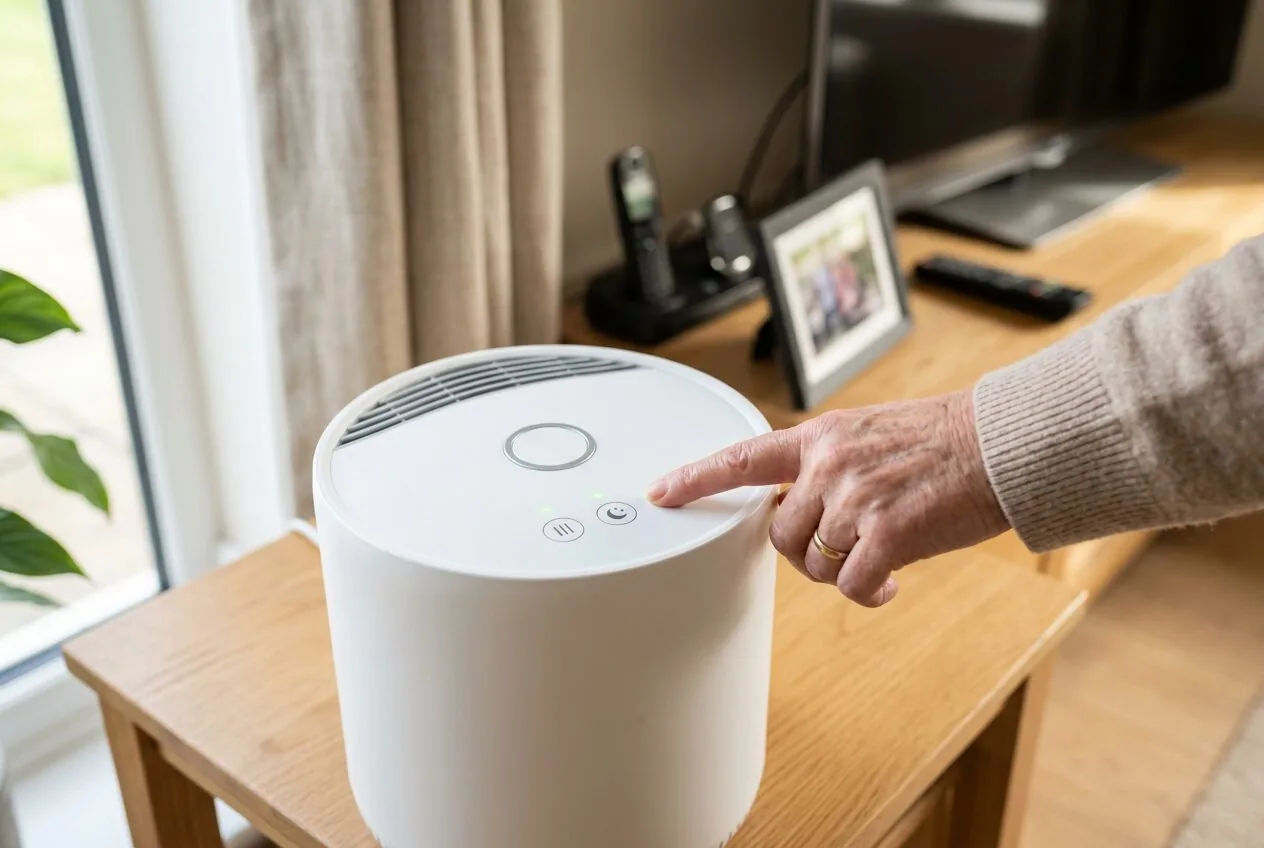
2. Simple Controls and Clear Indicators
Complicated touchscreens or smartphone apps can be frustrating. Prioritize models with intuitive physical buttons or dials. A clear filter replacement indicator is also crucial, as a clogged filter loses effectiveness. Some models, like compatible Clorox purifiers, have lights that signal when it’s time for a new filter, such as the 12010 Replacement Filter for Clorox 11010 & 11011.
3. Proper Room Size Coverage
Match the purifier’s Clean Air Delivery Rate (CADR) and stated room size to the space where it will be used most. An undersized unit won’t clean the air effectively. For a bedroom or living room, ensure the purifier is rated for that square footage. For whole-home concerns, consider strategies for improving air quality in older homes.
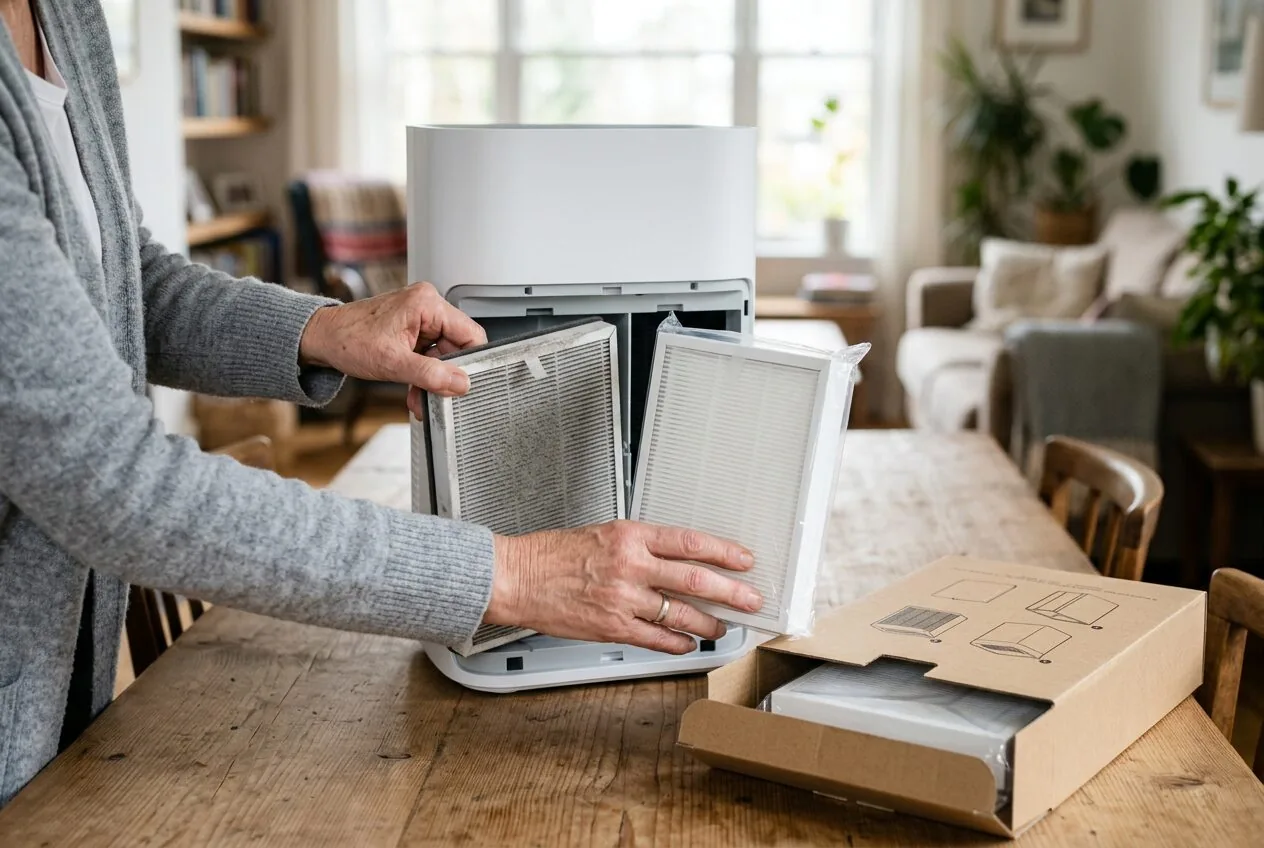
4. Easy Maintenance and Filter Access
Filters need regular replacement, typically every 6 to 12 months. Choose a purifier where the filter compartment is easy to open without tools. Planning ahead with value packs can save money and ensure you always have a fresh filter on hand. For popular personal models like the Bissell MyAir, options like the 2801 Air Filter Replacement Bundle Compatible offer a cost-effective supply.
Recommended Products
The following products are mentioned in this guide as examples of features that benefit seniors, such as quiet operation, simple maintenance, and effective filtration. Always consult the manufacturer’s manual for specific compatibility and usage instructions.


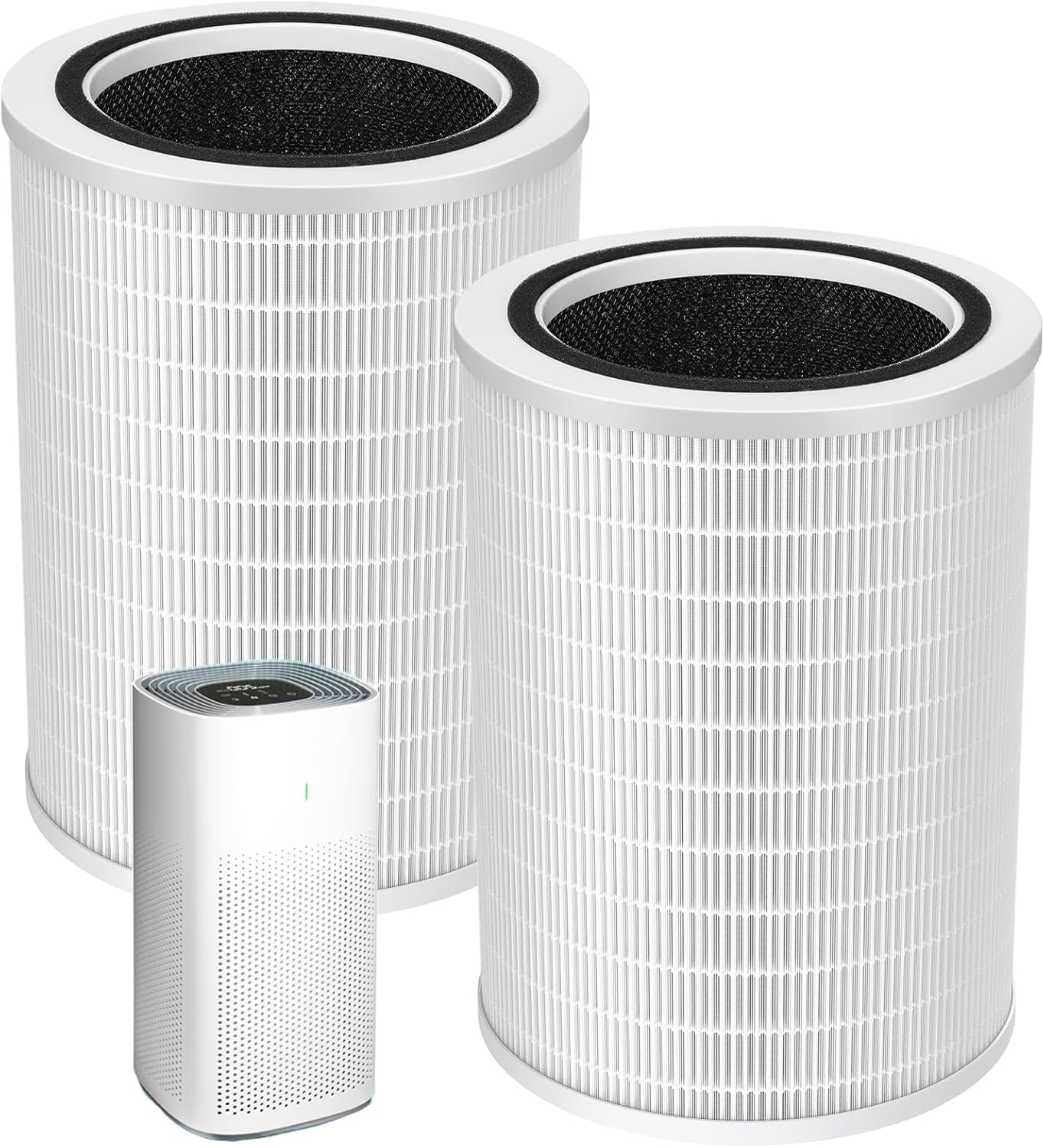

As an Amazon Associate we earn from qualifying purchases. Product prices and availability are accurate as of the date/time indicated.
Frequently Asked Questions
Can an air purifier help with senior COPD or asthma?
Yes, a HEPA air purifier can be a significant help. By removing fine dust, pollen, and other particulate triggers from the air, it reduces the irritants that can cause flare-ups and breathing difficulties. It is a supportive tool that should be used alongside prescribed medical treatments.
Where is the best place to put an air purifier for a senior?
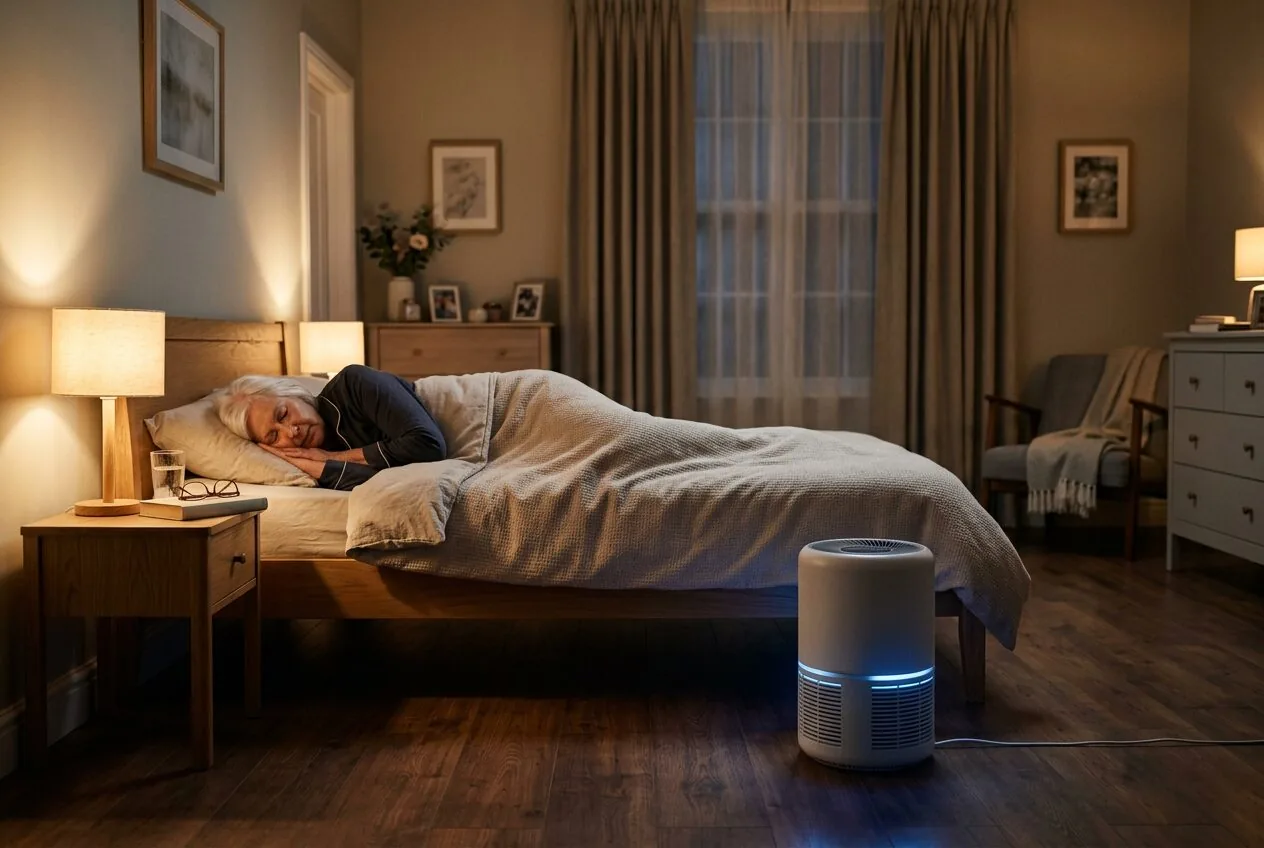
The bedroom is often the top priority, as we spend many hours there breathing deeply during sleep. A second key location is the main living area. Place the purifier in an open area a few feet from walls and furniture for optimal air intake, and keep it running consistently on a low setting.
How often do air purifier filters need to be changed for a senior?
Follow the manufacturer’s schedule, typically every 6 to 12 months. However, if a senior has pets, lives in a dusty area, or the purifier runs constantly, you may need to change it more frequently, like every 4-6 months. A clear indicator light is very helpful. For small personal purifiers, having a multi-pack on hand, like the u003ca href=u0022https://airpurifierguides.com/buyitnow-2-pack-2801-replacement-filter-review/u0022u003e2 PACK 2801 Replacement Filter Compatibleu003c/au003e, makes regular changes easy and economical.
Are air purifiers safe for seniors to use 24/7?
Modern HEPA air purifiers that do not produce ozone are perfectly safe for continuous use. In fact, running them constantly is the most effective way to maintain clean air levels. Just ensure the unit is placed safely where cords won’t create a tripping hazard.
Do air purifiers help reduce the spread of viruses to seniors?
HEPA filters can capture virus particles that are attached to larger droplets or dust in the air. While an air purifier is not a substitute for vaccination, good hygiene, or ventilation, it can be part of a layered defense strategy to reduce airborne viral concentrations indoors, especially in a senior’s primary living space.
An air purifier is most effective when combined with other good practices. Regularly vacuum with a HEPA-filter vacuum, dust with a damp cloth, control humidity to prevent mold (aim for 30-50%), avoid smoking indoors, and use exhaust fans when cooking. For a comprehensive look, read about indoor air quality facts every homeowner should know.
Final Thoughts
Investing in good indoor air quality is an investment in a senior’s health, comfort, and independence. An air purifier with a True HEPA filter acts as a silent guardian, reducing the invisible burdens of allergens, dust, and pollutants that can compromise respiratory and cardiovascular health. By prioritizing features like quiet operation, simple maintenance, and proper room coverage, you can choose a device that provides effective protection without adding complexity to daily life.
Remember, clean air is a cornerstone of a healthy home environment. Pairing a reliable air purifier with other sensible habits creates a sanctuary that supports breathing easier and living better. For more insights on creating a healthy sleep environment, consider why bedroom air quality matters.
About the author
Editor at AirPurifierGuides.com. Emily has a background in professional communication and has worked with several health and technology publications. She edits our content for accuracy and answers reader questions about air quality.