Indoor Air Quality Facts Every Homeowner Should Know
Essential facts about your home's indoor air, including common pollutants, health impacts, and practical ways to improve it.
 By Emily Foster
Updated October 17, 2026
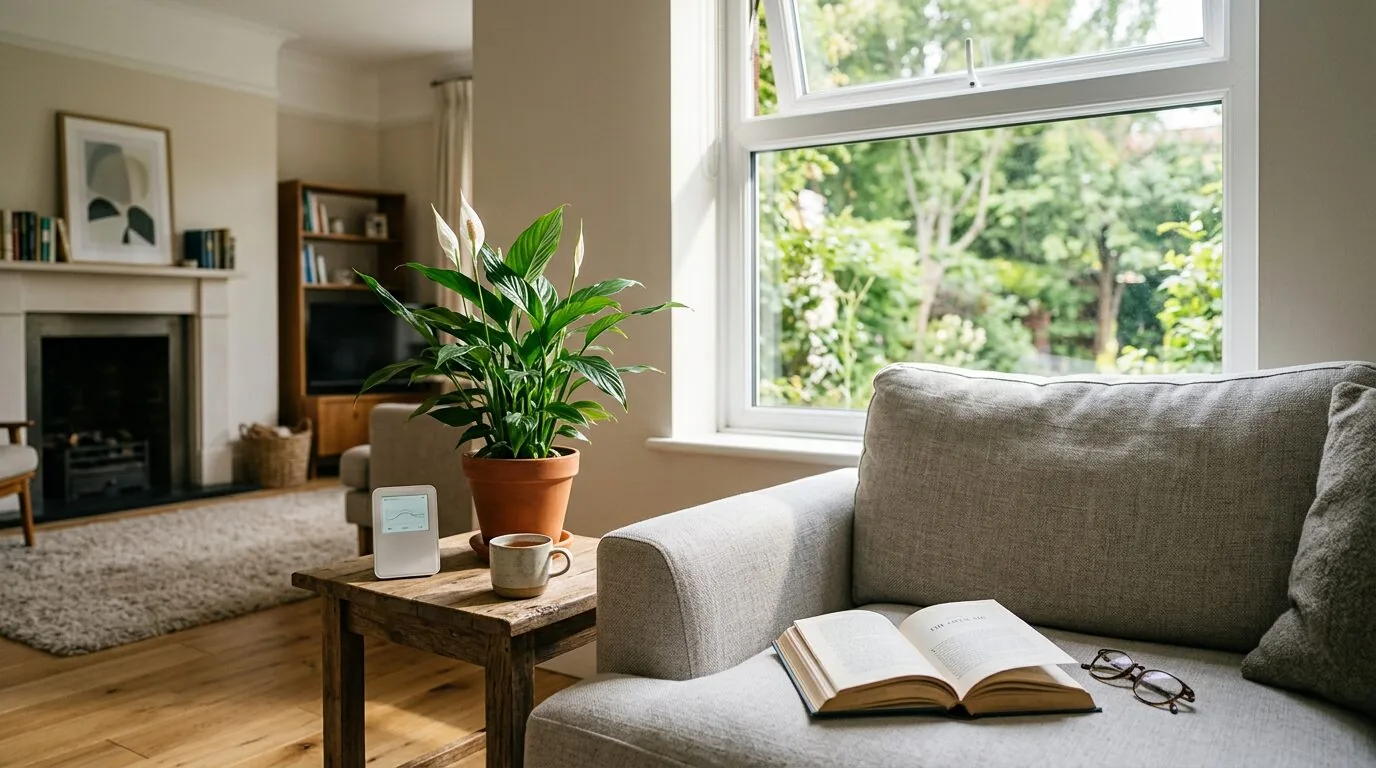
Indoor air can be 2 to 5 times more polluted than outdoor air, containing allergens, VOCs, and particles that affect health and comfort. Understanding the sources and solutions is key to creating a healthier home environment for you and your family.
Your home is your sanctuary, but the air inside it might be hiding some unwelcome secrets. From invisible chemical fumes to common dust and pet dander, indoor air quality (IAQ) directly impacts your health, sleep, and even the longevity of your home. This guide breaks down the essential facts every homeowner needs to know, separating myths from reality and providing actionable steps to breathe easier.
What Exactly Is Indoor Air Quality?
Indoor Air Quality refers to the condition of the air within and around buildings and structures, especially as it relates to the health and comfort of the occupants. It’s determined by the concentration of pollutants and thermal conditions like humidity and temperature. Unlike outdoor air, which is constantly circulated and diluted, indoor air can trap and concentrate contaminants.
The Most Common Indoor Air Pollutants
- Particulate Matter (PM): This includes dust, dirt, soot, smoke, and liquid droplets. PM2.5 (particles 2.5 microns or smaller) is particularly concerning as it can penetrate deep into the lungs.
- Biological Pollutants: Mold, mildew, pollen, pet dander, dust mites, and bacteria. These are common triggers for allergies and asthma.
- Volatile Organic Compounds (VOCs): Gases emitted from products like paints, varnishes, cleaning supplies, adhesives, and even some furniture and building materials. Common VOCs include formaldehyde and benzene.
- Combustion Byproducts: Carbon monoxide (CO) and nitrogen dioxide (NO2) from gas stoves, fireplaces, furnaces, and tobacco smoke.
- Radon: A naturally occurring radioactive gas that can seep into homes from the ground. It is the second leading cause of lung cancer.
Why Indoor Air Quality Matters for Your Health
Poor IAQ isn’t just about occasional stuffiness; it has tangible, often cumulative, effects on health. Short-term exposure can cause immediate irritation, while long-term exposure is linked to serious respiratory and cardiovascular diseases.
Short-Term Health Effects
- Eye, nose, and throat irritation
- Headaches, dizziness, and fatigue
- Worsening of allergy and asthma symptoms (sneezing, coughing, wheezing)
- Skin irritation
Long-Term Health Risks
Prolonged exposure to indoor pollutants can lead to more severe conditions. These include respiratory diseases like chronic obstructive pulmonary disease (COPD), heart disease, and even cancer (particularly from radon and secondhand smoke). Children, the elderly, and those with pre-existing conditions are most vulnerable. For more on how allergens specifically affect the home, see our guide on air purifiers and common household allergens.
Key Factors That Affect Your Home’s Air
Several interconnected factors determine the quality of your indoor air. Understanding these helps you identify the root causes of problems.
Ventilation and Air Exchange
Modern, energy-efficient homes are often tightly sealed, which is great for utility bills but terrible for air exchange. Without adequate ventilation, pollutants build up. Opening windows, using exhaust fans in kitchens and bathrooms, and ensuring your HVAC system is properly maintained are crucial for bringing in fresh air and diluting contaminants.
Source Control
The most effective way to improve IAQ is to eliminate or reduce the sources of pollution. This means choosing low-VOC paints and cleaning products, promptly fixing water leaks to prevent mold, and banning smoking indoors. Storing chemicals like pesticides and solvents in a detached garage or shed also helps.
Humidity Levels
The EPA recommends keeping indoor relative humidity between 30% and 50%. High humidity encourages mold growth and dust mite proliferation. Low humidity can dry out mucous membranes, making you more susceptible to infections, and can cause static electricity and damage to wood furnishings. Using a dehumidifier in damp basements and a humidifier in dry winter months can help maintain balance.
How to Monitor and Improve Your Indoor Air
You can’t manage what you don’t measure. Fortunately, several tools and strategies can help you assess and enhance your home’s air quality.
Air Quality Monitors
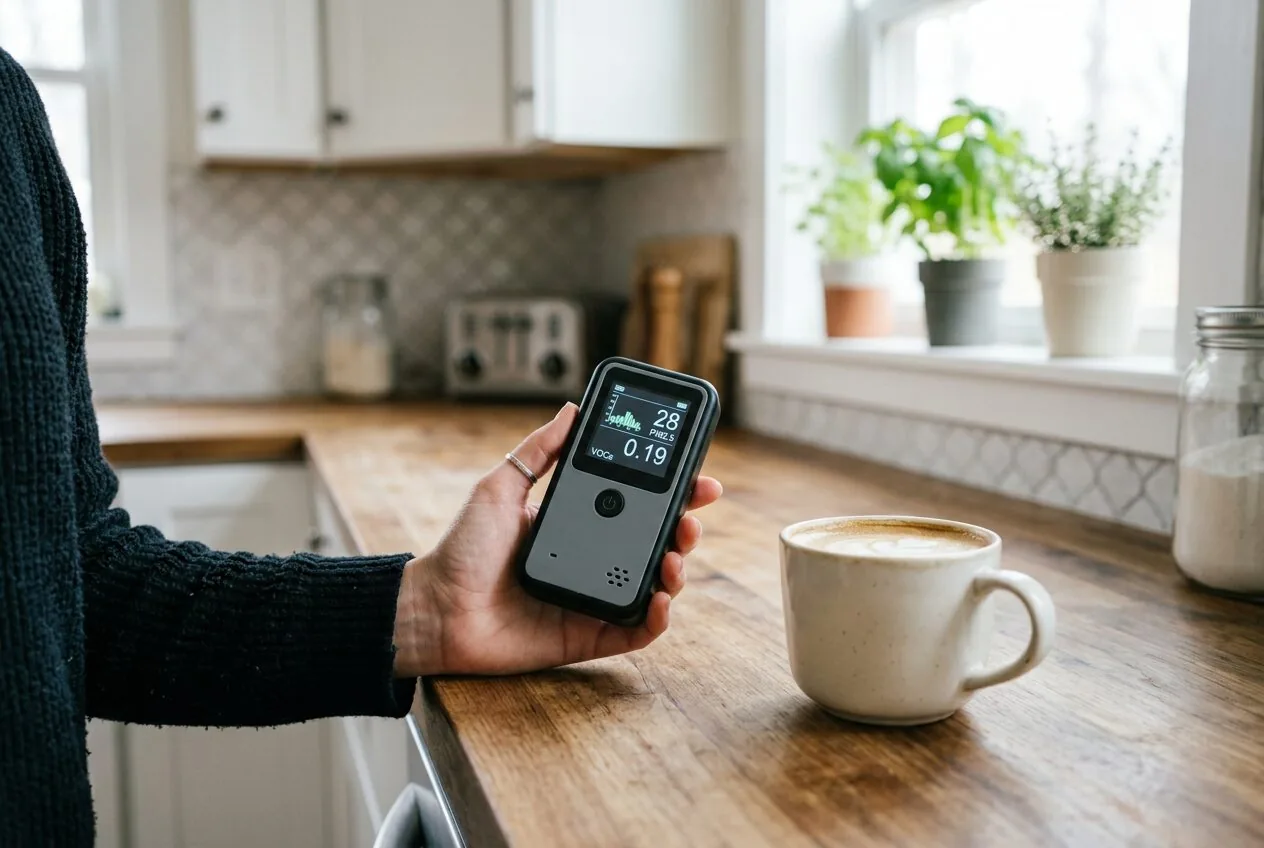
Standalone air quality monitors can track levels of PM2.5, VOCs, humidity, and temperature in real-time. Some smart air purifiers, like the VOOPNU Air Purifiers For Home With Air Quality display, have built-in sensors that give you a constant readout, allowing you to see exactly when and why your air quality dips.
Air Purification: A Helpful Tool
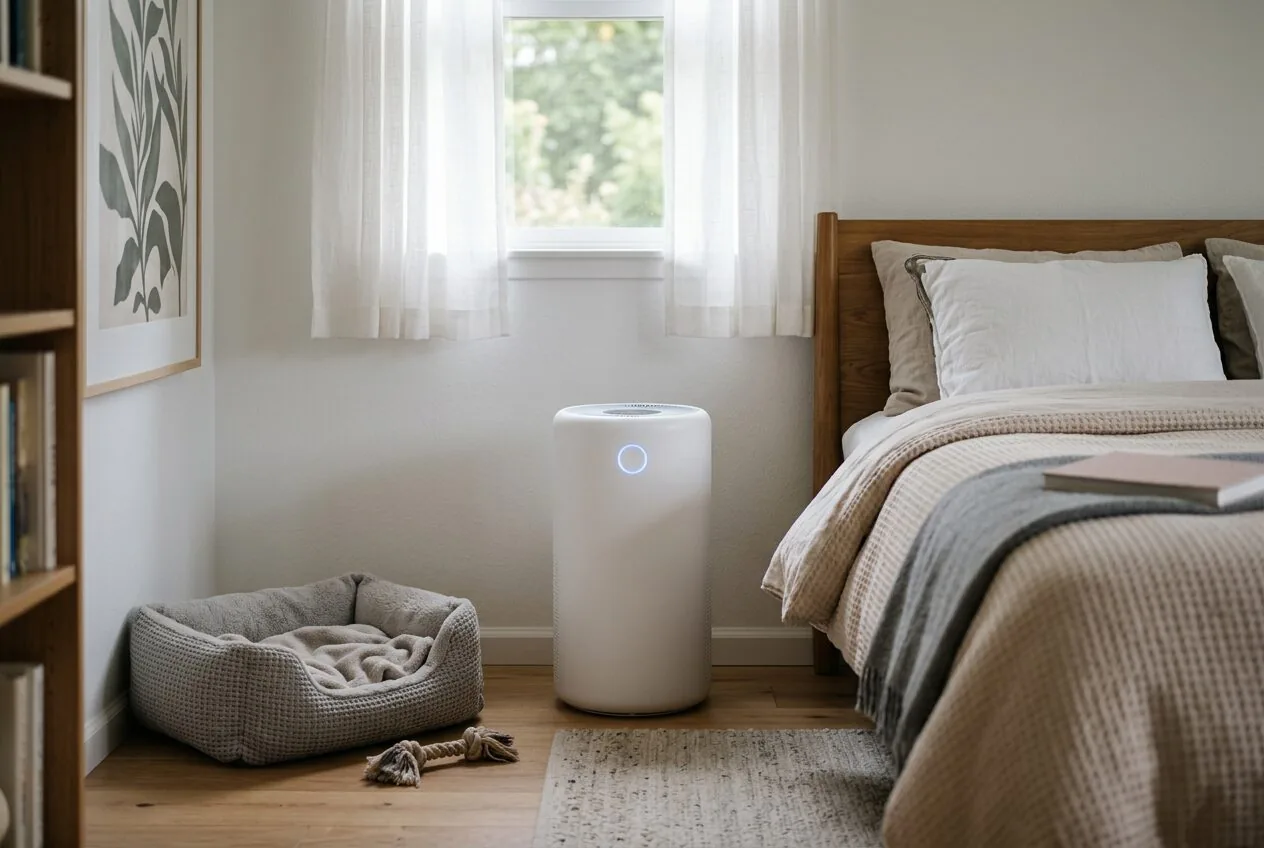
While source control and ventilation are first lines of defense, air purifiers are excellent for removing pollutants that are already in the air. They are particularly helpful for households with pets, allergy sufferers, or in areas with high outdoor pollution. For a deeper dive into the role of clean air, read air purifiers and the importance of clean indoor air.
The core of a good air purifier is its filter. A True HEPA filter, like the one in the Clorox Large Room Air Purifier True HEPA replacement filter, is the gold standard for capturing airborne particles. It’s certified to capture 99.97% of particles as small as 0.3 microns, including pollen, dust, and mold spores. For homes with pets, a purifier with a robust pre-filter for pet hair, such as the Aucleia Air Purifiers for Home Pets, can be especially beneficial.
Recommended Products
Managing indoor air quality often involves using the right tools. The following products can help with specific aspects of air purification, from general filtration to handling pet-related allergens.


As an Amazon Associate we earn from qualifying purchases. Product prices and availability are accurate as of the date/time indicated.
Frequently Asked Questions
How often should I change my HVAC filter?
For a standard 1-inch filter, check it monthly and replace it every 90 days. If you have pets, allergies, or live in a dusty area, change it every 60 days. Thicker, pleated filters may last 6 months. A dirty filter restricts airflow and reduces your system’s efficiency and air-cleaning ability.
Do houseplants really improve air quality?
While some studies show certain plants can remove trace amounts of VOCs, you would need an impractically large number of plants to significantly impact air quality in a home. Plants are great for well-being, but they are not a substitute for ventilation, source control, or an air purifier for measurable pollutant reduction.
Can air purifiers help with viruses like the flu or COVID-19?
Air purifiers with True HEPA filters can capture virus particles that are attached to larger respiratory droplets or dust. However, they are not a guaranteed protection and should be used as part of a layered strategy that includes vaccination, good hygiene, and ventilation. No air purifier can u0022killu0022 viruses on contact.
Should I test my home for radon?
Yes, absolutely. The EPA and Surgeon General recommend testing all homes below the third floor for radon. It’s an odorless, invisible gas and is the leading cause of lung cancer among non-smokers. Inexpensive DIY test kits are available, or you can hire a professional.
Are u0026quot;air freshenersu0026quot; and scented candles bad for air quality?
Most commercial air fresheners, candles, and plug-ins work by masking odors with fragrances, which are often complex mixtures of VOCs. They can introduce new pollutants rather than remove existing ones. For a fresher smell, address the source of odors (like cleaning or taking out trash) and improve ventilation.
Does cooking affect indoor air quality?
Significantly. Gas stoves produce nitrogen dioxide and carbon monoxide. All stoves, especially when frying or broiling, generate particulate matter and moisture. Always use your range hood vented to the outdoors when cooking, and open a window if you don’t have one. This is critical for u003ca href=u0022https://airpurifierguides.com/why-bedroom-air-quality-matters/u0022u003ebedroom air qualityu003c/au003e if your bedroom is near the kitchen.
Final Thoughts
Understanding indoor air quality is a fundamental part of responsible homeownership. It goes beyond comfort to the core of your family’s long-term health. The facts are clear: the air inside our homes requires active management. By focusing on the three pillars of good IAQ—source control, ventilation, and supplemental cleaning—you can transform your home into a true haven of clean, healthy air. Start with simple steps like testing for radon, using exhaust fans, and choosing greener household products. From there, tools like air purifiers and monitors can help you maintain the gains. Your lungs—and your family—will thank you for years to come.
About the author
Editor at AirPurifierGuides.com. Emily has a background in professional communication and has worked with several health and technology publications. She edits our content for accuracy and answers reader questions about air quality.