Air Purifiers and Indoor Air During Flu Season: What You Need to Know
Learn how air purifiers can help reduce airborne virus particles during flu season and what to look for in an effective model.
 By Emily Foster
Updated October 17, 2026
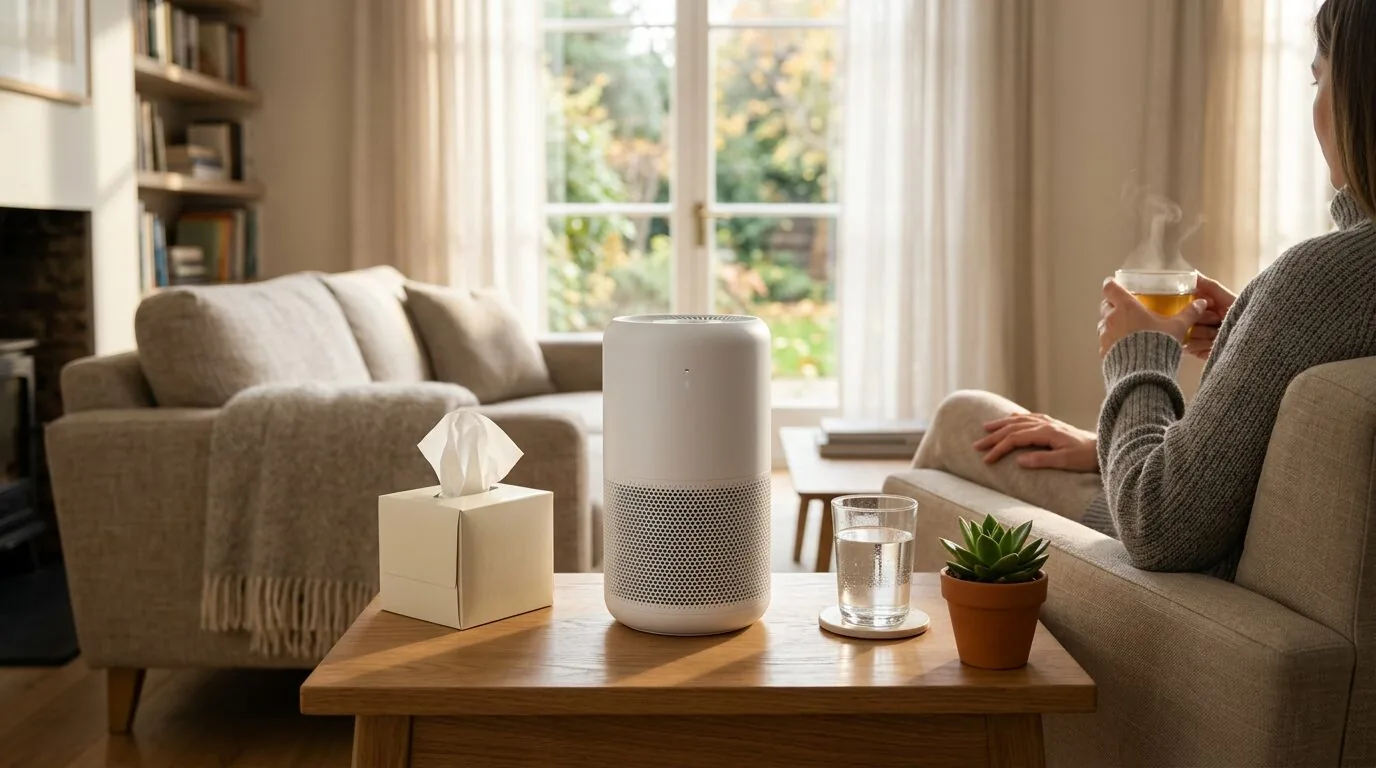
Yes, air purifiers can be a helpful tool during flu season by reducing the concentration of airborne viruses and other particles in your indoor air. A HEPA filter purifier can capture virus-laden respiratory droplets, while proper ventilation and humidity control remain essential for a comprehensive defense strategy.
As flu season approaches, the focus on indoor air quality intensifies. With more time spent indoors, understanding how to create a healthier environment becomes crucial. This article explains the role air purifiers can play in your seasonal wellness plan, detailing how they work, their limitations, and how to use them effectively alongside other proven practices.
How Air Purifiers Work Against Airborne Viruses
Air purifiers improve indoor air by mechanically filtering the air that passes through them. The influenza virus, like other respiratory viruses, primarily spreads through respiratory droplets expelled when an infected person coughs, sneezes, or talks. Larger droplets fall quickly, but smaller ones, called aerosols, can remain suspended in the air for minutes to hours.
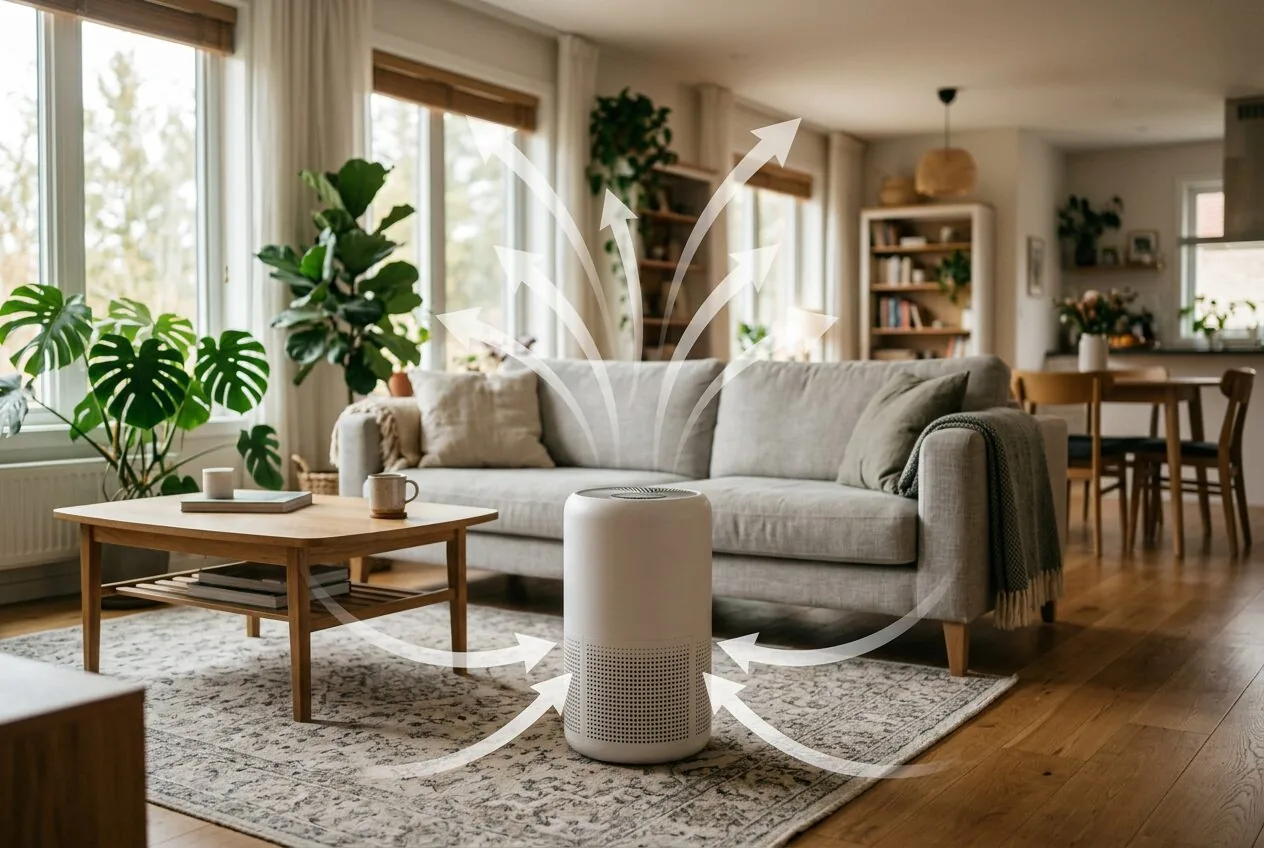
This is where filtration comes in. A high-quality air purifier pulls room air through a series of filters, trapping these microscopic particles before recirculating cleaner air back into the space. While an air purifier is not a force field that eliminates all risk, it can significantly reduce the number of virus particles in the air you breathe, potentially lowering the chance of transmission in shared spaces.
The Critical Role of HEPA Filters
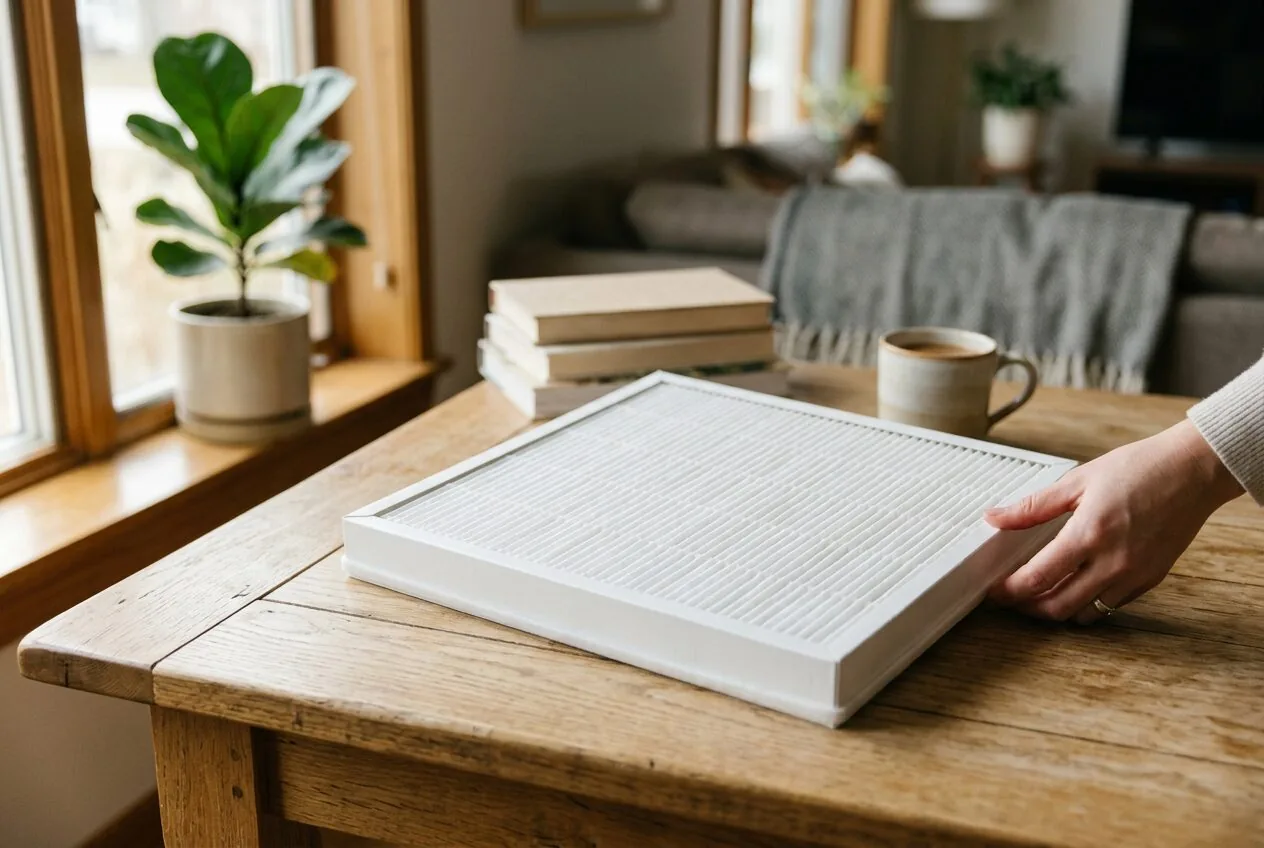
For virus capture, the filter type is paramount. True HEPA (High-Efficiency Particulate Air) filters are the gold standard. To earn this designation, a filter must capture at least 99.97% of particles that are 0.3 microns in size. This size is used for testing because it is the most penetrating particle size (MPPS), meaning it’s hardest to catch.
Influenza virus particles themselves are typically around 0.08 to 0.12 microns. However, they are almost always attached to larger particles like respiratory droplets, saliva, or dust, which easily fall within the HEPA filter’s capture range. Therefore, a well-maintained HEPA filter is highly effective at removing these virus-carrying aerosols from the air.
Beyond HEPA: Other Technologies to Consider
Some purifiers incorporate additional technologies. Activated carbon filters are excellent for adsorbing odors and volatile organic compounds (VOCs) but do not capture viruses. Ultraviolet (UV-C) light is sometimes added inside the sealed purifier unit to inactivate microorganisms trapped on the filter. However, the effectiveness depends on the dose and exposure time, and standalone UV cleaners are not recommended as a primary defense.
It’s important to be cautious of purifiers that generate ozone, such as some ionic models. Ozone is a lung irritant that can worsen respiratory conditions and is not recommended for occupied spaces. Always prioritize filtration-based models with HEPA filters.
Using an Air Purifier Effectively During Flu Season
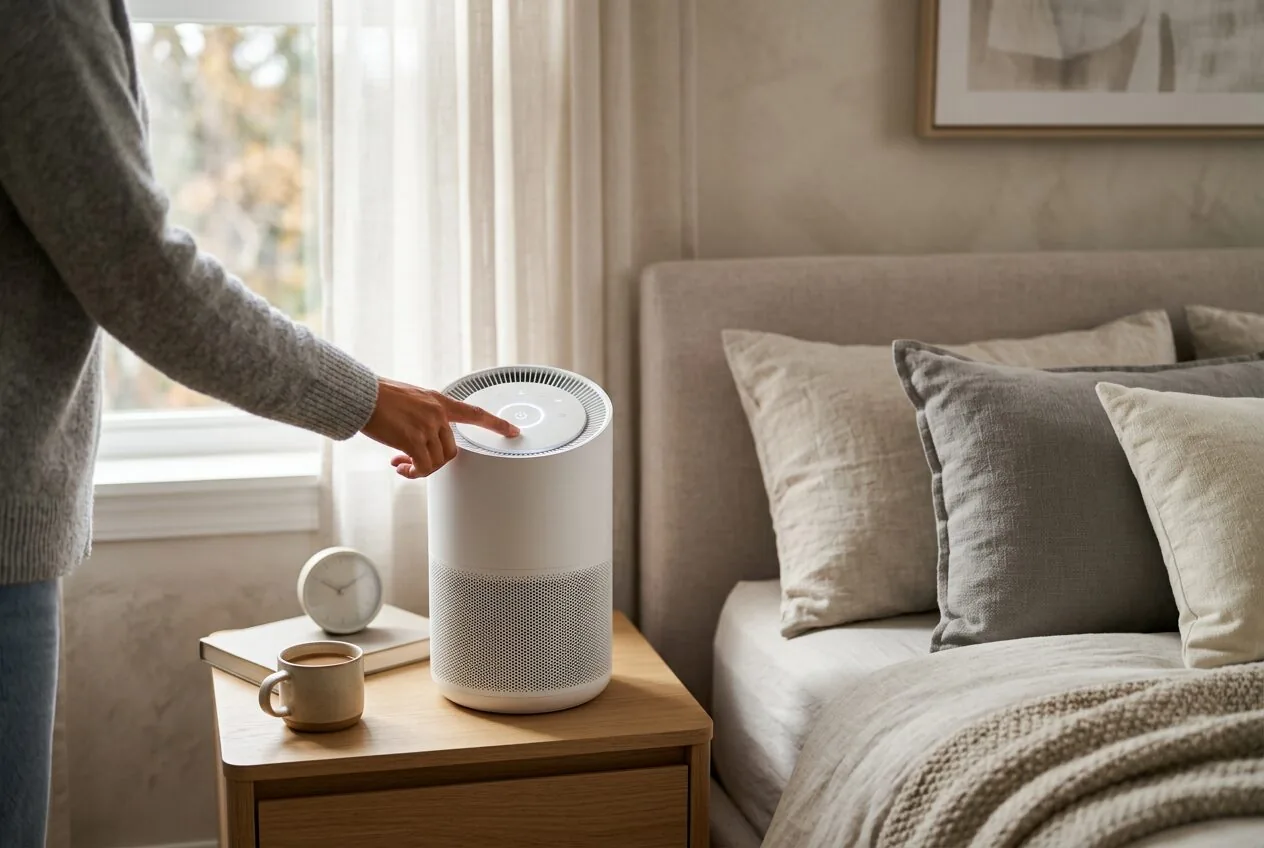
Simply owning an air purifier isn’t enough; its placement and operation are key to its effectiveness. To clean the air in a specific room, place the purifier in an area with good airflow, away from walls and large furniture. Avoid corners, as they restrict intake.
For the best protection, run the purifier continuously on a medium or high setting, especially when someone is sick or when people are gathered. Many models have a quiet “sleep” mode for nighttime use. Remember, air purifiers clean the air in the room they are in; they are not whole-house systems unless specifically designed for ductwork. For more on using purifiers around the clock, see our guide on sleeping with an air purifier running.
Sizing and Maintenance Are Crucial
- Choose the Right Size: Check the purifier’s Clean Air Delivery Rate (CADR) and match it to your room size. A unit too small for the space won’t be effective. Look for a CADR that is at least 2/3 of the room’s area in square feet.
- Replace Filters Regularly: A clogged filter drastically reduces airflow and efficiency. Follow the manufacturer’s schedule, typically every 6-12 months for HEPA filters. For Dyson purifier owners, a compatible option like the 360° Combi Glass Hepa + Carbon Filter for Dyson can help maintain peak performance when it’s time for a change.
- Seal the Deal with Other Measures: An air purifier is one layer of defense. It works best when combined with vaccination, frequent handwashing, staying home when sick, and improving ventilation by opening windows when weather permits.
Recommended Products for Seasonal Air Quality Support
When selecting an air purifier for flu season support, focus on models with true HEPA filters and adequate room coverage. Here are a few options that fit different needs and spaces, from bedrooms to larger living areas.


As an Amazon Associate we earn from qualifying purchases. Product prices and availability are accurate as of the date/time indicated.
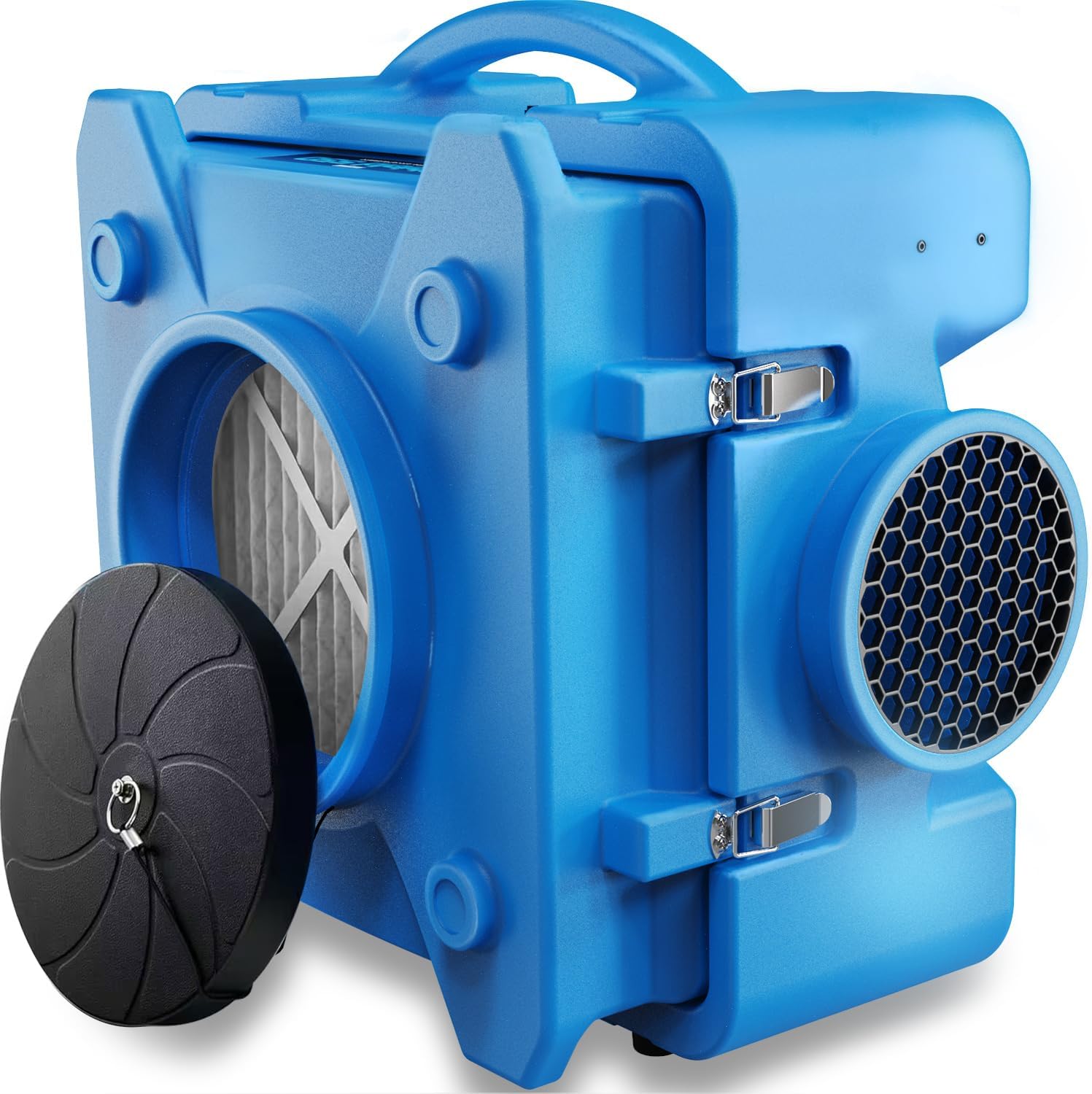
For bedrooms or home offices, a compact, quiet purifier like the AIRROMI Air Purifier for Home Pet Hair Allergens can provide continuous filtration without disturbance. For larger spaces or after events like home renovations where dust can linger, a powerful unit like the CADPXS Shield-550 Air Scrubber 550 CFM offers high air turnover. The right choice depends on your specific room size and needs.
Frequently Asked Questions
Can an air purifier prevent me from getting the flu?
No, an air purifier cannot guarantee prevention. It is a risk-reduction tool that lowers the concentration of airborne virus particles. The most effective prevention strategies remain getting an annual flu vaccine, practicing good hand hygiene, and avoiding close contact with sick individuals.
Where is the best place to put an air purifier for flu season?
Place it in the room where people spend the most time together, such as a living room or family room. If someone is sick, placing a purifier in their bedroom can help reduce the amount of virus in that contained air. Always ensure it has a few feet of clearance on all sides for optimal airflow.
How does indoor air quality affect overall family health beyond flu season?
Clean indoor air is a year-round concern. Consistently good air quality can help manage u003ca href=u0022https://airpurifierguides.com/air-purifiers-and-long-term-allergy-management/u0022u003elong-term allergiesu003c/au003e, reduce asthma triggers, improve sleep, and promote general respiratory health. It’s a foundational element of a healthy home environment.
A standard air purifier with a true HEPA filter is very effective at physically removing virus-laden particles from the air. Some models add UV-C light inside the unit to inactivate captured germs on the filter, which may offer an extra layer of protection but is not necessary for basic particle removal. The HEPA filter itself is the core component.
Final Thoughts
An air purifier is a valuable, science-backed tool to improve your indoor air during flu season and beyond. By incorporating a HEPA-filter purifier sized correctly for your space into a broader strategy that includes ventilation and hygiene, you can create a cleaner, healthier indoor environment. Think of it as part of your home’s wellness infrastructure, working quietly in the background to support your family’s health. For more on creating a healthy home atmosphere, explore our article on why clean indoor air matters for families.
About the author
Editor at AirPurifierGuides.com. Emily has a background in professional communication and has worked with several health and technology publications. She edits our content for accuracy and answers reader questions about air quality.