Can You Sleep With an Air Purifier Running? Safety, Benefits & Tips
A guide to the safety and benefits of running an air purifier all night, with practical tips for using it in your bedroom for better sleep.
 By Emily Foster
Updated October 17, 2026
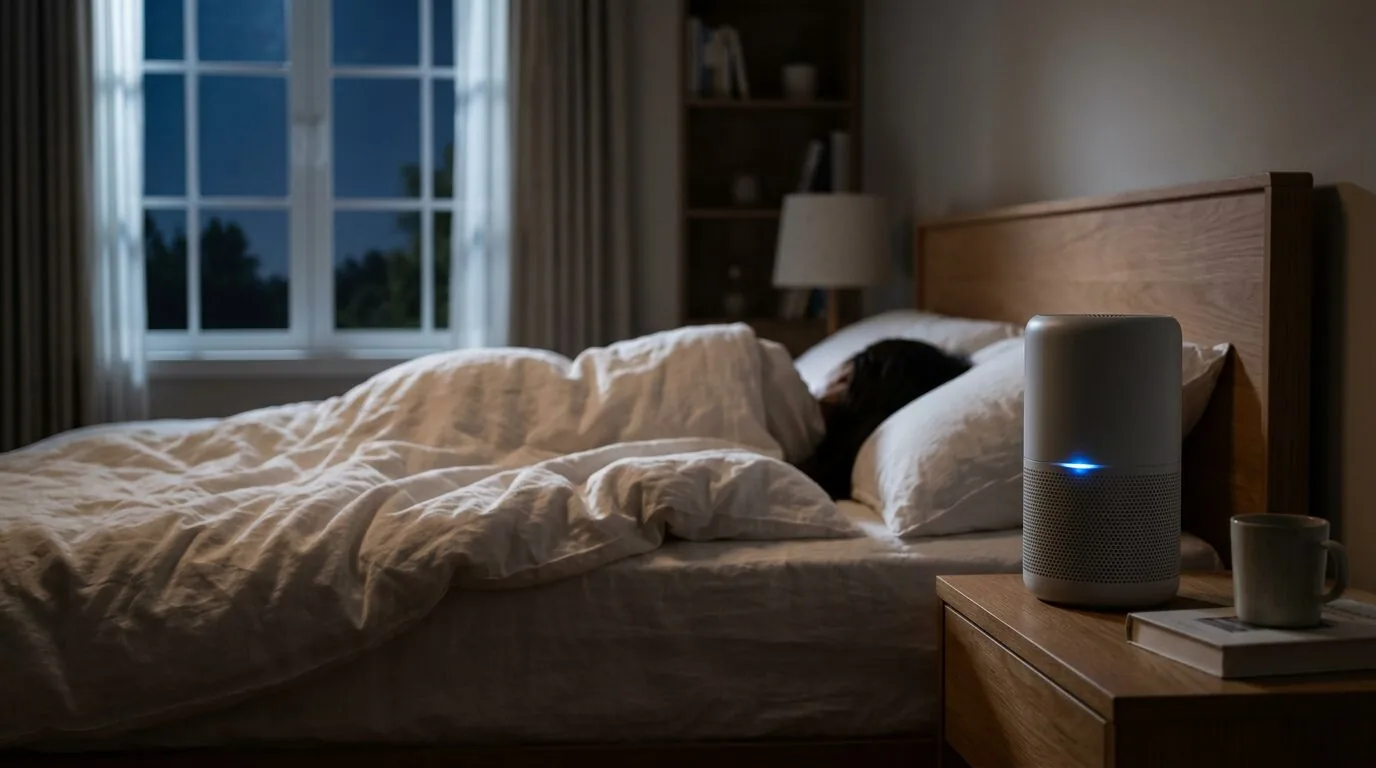
Yes, you can and generally should sleep with an air purifier running. Modern air purifiers are designed for safe, continuous operation, including overnight. Running one in your bedroom can significantly improve air quality while you sleep, reducing allergens, dust, and other particles that can disrupt rest. The key is to choose a model with a quiet sleep mode and place it correctly for optimal, unobtrusive performance.
For many, the bedroom is where we spend a third of our lives, yet it can be a hotspot for dust mites, pet dander, and other airborne irritants that affect sleep quality and overall health. Using an air purifier overnight acts as a silent guardian, cleaning the air you breathe for hours on end. This article will explain how air purifiers work at night, their proven benefits for sleep, and how to set one up safely and effectively in your bedroom.
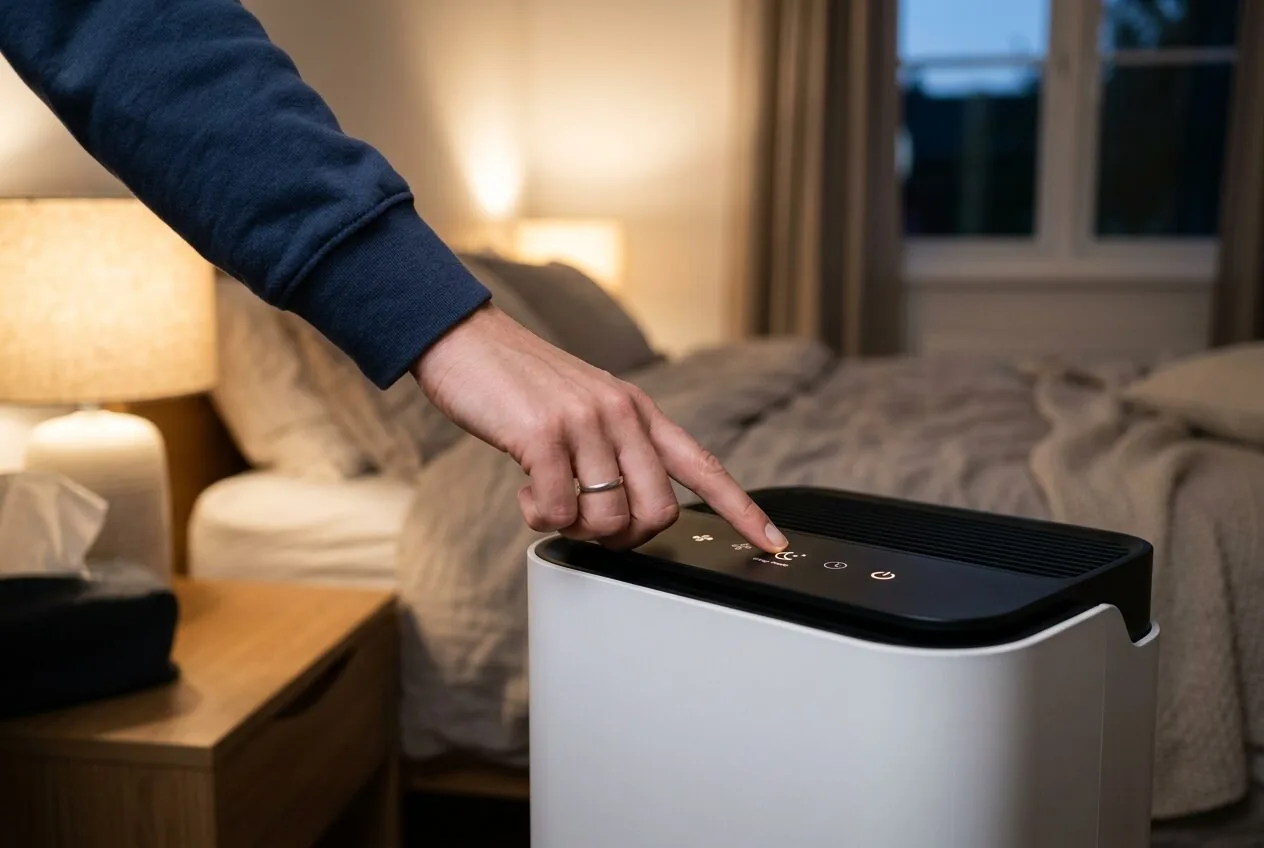
How Air Purifiers Work Overnight
Air purifiers clean your bedroom’s air through a simple but effective mechanical process. A fan draws air into the unit, where it passes through one or more filters before being circulated back into the room. For sleep, the most critical components are the filtration technology and the noise level of the fan.
Filtration and Sleep Mode
Most quality bedroom air purifiers use a True HEPA filter, which captures 99.97% of particles as small as 0.3 microns. This includes common sleep disruptors like pollen, mold spores, and dust mite debris. Many models also include an activated carbon layer to absorb odors and volatile organic compounds (VOCs). Crucially, nearly all modern purifiers designed for bedrooms feature a dedicated sleep or night mode.
Sleep mode typically does two things: it reduces the fan to its lowest, quietest speed to minimize noise, and it dims or turns off all indicator lights on the device. This allows the purifier to run continuously throughout the night without disturbing your sleep with sound or light pollution. The filtration continues, albeit at a slightly slower air exchange rate, providing a steady cleanse of your bedroom air.
The Benefits of Sleeping With Clean Air
The primary benefit is straightforward: cleaner air to breathe for 6-8 consecutive hours. This sustained period of improved air quality can lead to several tangible health and wellness advantages, particularly for sensitive individuals.
Reduced Allergy and Asthma Symptoms
For allergy sufferers, nighttime can be particularly troublesome as settled allergens are disturbed when getting into bed. A running air purifier continuously removes these particles from the air, potentially reducing nighttime congestion, sneezing, and itchy eyes. This can lead to fewer sleep interruptions and a more restful night. Studies have shown that using HEPA filtration in the bedroom can improve allergic rhinitis symptoms.
Minimized Exposure to Dust and Pet Dander
Bedrooms accumulate dust from bedding, carpets, and outside air. If you share your bed with pets, their dander is also present. An air purifier running overnight captures these particles at the source, preventing you from inhaling them as you sleep. This is a key part of long-term allergy management strategies for your home.
Improved Overall Sleep Quality
Beyond allergens, clean air itself can promote better sleep. Some research suggests that lower levels of particulate matter and carbon dioxide in bedroom air are associated with deeper, more efficient sleep. By providing a consistent supply of filtered air, a purifier can help create an optimal sleep environment, which is especially important for seniors and others with respiratory sensitivities.
Addressing Common Safety and Practical Concerns
It’s natural to have questions about running an electrical appliance all night. Here we address the most frequent concerns to give you peace of mind.
Is It Safe to Leave an Air Purifier On All Night?
Yes, when you use a purifier from a reputable manufacturer. These appliances are tested for continuous operation and have built-in safety features like overheat protection and stable, enclosed motors. They are no more hazardous than leaving a ceiling fan on overnight. Always follow the manufacturer’s instructions, ensure the unit has adequate clearance for airflow, and never place it under blankets or bedding.
Will the Noise Keep Me Awake?
This depends on the specific model and your sensitivity. The noise level, measured in decibels (dB), is key. A sleep mode usually operates between 20-30 dB, which is quieter than a whisper or rustling leaves. For many people, this consistent, low hum becomes a form of white noise that can actually mask other disruptive sounds and promote sleep. If you are extremely sensitive, look for models specifically advertised as "ultra-quiet" on their lowest setting.
What About Ozone or Ionizers?
This is a critical safety point. You should avoid sleeping in a room with an air purifier that generates ozone, a lung irritant. Stick to purifiers that use only mechanical filtration (HEPA and carbon filters). If the purifier has an ionizer or "plasma" function, ensure it can be turned off independently, and keep it off for overnight use. The safest bet for bedroom use is a HEPA-based purifier without ozone-generation capabilities.
How to Optimize Your Air Purifier for Sleep
Proper setup is crucial to reap the benefits without any drawbacks. Follow these tips for the best nighttime air purification experience.
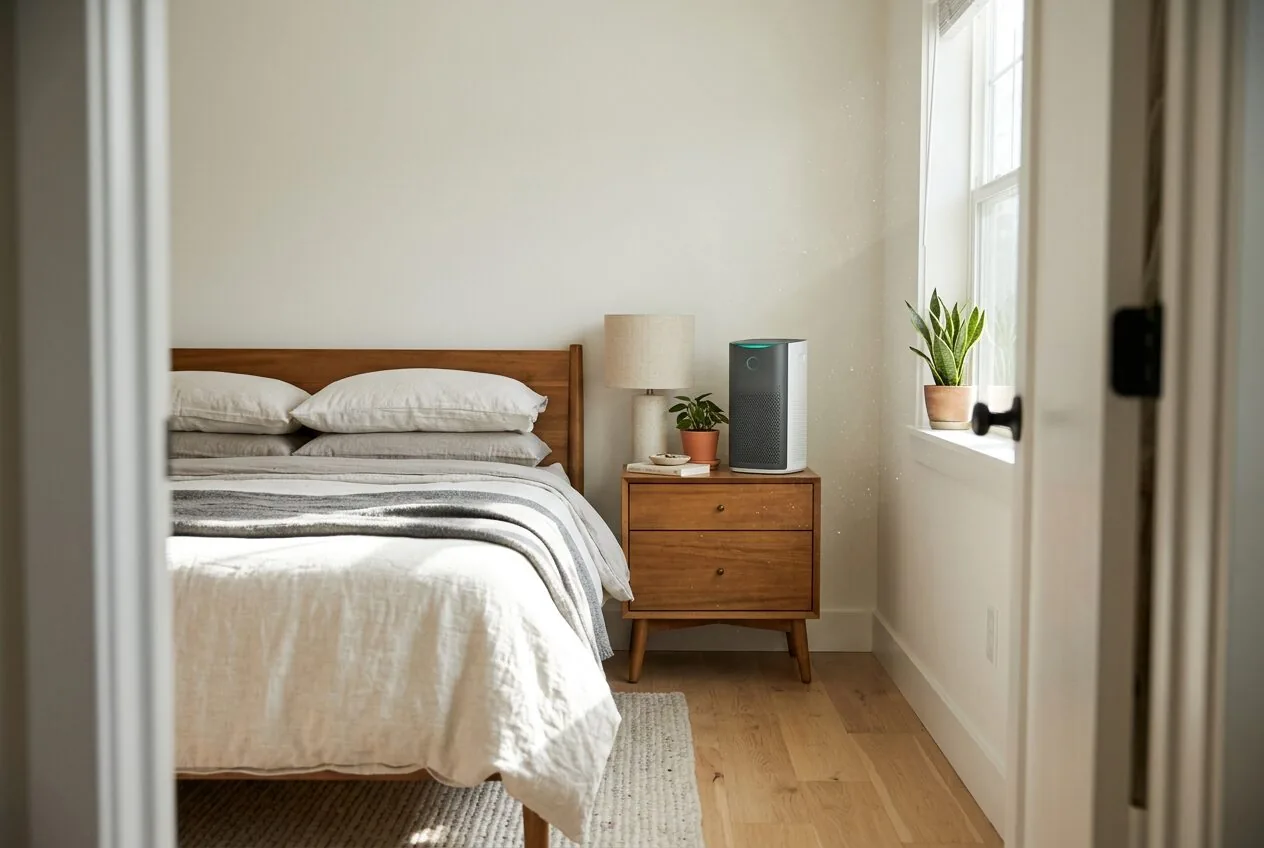
- Choose the Right Location: Place the purifier a few feet away from your bed, ideally on the side where you breathe (e.g., your nightstand). Avoid placing it directly against a wall or in a corner, as this restricts airflow. Ensure the air intake and outlet are unobstructed.
- Run It Consistently: For the best results, turn the purifier on at least 30-60 minutes before you go to bed. This allows it to clean the existing air in the room, so you start with a cleaner baseline. Let it run continuously on sleep mode all night.
- Keep the Door and Windows Closed: To allow the purifier to effectively clean the air in your bedroom, minimize the influx of new, unfiltered air. Keeping the door closed helps contain the clean air. This also makes the unit more energy-efficient, as it isn’t trying to clean air from the entire house.
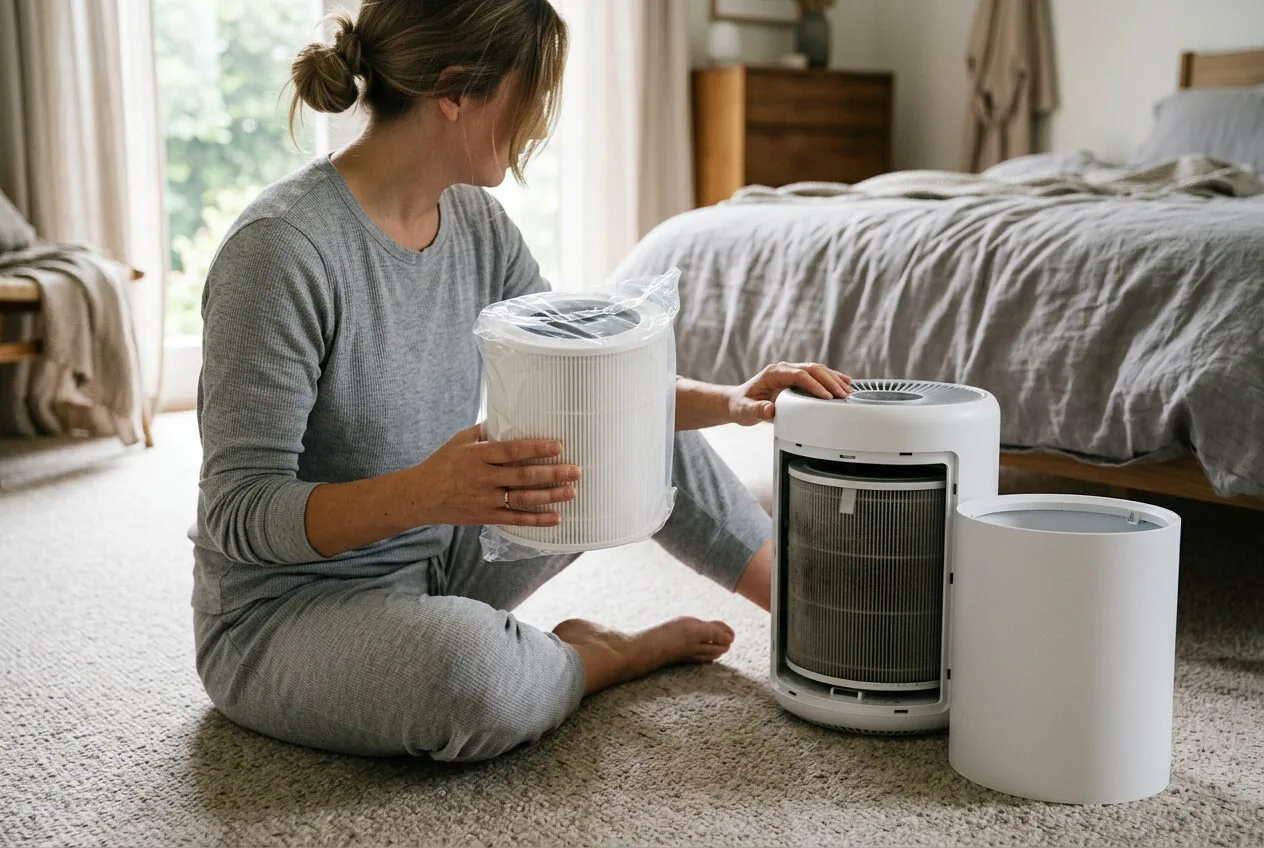
- Maintain Your Filters: A clogged filter forces the fan to work harder, which can increase noise and reduce efficiency. Replace filters according to the manufacturer’s schedule to ensure quiet, effective operation. Using compatible replacement filters like the 12030 Replacement Filter for Clorox 11030 & 11031 or the 360° Combi Glass Hepa + Carbon Filter for Dyson ensures your unit performs as intended.
Recommended Products
When selecting an air purifier for your bedroom, prioritize features like a quiet sleep mode, effective HEPA filtration, and the right room size coverage. The following products are good examples of purifiers and essential maintenance items designed for effective and quiet overnight operation.


As an Amazon Associate we earn from qualifying purchases. Product prices and availability are accurate as of the date/time indicated.
Frequently Asked Questions
Is it expensive to run an air purifier all night?
No, most modern air purifiers are very energy-efficient, especially on their low sleep mode settings. Running a purifier 24/7 typically costs less than running a standard incandescent light bulb, often just a few dollars per month on your electricity bill.
Can an air purifier help with snoring or sleep apnea?
An air purifier is not a treatment for sleep apnea, which is a mechanical obstruction. However, by reducing nasal congestion caused by allergens or irritants in the air, it may help some people breathe more easily through their nose at night, which can sometimes reduce snoring related to congestion.
Should I point the air purifier at my face while sleeping?
No, you should not point the airflow directly at your face or body. This can cause dryness and discomfort. Instead, place the unit so that its clean air output circulates generally throughout the room. The goal is to clean the entire room’s air, not create a direct draft.
Can I use an essential oil diffuser with my air purifier?
It’s not recommended to add oils to the purifier’s filter or use a separate diffuser right next to it. Essential oils can coat and degrade the HEPA filter media, reducing its effectiveness. The carbon filter will also become saturated with the oil scent instead of household odors. If you want scent, use them separately and sparingly.
How do I know if my bedroom air purifier is working?
While you can’t see most pollutants, you might notice less dust settling on surfaces, a reduction in allergy symptoms upon waking, or the absence of persistent odors. Some smart purifiers have air quality sensors and apps that show real-time particle reduction, providing concrete feedback on their performance as part of your overall home health strategy, which you can learn more about in our article on u003ca href=u0022https://airpurifierguides.com/why-clean-indoor-air-matters-for-families/u0022u003ewhy clean indoor air matters for familiesu003c/au003e.
Final Thoughts
Sleeping with an air purifier running is not only safe but is a highly effective strategy for improving your sleep environment. By providing a continuous supply of cleaner air, it tackles allergens, dust, and odors right where you are most vulnerable and stationary for hours. The key to success lies in choosing a quiet, non-ozone-producing model, placing it thoughtfully in your room, and maintaining it properly with timely filter changes from reliable sources like the Air220 Air320 Filter Replacement for Bissell Air.
Think of your bedroom air purifier as an investment in restorative sleep. By creating a cleaner breathing zone, you’re removing invisible barriers to deep sleep and waking up feeling more refreshed. For most people, the gentle hum of a purifier on sleep mode quickly becomes a reassuring background sound, a signal that the air they breathe all night long is being actively cared for.
About the author
Editor at AirPurifierGuides.com. Emily has a background in professional communication and has worked with several health and technology publications. She edits our content for accuracy and answers reader questions about air quality.