Can Air Purifiers Help With Airborne Viruses?
Learn how air purifiers can reduce airborne virus particles, what features to look for, and their role in a layered defense strategy for cleaner indoor air.
 By Emily Foster
Updated October 17, 2026
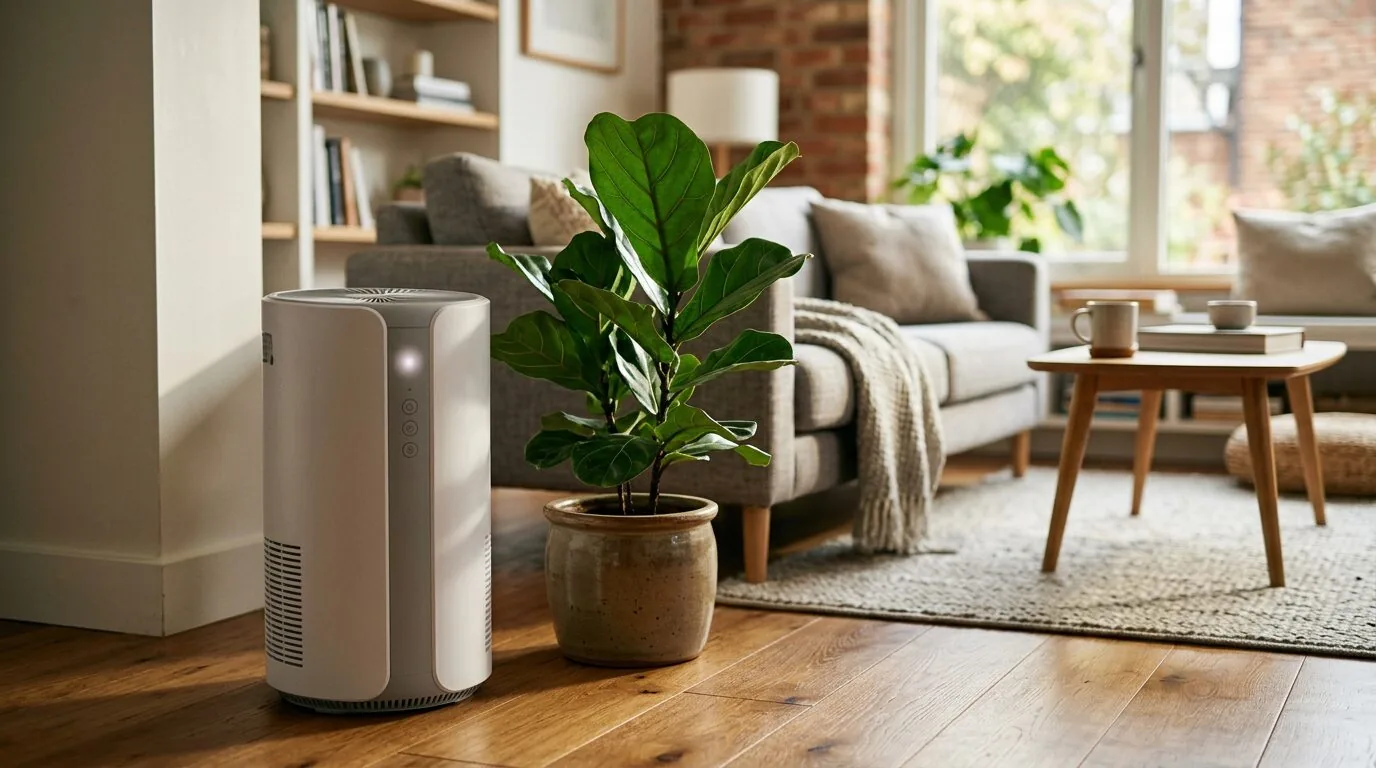
Yes, air purifiers with HEPA filters or specific germicidal technologies can reduce the concentration of airborne viruses in indoor air by capturing or inactivating the particles they travel on. However, they are not a standalone solution and work best when combined with other measures like ventilation and good hygiene.
The question of whether air purifiers can help with airborne viruses has gained significant attention, especially in recent years. While the concept sounds promising, understanding how they work, their limitations, and the evidence behind their effectiveness is crucial for making informed decisions about your indoor air quality and health.
This guide will explain the science behind air purifiers and viruses, detail the key technologies involved, and provide practical advice on how to use them effectively as part of a broader approach to creating a healthier home environment.
How Air Purifiers Can Target Viruses
Viruses themselves are incredibly small, often measuring between 0.02 to 0.3 microns. However, they rarely travel through the air alone. They typically hitch a ride on larger particles like respiratory droplets, aerosols, or dust. It’s these larger “carrier” particles that air purifiers are designed to remove from the air.
The Role of HEPA Filtration
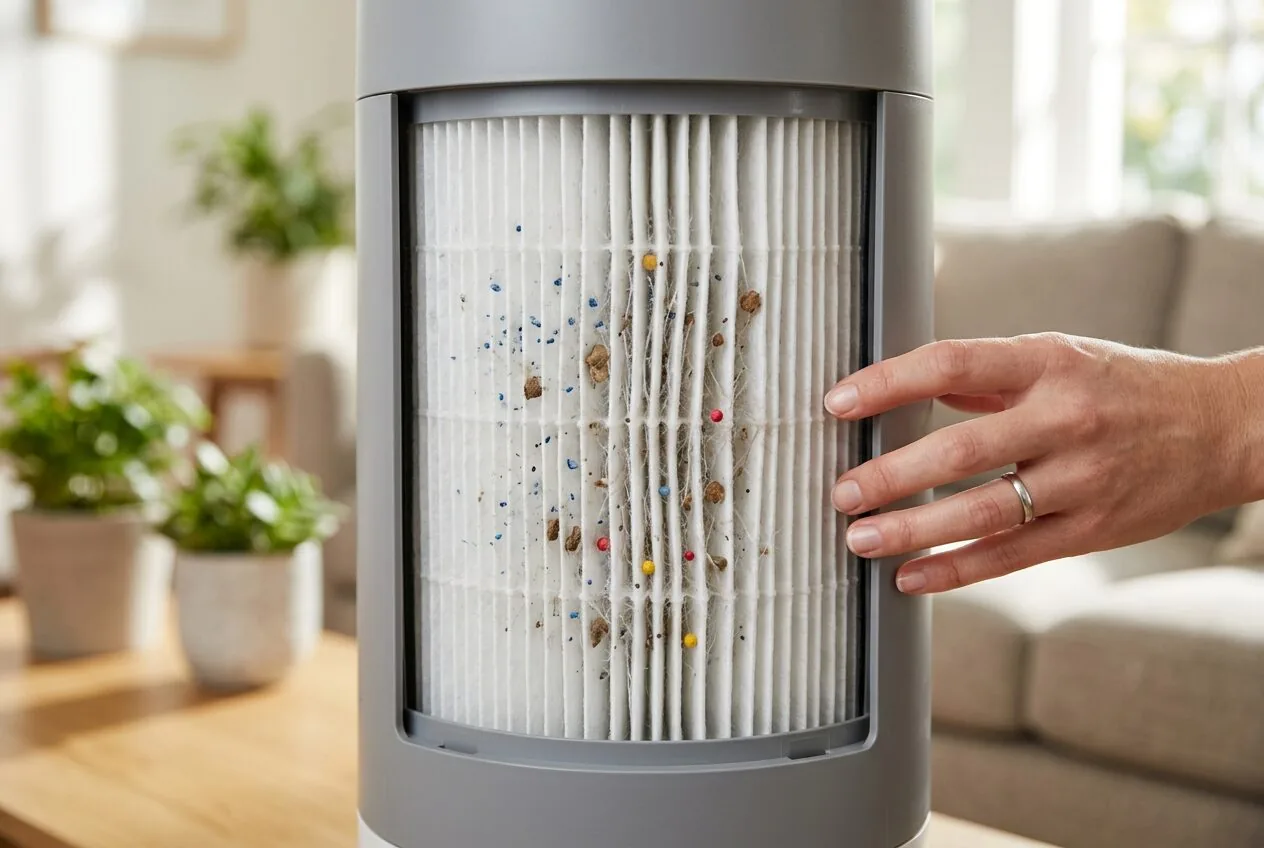
True HEPA (High-Efficiency Particulate Air) filters are the gold standard for particle removal. To earn the HEPA designation, a filter must capture at least 99.97% of particles that are 0.3 microns in size. This size is the most penetrating particle size (MPPS), meaning it’s the hardest size for filters to catch. Since viruses ride on larger particles, a true HEPA filter is highly effective at trapping them. For example, the Clorox Medium Room Air Purifier True HEPA uses this technology to capture allergens and particulates.
It’s important to note that while the filter traps the virus-laden particle, the virus itself may remain viable on the filter material for a period. This is why proper filter handling and regular replacement according to the manufacturer’s schedule are essential safety practices.
Beyond HEPA: UV-C Light and Ionizers
Some air purifiers incorporate additional technologies aimed at inactivating microorganisms, not just trapping them. UV-C light uses short-wavelength ultraviolet radiation to damage the DNA or RNA of viruses and bacteria, rendering them unable to replicate. For this to be effective, the air must be exposed to a sufficient dose of UV-C light at the correct wavelength, which requires specific engineering inside the purifier.
Ionizers release charged ions into the air that attach to particles, causing them to clump together and fall out of the air or be more easily caught by a filter. Some ions may also disrupt the surface proteins of viruses. However, some ionizers can produce ozone, a lung irritant, so it’s vital to choose models that are certified as ozone-free if you consider this technology.
The Evidence and Effectiveness
Scientific studies and real-world assessments provide context for what air purifiers can and cannot do against viruses. Research, including studies funded by agencies like the CDC, has shown that portable HEPA air cleaners can significantly reduce exposure to simulated respiratory aerosols in indoor spaces. They are particularly effective in enclosed rooms where they can cycle the air multiple times per hour.
Understanding CADR and ACH
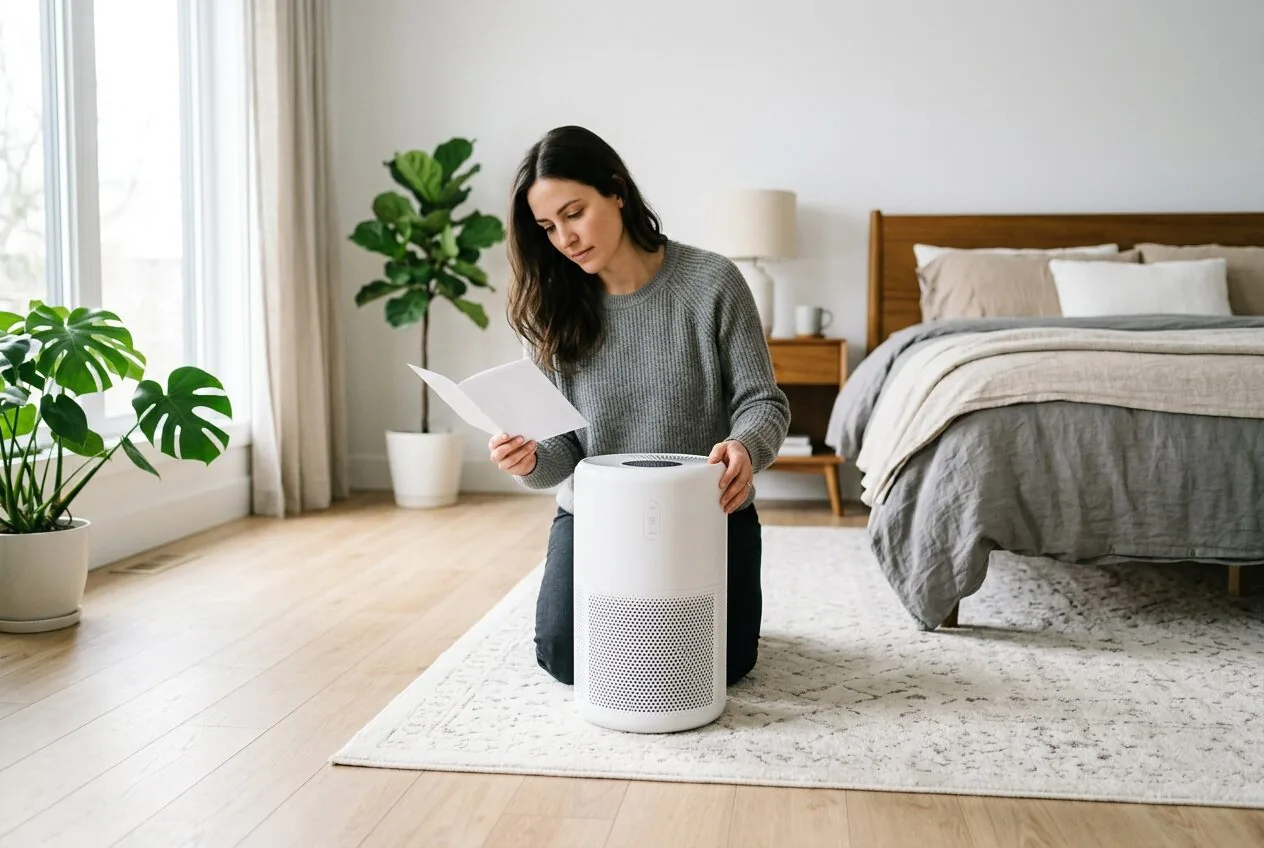
Two critical metrics determine an air purifier’s practical effectiveness: Clean Air Delivery Rate (CADR) and Air Changes per Hour (ACH). CADR measures how quickly a purifier can deliver clean air, with separate ratings for smoke, dust, and pollen. For virus reduction, the smoke CADR is often the most relevant as it represents the smallest particles.
ACH refers to how many times all the air in a room is replaced with filtered air in one hour. For reducing airborne contaminants, a target of 4-6 ACH is often recommended. You can achieve this by choosing a purifier with a CADR rating suitable for your room size. A model like the AIRDOCTOR AD3500 Air Purifier is designed for larger spaces and can achieve high air change rates.
Limitations and Realistic Expectations
It is crucial to set realistic expectations. An air purifier is not an impenetrable shield. It cannot instantly “sanitize” a room if someone is actively coughing nearby. Its strength lies in continuously reducing the overall concentration of particles in the air, thereby lowering the risk of exposure over time. It does not replace the need for source control (like masking when sick), ventilation (opening windows), or surface cleaning. For more on managing air during illness seasons, see our guide on air purifiers and indoor air during flu season.
How to Choose and Use an Air Purifier for Virus Reduction
If your goal includes reducing airborne viruses, focus on a few key features and usage tips to maximize benefit.
Key Features to Prioritize
- True HEPA Filter: This is non-negotiable for effective particle capture. Avoid filters marketed as “HEPA-type” or “HEPA-style.”
- Appropriate Room Size Coverage: Match the purifier’s square footage rating to your room. It’s better to oversize slightly than to undersize.
- Sealed System: A fully sealed unit ensures all air passes through the filter, preventing unfiltered air from bypassing it. The Dyson Purifier Cool Gen1 TP10 highlights this feature, noting that what goes inside, stays inside.
- Quiet Operation on High: You’re more likely to run it continuously if it’s not disruptive, especially in bedrooms. Learn more about this in our article on sleeping with an air purifier running.
Optimal Placement and Use
Place the purifier in the room where you spend the most time, such as a bedroom or home office. Keep it away from walls and large furniture to allow for proper air intake and circulation. Run it continuously on a medium or high setting, not just intermittently. The constant operation is what maintains lower particle levels. Remember to replace filters as recommended; a clogged filter drastically reduces airflow and effectiveness.
Recommended Products
While no air purifier can guarantee complete protection from viruses, models with robust HEPA filtration and suitable room coverage can be a valuable part of your indoor air quality strategy. The following products incorporate technologies discussed in this article.


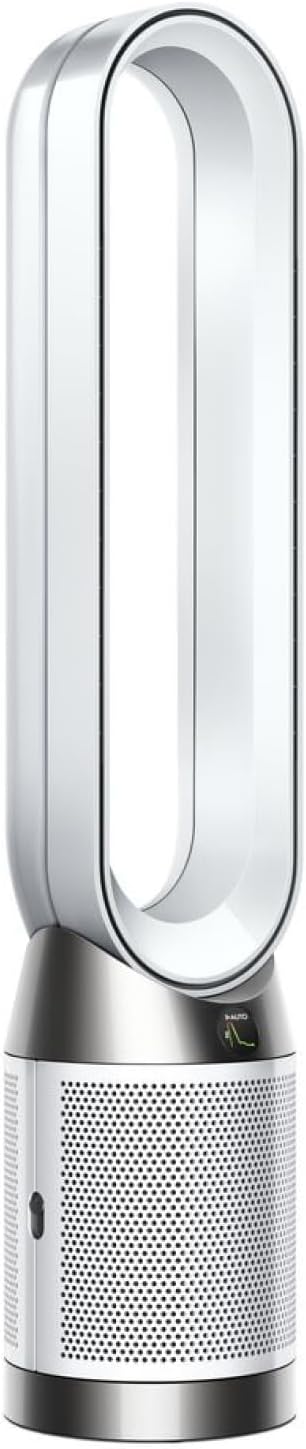
As an Amazon Associate we earn from qualifying purchases. Product prices and availability are accurate as of the date/time indicated.
Frequently Asked Questions
Can an air purifier completely prevent me from getting sick?
No. Air purifiers reduce the concentration of airborne particles, including those carrying viruses, which can lower the risk of exposure. However, viruses can also spread through direct contact and larger droplets that don’t remain airborne, which purifiers don’t address. They are one layer of defense, not a foolproof solution.
Is a HEPA filter alone enough, or do I need UV-C?
A true HEPA filter is highly effective at physically removing virus-laden particles from the air. UV-C can provide an additional layer of inactivation, potentially destroying microorganisms trapped on the filter. However, a well-sealed HEPA purifier with adequate CADR for your room is a very effective foundation.
For the best results in reducing airborne contaminants, run your air purifier continuously on an appropriate setting. Many modern models have energy-efficient modes and quiet settings for nighttime, making 24/7 operation practical and affordable.
Place it in the room where you spend the most consecutive hours, like a bedroom or home office. Position it centrally if possible, with at least a few feet of clearance from walls, curtains, or furniture to allow for optimal air flow. Avoid corners or behind couches.
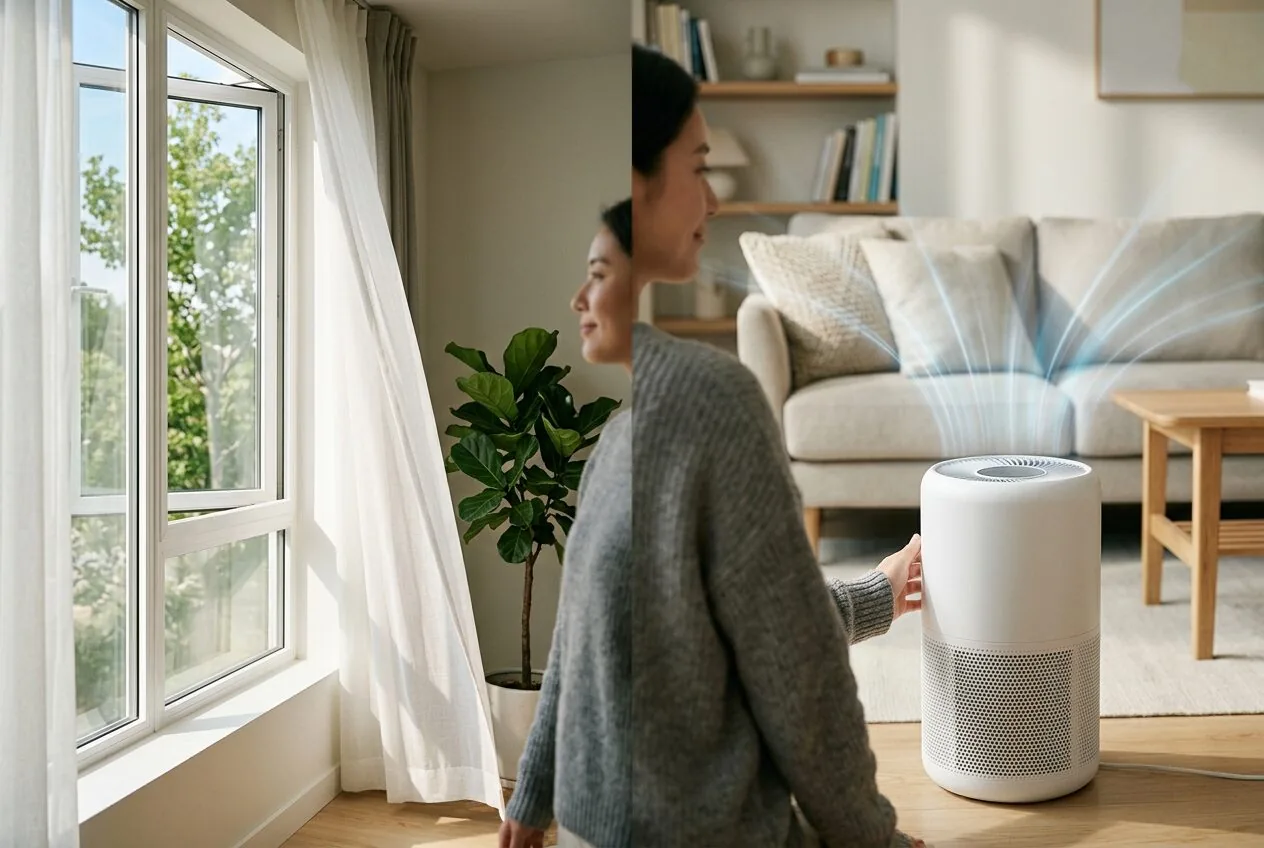
Yes. Ventilation (bringing in fresh outdoor air) and filtration (cleaning the recirculated indoor air) are complementary strategies. Opening windows dilutes indoor pollutants, including viruses, while the purifier cleans the air when ventilation isn’t possible or sufficient. For more on this balance, read about air purifiers and air circulation in the home.
Final Thoughts
Air purifiers, particularly those with true HEPA filters, can be a helpful tool for reducing airborne viruses by capturing the particles they travel on. Their effectiveness hinges on choosing a properly sized unit, using it continuously, and maintaining it well. It’s important to view them as part of a multi-faceted approach to indoor air quality that includes ventilation, source control, and hygiene.
Ultimately, investing in an air purifier can contribute to a cleaner, healthier indoor environment, offering peace of mind and tangible benefits for managing allergens and pollutants year-round. For families looking to create a safer home, this is one piece of the puzzle explored in our guide on why clean indoor air matters for families.
About the author
Editor at AirPurifierGuides.com. Emily has a background in professional communication and has worked with several health and technology publications. She edits our content for accuracy and answers reader questions about air quality.