Air Purifiers for Multi Pet Households: A Complete Guide
Learn how to choose and use air purifiers effectively to reduce pet dander, hair, and odors in homes with multiple dogs or cats.
 By Marcus Thorne
Updated October 17, 2026
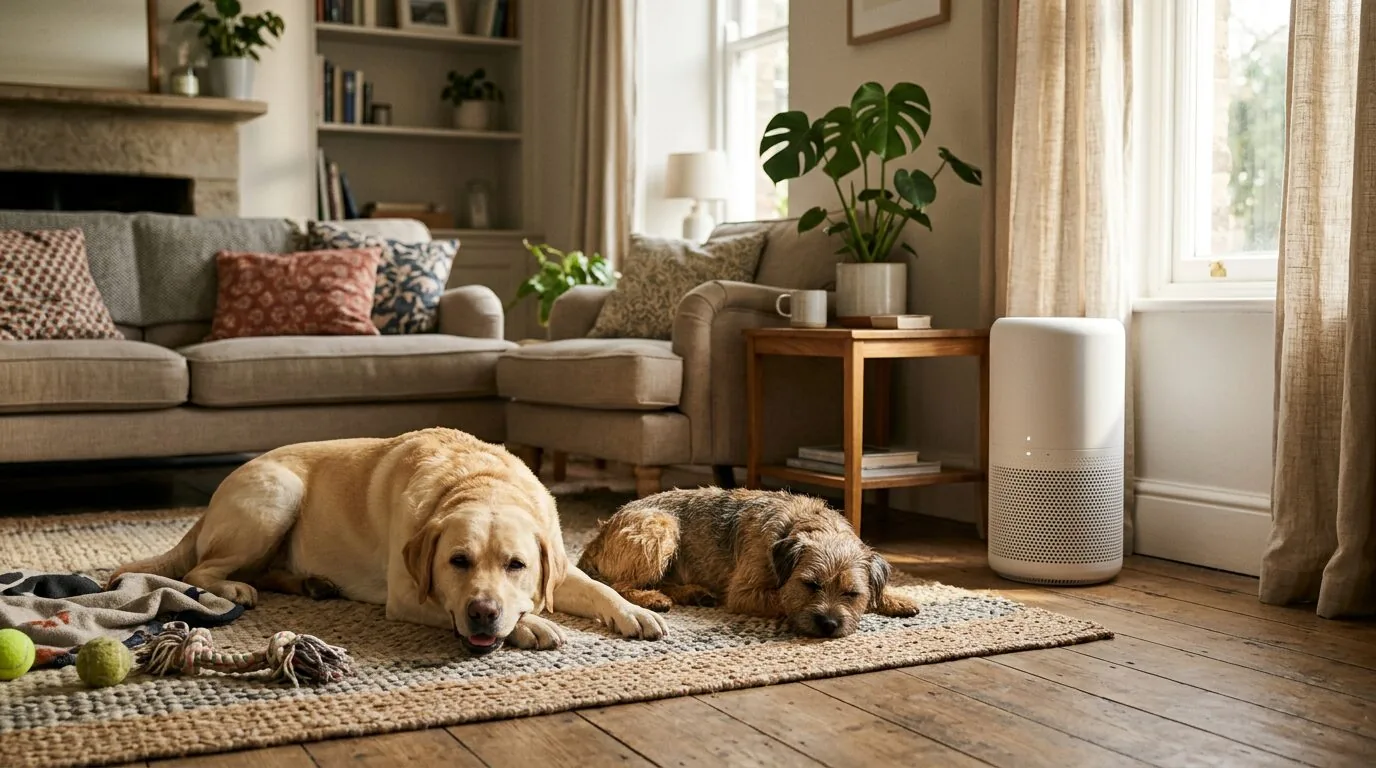
Yes, air purifiers are highly effective for multi-pet households. They work by continuously filtering the air to remove pet dander, hair, allergens, and odors, which are significantly multiplied with more than one animal. The key is selecting a unit with the right combination of HEPA and activated carbon filtration, and placing it strategically to manage the increased airborne contaminants.
Living with multiple pets brings immense joy, but also a unique set of air quality challenges. From double (or triple) the dander to compounded odors, the air in your home can quickly become a soup of allergens and smells. This guide explains how air purifiers work to tackle these specific issues, what features to look for, and how to use them effectively to create a cleaner, fresher environment for both your family and your furry companions.
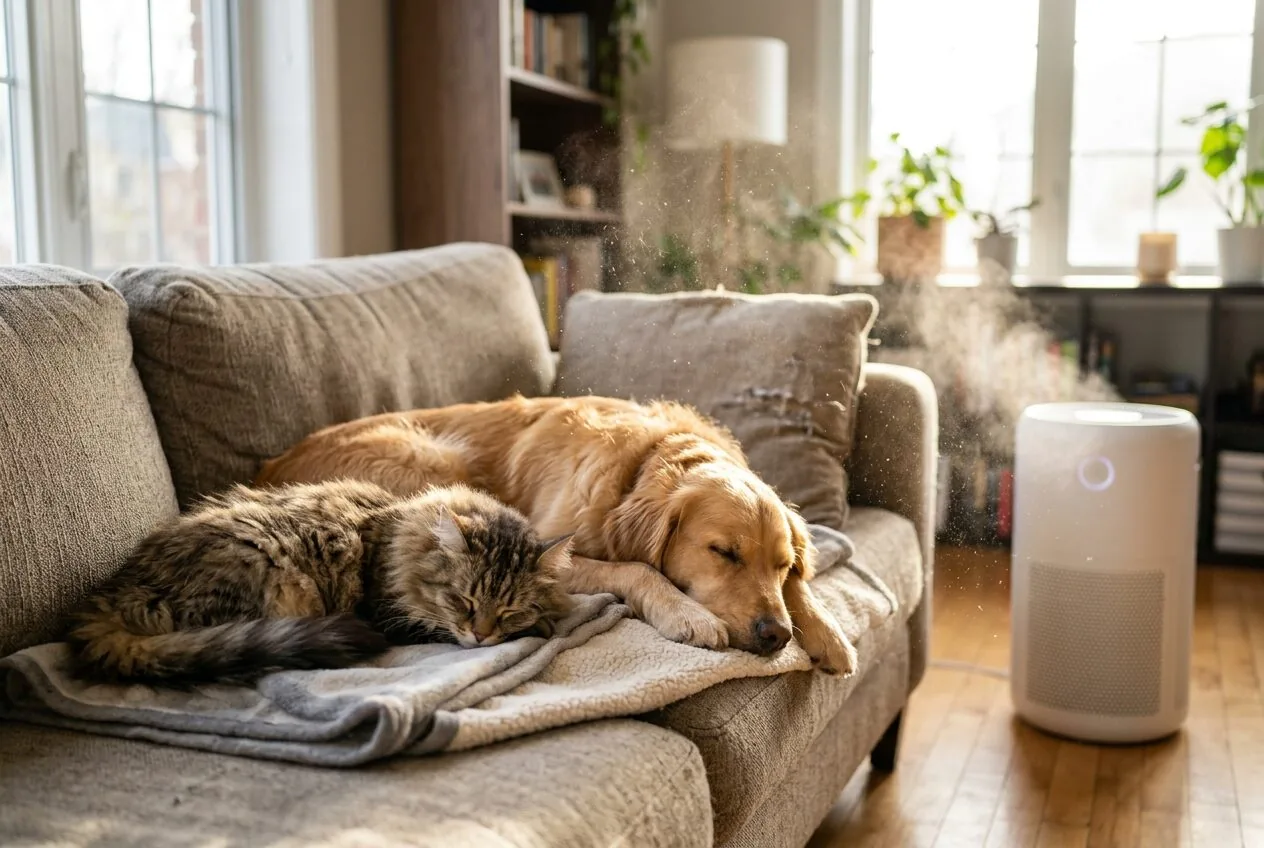
Why Air Quality is a Bigger Challenge with Multiple Pets
The impact of pets on indoor air isn’t simply additive; it’s exponential. One cat produces dander, but two cats interact, play, and shed in different areas, spreading allergens more thoroughly throughout your living space. Dogs track in outdoor allergens, and multiple pets mean more accidents, more saliva on toys, and a greater volume of hair and skin flakes becoming airborne.
The primary pollutants you’re battling include:
- Pet Dander: Microscopic flakes of skin shed by cats, dogs, and other animals. It’s a potent allergen and the main culprit for allergic reactions.
- Pet Hair & Fur: While larger hairs are more visible, broken hairs and tiny fibers become airborne and can irritate lungs.
- Odors: From litter boxes, accidents, bedding, and general pet smells. These are caused by volatile organic compounds (VOCs) and other organic matter.
- Saliva & Urine Proteins: Allergens present in pet saliva can dry on fur and become airborne, and urine accidents can release ammonia and other compounds.
- Outdoor Allergens: Pollen, mold spores, and dust tracked in on paws and fur.
How Air Purifiers Work to Clean Pet-Polluted Air
Air purifiers use a fan to draw room air through a series of internal filters, trapping pollutants before recirculating clean air. For pet homes, a multi-stage filtration system is non-negotiable. Understanding each stage helps you choose the right tool for the job.
The Essential Filtration Layers for Pet Owners
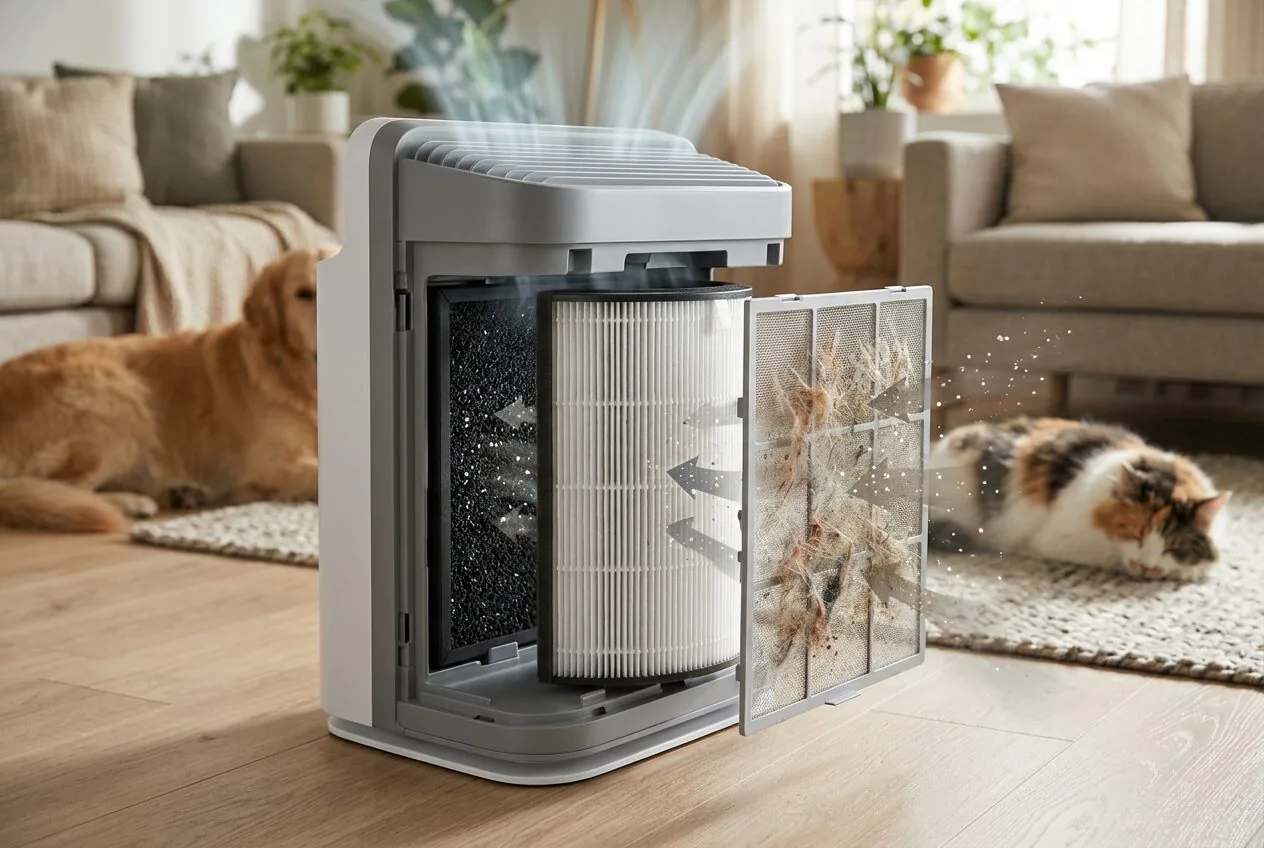
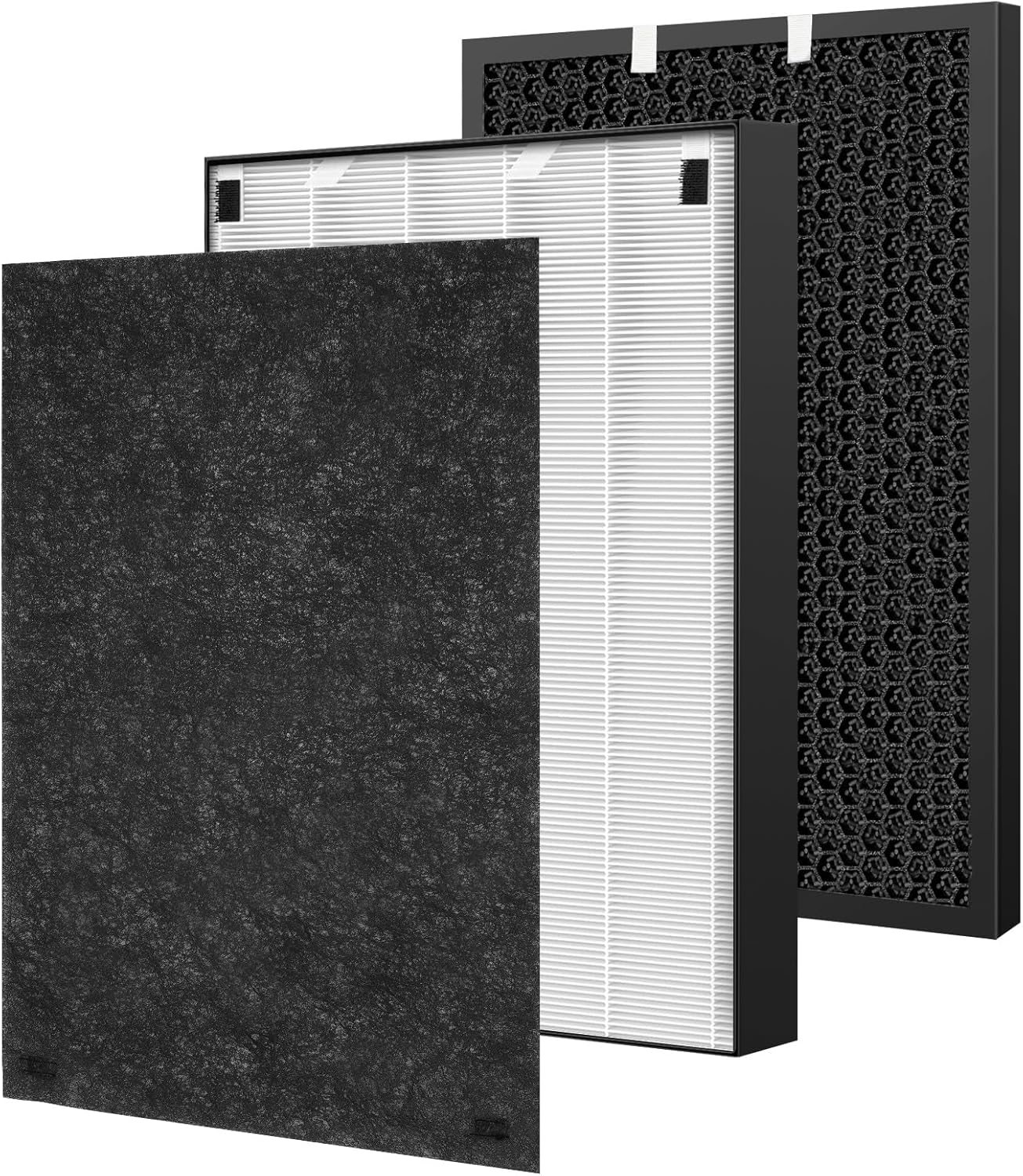
Pre-filter: This is the first line of defense. It’s a mesh screen that captures large particles like pet hair, lint, and big dust bunnies. Capturing these here protects the more delicate and expensive main filter from clogging prematurely. For multi-pet homes, a washable pre-filter is a huge advantage, as it can be cleaned frequently without extra cost.
True HEPA Filter: The heart of allergen removal. A True HEPA filter is a dense, pleated mat of fibers that captures at least 99.97% of particles as small as 0.3 microns. This includes virtually all pet dander, dust mites, mold spores, and pollen. It’s the most critical component for reducing allergic reactions.
Activated Carbon Filter: This filter tackles odors and gases. Activated carbon is treated to have a massive surface area full of tiny pores that adsorb (stick to) odor molecules and VOCs from litter boxes, accidents, and general pet smells. The more carbon, typically measured by weight, the better and longer it can control odors.
Key Features to Look for in a Multi-Pet Household
Not all air purifiers are created equal for the heavy-duty demands of multiple pets. Beyond the core filters, these features will make a significant difference in performance and convenience.
Air Changes per Hour (ACH) and Room Size
With more pets, you need faster air cleaning. Look for the Clean Air Delivery Rate (CADR) for dust, pollen, and smoke, and ensure the purifier is rated for a room size larger than the room you plan to use it in. Aim for a unit that can achieve at least 4-5 Air Changes per Hour (ACH) in your target space. This means the entire volume of air in the room is filtered 4-5 times every hour, which is crucial for keeping up with constant pet dander production.
Filter Longevity and Replacement Costs
Filters in a multi-pet home work harder and may need replacing more often than the manufacturer’s standard recommendation (which is often based on “average” use). Check the expected lifespan of the HEPA and carbon filters and factor in the cost of replacements. Some brands offer subscription services for filters, which can be convenient. Keeping a spare filter on hand, like an Air 320 Filter Replacement for Bissell Air320, ensures you never have a gap in protection when it’s time for a swap.
Noise Levels and Operation Modes
You’ll likely need to run the purifier continuously for the best results. Look for a “sleep” or “quiet” mode that operates at a very low decibel level (often under 30 dB) so it won’t disturb sleep or quiet time. An auto mode that adjusts fan speed based on real-time air quality readings is excellent for balancing effectiveness and noise.
Strategic Placement and Usage Tips
Where you put your air purifier is almost as important as which one you buy. Proper placement maximizes its ability to clean the air where pollutants are generated.
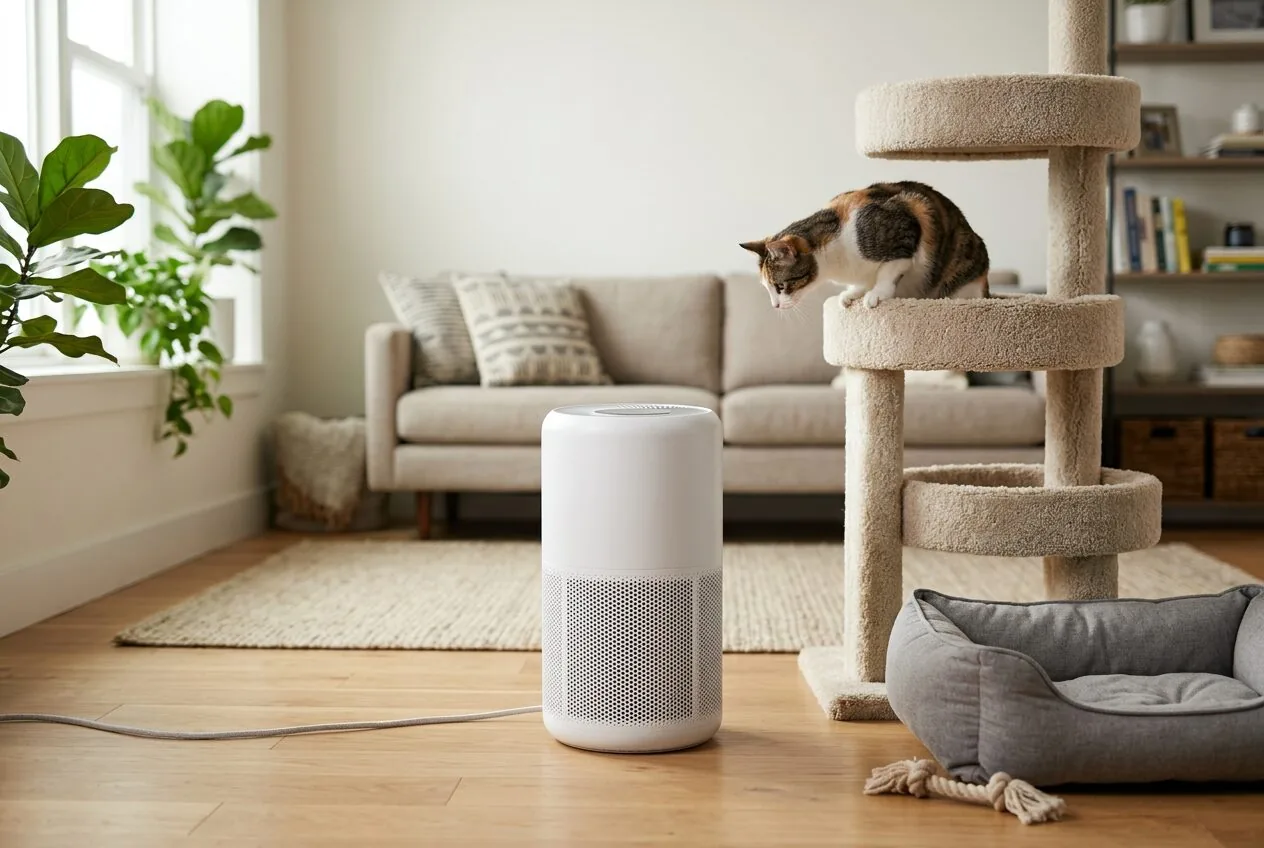
Focus on Primary Pet Zones: Place the purifier in the room where your pets spend the most time, such as the living room or a common family area. Avoid tucking it into a corner behind furniture. Keep it at least a few feet from walls and large objects to allow for proper air intake and output.
Near Litter Boxes or Bedding: Positioning a purifier near (but not blocking) the primary litter box area or your pets’ favorite sleeping spots helps capture odors and dander at the source before they spread. For larger homes or multi-story living, you may need more than one unit. A powerful model like the GoveeLife Smart Air Purifier for Home Large Rooms can cover a significant area, making it a good choice for an open-concept living space shared by several pets.
Run it Continuously: Pet dander is being shed constantly. For the best air quality, run your purifier on a low or auto setting 24/7. Closing doors to the room where the purifier is running helps it clean that specific space more efficiently.
Recommended Products
While regular vacuuming and grooming are essential, a robust air purifier is the cornerstone of managing air quality in a home with multiple pets. The right model will run quietly, filter effectively, and fit your space. The products below represent different approaches, from all-in-one units to essential replacement filters for maintaining your existing system.


As an Amazon Associate we earn from qualifying purchases. Product prices and availability are accurate as of the date/time indicated.
Frequently Asked Questions
Can an air purifier completely eliminate pet allergies?
While a HEPA air purifier can drastically reduce the level of airborne pet allergens (dander), it cannot eliminate allergies entirely. Allergens can also be brought into the home on clothing and through ventilation, and they settle on surfaces. For best results, combine air purification with regular cleaning, washing pet bedding, and grooming your pets. It’s a highly effective tool for managing symptoms, not a cure.
How often should I replace the filters with multiple pets?
You will likely need to replace filters more frequently than the standard recommendation. The pre-filter should be checked and cleaned (if washable) every two weeks. The main HEPA/carbon filter may need replacement every 6-8 months instead of 12, depending on the number of pets and their shedding. Always follow the filter indicator light or check the filter’s condition visually. For popular models like Dyson purifiers, using a compatible u003ca href=u0022https://airpurifierguides.com/refreshyourhome-965432-01-review/u0022u003e360° Combi Glass Hepa + Carbon Filter for Dysonu003c/au003e ensures you maintain performance.
Are air purifiers with ionizers safe for pets?
Many experts recommend avoiding air purifiers that generate ozone, a byproduct of some ionizers and electrostatic precipitators. Ozone is a lung irritant that can be harmful to both humans and pets, especially birds and small animals with sensitive respiratory systems. Stick to purifiers that use mechanical filtration (HEPA and carbon) without ozone generation for the safest environment for your pets.
This depends on your home’s layout. For an open floor plan, one large, powerful purifier placed centrally can be effective. For a home with many separate, closed-off rooms (like a traditional multi-bedroom house), several smaller units placed in the main pet areas (living room, bedrooms) will be more effective, as air cannot circulate freely between closed rooms. Consider your home’s air circulation when deciding.
Final Thoughts
Managing air quality in a multi-pet household is an active process, but a high-quality air purifier is arguably the most powerful tool at your disposal. By focusing on True HEPA filtration for allergens, substantial activated carbon for odors, and a unit rated for your room’s size, you can create a noticeably fresher and more comfortable home. Remember, it works best as part of a complete strategy that includes source control like regular grooming and cleaning.
Investing in the right air purifier allows you and your pets to breathe easier, reduces cleaning frequency for airborne dust and dander, and helps contain the unique odors that come with animal companionship. For more on how clean air impacts daily life, explore our blog for guides on related topics like how indoor air quality affects daily life.
About the author
Co-founder of AirPurifierGuides.com. Marcus runs a retail chain of home appliances and works directly with brands like Dyson, Coway, Levoit, and Blueair, giving him firsthand insight into current air purifier lineups and buying trends.