How Indoor Air Quality Affects Your Daily Life
The air inside your home directly influences your energy, focus, and sleep quality. Taking control of it can lead to tangible improvements in your daily health and comfort.
 By Marcus Thorne
Updated October 17, 2026
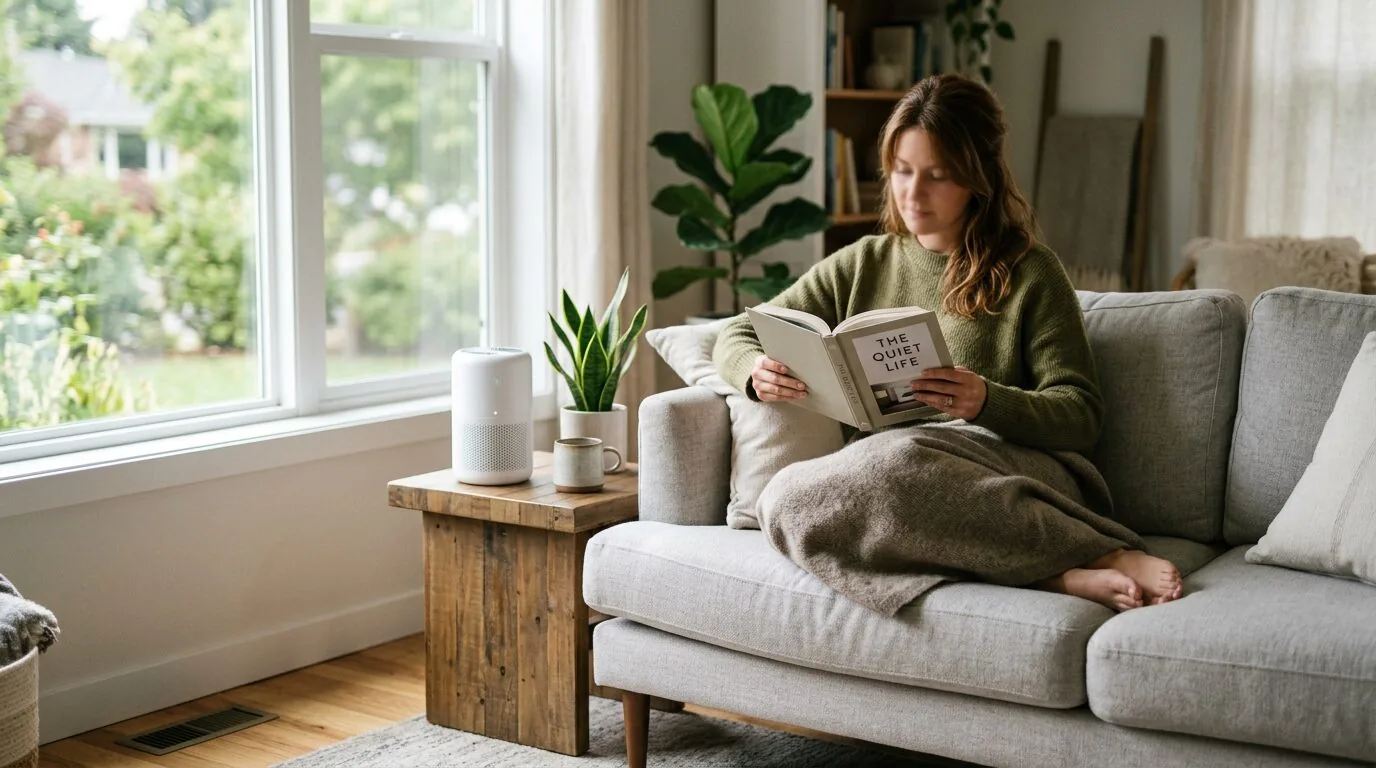
Indoor air quality (IAQ) refers to the condition of the air within your home, office, or other building. It’s determined by the concentration of pollutants like dust, pet dander, mold spores, volatile organic compounds (VOCs) from cleaners or paints, and even gases like radon or carbon monoxide. While often invisible, the quality of this air has a profound and direct impact on your daily physical health, mental clarity, productivity, and comfort.
Poor indoor air is a significant, yet frequently overlooked, environmental factor. We spend up to 90% of our time indoors, making the air we breathe there a primary influence on our well-being. Understanding these effects is the first step toward creating a healthier, more supportive living environment for you and your family.

The Direct Impact on Physical Health
The most immediate effects of poor indoor air quality are on your physical body. Pollutants act as irritants and allergens, triggering a range of symptoms that can often be mistaken for other common ailments.
Respiratory Issues and Allergies
Airborne particles like dust, pollen, and pet dander are classic triggers for allergic reactions and asthma. For individuals with these conditions, poor IAQ can lead to constant symptoms such as sneezing, a runny or stuffy nose, itchy eyes, and a scratchy throat. For asthmatics, exposure can provoke wheezing, chest tightness, and severe attacks. Even for those without diagnosed conditions, chronic exposure to irritants can lead to persistent coughing and sinus congestion.
Headaches, Fatigue, and Long-Term Risks
Beyond the respiratory system, pollutants like VOCs from household products can cause neurological and systemic symptoms. These often manifest as frequent headaches, dizziness, and unexplained fatigue or lethargy. Over the long term, exposure to certain indoor pollutants like radon or secondhand smoke is linked to more serious health risks, including respiratory diseases and certain cancers. Improving air quality is a proactive measure for both immediate comfort and long-term health.
How Air Quality Influences Sleep and Recovery
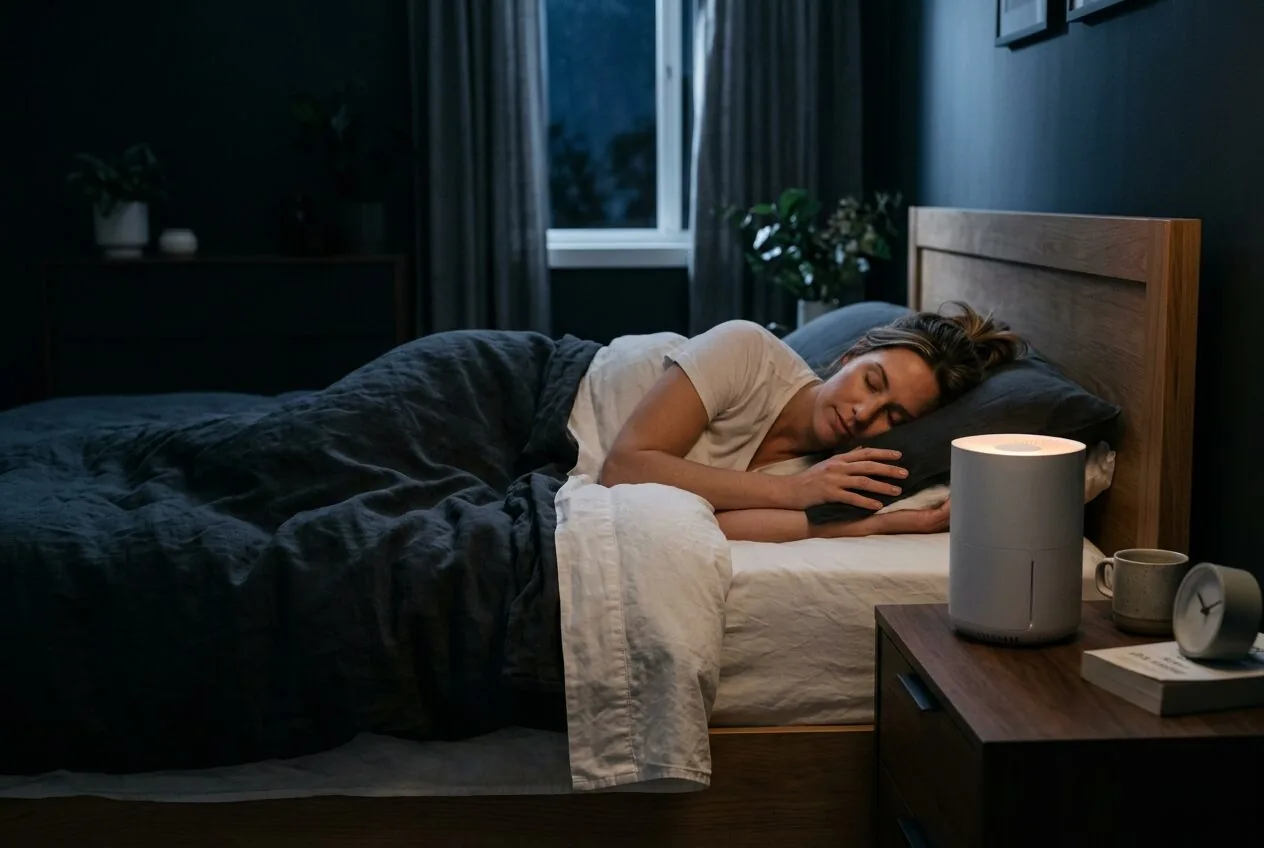
Your bedroom should be a sanctuary for rest, but poor air can sabotage a good night’s sleep. The relationship between air quality and sleep is a critical component of daily life that many people don’t consider.
Disrupted Sleep and Next-Day Fatigue
Allergens and irritants in the bedroom air can disrupt sleep throughout the night. Congestion makes breathing difficult, leading to snoring or sleep apnea events. An itchy throat or nose can cause you to wake up frequently, preventing you from reaching the deep, restorative stages of sleep. The result is waking up feeling unrefreshed and experiencing daytime sleepiness, which affects mood, concentration, and performance. A quiet, effective air purifier in the bedroom, like the Air Purifiers for Bedroom, can filter out these sleep-disrupting particles, creating a cleaner environment conducive to rest. For more on this, see our guide on sleeping safely with an air purifier.
Cognitive Function, Productivity, and Mood
The air you breathe doesn’t just affect your body; it directly influences your brain. Studies in schools and offices have shown a clear correlation between better ventilation, lower CO2 levels, and improved cognitive performance.
“Brain Fog” and Reduced Focus
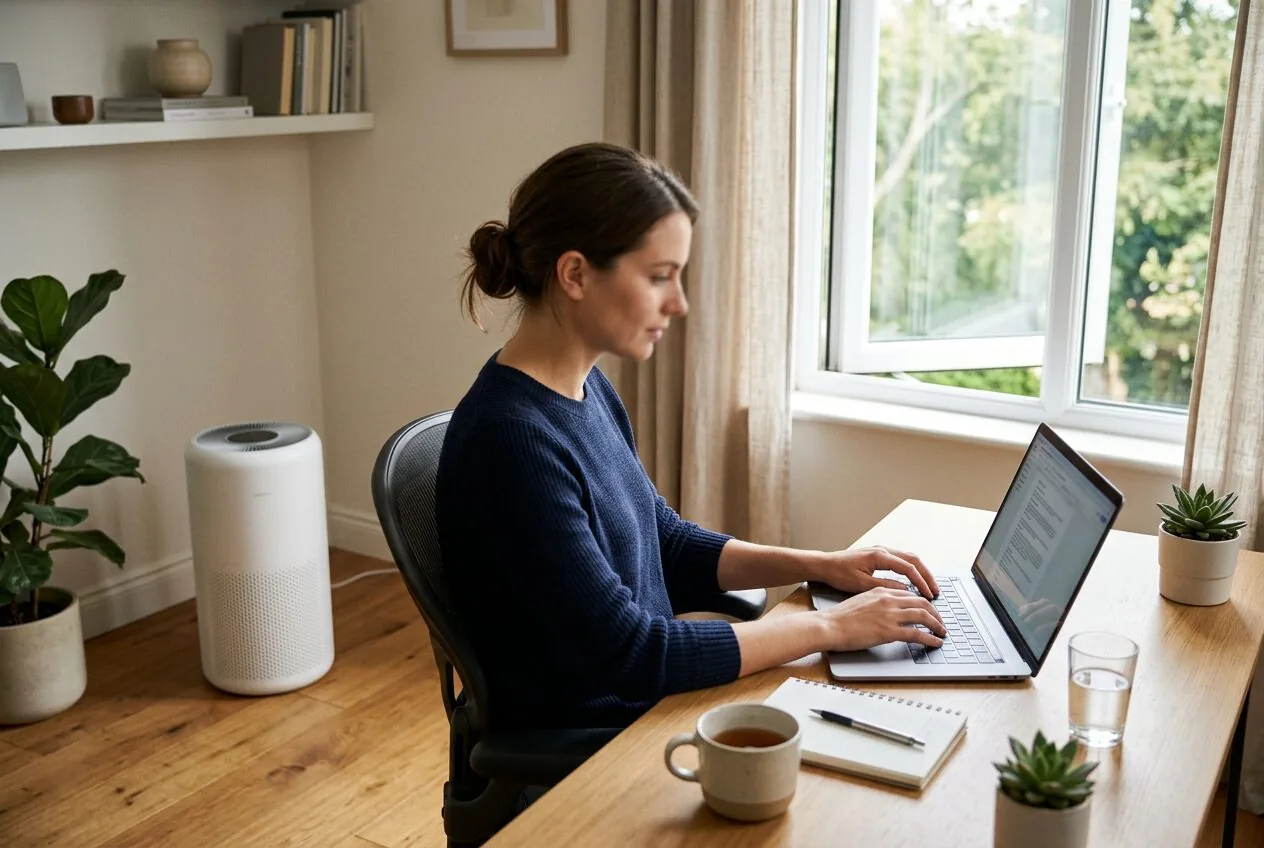
High levels of carbon dioxide, which build up naturally from exhaling in poorly ventilated spaces, can lead to feelings of drowsiness and “brain fog.” This makes it harder to concentrate, process information, and make decisions. For remote workers or students studying at home, this can significantly hamper productivity and learning outcomes. Ensuring good air circulation and filtration helps maintain lower CO2 and pollutant levels, supporting sharper mental acuity. This is a key consideration for remote workers optimizing their home office.
Stress and Overall Well-being
Chronic exposure to poor air quality can also affect your mood and stress levels. Dealing with constant minor symptoms like headaches or congestion is draining and can contribute to irritability and a lower sense of overall well-being. Conversely, breathing clean, fresh air in your home can create a calmer, more pleasant atmosphere, contributing to better mental health.
Practical Steps to Assess and Improve Your Indoor Air
Knowing the problem is half the battle. You can take concrete, effective steps to assess and improve the air in your home without needing professional help to start.
Source Control and Ventilation
The most effective strategy is to prevent pollutants from entering the air in the first place. This includes simple habits like using exhaust fans when cooking, choosing low-VOC paints and cleaning products, regularly bathing pets, and banning smoking indoors. Equally important is diluting pollutants by bringing in fresh outdoor air. Open windows when weather and outdoor air quality permit, and use bathroom and kitchen fans that vent to the outside. Understanding air circulation principles can help you use ventilation more effectively.
Cleaning and Air Purification
Regular cleaning with a HEPA-filter vacuum and damp dusting reduces settled dust and allergens that can get stirred back into the air. For airborne particles that ventilation can’t remove, a portable air purifier with a True HEPA filter is a highly effective tool. It actively pulls air through a fine mesh that captures particles like dust, pollen, and mold spores. For larger living areas or open-plan spaces, a unit like the Air Purifiers for Home Large Room is designed to handle greater square footage efficiently.
Recommended Products
While improving habits is crucial, the right tools can make a significant difference. Air purifiers are a practical solution for actively cleaning the air in specific rooms where you spend the most time, such as bedrooms and home offices. Here are a few options that fit different needs and room sizes.


As an Amazon Associate we earn from qualifying purchases. Product prices and availability are accurate as of the date/time indicated.
For example, a purifier with an air quality display, like the VOOPNU Air Purifiers For Home With Air Quality, can provide real-time feedback, helping you understand when pollutant levels are high and when your interventions are working.
Frequently Asked Questions
What are the most common signs of poor indoor air quality?
The most common signs are physical symptoms that improve when you leave the building, such as persistent allergy-like symptoms (sneezing, congestion), headaches, dizziness, fatigue, and irritation of the eyes, nose, or throat. A stuffy or unpleasant odor that doesn’t go away can also be an indicator.
Can indoor air be worse than outdoor air?
Yes, indoor air can be significantly more polluted than outdoor air. Because modern homes are built to be energy-efficient and airtight, pollutants from cooking, cleaning, building materials, and our activities can become trapped and concentrated indoors, with limited fresh air to dilute them.
Do houseplants really improve air quality?
While some houseplants can remove trace amounts of certain VOCs from the air in controlled laboratory settings, you would need an impractical number of plants to meaningfully impact pollutant levels in a home. They are not a substitute for source control, ventilation, or filtration, but they can contribute to a pleasant environment.
How can I test my homeu0026#039;s air quality?
You can start with simple observation of symptoms and odors. For more concrete data, you can purchase consumer-grade indoor air quality monitors that measure particulate matter (PM2.5), VOCs, humidity, and CO2. For specific, dangerous gases like radon or carbon monoxide, dedicated detectors or professional testing are essential.
Can air purifiers help protect against viruses like the flu or colds?
Can air purifiers help protect against viruses like the flu or colds?u003cbru003eu003cbru003eAir purifiers with True HEPA filters can capture virus particles that are attached to larger respiratory droplets or dust. However, they are not a guaranteed shield against infection, as viruses can also spread through direct contact and close-range droplets. They should be used as one part of a broader strategy for a healthier home, especially during u003ca href=u0022https://airpurifierguides.com/air-purifiers-and-indoor-air-during-flu-season/u0022u003eflu seasonu003c/au003e. For a deeper dive, our article on u003ca href=u0022https://airpurifierguides.com/can-air-purifiers-help-with-airborne-viruses/u0022u003eair purifiers and airborne virusesu003c/au003e explores the evidence.
Where is the best place to put an air purifier?
Place the purifier in the room where you spend the most consecutive hours, typically the bedroom or home office. Keep it away from walls and large furniture to allow for optimal air intake and circulation. Running it consistently on a low setting is generally more effective than running it on high only occasionally.
Final Thoughts
The quality of the air in your home is a silent but powerful force shaping your daily life, from your health and sleep to your ability to think clearly and feel your best. While the effects of poor indoor air can be subtle and accumulate over time, the solutions are often straightforward and within your control.
By focusing on the fundamentals—controlling pollutant sources, increasing ventilation, cleaning regularly, and considering an air purifier for targeted filtration—you can transform your indoor environment. Investing in better air is an investment in your daily comfort, productivity, and long-term well-being, making your home a true haven for everyone who lives there.
About the author
Co-founder of AirPurifierGuides.com. Marcus runs a retail chain of home appliances and works directly with brands like Dyson, Coway, Levoit, and Blueair, giving him firsthand insight into current air purifier lineups and buying trends.