Air Purifiers and Indoor Air During Winter: Your Complete Guide
Learn why indoor air quality often worsens in winter and how using an air purifier can help protect your health and comfort during the colder months.
 By Emily Foster
Updated October 19, 2026
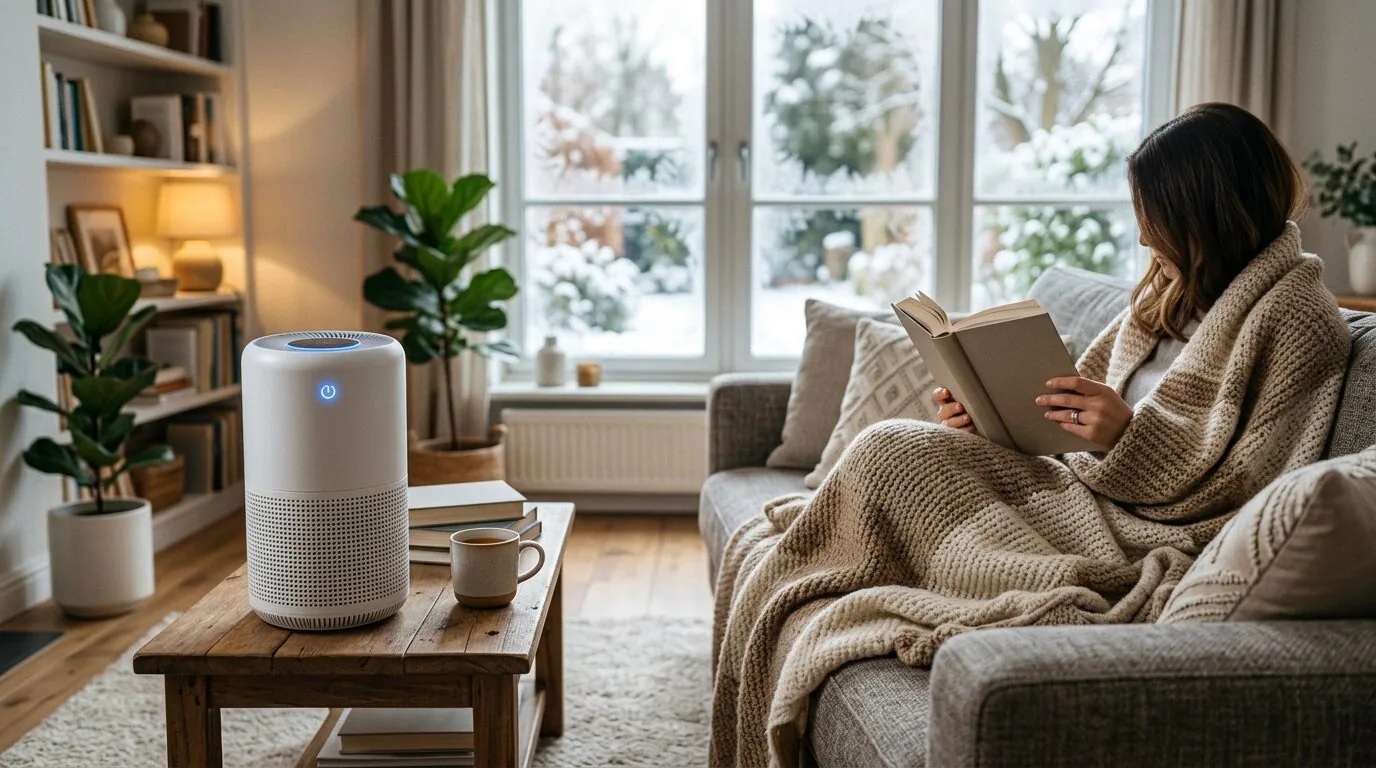
Yes, using an air purifier during winter is highly beneficial. When homes are sealed against the cold, pollutants like dust, pet dander, VOCs from heating, and viruses become trapped and concentrated. An air purifier with a true HEPA filter continuously removes these particles, helping to reduce allergy symptoms, prevent the spread of airborne illnesses, and improve overall indoor air quality when ventilation is limited.
Winter transforms our indoor environments. We seal windows, turn up the heat, and spend more time inside, creating a perfect storm for poor air quality. Understanding the unique challenges of winter air is the first step to creating a healthier home. This guide explains why indoor air suffers in the cold months and how an air purifier can be a key part of your strategy for cleaner, safer air.
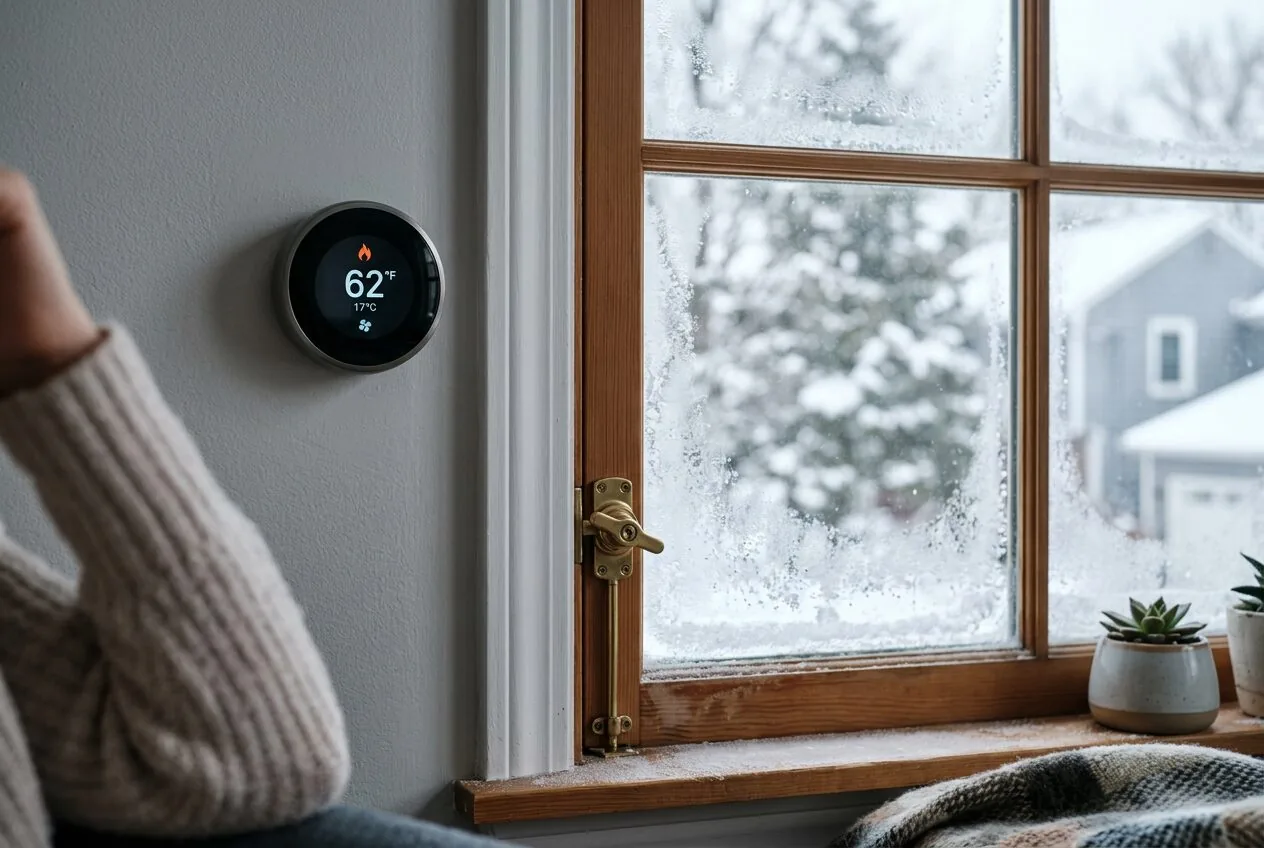
Why Indoor Air Quality Deteriorates in Winter
Several factors converge during winter to make the air inside your home less healthy than you might think. The primary culprit is reduced ventilation. To conserve heat, we keep windows and doors tightly shut, which stops fresh air from circulating and diluting indoor pollutants. This lack of air exchange allows contaminants to build up to much higher concentrations than in warmer months.
Common Winter Air Pollutants
- Particulate Matter (PM2.5/PM10): Dust, pet dander, and mold spores that are stirred up by indoor activity and heating systems. These are major triggers for allergies and asthma.
- Volatile Organic Compounds (VOCs): Gases emitted from burning fuels (like gas stoves or fireplaces), cleaning products, air fresheners, and even new furniture or carpets. Levels spike when homes are closed up.
- Carbon Monoxide and Nitrogen Dioxide: Combustion byproducts from gas heaters, stoves, and fireplaces. Proper ventilation is critical to prevent dangerous buildup.
- Airborne Viruses and Bacteria: Cold and flu viruses thrive in dry, stagnant indoor air, making transmission between household members more likely.
- Excess Dryness: While not a pollutant, heated air often has very low humidity, which can dry out mucous membranes, making you more susceptible to respiratory infections and irritation.
How Air Purifiers Combat Winter Air Problems
An air purifier acts as a mechanical lung for your home, actively filtering the recirculating air. During winter, this function is especially valuable because it compensates for the lack of natural ventilation. By pulling air through a series of filters, it captures the particles and gases that would otherwise linger and accumulate.
The Role of HEPA and Carbon Filters
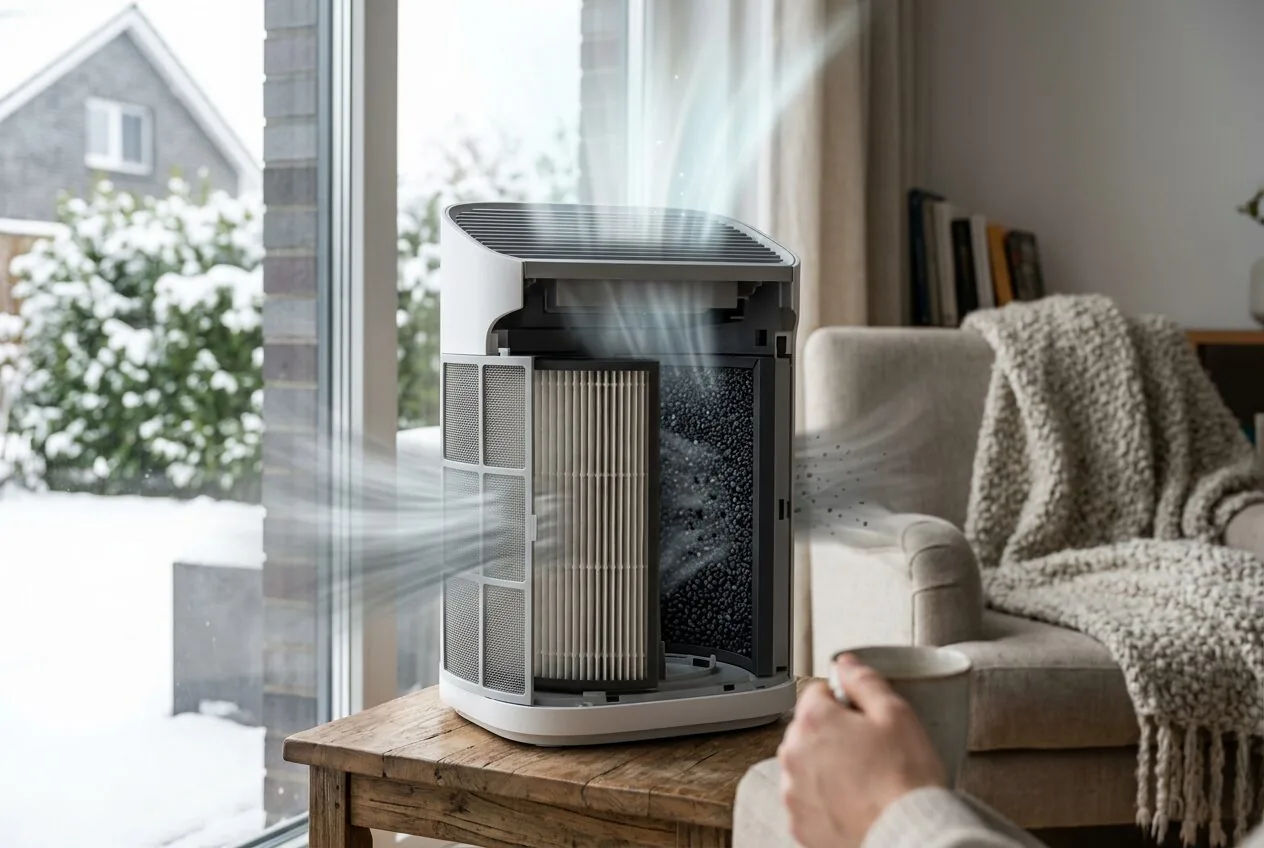
For winter air, a two-stage filtration system is most effective. A true HEPA filter is essential for capturing the tiny particulate matter—like dust, dander, and mold spores—that aggravates allergies. For a deeper understanding of filter types, you can read our guide on HEPA vs activated carbon filters. An activated carbon filter is the companion piece needed to adsorb gaseous pollutants like VOCs from fireplaces, cooking, and household chemicals. This combination tackles the full spectrum of winter contaminants.
Key Features to Look for in a Winter Air Purifier
Not all air purifiers are equally suited for winter use. When choosing one for the colder months, prioritize these features to address the season’s specific challenges.
Quiet Operation for Constant Use
Since the purifier needs to run nearly continuously to combat stagnant air, a quiet model is crucial, especially for bedrooms. Look for a dedicated sleep mode with a decibel rating in the low 20s or 30s. A model like the Air Purifiers for Bedroom is designed specifically for ultra-quiet nighttime operation, making it easier to maintain clean air without disrupting rest.
Appropriate Room Size Coverage
Choose a purifier rated for the square footage of your room. In winter, you may use it in commonly occupied spaces like the living room. A powerful model like the Ivation 5-in-1 HEPA Air Purifier, Digital LCD can handle large, open-plan areas, ensuring effective air turnover even in bigger spaces where families gather.
Smart Sensors and Auto Mode
Air quality can fluctuate quickly in winter—cooking, lighting a fire, or even using a cleaning spray can create a sudden spike in pollutants. A purifier with a built-in air quality sensor and an auto mode will detect these changes and ramp up the fan speed automatically, then return to a quiet setting once the air is clean. This hands-off operation is both efficient and effective.
Recommended Products
The right tools can make managing winter indoor air quality much simpler. Here are a few products that address specific seasonal needs, from whole-home purification to maintaining your existing device.


As an Amazon Associate we earn from qualifying purchases. Product prices and availability are accurate as of the date/time indicated.
Complementary Strategies for Winter Indoor Air
An air purifier is a powerful tool, but it works best as part of a broader approach. Combining it with other good practices will give you the best results for your indoor air during winter.
Monitor Your Air Quality
You can’t manage what you don’t measure. A standalone air quality monitor, like the GoveeLife Smart Air Quality Monitor with PM2.5, gives you real-time data on particulate levels, temperature, and humidity. This allows you to verify your purifier’s performance, identify pollutant sources (like a smoky fireplace), and know when to increase ventilation briefly on a milder day.
Maintain Your Purifier
Winter’s high pollutant load means your purifier’s filters are working overtime. Adhere strictly to the manufacturer’s replacement schedule. A clogged filter reduces efficiency and strains the motor. If you own a compatible model, keeping a 45i Replacement Filter for Breathesmart Flex Bh400 on hand ensures you can swap in a fresh filter as soon as it’s needed, maintaining peak performance all season.
Ventilate Wisely and Control Humidity
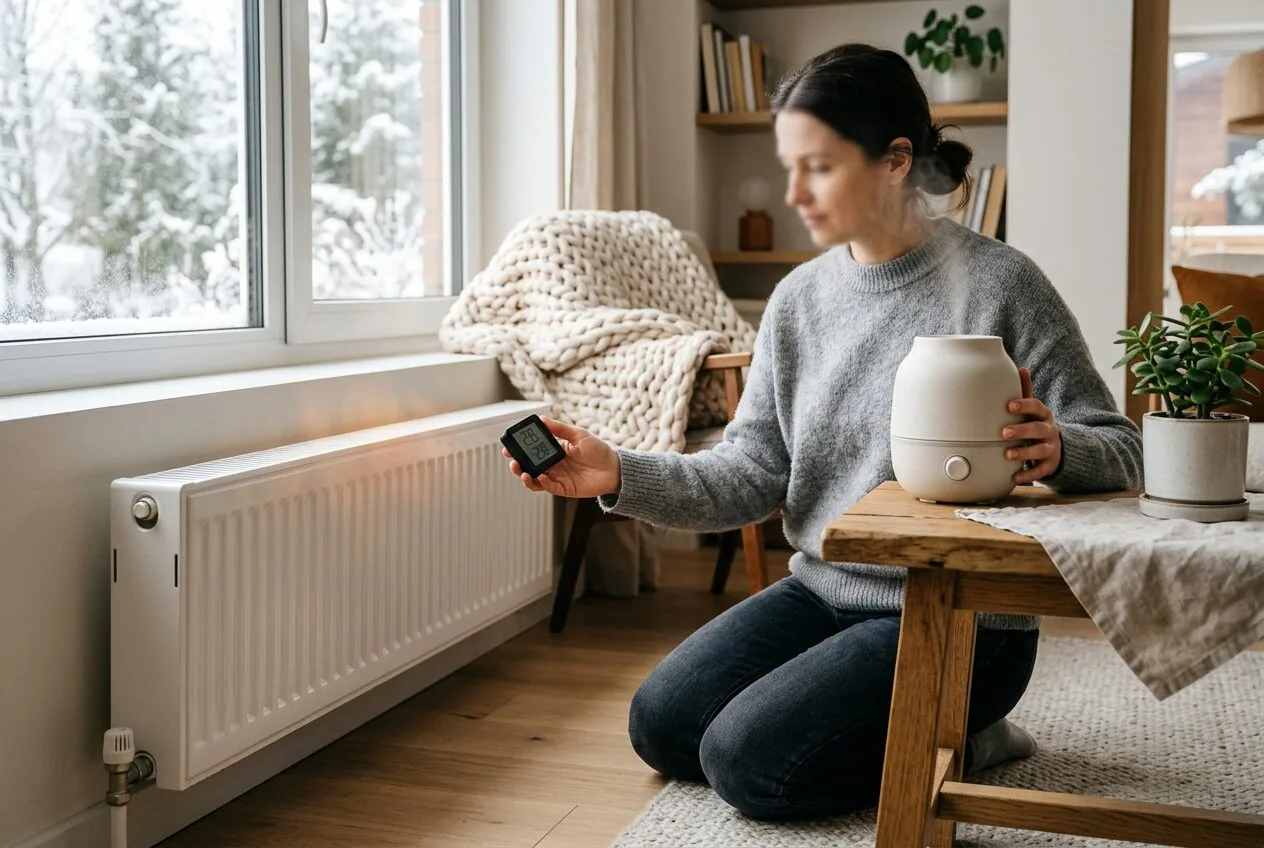
When outdoor air quality and temperature permit, open windows for just 5-10 minutes to create a cross-breeze and flush out stale air. To combat dryness from heating, use a humidifier to keep relative humidity between 30-50%. This helps your respiratory system defend against viruses and can make the air feel more comfortable. Learn more about how clean air contributes to overall well-being in our article on air purifiers and better indoor comfort.
Frequently Asked Questions
Should I run my air purifier all day in winter?
Yes, running it continuously on a low or auto setting is ideal. Indoor air pollution is constant, especially in a sealed winter home. Continuous operation ensures contaminants are removed as they are generated, preventing dangerous buildups and maintaining a consistently clean baseline.
Can an air purifier help prevent colds and flu in winter?
While an air purifier cannot guarantee you won’t get sick, it can significantly reduce the concentration of airborne viruses in your home. By capturing virus-laden droplets and aerosols, it lowers the dose of pathogens in the air, which can reduce the likelihood of transmission between household members, especially in shared spaces.
Do I still need to dust and vacuum if I use an air purifier?
Absolutely. An air purifier captures airborne dust, but it cannot remove dust that has already settled on surfaces. Regular dusting and vacuuming (preferably with a HEPA-filter vacuum) are essential to reduce the total dust load in your home. The purifier then works to keep the dust you stir up during cleaning from resettling.
Where is the best place to put my air purifier in winter?
Place it in the room where you spend the most time, typically the bedroom or living room. Keep it away from walls and large furniture to allow for unobstructed air intake and output. If you’re concerned about multiple rooms, consider a smaller, quiet model like the u003ca href=u0022https://airpurifierguides.com/amazonbasics-ac2224a-review/u0022u003eAmazon Basics Air Purifier for Home and Officeu003c/au003e for the bedroom and a larger unit for common areas.
Does dry winter air affect my air purifieru0026#039;s performance?
Dry air itself does not hinder the mechanical filtration of a HEPA filter. However, very low humidity can cause more static electricity, which might make ultrafine particles stick to surfaces slightly differently. The purifier will still capture them effectively as they become airborne. The core performance remains unchanged.
Final Thoughts
Winter poses a unique set of challenges for indoor air quality, turning our cozy homes into reservoirs for pollutants. Proactively using an air purifier is one of the most effective steps you can take to protect your family’s health during these months. By choosing a model with the right features and pairing it with smart habits like wise ventilation and filter maintenance, you can transform your winter indoor environment. For further reading on how purifiers target specific allergens, see our guide on How Air Purifiers Affect Dust Mites and Allergens.
Clean air shouldn’t be a seasonal luxury. Investing in a good air purification strategy for winter ensures you breathe easier, sleep better, and enjoy a healthier home all year round. The effort you put in now will pay dividends in comfort and well-being throughout the coldest season.
About the author
Editor at AirPurifierGuides.com. Emily has a background in professional communication and has worked with several health and technology publications. She edits our content for accuracy and answers reader questions about air quality.