How Air Purifiers Affect Dust Mites And Allergens: The Complete Guide
Learn exactly how air purifiers trap dust mite allergens and other particles, what they can and can't do, and how to maximize their effectiveness in your home.
 By Ethan Wright
Updated October 19, 2026
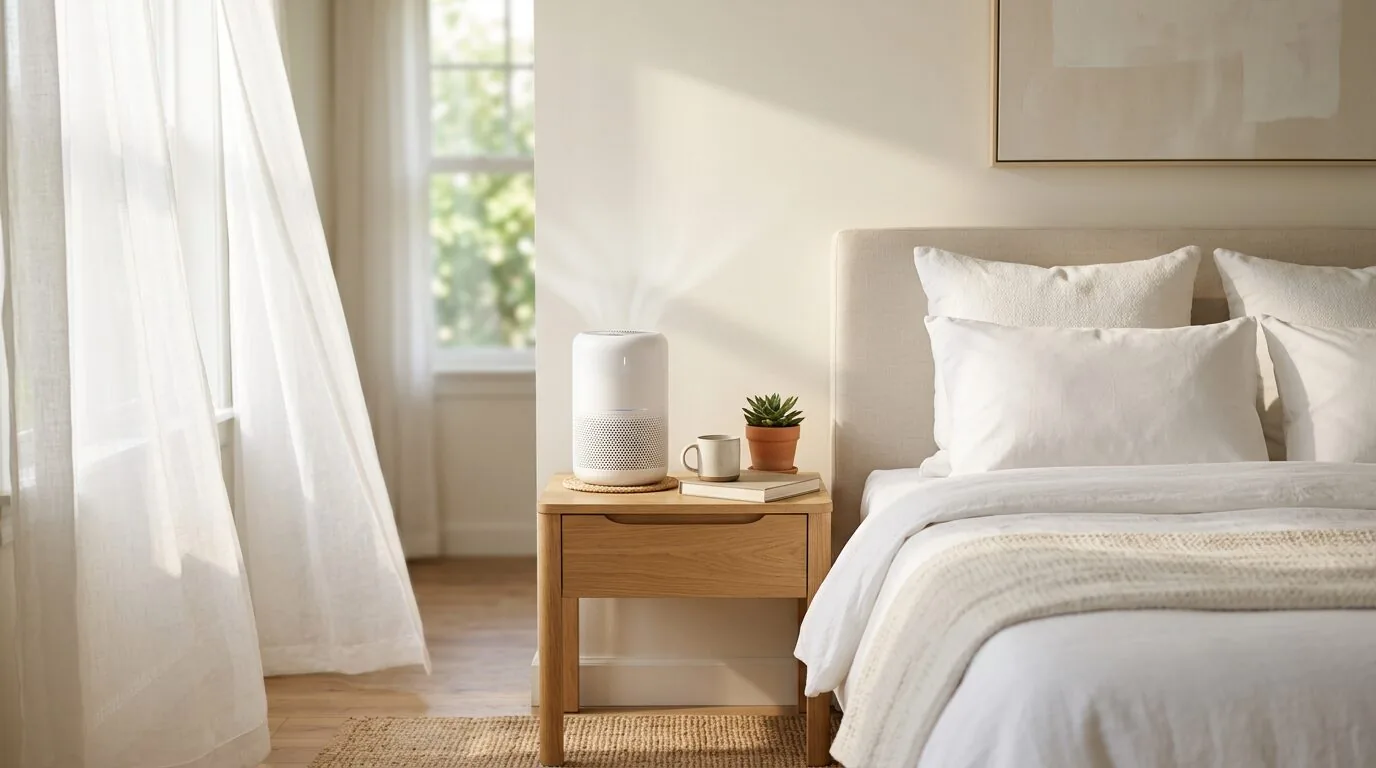
Yes, a high-quality air purifier with a True HEPA filter can significantly reduce airborne allergens, including dust mite waste particles, pollen, and pet dander. While it cannot kill dust mites living in your bedding and furniture, it captures the microscopic allergens they produce that trigger reactions, leading to cleaner, easier-to-breathe air for allergy and asthma sufferers.
If you or someone in your home suffers from allergies, you know the misery of itchy eyes, a runny nose, and constant sneezing. Dust mites, microscopic creatures that thrive in warm, humid environments like bedding, carpets, and upholstered furniture, are a leading cause of indoor allergies. Their waste particles become airborne and are easily inhaled. This article explains the mechanics of how air purifiers tackle these allergens, separates fact from fiction, and shows you how to use them effectively as part of a comprehensive allergy management strategy.
Understanding the relationship between air purifiers and allergens empowers you to make informed decisions for a healthier home environment.
How Air Purifiers Target Allergens
Air purifiers work by drawing room air through a series of internal filters that capture pollutants before recirculating clean air. Their effectiveness against allergens depends entirely on the type and quality of these filters. The most critical component for allergy relief is the HEPA filter.
The Role of HEPA Filters
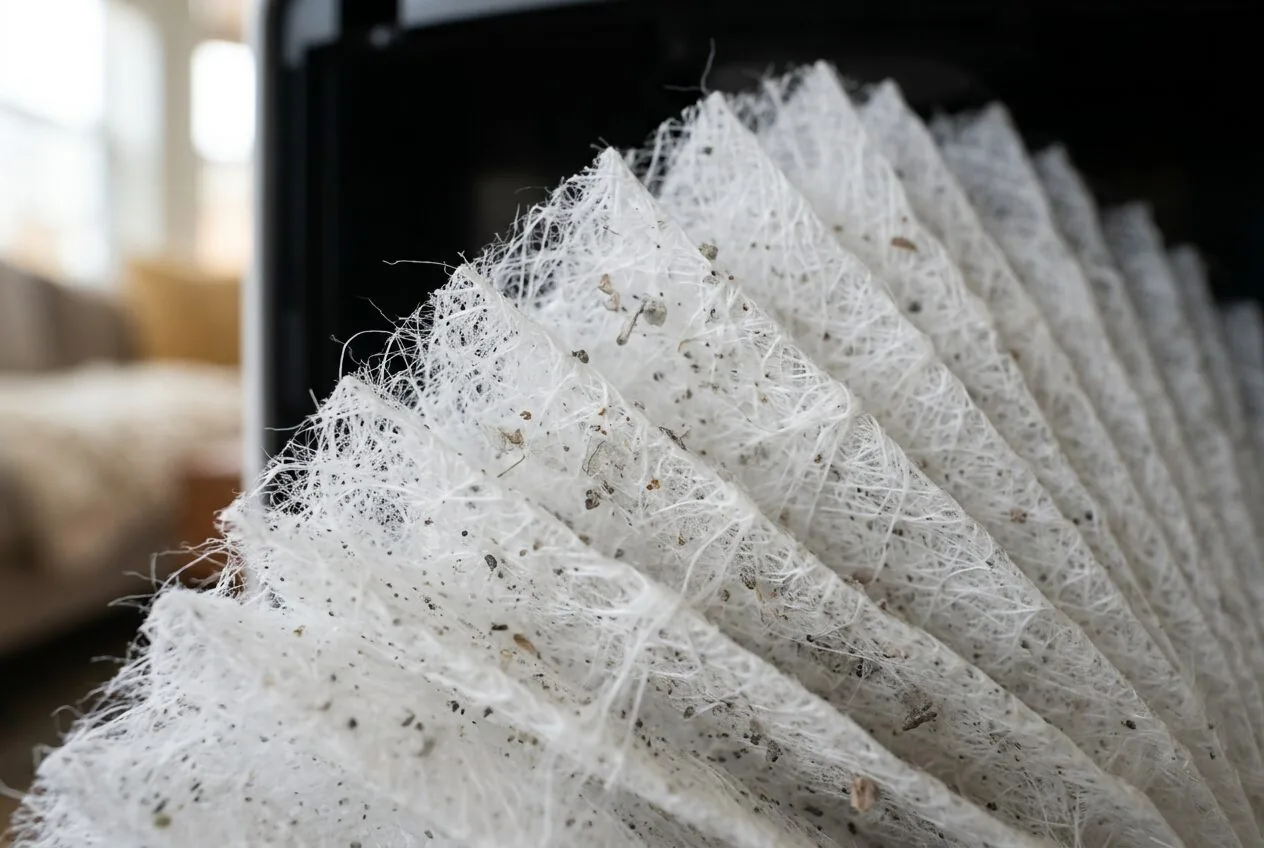
True HEPA (High-Efficiency Particulate Air) filters are the gold standard for removing airborne allergens. To be certified True HEPA, a filter must capture at least 99.97% of particles that are 0.3 microns in size. Dust mite allergens, pollen, and pet dander typically range from 5 to 10 microns, making them relatively easy targets for a HEPA filter. These filters use a dense mat of fine fibers arranged in a pleated pattern to physically trap particles as air passes through.
It’s important to note that HEPA filters capture the allergens produced by dust mites (their fecal pellets and body fragments), not the live mites themselves. The mites live deep in fabrics and are too heavy to become airborne for long. By removing their waste from the air, a HEPA purifier reduces the trigger for allergic reactions.
Beyond HEPA: Activated Carbon and Pre-Filters
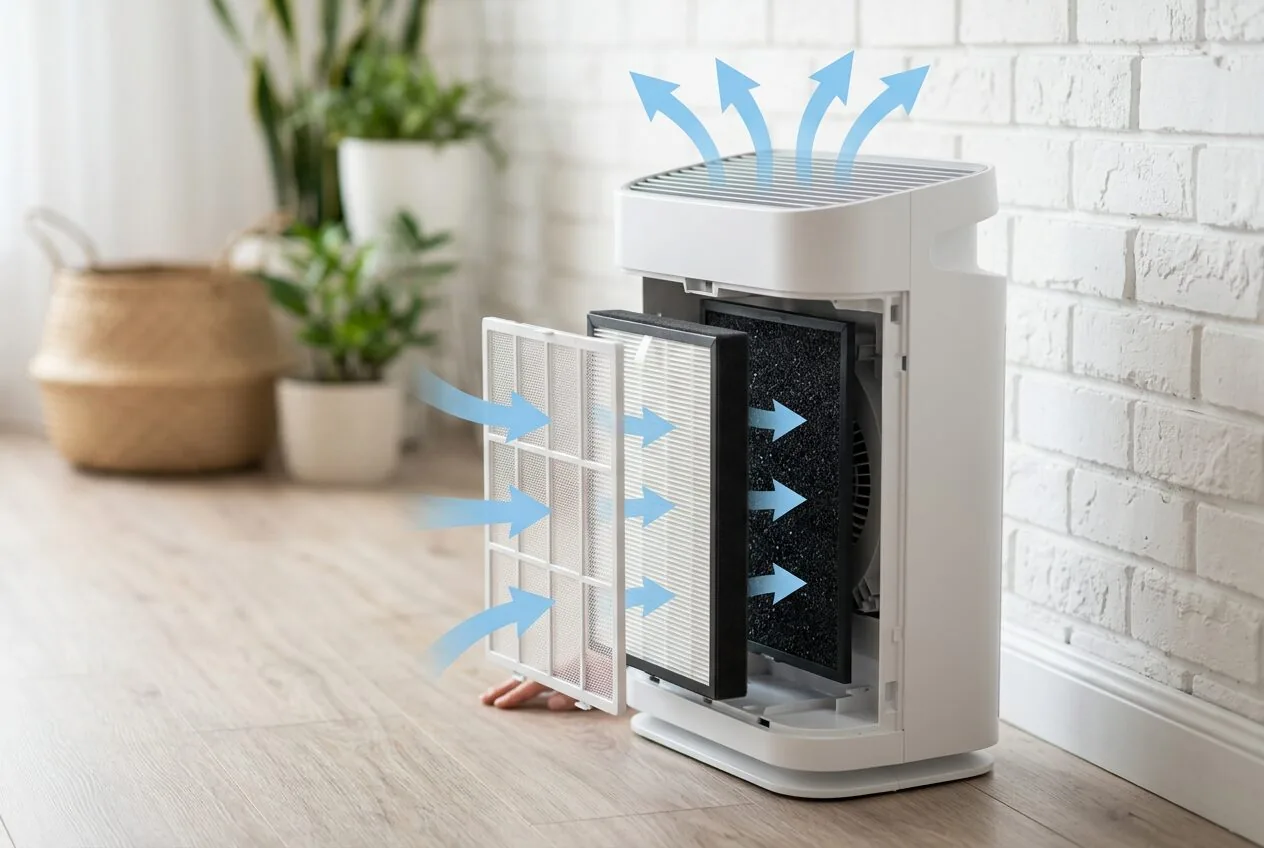
Many air purifiers use a multi-stage filtration system for comprehensive cleaning. A pre-filter, usually a coarse mesh, catches larger particles like hair and lint, protecting the more delicate HEPA filter and extending its lifespan. An activated carbon filter, often combined with the HEPA stage, addresses gases and odors. While it doesn’t capture particulate allergens, it can help with chemical sensitivities and remove odors from pets or cooking, contributing to overall indoor air quality. For a deeper dive into filter types, see our guide on HEPA vs activated carbon filters.
What Air Purifiers Can and Cannot Do
Managing expectations is key to using an air purifier successfully for allergy relief. They are a powerful tool, but not a magic bullet.
What They Are Effective Against
Air purifiers excel at removing airborne particulate matter. This includes:
- Dust Mite Allergens: The microscopic fecal pellets and body fragments that become airborne during activities like making the bed or vacuuming.
- Pollen: Outdoor allergens that enter the home through windows, doors, and on clothing.
- Pet Dander: Tiny flakes of skin shed by cats, dogs, and other animals.
- Mold Spores: While they don’t kill mold, they can capture spores released from damp areas.
- Other Particulates: Dust, lint, and smoke particles.
By continuously filtering these particles, they reduce the overall allergen load in a room, which can lead to fewer and less severe allergy symptoms. For more on how particles behave indoors, read air purifiers and airborne particles.
Their Limitations
It’s crucial to understand what air purifiers cannot do:
- Kill or Remove Live Dust Mites: Mites live deep in mattresses, pillows, carpets, and upholstery. An air purifier does not affect their habitat.
- Eliminate Allergens on Surfaces: Allergens that have settled on floors, shelves, or bedding must be removed by cleaning (vacuuming with a HEPA filter, washing bedding in hot water).
- Replace Source Control: The most effective allergy strategy starts with reducing the source. This means using allergen-proof mattress and pillow encasements, reducing humidity to below 50% to deter mite growth, and regularly washing bedding.
- Work Instantly or in Unsealed Spaces: Purifiers clean the air in a sealed room over time. Leaving doors and windows open significantly reduces their effectiveness.
Maximizing Your Air Purifier’s Effectiveness for Allergies
To get the most benefit from your air purifier in the fight against dust mites and allergens, follow these practical steps.
Choose the Right Purifier and Place It Strategically
Select a purifier with a certified True HEPA filter that is appropriately sized for the room where you spend the most time, typically the bedroom. Run it continuously on a low or automatic setting to maintain clean air, especially at night when symptoms can worsen. Place the unit in an area with clear airflow, away from walls and furniture, and close to the source of allergens (like the bed).
Maintain a Regular Filter Replacement Schedule
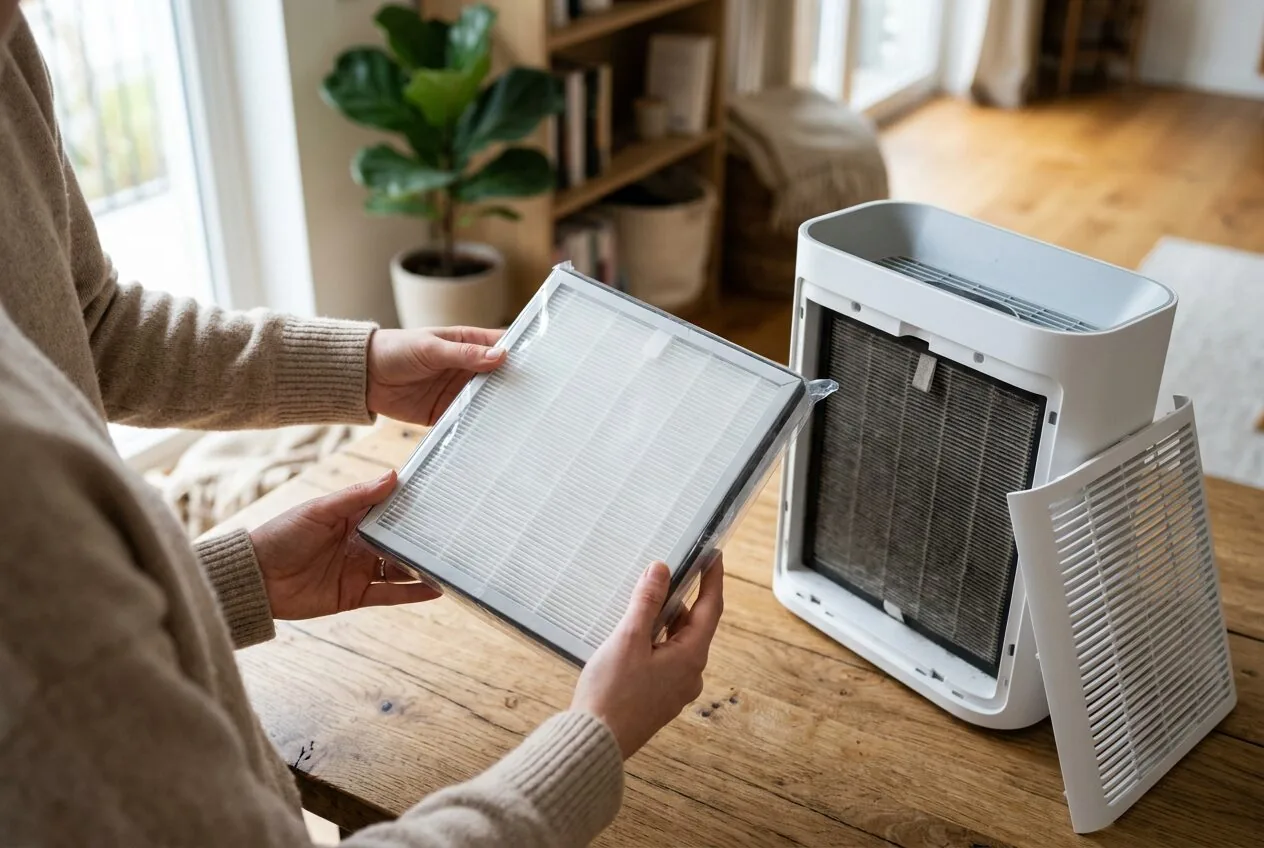
A clogged filter cannot effectively capture allergens and strains the purifier’s fan. Adhere strictly to the manufacturer’s replacement guidelines. In high-allergen environments, you may need to replace filters more frequently. Using genuine replacement filters ensures optimal performance and protects your machine. For example, the Medify MA-50 Genuine Replacement Filter is designed specifically for that model to maintain its high-efficiency H13 HEPA filtration.
Similarly, for Alen BreatheSmart owners, using a compatible filter like the B4-Fresh Replacement Filter with its three-stage filtration (including activated carbon for odors) is crucial for continued allergen removal.
Combine with Proactive Cleaning
Your air purifier works best as part of a team. Regularly vacuum carpets and upholstery with a HEPA-filter vacuum cleaner. Wash bedding weekly in hot water (at least 130°F). Use a damp cloth for dusting to avoid kicking particles back into the air. These actions remove allergens at the source before they can become airborne and reach your purifier.
Recommended Products
Keeping your air purifier running effectively requires timely filter replacements. The right replacement filter ensures your unit continues to capture dust mite allergens and other particles efficiently. Here are several compatible options for popular models.


As an Amazon Associate we earn from qualifying purchases. Product prices and availability are accurate as of the date/time indicated.
Frequently Asked Questions
Can an air purifier completely eliminate my dust mite allergy symptoms?
While an air purifier can dramatically reduce airborne allergens and thus alleviate symptoms, it is unlikely to eliminate them completely. Dust mite allergy management is most effective as a multi-pronged approach: using an air purifier, employing allergen-proof bed encasements, washing bedding in hot water weekly, and maintaining low indoor humidity. The purifier is a critical tool for cleaning the air you breathe continuously, especially during sleep.
How long does it take for an air purifier to reduce allergy symptoms?
You may notice an improvement in air quality within hours, but a reduction in chronic allergy symptoms often takes consistent use over several days to a couple of weeks. This is because the purifier needs time to repeatedly clean the entire volume of air in the room and reduce the cumulative allergen load. Running it continuously, particularly in the bedroom, yields the best results.
Do I need an air purifier in every room?
It’s most important to have one in the rooms where you spend the most consecutive hours, typically the bedroom and perhaps a home office. Portable units can be moved if needed. You do not necessarily need one in every room, but focusing on your primary living spaces will provide the greatest benefit for allergy relief. For insights on purifiers in workspaces, explore u003ca href=u0022https://airpurifierguides.com/air-purifiers-for-home-offices/u0022u003eAir Purifiers for Home Officesu003c/au003e.
Are u0026quot;air purifiersu0026quot; that produce ozone safe for allergy sufferers?
No. Ionic air purifiers or ozone generators that intentionally produce ozone are not recommended for allergy sufferers. Ozone is a lung irritant that can worsen asthma and allergy symptoms and does not effectively remove particulate allergens like dust mite waste. The EPA and asthma associations recommend using mechanical filtration (HEPA) instead.
How often should I replace my HEPA filter for allergy control?
Follow the manufacturer’s guidelines, which typically range from 6 to 12 months. However, if you have pets, severe allergies, or live in a high-dust environment, you may need to replace it more frequently, perhaps every 3-6 months. A visibly dirty filter or a noticeable decrease in airflow or air quality are clear signs it’s time for a change. Using the correct filter, like the u003ca href=u0022https://airpurifierguides.com/isinlive-mini-max-replacement-filter-for-blueair-review/u0022u003eMini Max Replacement Filter for Blueair Blue Pureu003c/au003e for compatible models, ensures the unit performs as intended.
Can air purifiers help with seasonal allergies like pollen?
Absolutely. A HEPA air purifier is excellent for capturing pollen that drifts indoors. Keeping windows closed and running a purifier in your main living areas can create a safe haven from seasonal allergens. For a comprehensive look, read our guide u003ca href=u0022https://airpurifierguides.com/do-air-purifiers-help-with-seasonal-allergies/u0022u003eDo Air Purifiers Help With Seasonal Allergies?u003c/au003e
Final Thoughts
An air purifier with a True HEPA filter is a powerful and scientifically-backed ally in managing indoor allergies caused by dust mites, pollen, and pet dander. By understanding that it captures the airborne allergens rather than the sources themselves, you can set realistic expectations and use it most effectively. Its true strength is realized when combined with proactive cleaning and source control measures like dust-proof bedding and humidity control.
Investing in a quality purifier and maintaining it with timely filter replacements, such as the ones highlighted here, can lead to measurably cleaner air and a more comfortable home. For those seeking relief, this combination of tools offers a practical path to breathing easier and reducing the daily burden of allergies. Remember, improving your indoor environment is a key step toward creating a healthier home overall.
About the author
Founder of AirPurifierGuides.com. Ethan has a background in environmental science and started this site after years spent researching, testing, and tearing down air filtration systems to give readers real-world answers about indoor air quality.