Do Air Purifiers Help With Sneezing and Congestion? A Complete Guide
Learn how air purifiers work to reduce sneezing and congestion by removing airborne allergens and irritants, and discover which features are most effective.
 By Emily Foster
Updated October 19, 2026
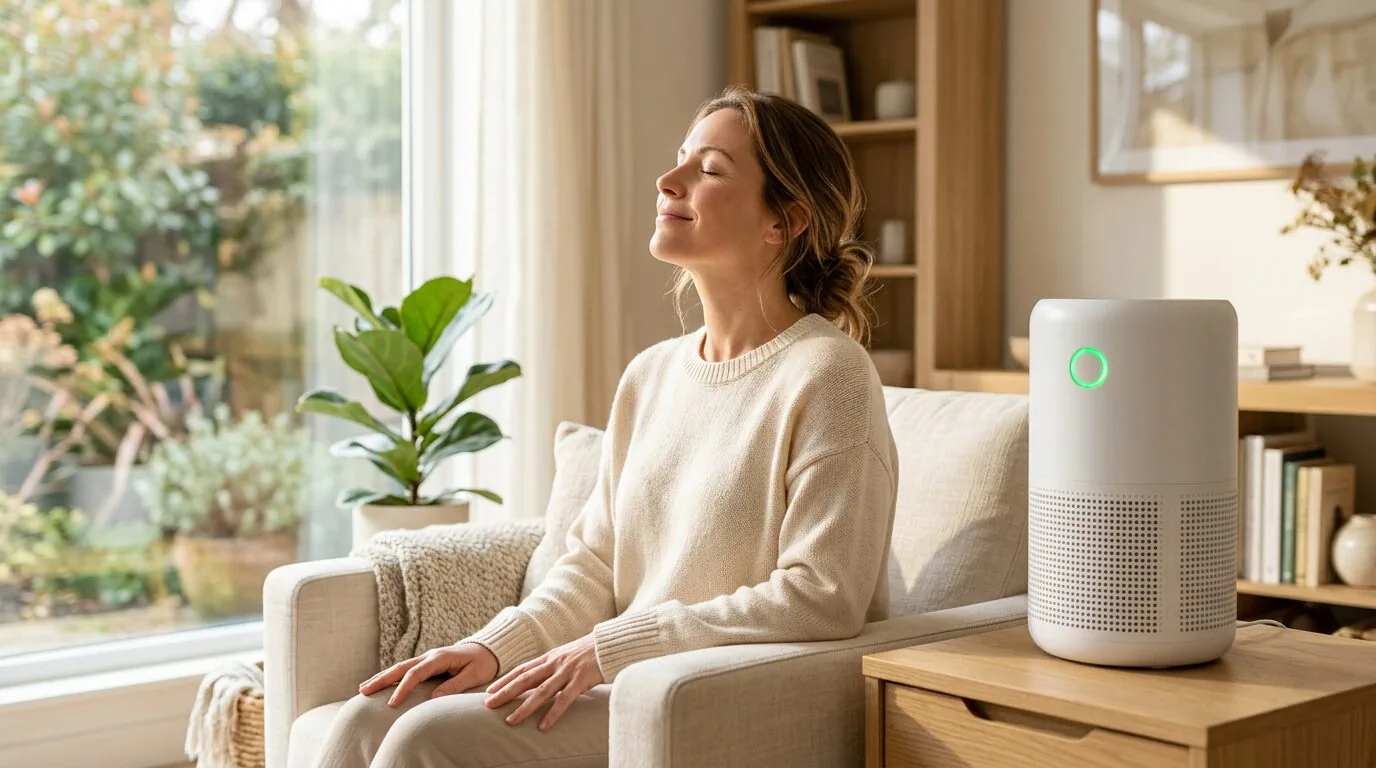
Yes, air purifiers can help reduce sneezing and congestion by removing the airborne particles that trigger these symptoms, such as pollen, dust, pet dander, and mold spores. For best results, you need a purifier with a True HEPA filter that’s properly sized for your room and run consistently.
If you’re one of the millions of people who suffer from sneezing fits and a stuffy nose, especially indoors, you’ve likely wondered about solutions beyond medication. Air purifiers are often marketed for allergy relief, but how effective are they really for these specific symptoms? This guide explains the science behind how air purifiers work, what they can and cannot do for sneezing and congestion, and how to choose the right one if you decide it could help you breathe easier at home.
How Air Purifiers Target the Causes of Sneezing and Congestion
Sneezing and congestion are your body’s defense mechanisms against irritants in your nasal passages. An air purifier’s job is to intercept those irritants before you breathe them in. Most symptoms are triggered by microscopic particles floating in your home’s air.
The Key Allergens and Irritants Air Purifiers Remove
- Pollen: A major seasonal allergen that can be tracked indoors on clothes and pets.
- Dust Mites: Their microscopic waste particles are a leading cause of year-round indoor allergies and can be stirred up from bedding and furniture. For more on this, see our guide on how air purifiers affect dust mites and allergens.
- Pet Dander: Tiny flakes of skin shed by cats, dogs, and other animals.
- Mold Spores: Released by mold growing in damp areas like bathrooms and basements.
- Dust and Other Particulate Matter: General household dust can contain a mix of fibers, skin cells, and outdoor pollution that irritates airways.
By continuously drawing room air through a series of filters, a purifier captures these particles, effectively lowering their concentration in the air you breathe. This reduction in “trigger load” can lead to fewer allergic reactions and less frequent sneezing and congestion.
The Evidence: What Studies Say About Air Purifiers and Allergy Symptoms
Clinical research on air purifiers and allergy symptoms shows promising but nuanced results. Many studies, particularly those focusing on particulate matter reduction, demonstrate that HEPA air purifiers significantly decrease the concentration of airborne allergens in a room.
For example, a review of research published in the Journal of Asthma and Allergy concluded that using HEPA air purifiers in bedrooms led to modest but measurable improvements in allergic rhinitis symptoms, including reduced nasal congestion. The effectiveness is most pronounced when the purifier is used consistently in the room where you spend the most time, like a bedroom, and when combined with other allergen-reduction strategies like regular cleaning and using allergen-proof bedding.
Choosing the Right Air Purifier for Allergy Relief
Not all air purifiers are created equal when it comes to combating sneezing and congestion. To get real relief, you need a machine built with the right technology. Here are the non-negotiable features to look for.
1. A True HEPA Filter is Essential
This is the most critical component. A True HEPA (High-Efficiency Particulate Air) filter is a dense, pleated mechanical filter that can capture at least 99.97% of particles as small as 0.3 microns. This size range includes most pollen, mold spores, and a large portion of dust mite and pet dander particles. Avoid purifiers labeled “HEPA-type,” “HEPA-like,” or “HEPA-style,” as these do not meet the same rigorous standard. Understanding filter types is key; you can learn more in our comparison of HEPA vs activated carbon filters.
2. Proper Sizing for Your Room (CADR)
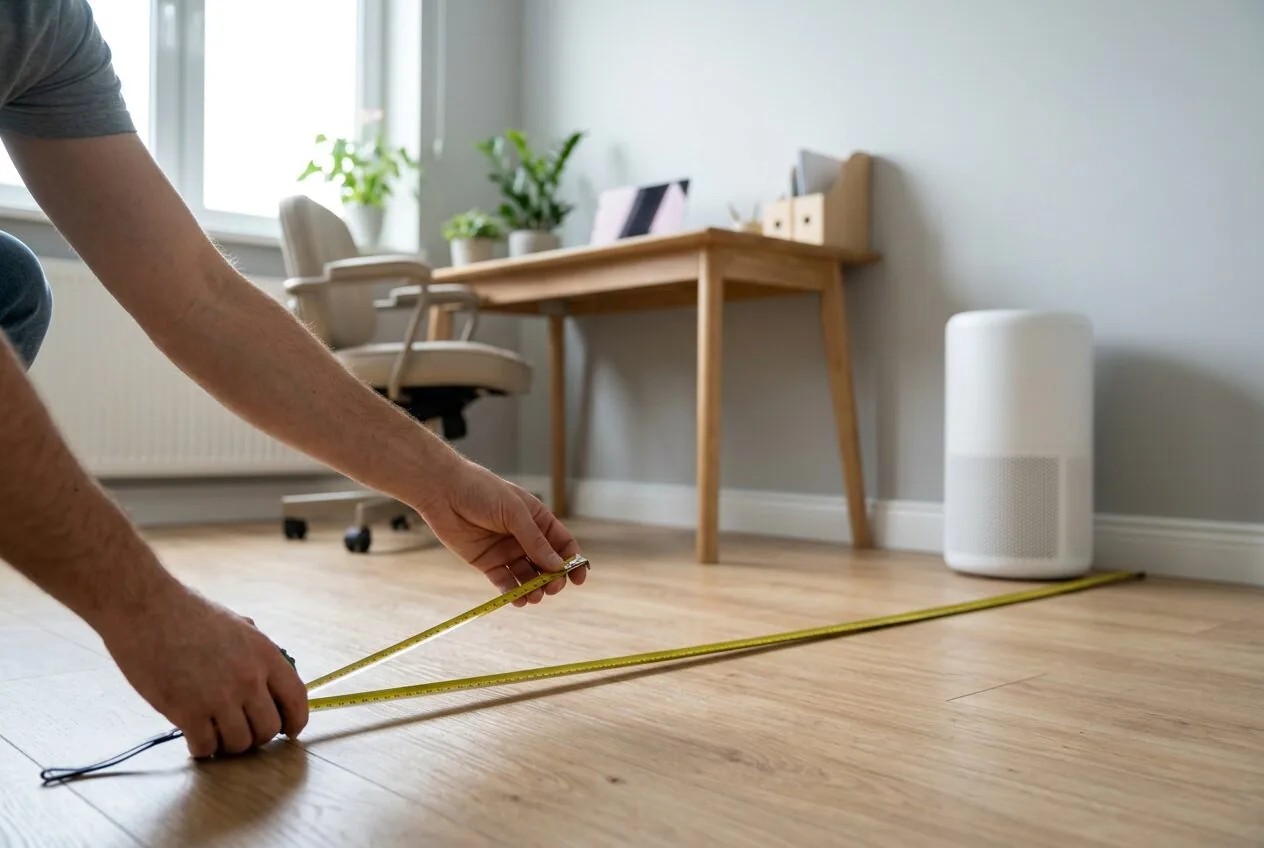
An undersized purifier won’t clean the air effectively. Check the Clean Air Delivery Rate (CADR), which measures how quickly a purifier can deliver clean air. As a rule of thumb, choose a purifier with a CADR for dust/pollen/smoke that is at least two-thirds the square footage of your room. For a 300-square-foot bedroom, look for a CADR of 200 or higher.
3. Sealed Design and Adequate Airflow
A good purifier should have a sealed design so that air cannot bypass the filters. Combined with a strong enough fan to cycle the room’s air multiple times per hour (ideally 4-5 times for allergy sufferers), this ensures all the air gets treated.
4. Quiet Operation for Continuous Use
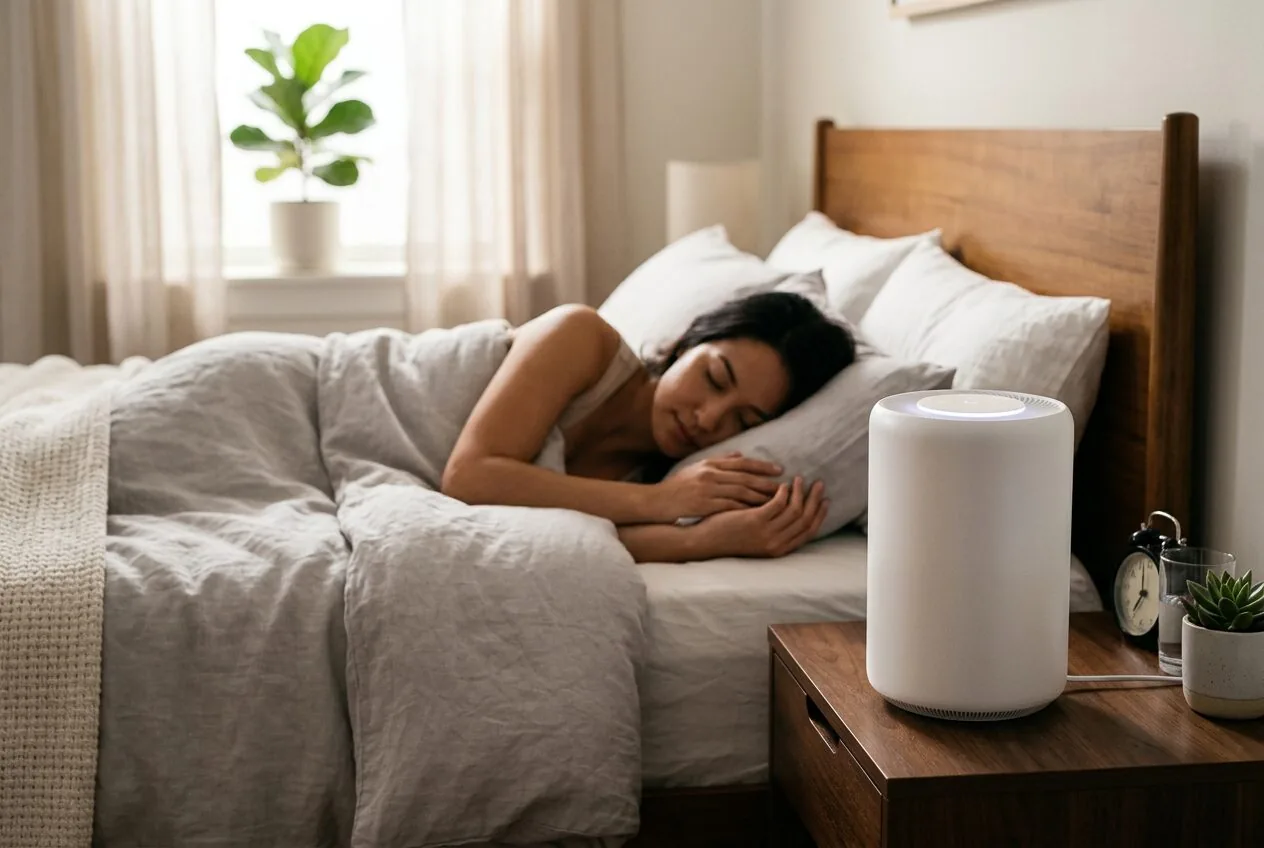
Relief comes from continuous operation, especially overnight. Look for a model with a dedicated quiet or sleep mode that you can run without disturbance. This is when your body recovers, and keeping allergen levels low in the bedroom is particularly beneficial.
Limitations and What Air Purifiers Can’t Do
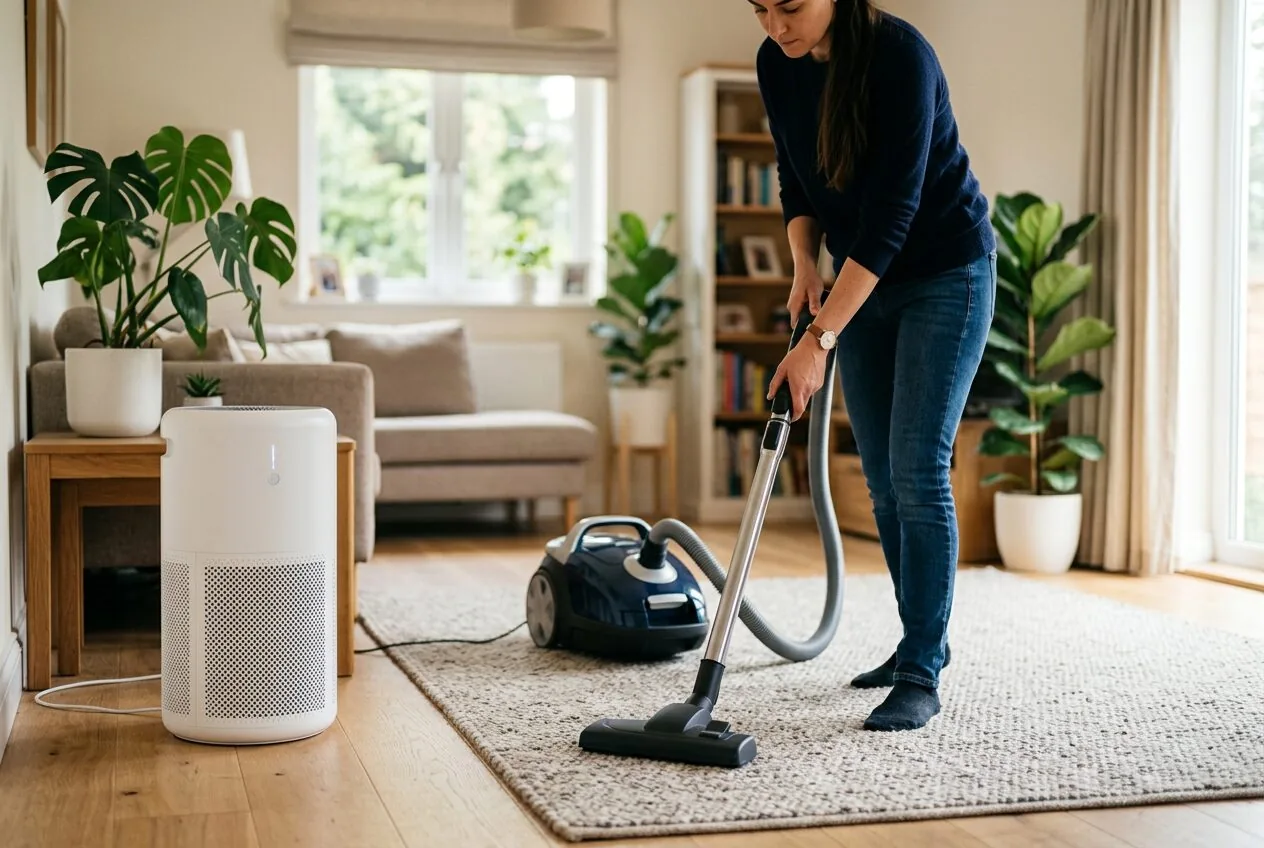
It’s important to have realistic expectations. Air purifiers are a helpful tool, not a magic cure. They primarily address airborne allergens. They will not remove allergens that have already settled on surfaces like carpets, sofas, or bedding. For comprehensive relief, an air purifier should be part of a broader strategy that includes regular vacuuming with a HEPA-filtered vacuum, washing bedding in hot water, and controlling humidity to deter dust mites and mold. To understand the full scope of indoor pollutants, read about why indoor air can be more polluted than outdoor air.
Furthermore, air purifiers are not effective against gases, odors, or volatile organic compounds (VOCs) unless they include a substantial activated carbon filter. They also cannot treat congestion caused by viral infections like the common cold.
Recommended Products
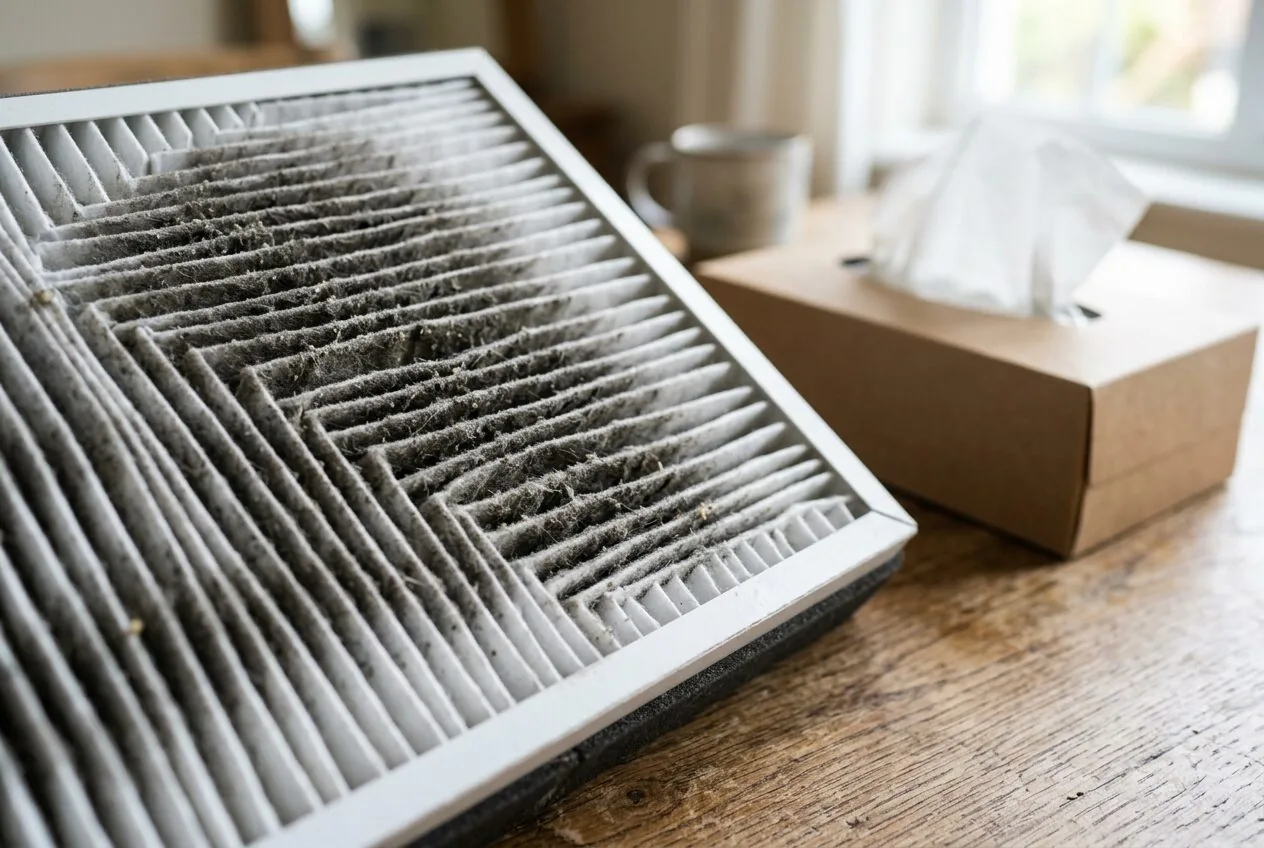
When selecting an air purifier to help with sneezing and congestion, focus on models with robust True HEPA filtration and appropriate room coverage. The following are examples of purifiers that fit key criteria for allergy relief. Remember, consistent filter replacement is crucial; a dirty filter loses effectiveness and can even recirculate allergens. For a model like the Alen Classic Replacement HEPA Filter, Fresh, changing the filter annually maintains peak performance.


As an Amazon Associate we earn from qualifying purchases. Product prices and availability are accurate as of the date/time indicated.
Frequently Asked Questions
How long does it take for an air purifier to help with sneezing?
You may notice a reduction in airborne dust and some symptom relief within a few hours of continuous use in a closed room. However, for a significant and sustained decrease in allergen levels that leads to less sneezing, it typically takes several days of consistent, 24/7 operation. The air needs to be cycled through the filter multiple times to remove the settled particles that get stirred back up.
Where is the best place to put an air purifier for congestion?
The bedroom is the most effective location. You spend a third of your life there, and uninterrupted breathing during sleep is vital for recovery. Place the purifier near your bed, ideally on the side where air intake isn’t blocked by furniture or walls. For whole-home relief, you may need multiple units or to place one in your main living area.
Do I need an air purifier with an ionizer or UV light?
For sneezing and congestion caused by allergens, a True HEPA filter is the proven, primary technology. Ionizers can produce ozone, a lung irritant that can worsen respiratory symptoms for some people. UV-C lights are designed to kill germs like viruses and bacteria but are not effective against non-living allergens like pollen or dander. A simple, high-quality HEPA purifier is often the safest and most effective choice.
Can an air purifier make allergies worse?
A poorly maintained air purifier can. If you don’t replace the HEPA filter as recommended, it becomes clogged and less effective. Worse, a dirty filter can become a source of mold or microbial growth, which the fan could blow into your room. Always follow the manufacturer’s replacement schedule. Also, purifiers that generate ozone can irritate airways.
Are cheap air purifiers effective for allergies?
Very inexpensive purifiers often lack true HEPA filters and have weak fans, meaning they move too little air to make a meaningful difference in allergen levels. It’s better to invest in a well-reviewed model with a certified True HEPA filter and an appropriate CADR for your room size. Effective allergy relief requires substantial filtration capacity.
Final Thoughts
Air purifiers, specifically those equipped with True HEPA filters, are a scientifically-supported tool for reducing the airborne allergens that cause sneezing and congestion. By lowering the concentration of triggers like pollen, pet dander, and dust mite debris in your indoor air, they can help decrease the frequency and severity of allergic reactions. For the best results, choose a properly sized unit, run it continuously in your bedroom, and maintain it with regular filter changes.
Remember, an air purifier is one part of a holistic approach to managing indoor allergies. Combine it with good cleaning habits, dust mite covers for your bedding, and pet management strategies for a more comfortable, symptom-free home environment. Cleaner air contributes significantly to better indoor comfort and health overall.
About the author
Editor at AirPurifierGuides.com. Emily has a background in professional communication and has worked with several health and technology publications. She edits our content for accuracy and answers reader questions about air quality.