Do Air Purifiers Use A Lot Of Electricity?
Learn how much electricity an air purifier really uses, how to calculate its running cost, and practical tips to maximize efficiency.
 By admin
Updated October 17, 2026
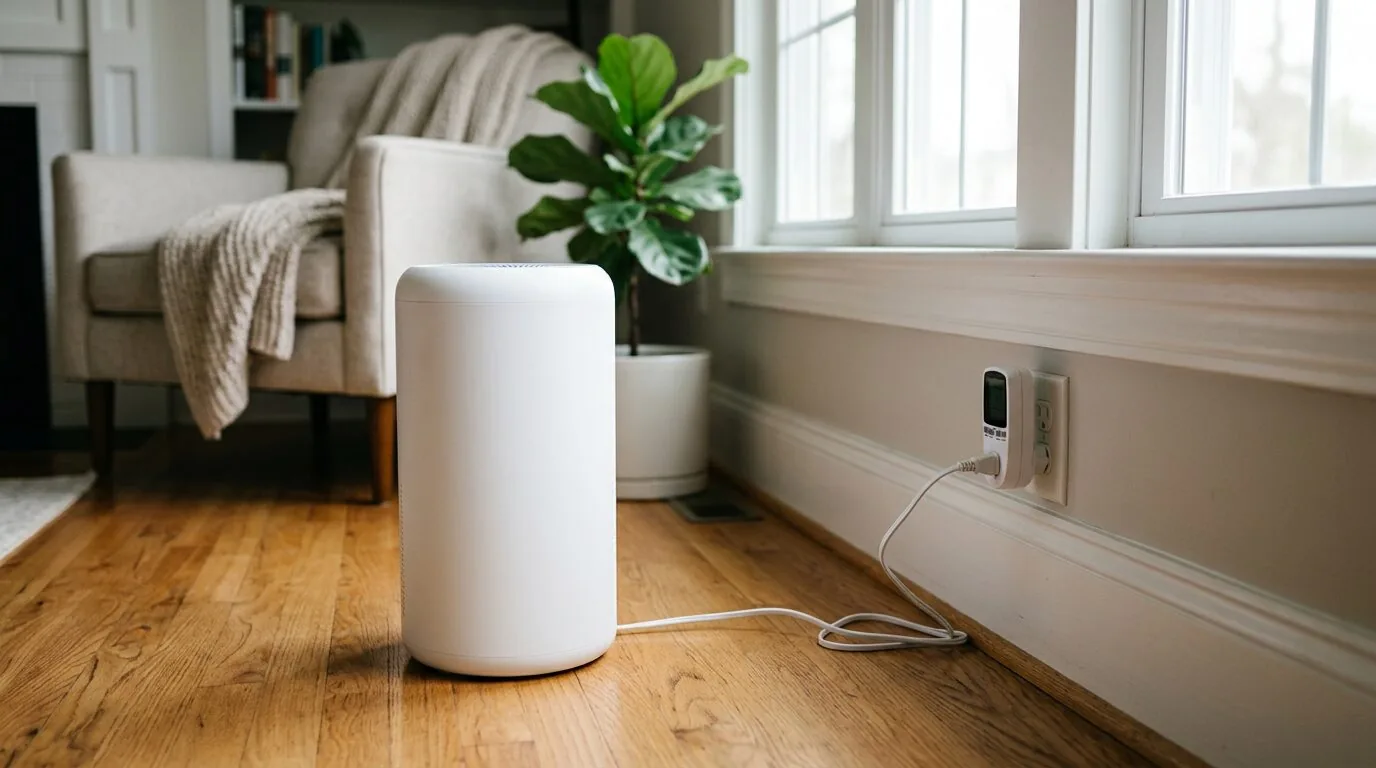
No, most air purifiers do not use a lot of electricity. The average unit consumes between 15 and这三种100 watts, similar to a standard light bulb. Running a typical model 24/7 costs roughly $1 to $5 per month, making them an energy-efficient choice for improving indoor air quality.
If you’re considering buying an air purifier, concerns about your electricity bill are understandable. Many household appliances are energy hogs, but air purifiers are generally designed with efficiency in mind. This article breaks down exactly how much power they consume, what factors influence their energy use, and how you can operate yours in the most cost-effective way.
How Air Purifiers Consume Electricity
An air purifier’s electricity use is primarily determined by its motor and fan system, which draws air through the filtration stages. The power required depends on the fan speed setting. Higher speeds clean the air faster but use more energy, while lower, quieter settings are much more economical.
Modern units are far more efficient than older models. Features like automatic modes, which adjust fan speed based on air quality sensor readings, and energy-saving certifications help minimize unnecessary power consumption. Understanding this basic operation is the first step to managing its impact on your utility bill.
The Role of Wattage and Fan Speeds
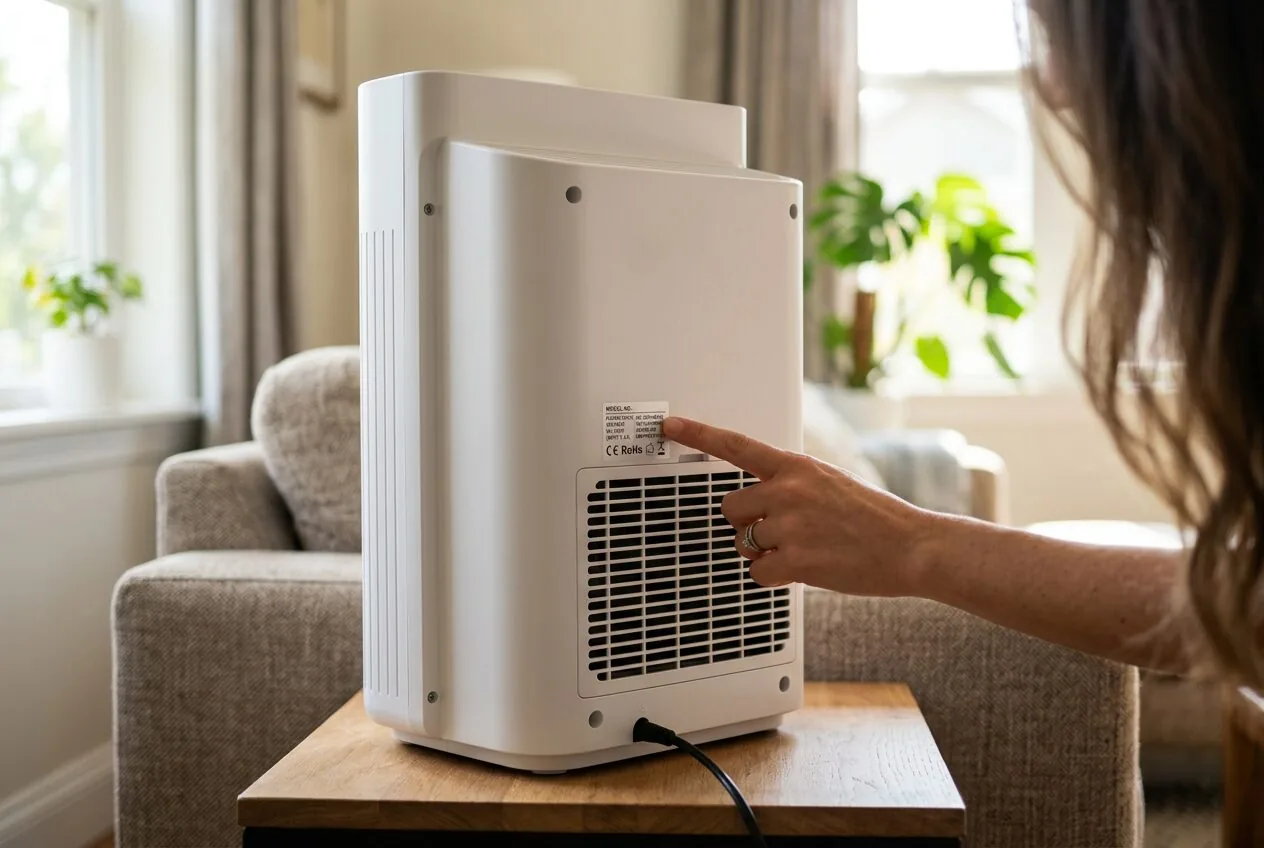
Wattage (W) is the measure of an appliance’s power draw. You can usually find this on the unit’s label or in its manual. Here’s a typical breakdown of how wattage relates to fan speed:
- Low/Sleep Mode: 10-30 Watts. Very quiet, ideal for nighttime or maintaining clean air.
- Medium Mode: 30-60 Watts. A balance of cleaning power and noise for daytime use.
- High/Turbo Mode: 60-100+ Watts. Maximum cleaning power for rapid pollution removal, used intermittently.
For example, the Levoit Air Purifier for Home Pets Hair Allergens uses a 56W motor, but in its quiet Sleep Mode, power draw drops significantly. Most of the time, your purifier will run on a low or medium setting, not at its maximum wattage.
Calculating Your Air Purifier’s Running Cost
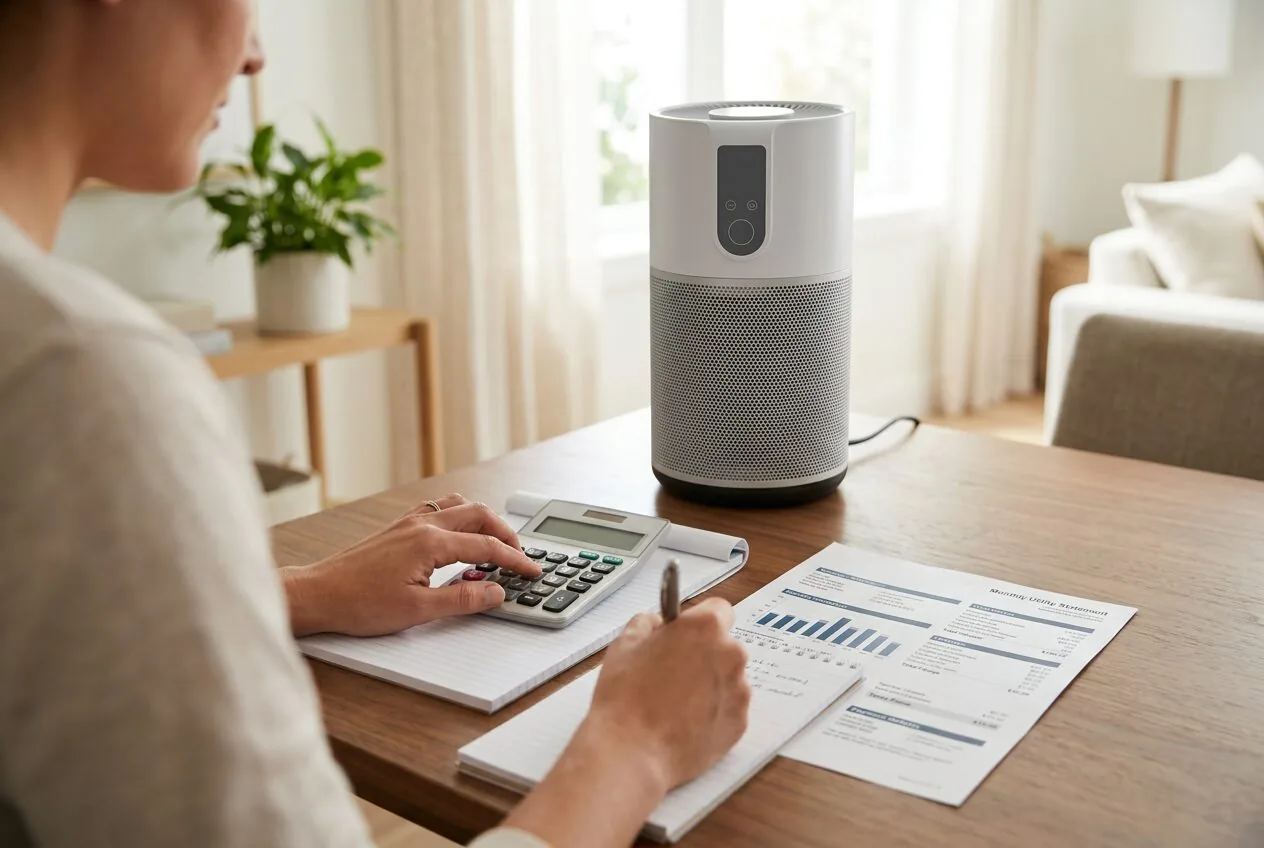
You can easily estimate your monthly cost with a simple formula. This helps put any energy concerns into real-world perspective.
Monthly Cost = (Wattage ÷ 1000) × Hours used per day × 30 days × Your electricity rate ($/kWh)
Let’s use a common scenario: A 50-watt purifier running 12 hours a day on medium speed in a region with an average electricity rate of $0.15 per kilowatt-hour (kWh).
(50 ÷ 1000) = 0.05 kW
0.05 kW × 12 hours = 0.6 kWh per day
0.6 kWh × 30 days = 18 kWh per month
18 kWh × $0.15 = $2.70 per month
As you can see, the cost is minimal. For comparison, a portable space heater can use 1500 watts, costing over $50 a month under similar use. You can learn more about how appliances affect your home environment in our article on how indoor air quality affects daily life.
Key Factors That Affect Energy Consumption
Not all air purifiers use energy the same way. Several design and usage factors play a major role.
Room Size and Purifier Capacity
Using an undersized purifier is a common mistake that increases energy use. A unit meant for a small bedroom will have to run constantly on high speed to clean a large living room, using more power and wearing out faster. Always match the Clean Air Delivery Rate (CADR) and recommended room size to your space. A properly sized unit, like the KNKA Air Purifiers for Home Bedroom Up to 1,695, can clean its designated area efficiently on a lower setting.
Filter Condition and Maintenance
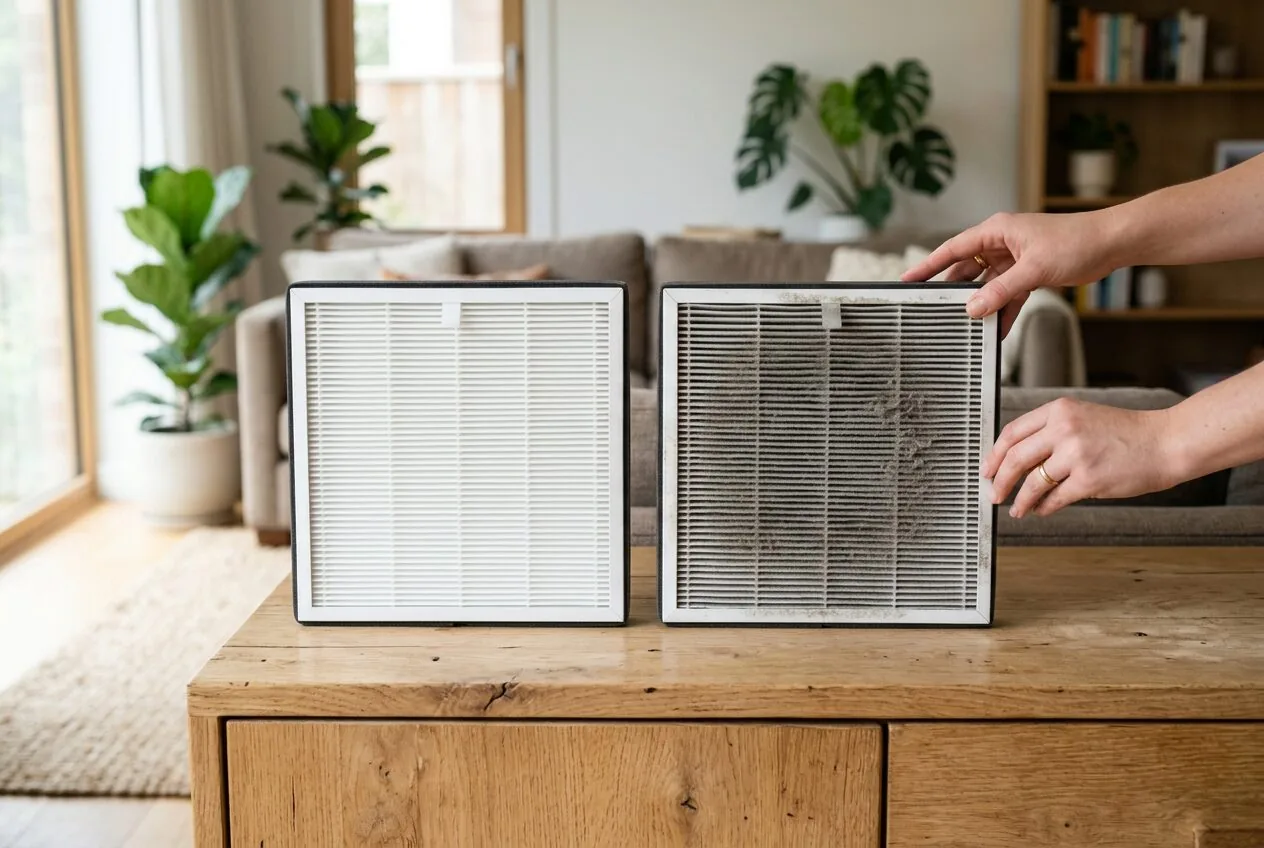
A clogged, dirty filter is the biggest cause of excess energy use in an air purifier. When the filter is full, the motor must work much harder to pull air through it, increasing wattage draw. Regularly replacing filters as recommended by the manufacturer maintains optimal airflow and efficiency. This is crucial for managing household dust, as discussed in our guide to air purifiers and household dust reduction.
Features and Technology
Certain features directly influence power draw:
- Auto Mode: Uses sensors to run on low speed when air is clean and only ramp up when needed, saving significant energy.
- Ionizers or UV-C Lights: These add-on technologies consume extra watts. While often minimal, turning them off when not needed can save a bit more power.
- Energy Star Certification: Models with this label are independently verified to be more energy-efficient than standard models.
Recommended Products
When choosing an air purifier, looking for models with energy-efficient features can give you peace of mind about operating costs. Here are a few purifiers known for their effective performance and thoughtful design.


As an Amazon Associate we earn from qualifying purchases. Product prices and availability are accurate as of the date/time indicated.
For larger spaces or homes with significant air quality concerns, a powerful yet efficient model like the AIRDOCTOR AD3500 Air Purifier can handle the job without requiring constant high-speed operation.
Pro Tips for Minimizing Electricity Use
You can easily reduce your air purifier’s energy footprint with these practical habits.
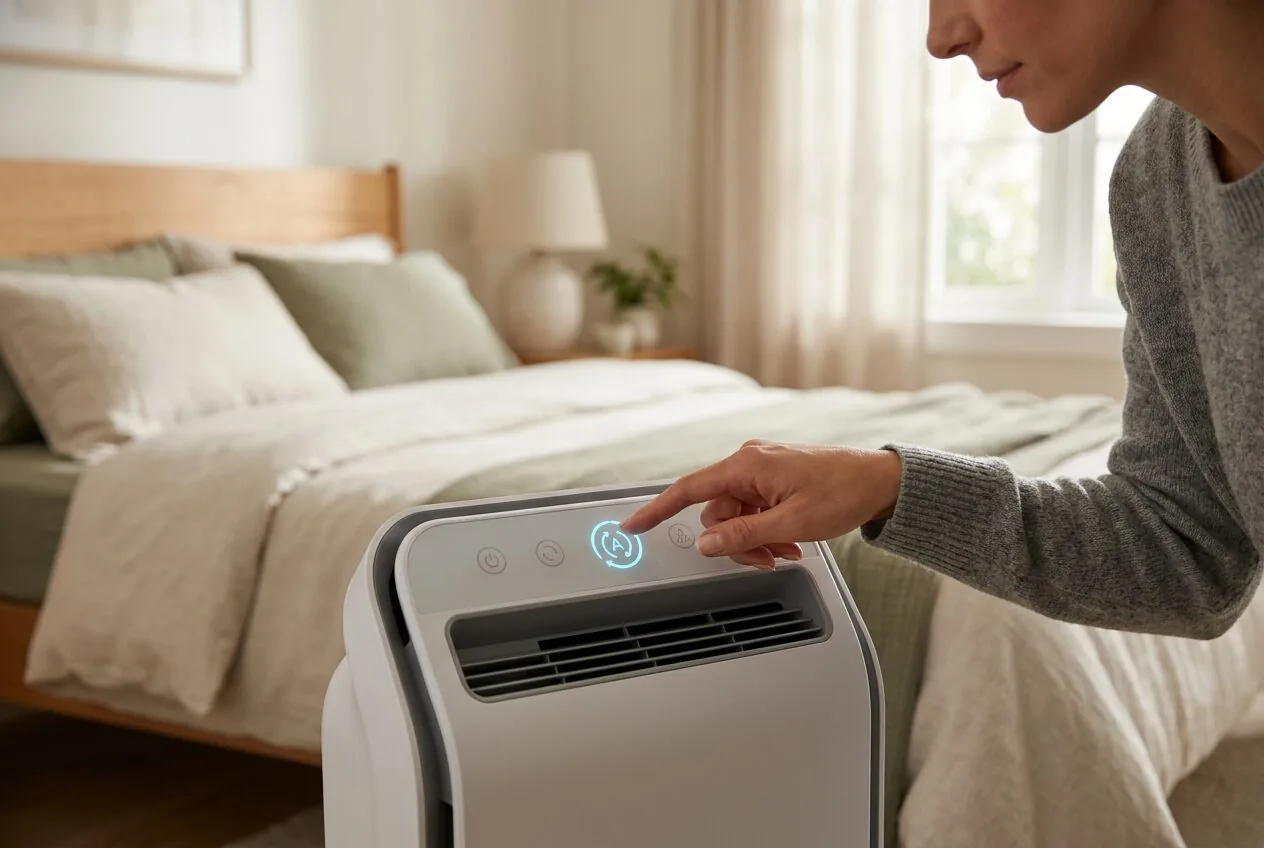
- Use Auto Mode: Let the sensors do the work. This is the single most effective way to save energy.
- Close Doors and Windows: Run the purifier in a closed room to prevent it from constantly fighting new pollutants from outside.
- Strategic Placement: Keep the unit away from walls and furniture to ensure unobstructed airflow, reducing strain on the motor.
- Time It: Use the timer function to turn the unit off after you leave for work or go to sleep if you don’t need 24/7 operation.
- Clean Pre-Filters: Regularly vacuuming the washable pre-filter extends the life of the main HEPA filter and maintains efficiency.
- Size It Right: Don’t buy a “bigger is better” unit for a small room. An appropriately sized purifier won’t need to run as hard.
Frequently Asked Questions
Is it cheaper to run an air purifier all the time or just sometimes?
Running it continuously on a low or auto setting is often more efficient. Frequently turning it on and off, or running it on high speed for short bursts to u0022catch up,u0022 can use more energy overall. The motor also experiences less wear from constant, gentle operation versus repeated hard starts.
Do air purifiers make your electric bill go up a lot?
No, the increase is typically very small. For most households, running a standard purifier adds between $3 and $8 to the monthly bill, comparable to charging a laptop or using a couple of LED lights. The health and comfort benefits usually far outweigh this minimal cost.
Are newer air purifiers more energy-efficient?
Yes, advancements in motor technology, improved filter media for better airflow, and smart features like auto mode have made modern purifiers significantly more efficient than models from a decade ago. Always check for Energy Star ratings when comparing.
Can I use a smart plug with my air purifier to save energy?
You can, but it’s often unnecessary if your purifier has a built-in timer or auto mode. A smart plug is useful for scheduling if your model lacks these features. Ensure the plug is rated for the purifier’s wattage and that turning the power off and on won’t disrupt filter life indicators.
Does an air purifier use more electricity than a fan?
It depends. A standard box fan uses about 50-100 watts, similar to an air purifier on medium. However, a fan only moves air, while a purifier cleans it. For the added functionality of filtration, the energy cost is very comparable.
Final Thoughts
Worrying that an air purifier will significantly increase your electricity bill is largely a myth. With typical monthly costs ranging from a few dollars to the price of a coffee, these devices are an affordable tool for improving your home’s air. The key to efficiency lies in choosing the right size, maintaining the filters, and utilizing energy-saving modes.
By following the tips outlined here, you can enjoy cleaner air with minimal energy impact. For more insights on how air purifiers tackle specific challenges, explore our blog posts on topics like removing kitchen smoke or managing multi-pet households.
About the author

admin writes reviews and buying guides for LAT Review.