Can Air Purifiers Remove Fine Particulate Matter? A Complete Guide
Learn how air purifiers with True HEPA filters capture fine particulate matter, improving indoor air quality and health.
 By Emily Foster
Updated October 19, 2026
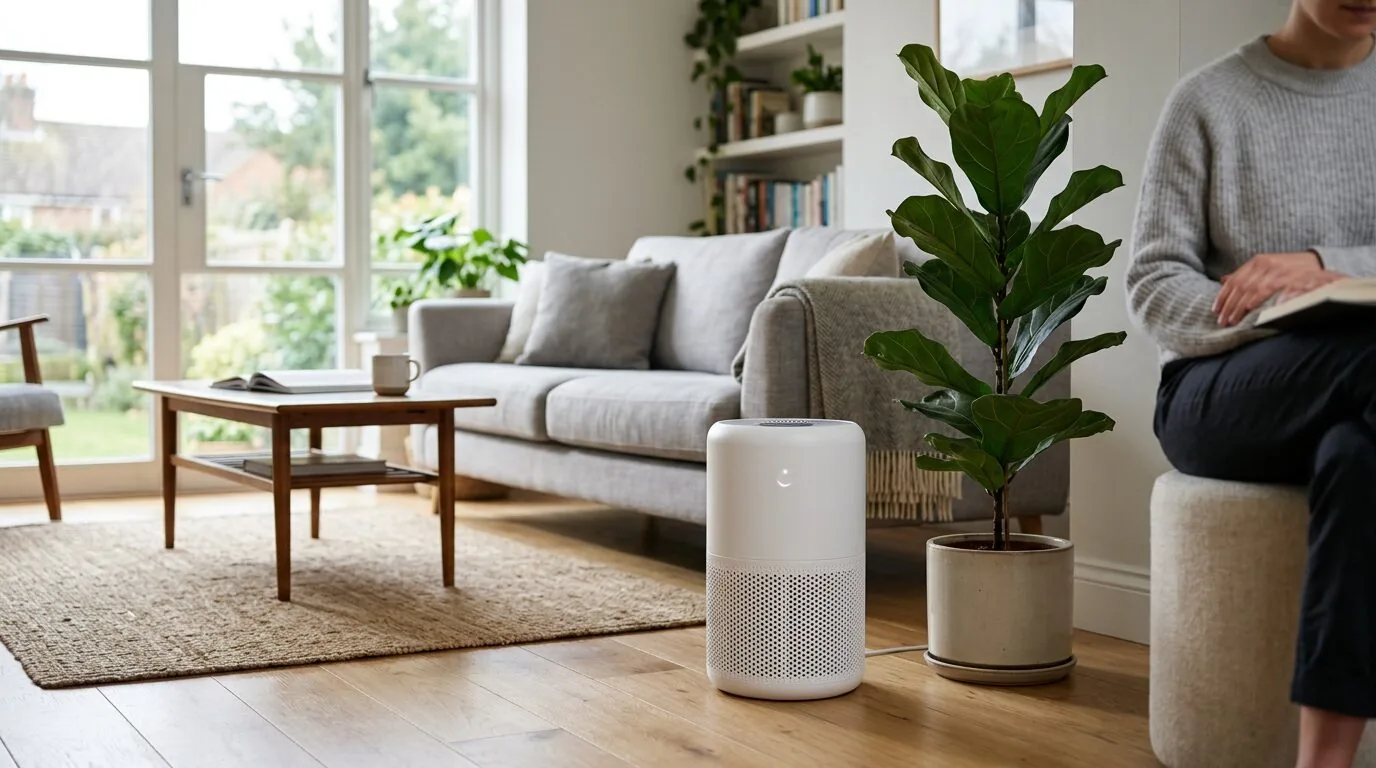
Yes, many air purifiers are highly effective at removing fine particulate matter (PM2.5) from indoor air. The key is using a model equipped with a True HEPA filter, which can capture at least 99.97% of particles as small as 0.3 microns. This includes common pollutants like dust, smoke, pollen, and mold spores, significantly improving the air you breathe.
Fine particulate matter is one of the most concerning types of indoor air pollution due to its microscopic size and ability to penetrate deep into the lungs. Understanding how air purifiers work to combat these particles can help you choose the right device and use it effectively to create a cleaner, healthier home environment.
Understanding Fine Particulate Matter (PM2.5)
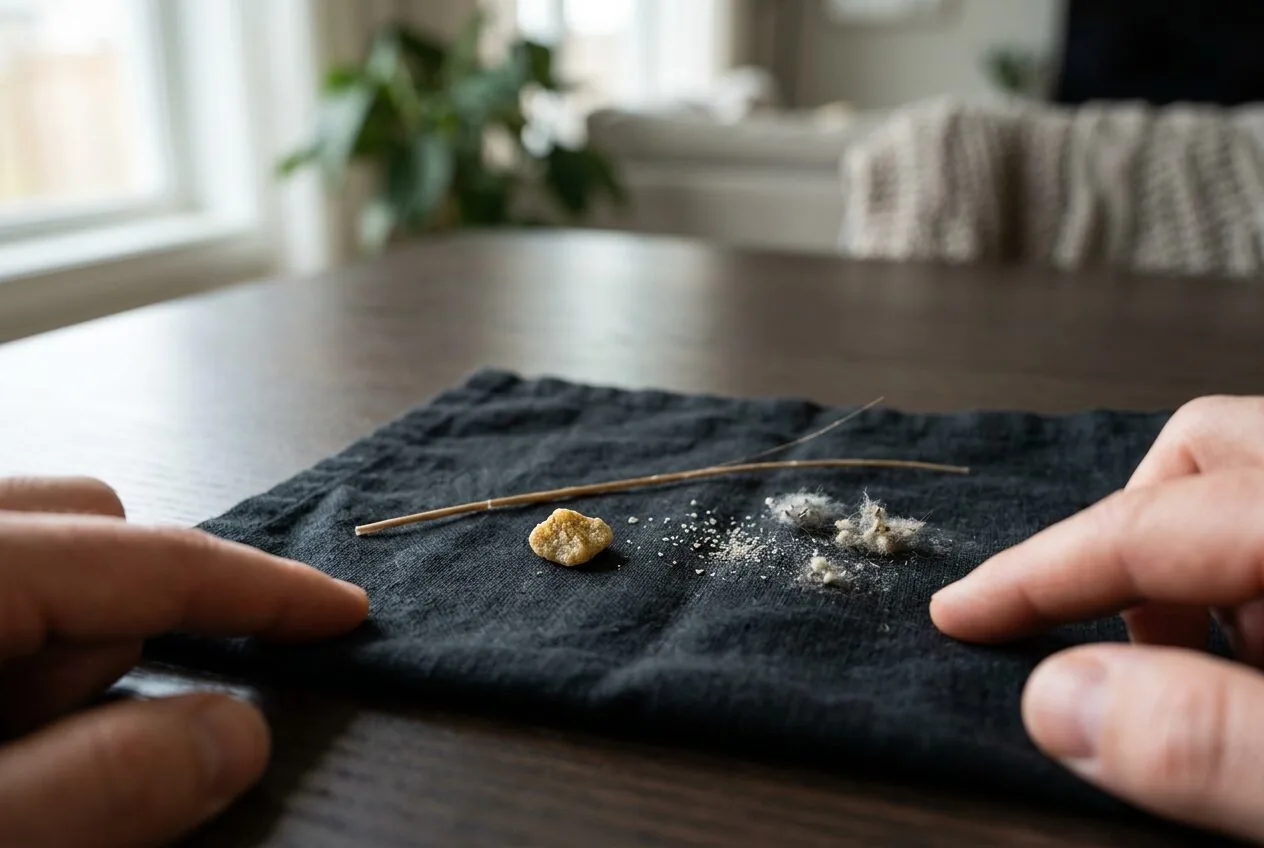
Fine particulate matter, often abbreviated as PM2.5, refers to airborne particles with a diameter of 2.5 micrometers or smaller. To visualize, a single human hair is about 50-70 micrometers wide, making these particles incredibly fine. Because of their minuscule size, they can stay suspended in the air for long periods and are easily inhaled.
Common sources of PM2.5 indoors include cooking smoke, tobacco smoke, burning candles, dust from fabrics, pet dander, and particles brought in from outdoors. Even everyday activities like vacuuming can stir up fine dust. Due to their ability to bypass the body’s natural respiratory defenses, these particles are linked to various health concerns, making their removal a priority for indoor air quality.
Health Impacts of PM2.5
- Respiratory Issues: Can aggravate asthma, bronchitis, and other lung conditions.
- Cardiovascular Effects: Linked to increased risk of heart attacks and strokes.
- Vulnerable Groups: Children, the elderly, and those with pre-existing conditions are most at risk.
- Long-term Exposure: Associated with reduced lung function and other chronic health problems.
How Air Purifiers Capture Fine Particles
Air purifiers use a combination of filtration technologies to remove fine particulate matter. The most critical component is the main filter, which is responsible for the bulk of particle capture. Fans draw room air into the unit, forcing it through these filters before recirculating cleaner air back into the space.
The efficiency of this process depends on the filter’s design, the airflow rate (often measured as CADR), and the size of the room relative to the purifier’s capacity. A well-matched purifier can process the air in a room multiple times per hour, steadily reducing the concentration of PM2.5.
The Role of HEPA Filters
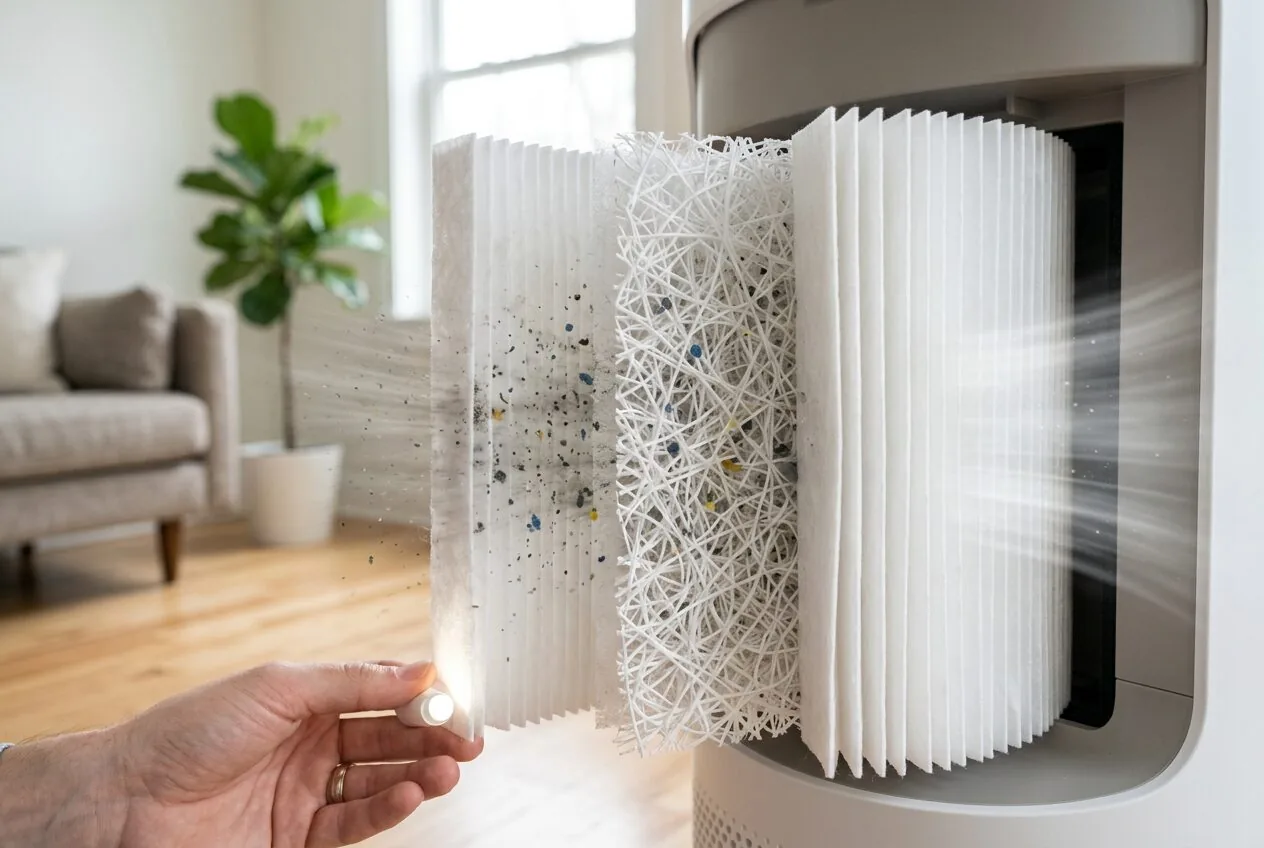
A True HEPA (High-Efficiency Particulate Air) filter is the gold standard for particle removal. To be certified as True HEPA, a filter must capture 99.97% of particles that are 0.3 microns in size. This is the “Most Penetrating Particle Size” (MPPS), meaning particles both larger and smaller than 0.3 microns are actually captured with even higher efficiency.
HEPA filters work through a combination of interception, impaction, and diffusion. Larger particles crash into and get stuck on fibers (impaction). Medium-sized particles are intercepted by fibers as they follow the airstream. The smallest particles move erratically (Brownian motion) and diffuse until they collide with a fiber. This multi-mechanism approach is why HEPA is so effective across a wide range of particle sizes.
Other Filtration Technologies
While HEPA is central, most purifiers use a multi-stage system. A pre-filter catches larger debris like hair and lint, protecting the HEPA filter and extending its life. An activated carbon filter adsorbs gases, odors, and volatile organic compounds (VOCs), which are not captured by HEPA alone. Some advanced models, like the Molekule PECO-HEPA Tri-Power Filter Air Mini, combine HEPA with proprietary technologies designed to destroy pollutants at a molecular level.
Choosing an Effective Air Purifier for PM2.5
Not all air purifiers are created equal when it comes to removing fine particles. The right choice depends on your specific room size, the local sources of pollution, and your budget. The primary factors to consider are the filter type, the unit’s clean air delivery rate, and its intended coverage area.
Always check the manufacturer’s specifications for the type of filter used. Look for “True HEPA” or “HEPA-type” designations. Be wary of generic terms like “HEPA-style” or “HEPA-like,” which may not meet the rigorous testing standards. For guidance on related concerns like chemical off-gassing from new items, you can explore our article on air purifiers and new furniture off-gassing.
Key Specifications to Check
| Specification | What It Means | Why It Matters for PM2.5 |
|---|---|---|
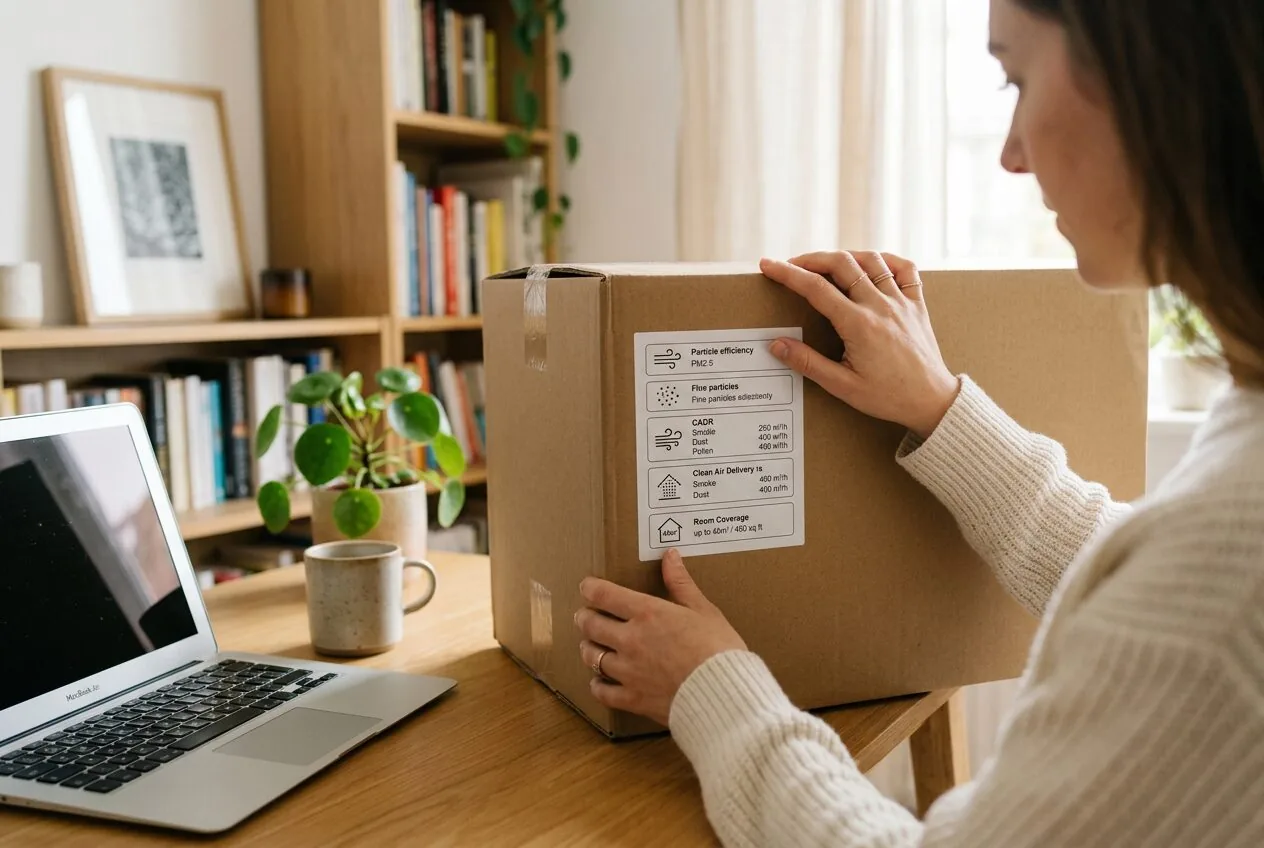
| CADR (Clean Air Delivery Rate) | The volume of filtered air delivered per minute (for smoke, dust, pollen). | Higher CADR for smoke indicates faster removal of fine particles. Match CADR to room size. |
| Room Coverage | The maximum square footage the unit is rated for. | An undersized purifier won’t effectively reduce PM2.5 levels. Choose one rated for your room size. |
| Filter Type | The technology used (e.g., True HEPA, Carbon). | True HEPA is essential for high-efficiency PM2.5 capture. |
| Air Changes per Hour (ACH) | How many times the unit filters the full room’s air volume in one hour. | Aim for at least 4-5 ACH for effective particle reduction. |
Recommended Products
To effectively tackle fine particulate matter, you need an air purifier with a capable HEPA filter and, importantly, a commitment to maintaining it with timely filter replacements. A clogged filter loses efficiency and can strain the fan motor. Here are some products that align with the principles discussed.


As an Amazon Associate we earn from qualifying purchases. Product prices and availability are accurate as of the date/time indicated.
For example, keeping replacement filters on hand, like the 2 Pack MK04 Filter Replacements For AROEVE MK04, ensures your purifier operates at peak performance. Meanwhile, a compact unit like the AIRROMI Air Purifier for Home Pet Hair Allergens can be a good fit for smaller rooms where pet dander and dust are primary concerns.
Frequently Asked Questions
How often should I run my air purifier to control PM2.5?
For continuous protection against fine particulate matter, it’s best to run your air purifier on a low setting 24/7. This maintains a consistent level of clean air and prevents pollutant levels from building up. Many modern units have an auto mode that adjusts the fan speed based on detected air quality.
Can air purifiers remove ultrafine particles (smaller than 0.1 micron)?
Yes, True HEPA filters are actually more efficient at capturing particles smaller than 0.3 microns due to the diffusion mechanism. Viruses, many bacteria, and combustion nanoparticles fall into this category and are effectively captured. However, no filter is 100% effective, and source control (like ventilation) is also important.
Do I need a separate air purifier for mold spores?
No, a True HEPA air purifier that effectively captures PM2.5 will also capture mold spores, which typically range from 1 to 20 microns in size. However, an air purifier is a reactive tool for airborne spores; it should be used alongside proactive u003ca href=u0022https://airpurifierguides.com/air-purifiers-and-mold-prevention-strategies/u0022u003emold prevention strategiesu003c/au003e like controlling humidity and fixing leaks.
How do I know if my air purifier is working on fine particles?
While you can’t see PM2.5, signs of an effective purifier include less dust settling on surfaces, reduced allergy symptoms, and the disappearance of lingering odors. Some purifiers have built-in particle sensors and color-coded indicators. For a definitive check, you can use a standalone air quality monitor that measures PM2.5 concentrations.
Is an ionizer or ozone generator effective for PM2.5?
We do not recommend ionizers or ozone generators for particle removal. While some ionic models cause particles to fall out of the air onto surfaces, they don’t remove them from your environment. More importantly, ozone generators produce a lung irritant that is itself a pollutant and can worsen respiratory conditions.
Final Thoughts
Air purifiers equipped with True HEPA filters are a powerful and scientifically validated tool for removing fine particulate matter from your home’s air. By understanding the technology and choosing a properly sized unit, you can significantly reduce your exposure to PM2.5 and its associated health risks. Remember that an air purifier is one part of a broader indoor air quality strategy, which should also include source control and adequate ventilation.
Regular maintenance, especially timely filter changes, is non-negotiable for sustained performance. As you explore your options, you may also find it helpful to read about how purifiers handle specific challenges, such as removing mold odors or dealing with airborne mold spores. Investing in a good air purifier is an investment in the long-term health and comfort of your indoor environment.
About the author
Editor at AirPurifierGuides.com. Emily has a background in professional communication and has worked with several health and technology publications. She edits our content for accuracy and answers reader questions about air quality.