How Air Purifiers Help Create a Healthier Home
Learn how air purifiers work to remove pollutants, reduce allergens, and create a cleaner, healthier indoor environment for you and your family.
 By admin
Updated October 19, 2026
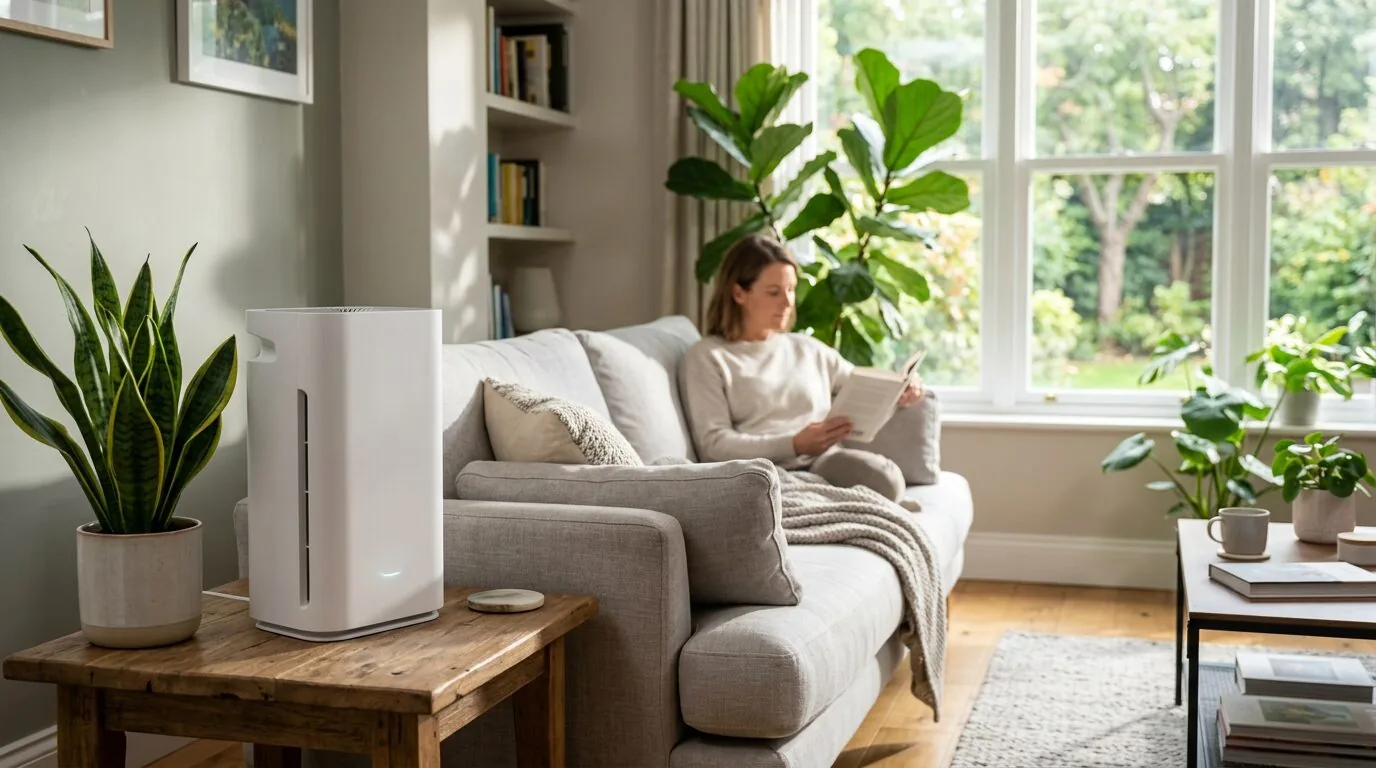
Air purifiers help create a healthier home by actively removing harmful pollutants, allergens, and odors from your indoor air. They work by drawing air through a series of filters that trap particles like dust, pollen, pet dander, and even some bacteria and viruses, resulting in cleaner air for you to breathe.
The air inside our homes can be surprisingly polluted, often containing higher concentrations of certain contaminants than outdoor air. This is due to factors like limited ventilation, off-gassing from furniture, cleaning products, and everyday activities like cooking. An air purifier acts as a dedicated cleaning system for your indoor environment, working continuously to improve air quality.
In this guide, we’ll explain the science behind how air purifiers work and the specific ways they contribute to a healthier living space. You’ll learn about the types of pollutants they target, the different filtration technologies available, and how to integrate an air purifier into your home wellness routine.
The Core Function: How Air Purifiers Clean Your Air
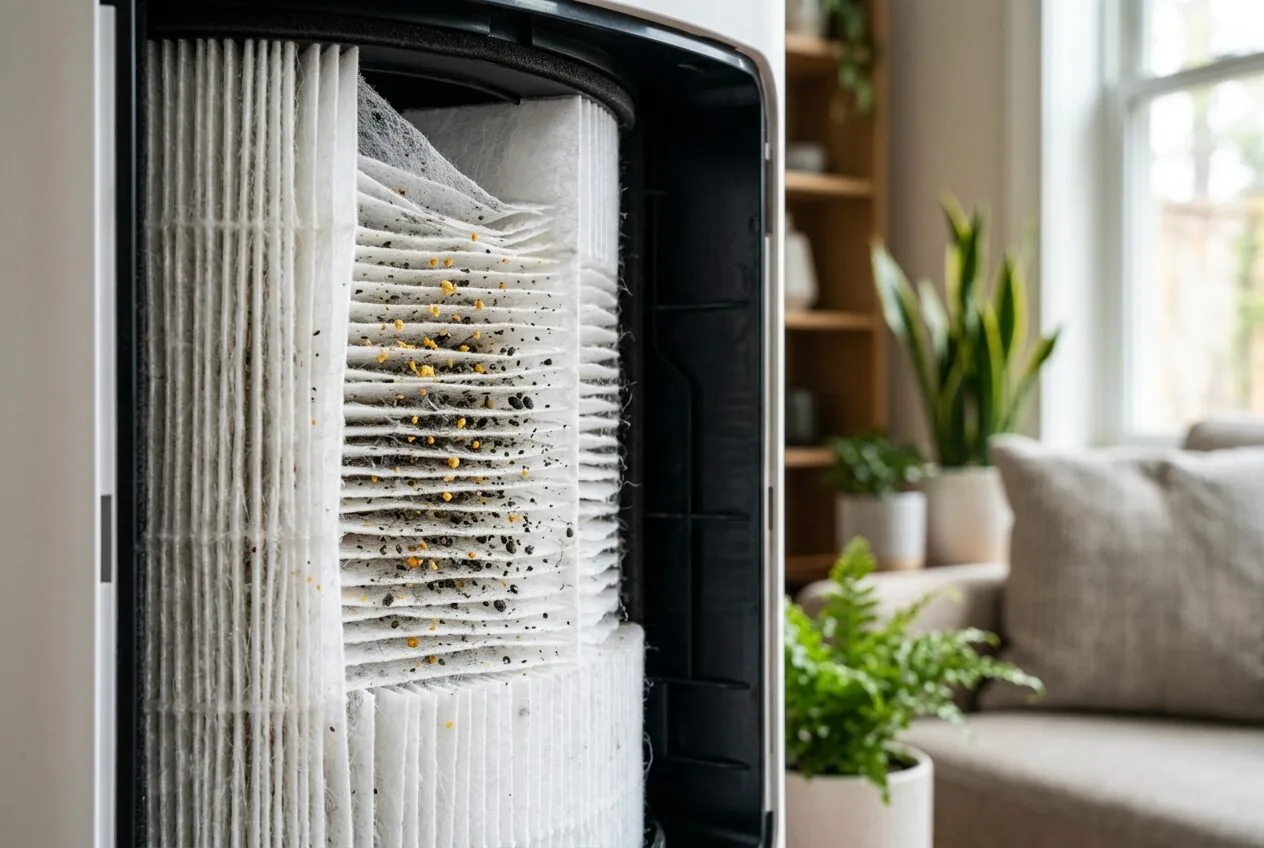
At their most basic, air purifiers are simple machines with a powerful purpose. A fan pulls room air into the unit, where it passes through one or more internal filters. These filters capture and retain airborne particles before the cleaned air is circulated back into the room. This cycle repeats continuously, gradually reducing the concentration of pollutants.
The Filtration Team: HEPA and Activated Carbon
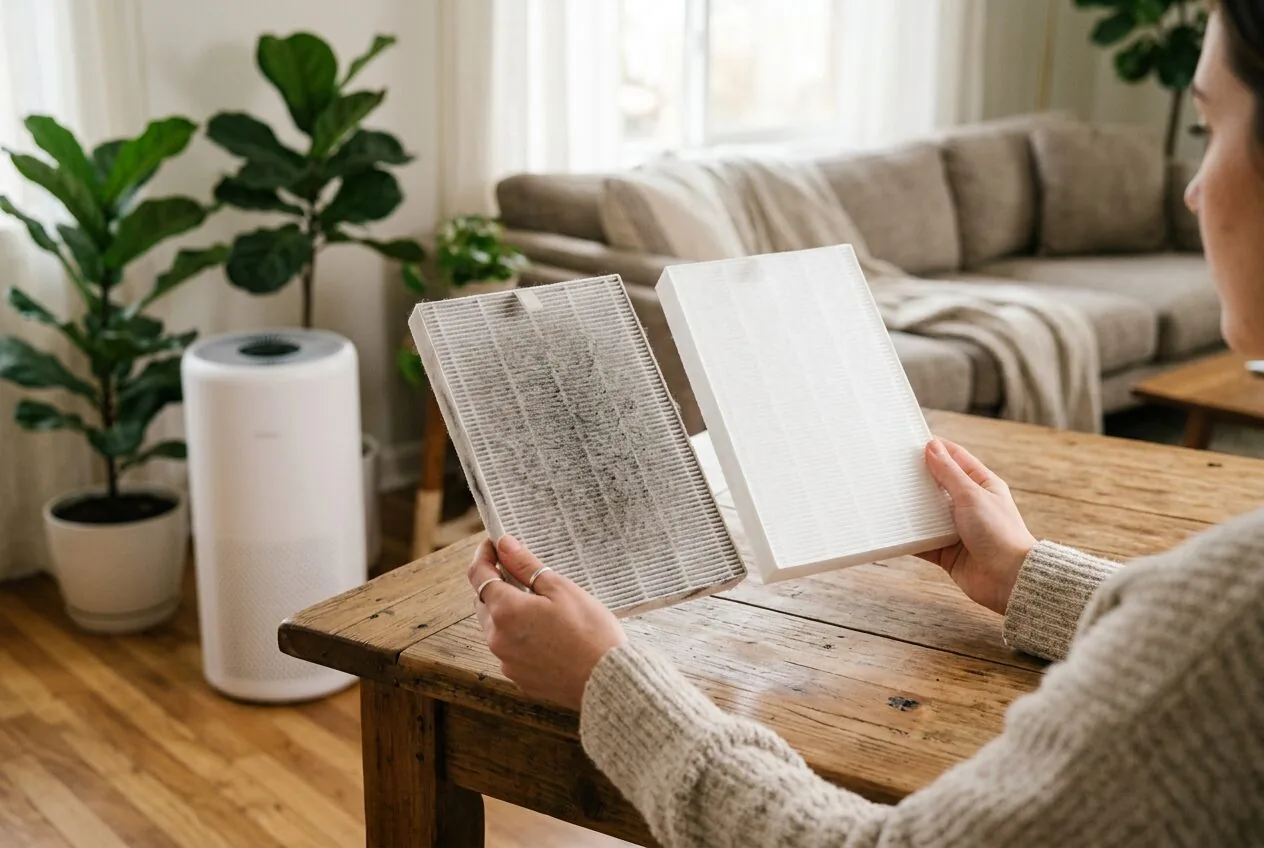
Most quality air purifiers rely on a combination of two main filter types: HEPA and activated carbon. A True HEPA filter is the workhorse for particle removal. It’s a dense, pleated mechanical filter designed to capture at least 99.97% of particles that are 0.3 microns in size. This includes common allergens like pollen, mold spores, and pet dander.
Activated carbon filters complement HEPA filters by tackling gases and odors. These filters contain a vast network of porous carbon that adsorbs (sticks to) volatile organic compounds (VOCs), smoke, and cooking smells. For a deeper dive into how these filters differ, you can read our guide on HEPA vs activated carbon filters.
Specific Healthier Home Benefits
Reducing Allergy and Asthma Triggers
For allergy and asthma sufferers, an air purifier can be a game-changer. By removing microscopic triggers like dust mite debris, pollen tracked in from outside, and pet allergens from the air, purifiers help reduce the frequency and severity of symptoms. This leads to easier breathing, less reliance on medication for some individuals, and more restful sleep. Our article on Do Air Purifiers Help With Seasonal Allergies? explores this benefit in detail.
Neutralizing Household Odors and VOCs
A healthier home should smell fresh, not like last night’s dinner or a litter box. Air purifiers with robust activated carbon filters absorb odor molecules from cooking, pets, smoke, and even new furniture or paint fumes. This is particularly helpful in kitchens, living rooms, and home offices. For specific guidance on chemical odors, see can air purifiers remove paint fumes.
Capturing Fine Particles and Dust
Regular dusting only goes so far. An air purifier captures the fine dust particles that would otherwise remain suspended in the air, eventually settling on surfaces or in your lungs. This means less dust accumulates on shelves, electronics, and bedding, contributing to a cleaner home environment and reducing general respiratory irritation for everyone.
Improving Sleep Quality
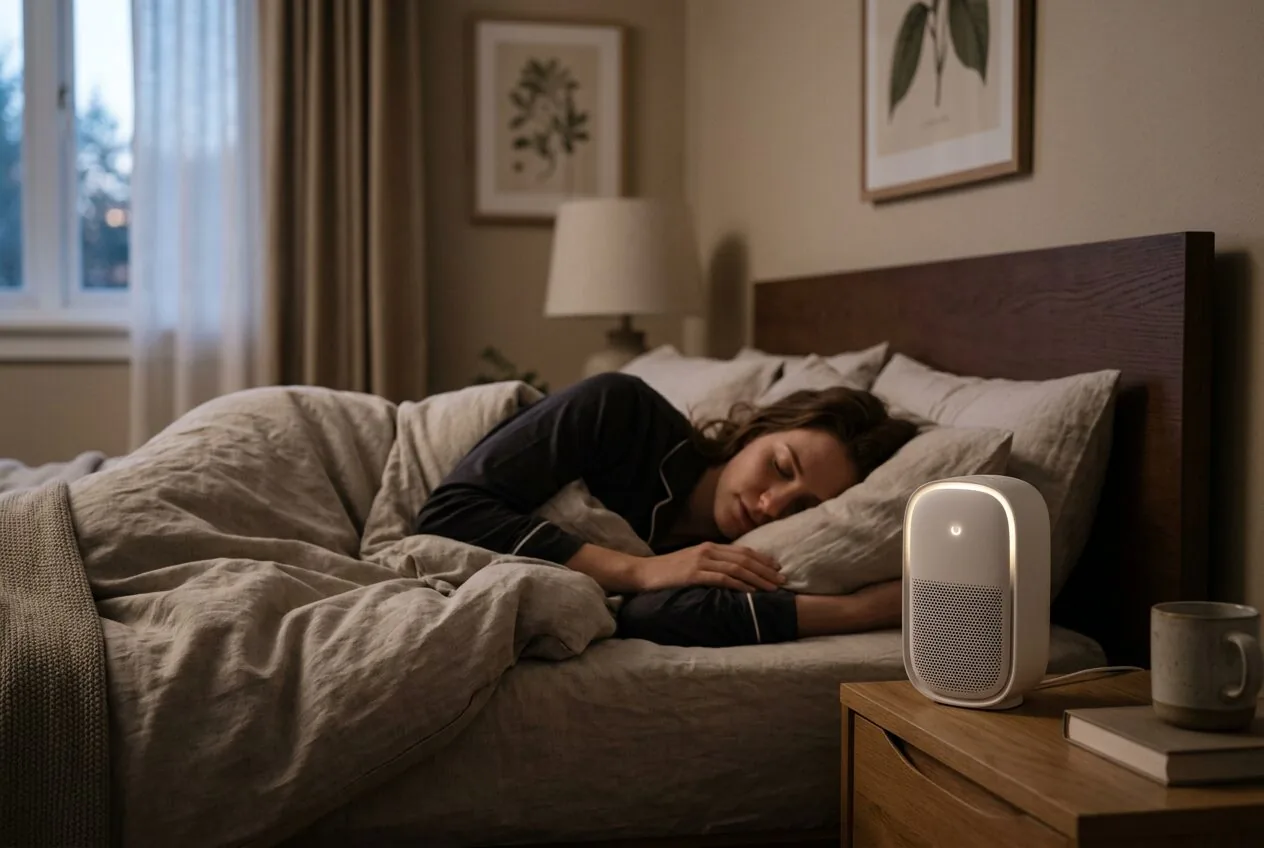
Cleaner air can directly contribute to better sleep. By reducing nasal congestion and irritation from allergens, an air purifier helps you breathe more easily throughout the night. Many modern purifiers also feature quiet or sleep modes with near-silent operation and dimmed lights, creating an ideal environment for uninterrupted rest.
Choosing the Right Purifier for Your Health Goals
Not all air purifiers are created equal, and your specific health concerns should guide your choice. The first step is identifying your primary goal. Is it allergy relief, odor control, or general dust reduction? Match the purifier’s strengths to your needs.
Key Specifications to Consider
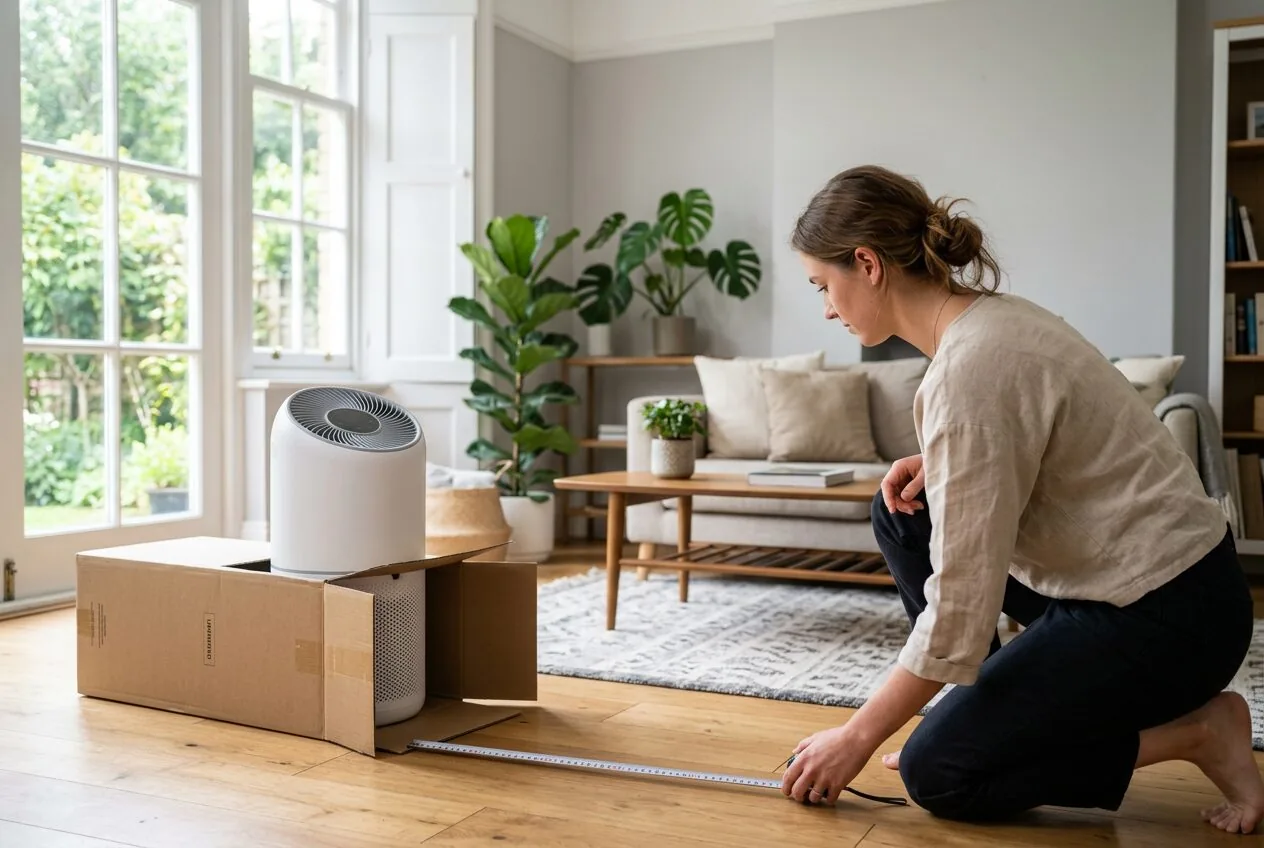
- Room Coverage (CADR): Ensure the Clean Air Delivery Rate (CADR) and manufacturer’s suggested room size match your target space. An undersized unit won’t be effective.
- Filter Types: Prioritize units with a True HEPA filter for allergens and dust. For odors, verify it has a substantial activated carbon filter, not just a thin mesh.
- Noise Level: Check decibel ratings, especially if the purifier will be used in a bedroom or home office. Look for a dedicated sleep mode.
- Ongoing Costs: Factor in the price and replacement schedule for filters. Consistent maintenance is key to long-term performance.
For more on selecting a unit for a specific space, check out our guide on Air Purifiers for Home Offices.
Recommended Products
The right air purifier depends on your room size and specific needs. The products below represent a range of effective options, from compact models for personal spaces to larger units for open living areas, all designed to contribute to a healthier home environment.


As an Amazon Associate we earn from qualifying purchases. Product prices and availability are accurate as of the date/time indicated.
For instance, the Whirlpool, WPT80B Whispure True HEPA Air Purifier is a robust choice for larger rooms, featuring a True HEPA filter and advanced anti-bacteria technology. For smaller bedrooms or targeted spaces, a compact model like the AIRROMI Air Purifier for Home Bedroom Pet Hair can effectively manage pet dander and allergens. Remember, maintaining your purifier with timely filter replacements, such as the HAPF600 HEPA Filter Replacement for Holmes Air, is crucial for sustained performance.
Frequently Asked Questions
Do I need an air purifier if I already have good ventilation?
Ventilation is excellent for bringing in fresh air, but it can also bring in outdoor pollutants like pollen and traffic exhaust. An air purifier works on recirculating and cleaning the air already inside your home, complementing ventilation by removing internally generated pollutants like dust, pet dander, and VOCs that open windows alone won’t address.
Can air purifiers remove viruses and bacteria from the air?
Some air purifiers can capture bacteria and viruses that are attached to larger droplets or dust particles via their HEPA filters. Certain models also include UV-C light or other technologies designed to inactivate microorganisms. However, an air purifier should not be relied upon as the sole method of infection control. For a scientific explanation, read u003ca href=u0022https://airpurifierguides.com/can-air-purifiers-remove-bacteria-from-the-air/u0022u003eCan Air Purifiers Remove Bacteria From The Air?u003c/au003e
How often should I run my air purifier?
For the best results in creating a consistently healthier environment, run your air purifier continuously on its lowest or automatic setting. This allows it to maintain clean air by catching pollutants as they are generated. Modern energy-efficient models are designed for 24/7 operation with minimal power consumption.
Where is the best place to put an air purifier?
Place your air purifier in the room where you spend the most time, such as a bedroom or home office. Keep it a few feet away from walls and large furniture to allow for optimal air intake and circulation. Avoid corners or behind curtains where airflow is restricted.
Do houseplants purify air as well as an air purifier?
While certain houseplants can absorb trace amounts of VOCs through their soil and leaves, their air-cleaning capacity is extremely limited compared to a mechanical air purifier. You would need an impractically large number of plants in a single room to match the pollutant removal rate of even a small purifier. Plants are best enjoyed for their aesthetic and psychological benefits.
Final Thoughts
Creating a healthier home is a multifaceted endeavor, and improving your indoor air quality is one of the most impactful steps you can take. An air purifier serves as a dedicated, silent partner in this effort, working tirelessly to remove the invisible pollutants that can affect your comfort, health, and well-being.
By understanding how air purifiers function and selecting a model suited to your specific needs, you can effectively reduce allergens, neutralize odors, and enjoy the tangible benefits of cleaner air. For more insights into how cleaner air transforms daily living, explore our article on air purifiers and better indoor comfort. Remember, the journey to a healthier home starts with the very next breath you take.
About the author

admin writes reviews and buying guides for LAT Review.