Air Purifiers and Mold Prevention Strategies: A Complete Guide
Learn how air purifiers can be part of a comprehensive mold prevention plan, including key strategies for moisture control and filtration.
 By Sarah Jenkins
Updated October 17, 2026
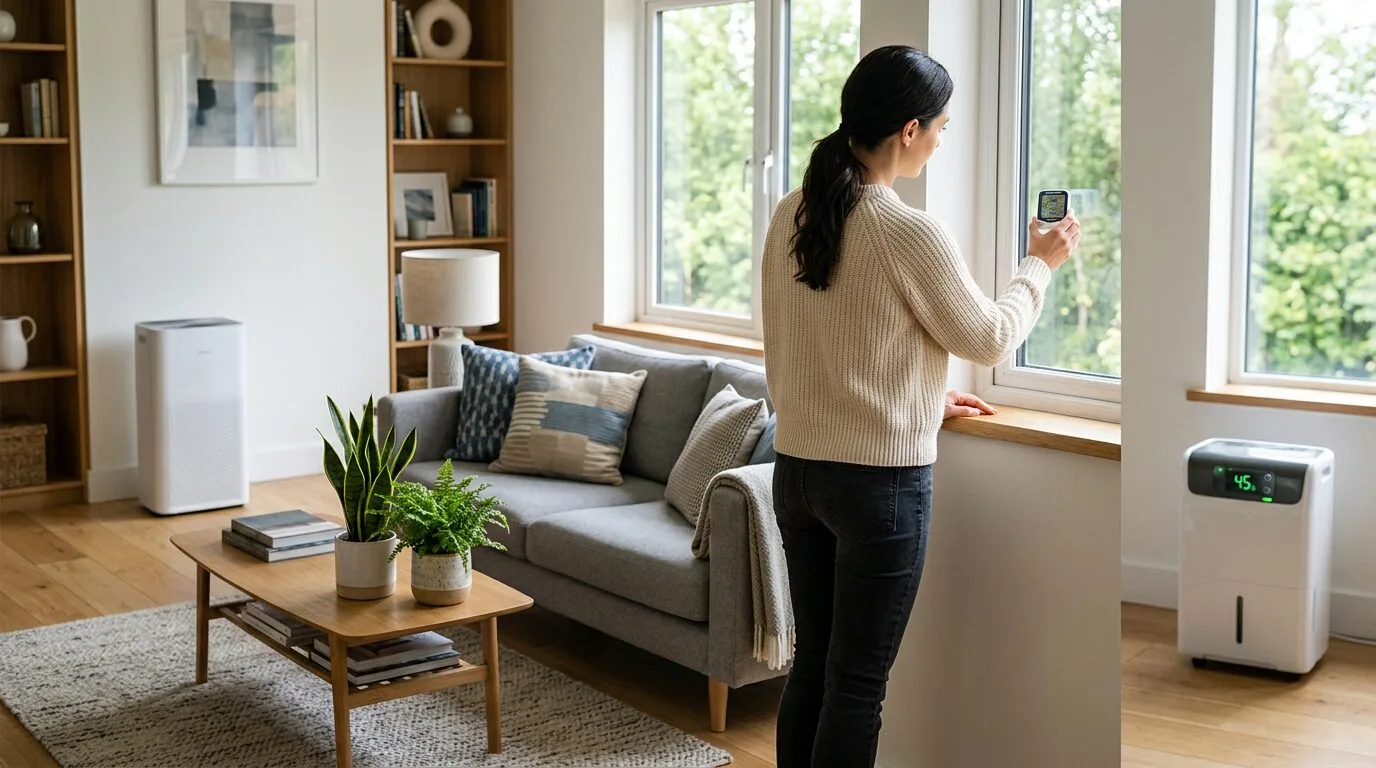
Yes, air purifiers with HEPA filters can capture airborne mold spores, preventing them from settling and growing. However, they are just one tool in a broader strategy that must include controlling moisture and cleaning existing mold. Using an air purifier helps manage the airborne component of mold problems.
Mold in your home isn’t just unsightly; it can affect your health and damage your property. Preventing its growth requires a multi-pronged approach that addresses the root cause—moisture—while also managing the spores already circulating in your air. This guide explains where air purifiers fit into effective mold prevention, how they work, and what other critical steps you must take to keep your home mold-free.
How Air Purifiers Help with Mold Prevention
Air purifiers contribute to mold prevention by tackling the reproductive stage of the mold life cycle: the spores. Mold spreads by releasing microscopic spores into the air, which then land on damp surfaces and grow into new colonies. A purifier with the right filter can intercept these spores before they have a chance to settle.
The Role of HEPA Filtration
A True HEPA filter is the most important feature for capturing mold spores. These filters are tested to capture 99.97% of particles as small as 0.3 microns. Since most mold spores range from 1 to 30 microns in size, a HEPA filter is highly effective at trapping them as air passes through the purifier. This continuously reduces the spore count in a room, lowering the chance of new mold growth.
It’s crucial to understand that an air purifier does not kill mold or remove existing growth on surfaces. Its job is purely preventative, acting as a net to catch airborne spores. For a deeper dive into this mechanism, read our guide on air purifiers and airborne mold spores.
Essential Mold Prevention Strategies Beyond the Purifier
Relying solely on an air purifier for mold prevention is a common mistake. The most effective strategy is an integrated one that targets moisture, the primary ingredient mold needs to grow.
1. Control Humidity and Moisture
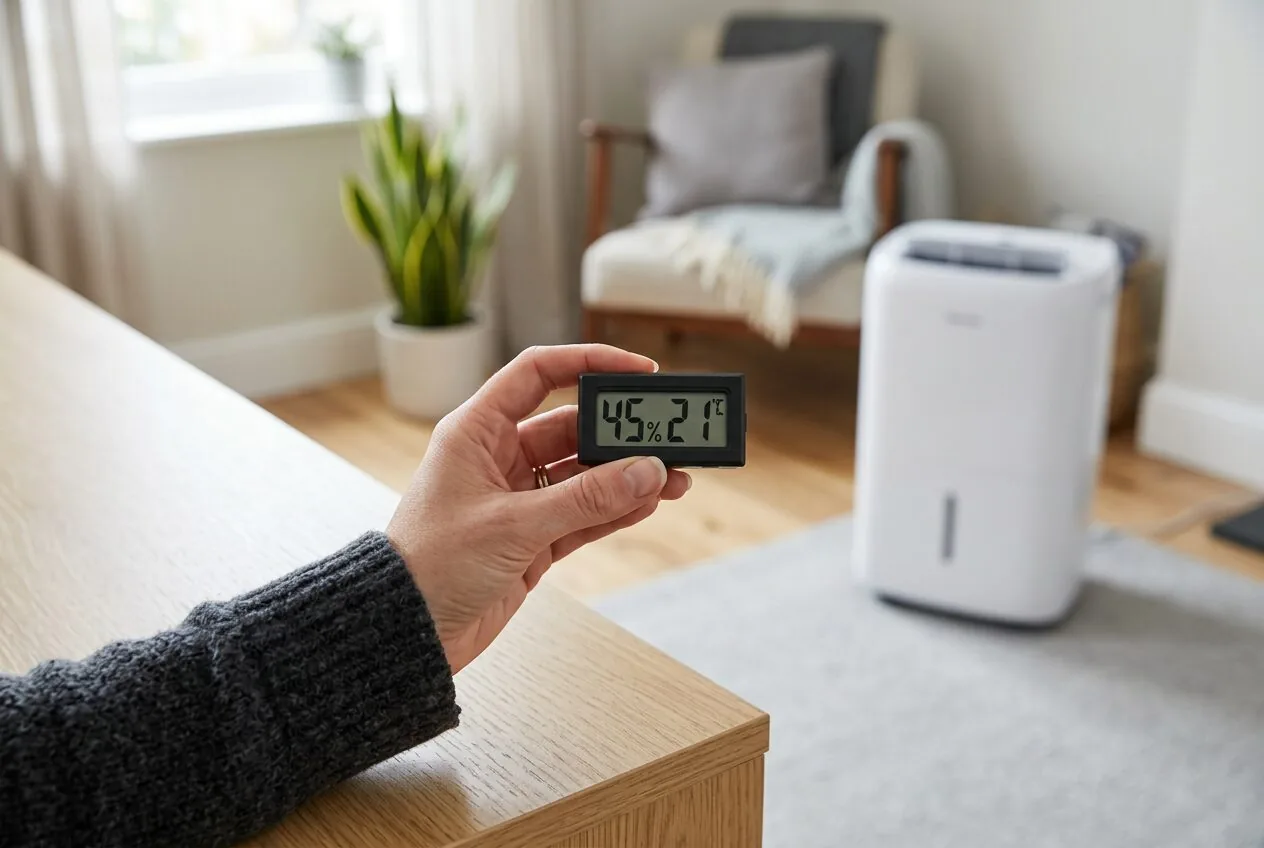
- Use a Dehumidifier: Keep indoor relative humidity below 50%, ideally between 30-40%. Basements, bathrooms, and laundry rooms often need dedicated dehumidifiers.
- Ventilate: Use exhaust fans in bathrooms and kitchens during and after showering or cooking. Open windows when weather permits to allow moist air to escape.
- Fix Leaks Immediately: Repair leaky roofs, pipes, and windows as soon as they are discovered. Dry out any wet building materials within 24-48 hours.
2. Clean and Dry Existing Mold
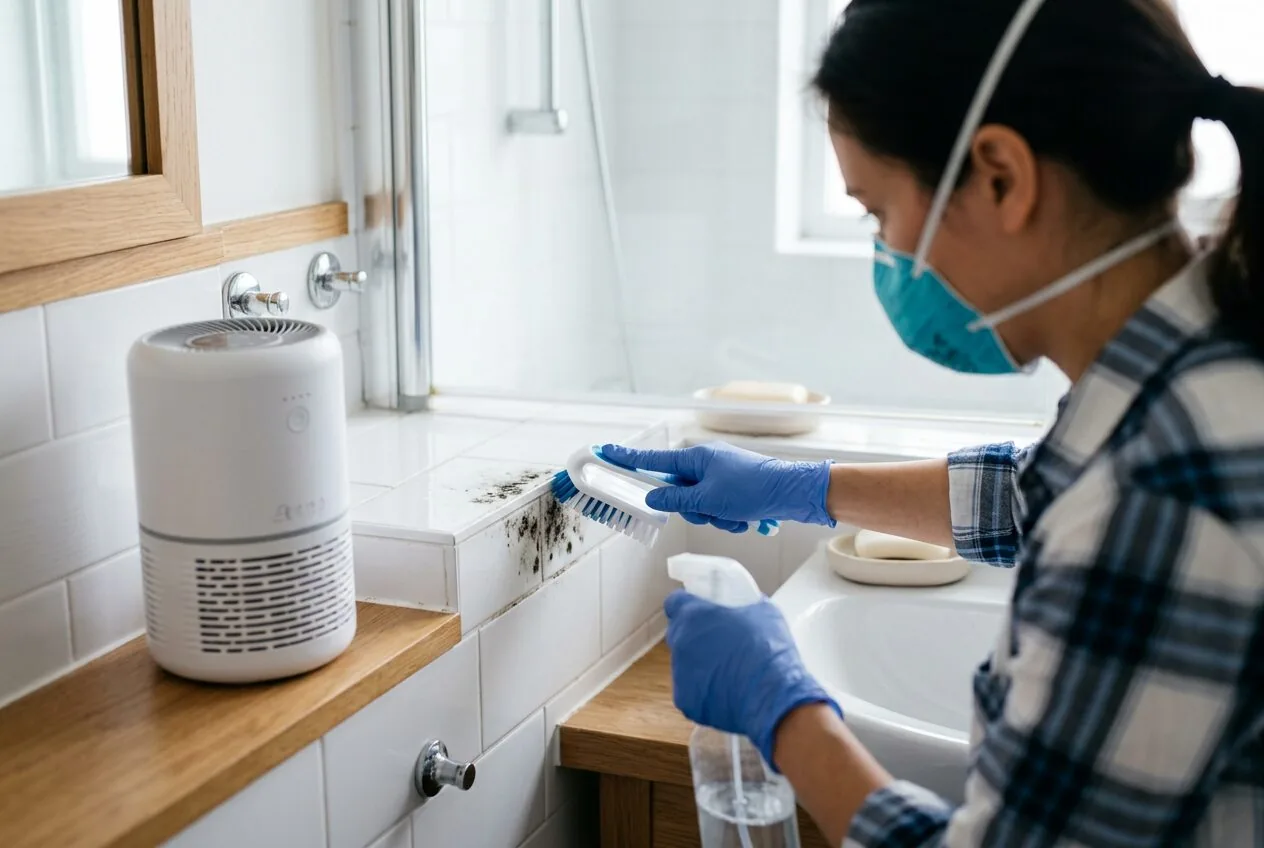
If you find mold, you must clean it safely. For small areas (less than 10 square feet), scrub with a detergent solution, dry completely, and discard any porous materials like drywall or carpet that are moldy. Always wear protective gear (gloves, N95 mask, goggles). For large infestations, consult a professional mold remediator. Running an air purifier in the room during and after cleaning can help capture spores stirred up by the process.
3. Improve Airflow and Reduce Clutter
Ensure furniture isn’t pushed directly against exterior walls, as this can create cold spots where condensation forms. Keep closets and storage areas well-ventilated and avoid storing items in damp basements. Regular vacuuming with a HEPA-filtered vacuum cleaner can also remove settled spores from carpets and upholstery before they become airborne again.
Choosing an Air Purifier for Mold Prevention
Not all air purifiers are equally suited for this task. Here’s what to look for when selecting one as part of your mold strategy.
Key Features to Prioritize
- True HEPA Filter: This is non-negotiable. Avoid purifiers that use “HEPA-type” or “HEPA-style” filters, as they are not held to the same standard.
- Appropriate Room Size Rating: Choose a purifier rated for the square footage of the room where you’ll use it. For mold prevention, consider sizing up for better air turnover.
- Good Air Change Rate: Look for a Clean Air Delivery Rate (CADR) for dust or pollen that is high relative to the room size. This indicates how quickly it can filter the air.
- Carbon Filter (Optional but Helpful): While carbon doesn’t capture spores, it can help with the musty odors often associated with mold and dampness, as discussed in our article on removing mold odors.
Understanding these specifications is part of a smart approach to indoor air monitoring and improvement.
What to Avoid
- Ionizers and Ozone Generators: These can produce ozone, a lung irritant, and are not effective at removing mold spores from the air. They may cause spores to stick to surfaces, but this doesn’t prevent growth.
- UV-C Lights Without HEPA: Some purifiers include UV lights meant to kill mold spores. However, the exposure time in a purifier is usually too short to be fully effective. UV should only be considered a secondary feature to a primary HEPA filter.
Recommended Products
When used alongside moisture control, a reliable air purifier with a robust HEPA filter is a valuable tool for reducing airborne mold spores. The following models feature the necessary filtration for this task.


As an Amazon Associate we earn from qualifying purchases. Product prices and availability are accurate as of the date/time indicated.
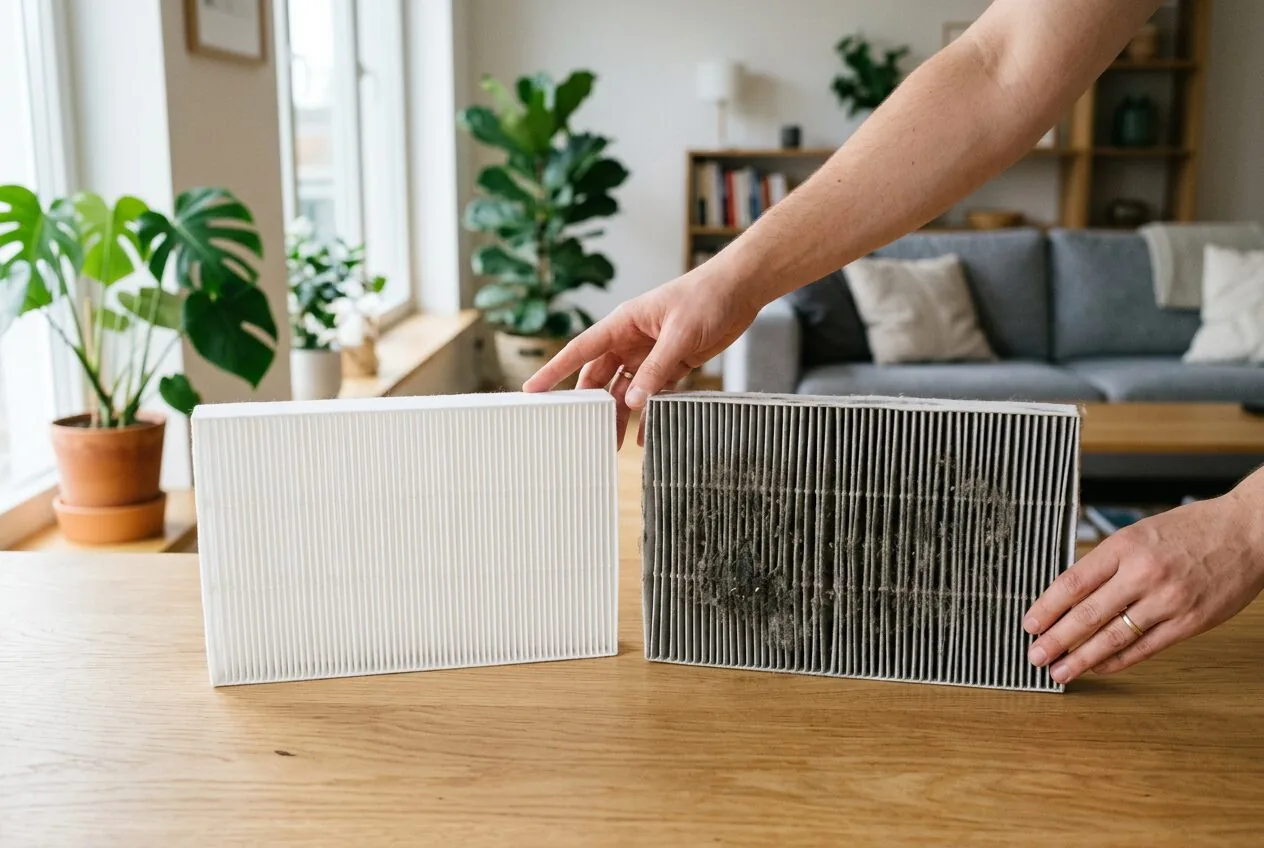
For example, maintaining your purifier with a fresh Clorox Large Room Air Purifier True HEPA replacement filter is essential, as a clogged filter loses efficiency and can potentially harbor mold growth itself if the environment is damp. Similarly, a model like the AIRDOCTOR AD3500 Air Purifier offers a high level of filtration suitable for areas where mold is a persistent concern.
Frequently Asked Questions
Can an air purifier alone prevent mold?
No, an air purifier cannot prevent mold on its own. It can only reduce the number of airborne spores. Without controlling the source of moisture that allows mold to grow, prevention will fail. The purifier is a supportive tool, not a standalone solution.
Where should I place the air purifier for mold prevention?
Place it in the room where moisture or mold is a primary concern, such as a basement, bathroom, or bedroom. Keep it away from walls and furniture for optimal airflow. Run it continuously on a low or auto setting to maintain consistently clean air, as spores are always present.
Do I need to replace the HEPA filter more often if Iu0026#039;m using it for mold?
Potentially, yes. In an environment with active mold growth or high spore counts, the filter will load up faster. Follow the manufacturer’s replacement schedule, but be prepared to change it sooner if you notice a drop in airflow or performance. A dirty filter is ineffective.
Will an air purifier help with mold allergies?
Yes, significantly. By removing mold spores from the air you breathe, a HEPA air purifier can reduce allergy and asthma symptoms triggered by these spores. This is a key part of how u003ca href=u0022https://airpurifierguides.com/how-air-purifiers-help-reduce-airborne-irritants/u0022u003eair purifiers help reduce airborne irritantsu003c/au003e.
Can mold grow inside an air purifier?
It is possible, though uncommon with proper use. If a purifier is used in an extremely humid room and the filter becomes damp, mold could grow on the filter itself. This is why moisture control in the room is critical and why you should never use a purifier with a wet filter.
Final Thoughts
Effective mold prevention is a holistic process. An air purifier with a True HEPA filter is a powerful ally in this fight, capably reducing the population of airborne mold spores that seek damp places to grow. However, it must be paired with diligent moisture control—fixing leaks, using dehumidifiers, and ensuring proper ventilation. Think of the air purifier as your airborne spore defense system, while your moisture management tactics secure the ground to ensure those spores never find a foothold. By combining these strategies, you can create a much healthier and more resilient indoor environment.
About the author
Lead content creator at AirPurifierGuides.com. Sarah is a senior product researcher in health-tech with years of experience testing smart home and HVAC devices. She writes most of our reviews, CADR comparisons, and filter analyses.