Air Purifiers for Everyday Exposure to Pollutants: A Complete Guide
Learn how air purifiers combat daily pollutant exposure, from common sources to key features that make them effective for continuous protection.
 By Ethan Wright
Updated October 16, 2026
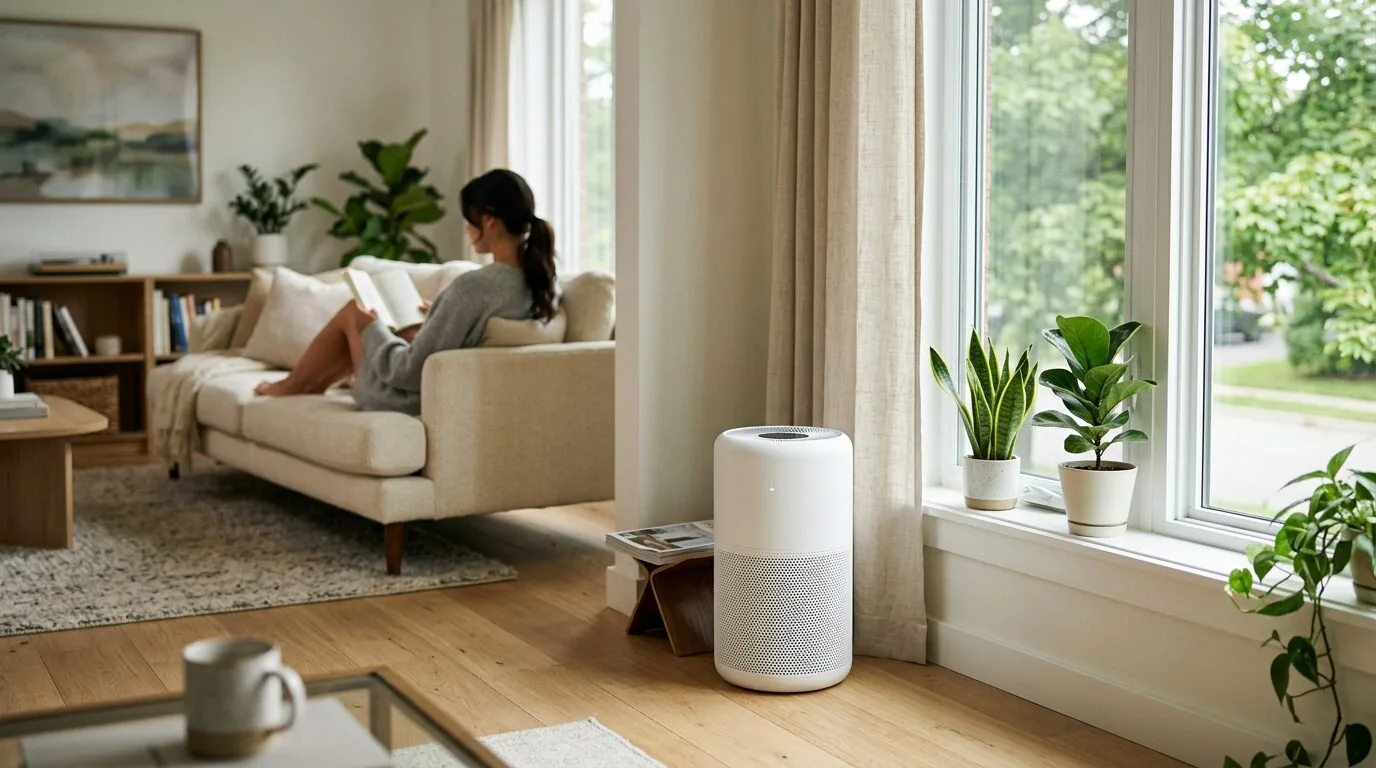
Using an air purifier daily helps reduce your exposure to common indoor pollutants like dust, pollen, pet dander, and volatile organic compounds (VOCs). By continuously filtering the air, these devices can significantly lower the concentration of irritants and allergens in your living space, supporting better respiratory health and comfort.
Many people are unaware of the constant, low-level exposure to pollutants within their own homes. This guide will explain the sources of everyday pollutants, how air purifiers work to mitigate them, and what to look for in a device designed for continuous, long-term use.
Understanding Everyday Pollutant Exposure
Your indoor air quality is affected by a variety of factors you encounter daily. These pollutants are often invisible and can persist in the air for hours or days, leading to a constant exposure cycle.
Common Sources of Indoor Pollutants
- Biological Allergens: Pet dander, dust mite waste, mold spores, and pollen enter on clothing and through open windows.
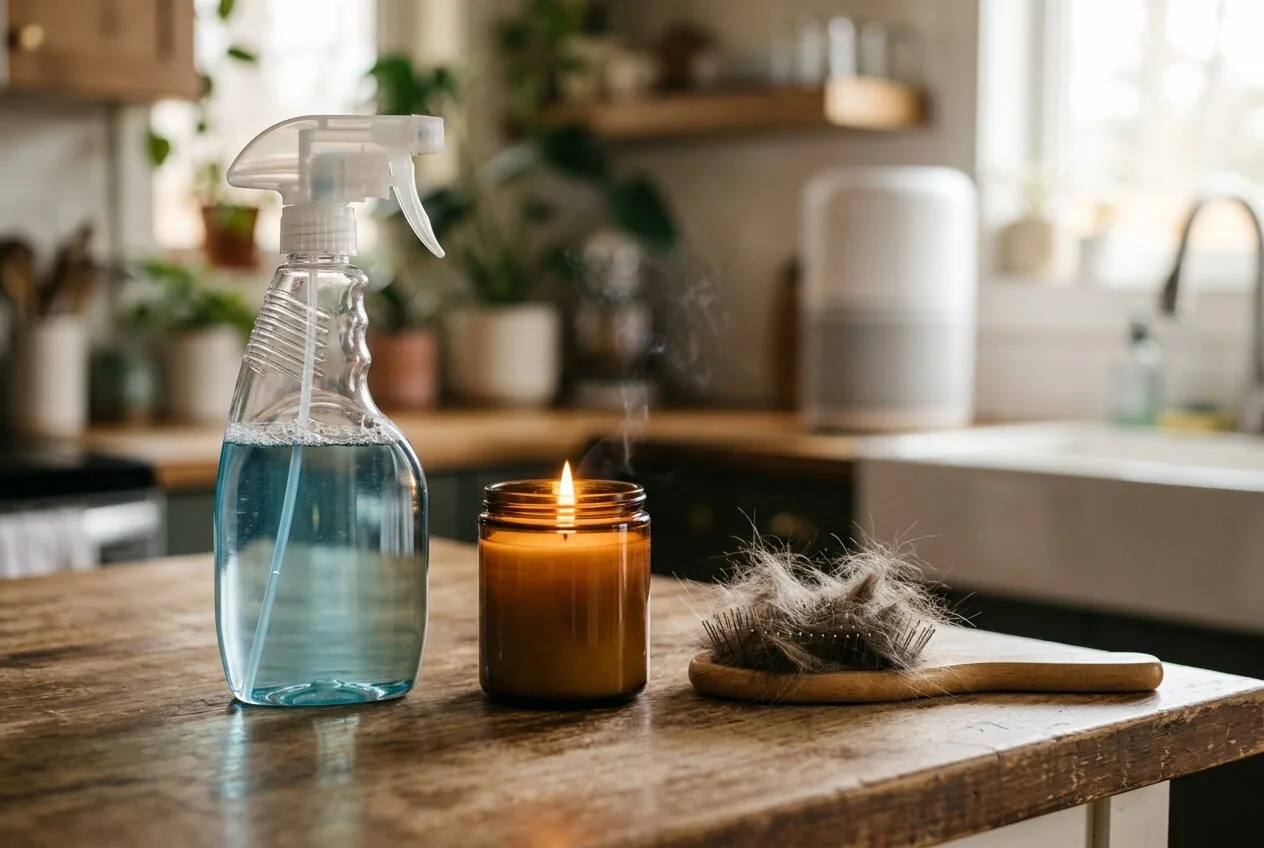
- Combustion Byproducts: Cooking fumes, especially from gas stoves, release fine particles and gases.
- Household Products: Cleaning sprays, air fresheners, and personal care products emit volatile organic compounds (VOCs).
- Outdoor Infiltration: Vehicle exhaust, industrial emissions, and wildfire smoke can seep indoors.
- Building Materials & Furnishings: Off-gassing from paints, carpets, and furniture can release formaldehyde and other chemicals over time.
The Impact of Chronic Low-Level Exposure
Unlike acute, high-level exposures, everyday pollution is subtle. It can manifest as persistent allergy symptoms, headaches, fatigue, or worsening of conditions like asthma. Over the long term, reducing this daily burden is a key aspect of a healthier indoor environment. For more on creating such spaces, see our article on how air purifiers support healthier living spaces.
How Air Purifiers Combat Daily Pollutants
Air purifiers are designed to work continuously, acting as a consistent line of defense. Their effectiveness depends on the right combination of filtration technology, airflow, and placement.
The Role of HEPA Filtration
A true HEPA (High-Efficiency Particulate Air) filter is the cornerstone for capturing everyday particles. It must meet a standard of trapping 99.97% of particles as small as 0.3 microns. This includes most dust, pollen, mold spores, and pet dander. For continuous use, look for a purifier with a fully sealed system, like the Dyson Purifier Cool Gen1 TP10, which ensures all air passes through the filter and no pollutants leak back into the room.
Addressing Gases and Odors
Since everyday exposure includes gases from cooking and cleaning, a HEPA filter alone isn’t enough. An activated carbon filter is essential. This porous material adsorbs gases, VOCs, and odors, trapping them within its structure. For comprehensive daily protection, a purifier should combine both HEPA and substantial carbon filtration.
Air Circulation and Room Size
An air purifier can only clean the air that reaches it. Effective models use powerful, yet often quiet, fans to pull air from across the room. Features like wide oscillation or Air Multiplier technology, as seen in Dyson models, help project purified air throughout the space, breaking up pollutant pockets and ensuring even coverage. This is crucial for managing pollutants released constantly from various points in a room.
Key Features for Everyday Use
When selecting an air purifier for daily pollutant management, certain features move from being conveniences to necessities.
Automatic Sensors and Smart Operation
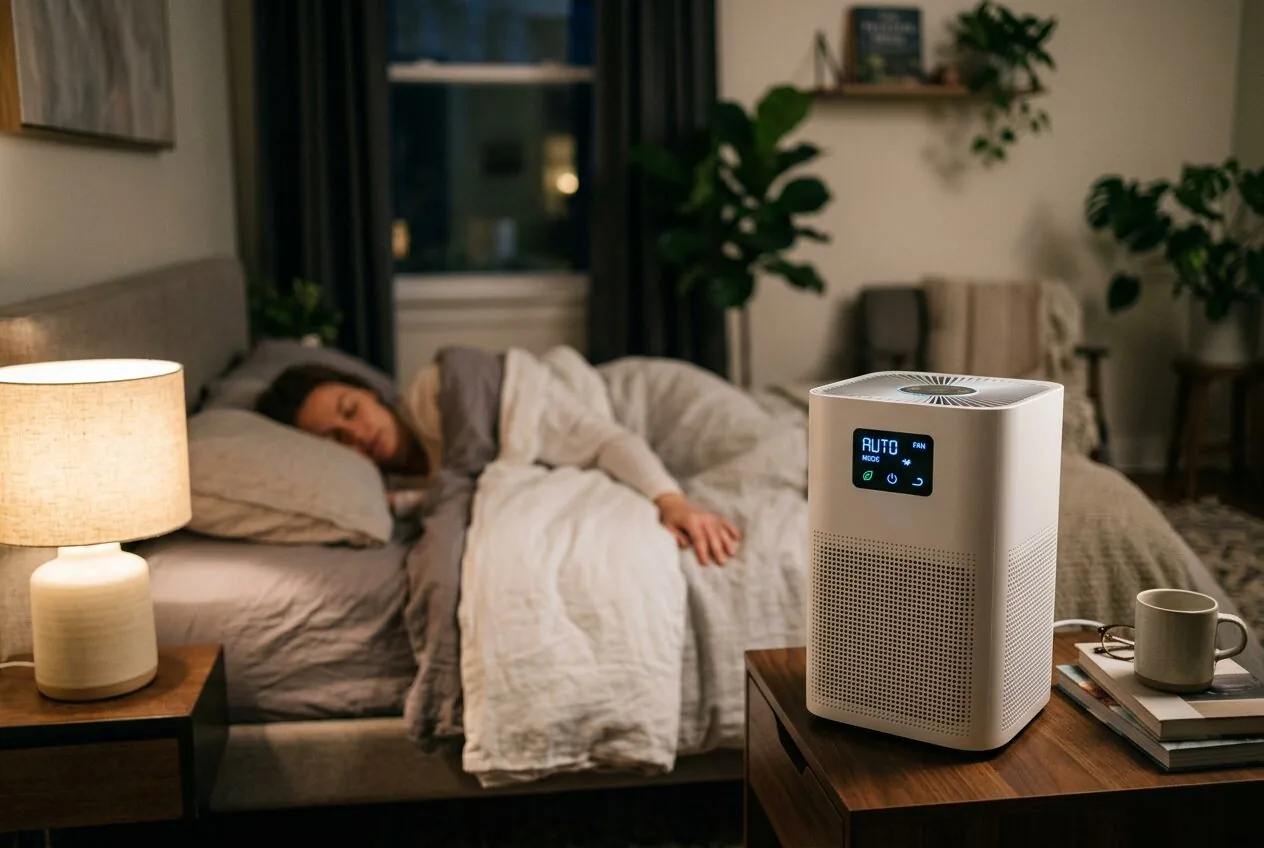
Devices with air quality sensors provide a significant advantage for daily use. They can detect sudden increases in particles or VOCs—from cooking, for example—and automatically increase the fan speed. Once the air is clean, they return to a quiet, energy-saving mode. This hands-off operation makes consistent protection effortless.
Quiet Operation for Continuous Running
Since the goal is to run the purifier 24/7, noise levels are critical. Look for a dedicated night or sleep mode that operates at whisper-quiet decibel levels while maintaining filtration. This allows the unit to run in bedrooms or living areas without disrupting sleep or conversation.
Filter Longevity and Maintenance Alerts
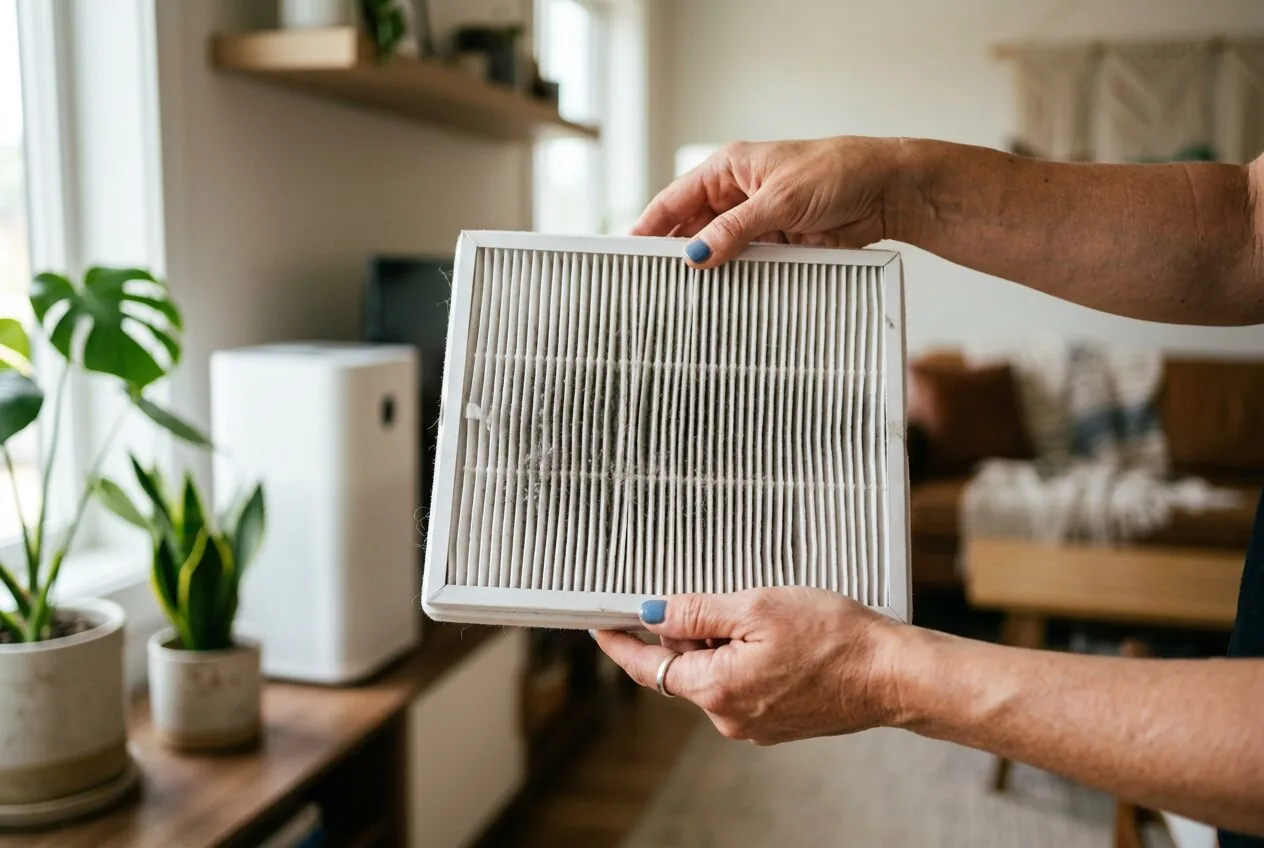
Daily use means filters will accumulate pollutants faster. Choose a model with a robust filter life and clear maintenance indicators. Some, like the Dyson Purifier Hot+Cool HP07 Air Purifier, Heater, provide notifications on a display or via an app, reminding you when it’s time for a replacement to ensure performance doesn’t drop. To understand different filter types, read our guide on air purifier filter types and functions.
Recommended Products
The following purifiers are well-suited for managing everyday pollutant exposure due to their combination of sealed HEPA filtration, carbon filters for gases, and features designed for continuous, automated operation.
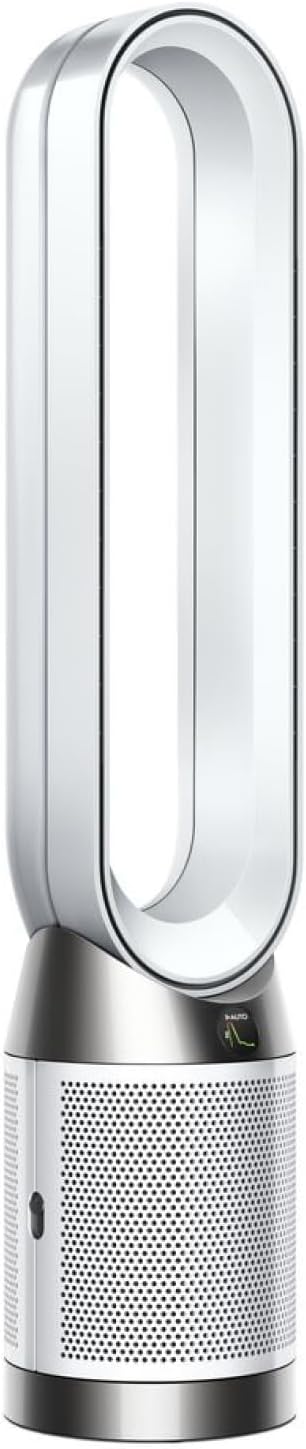

As an Amazon Associate we earn from qualifying purchases. Product prices and availability are accurate as of the date/time indicated.
Frequently Asked Questions
Do I need to run my air purifier all the time?
Yes, for the best protection against everyday pollutants, continuous operation is recommended. Pollutants are constantly being generated and reintroduced. Running the purifier on a low, quiet setting maintains a baseline of clean air and allows it to react quickly to any spikes in pollution.
Can an air purifier remove cooking smells and VOCs?
A purifier with a sufficient activated carbon filter can significantly reduce cooking odors and VOCs from household products. The carbon adsorbs the gaseous molecules. Placement is key—having the purifier in or near the kitchen helps capture these pollutants at the source.
Where is the best place to put an air purifier for daily use?
Place it in the room where you spend the most time, typically a bedroom or main living area. Keep it a few feet away from walls and furniture to allow for optimal air intake. Avoid corners or behind large objects that restrict airflow.
How often should I replace the filters with daily use?
Filter life depends on your air quality and usage. With 24/7 operation, HEPA filters may last 6 to 12 months, while carbon filters may need replacement more frequently, around every 3 to 6 months. Always follow the manufacturer’s guidelines and heed any automatic replacement indicators.
Are there any pollutants air purifiers canu0026#039;t remove?
Standard air purifiers with HEPA and carbon filters cannot remove carbon monoxide (CO) or radon gas. These require specialized detectors and mitigation systems. Purifiers also cannot remove viruses or bacteria with 100% certainty, though HEPA filters can capture many of them when they are attached to larger particles like respiratory droplets.
Final Thoughts
Managing everyday exposure to pollutants is about creating a consistent, clean air environment. An air purifier acts as a reliable workhorse in this effort, quietly filtering the air you breathe around the clock. The most effective approach combines a high-quality purifier with good household habits like regular vacuuming, using exhaust fans, and minimizing the use of harsh chemical cleaners.
By understanding the sources of daily pollutants and choosing a purifier with the right features for continuous operation, you can significantly reduce your overall exposure. This proactive step contributes to a healthier, more comfortable home where the air is not something you have to think about, but something you can simply breathe easily. For more guidance on selecting the right device, explore our full collection of Buying Guides.
About the author
Founder of AirPurifierGuides.com. Ethan has a background in environmental science and started this site after years spent researching, testing, and tearing down air filtration systems to give readers real-world answers about indoor air quality.