Why Indoor Air Can Be More Polluted Than Outdoor Air
Understand the surprising sources of indoor air pollution and how to manage them effectively for a healthier home environment.
 By Ethan Wright
Updated October 19, 2026
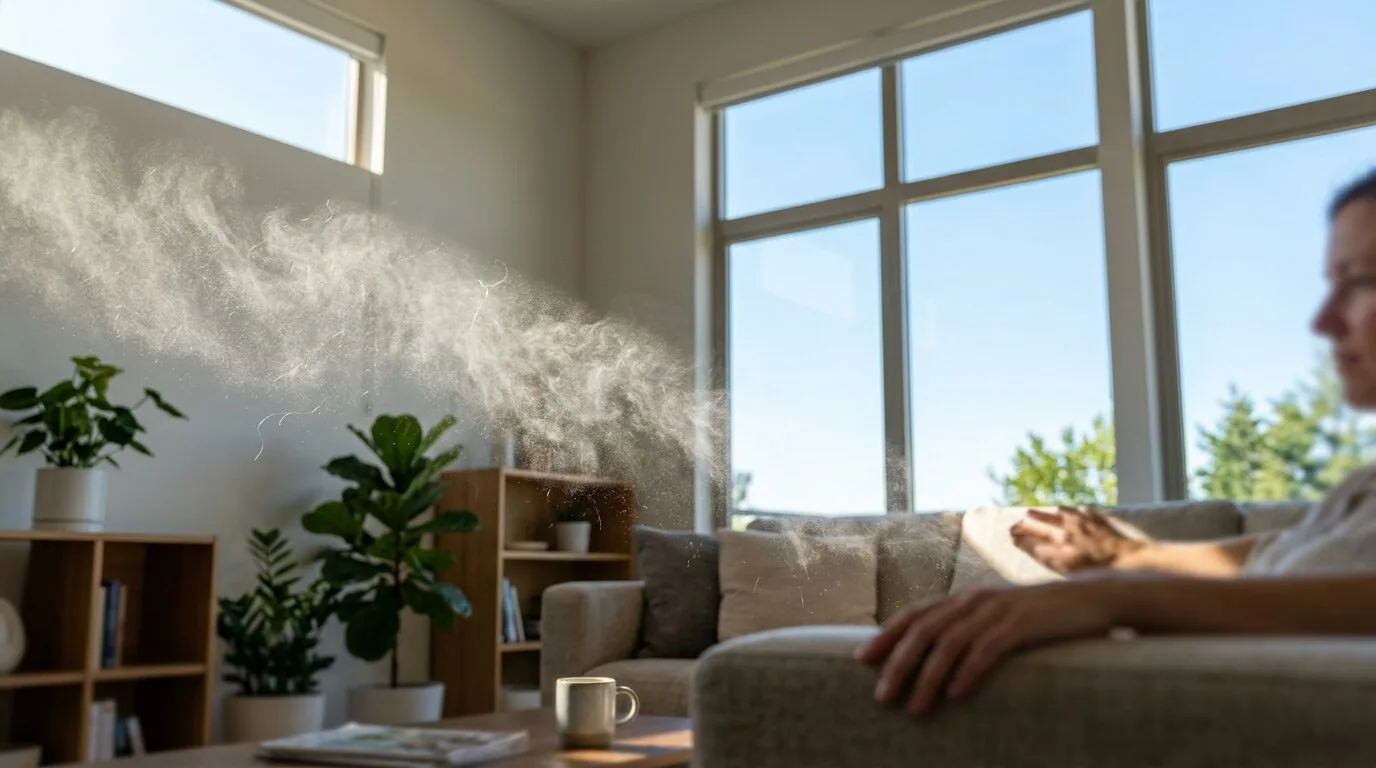
Many people are surprised to learn that the air inside our homes and offices can be significantly more polluted than the air outside, even in urban areas. The U.S. Environmental Protection Agency (EPA) has consistently ranked indoor air pollution among the top five environmental risks to public health. This is largely because modern buildings are tightly sealed for energy efficiency, trapping pollutants inside where they can concentrate to levels two to five times higher than outdoor levels. Understanding why this happens is the first step toward creating a cleaner, healthier indoor environment for you and your family.
In this article, we’ll explore the main culprits behind poor indoor air quality, from common household activities and materials to biological contaminants. You’ll learn how everyday items and habits contribute to the problem and get practical insights on how to mitigate these pollutants. We’ll also discuss why simply opening a window isn’t always a solution and how modern tools can help you regain control over the air you breathe indoors.
Concentrated Sources and Limited Ventilation
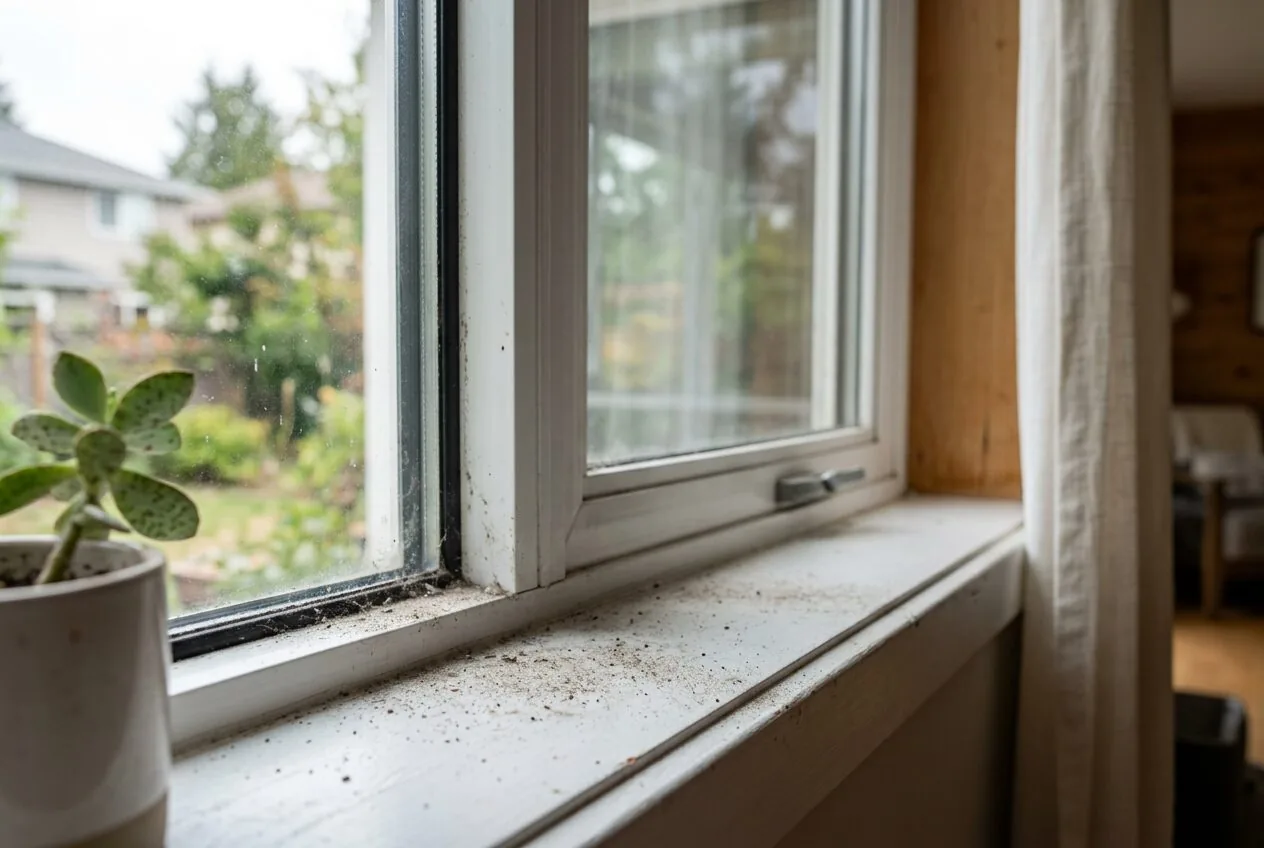
The fundamental reason indoor air can become more polluted is the combination of concentrated pollution sources and restricted airflow. Unlike the outdoors, where pollutants can disperse over vast areas, indoor spaces act as containers. Pollutants released inside have nowhere to go, leading to a buildup over time. Modern building codes emphasize energy efficiency, which often means creating an airtight envelope. While this saves on heating and cooling costs, it drastically reduces natural air exchange.
This limited ventilation means that volatile organic compounds (VOCs) from paints, cleaning supplies, and furnishings, particulate matter from cooking and candles, and allergens like pet dander and dust mites all accumulate. Without adequate mechanical ventilation—like that provided by a good range hood or a whole-house system—these pollutants simply recirculate. You can learn more about common airborne particles and their effects on our guide.
Everyday Activities as Pollution Sources
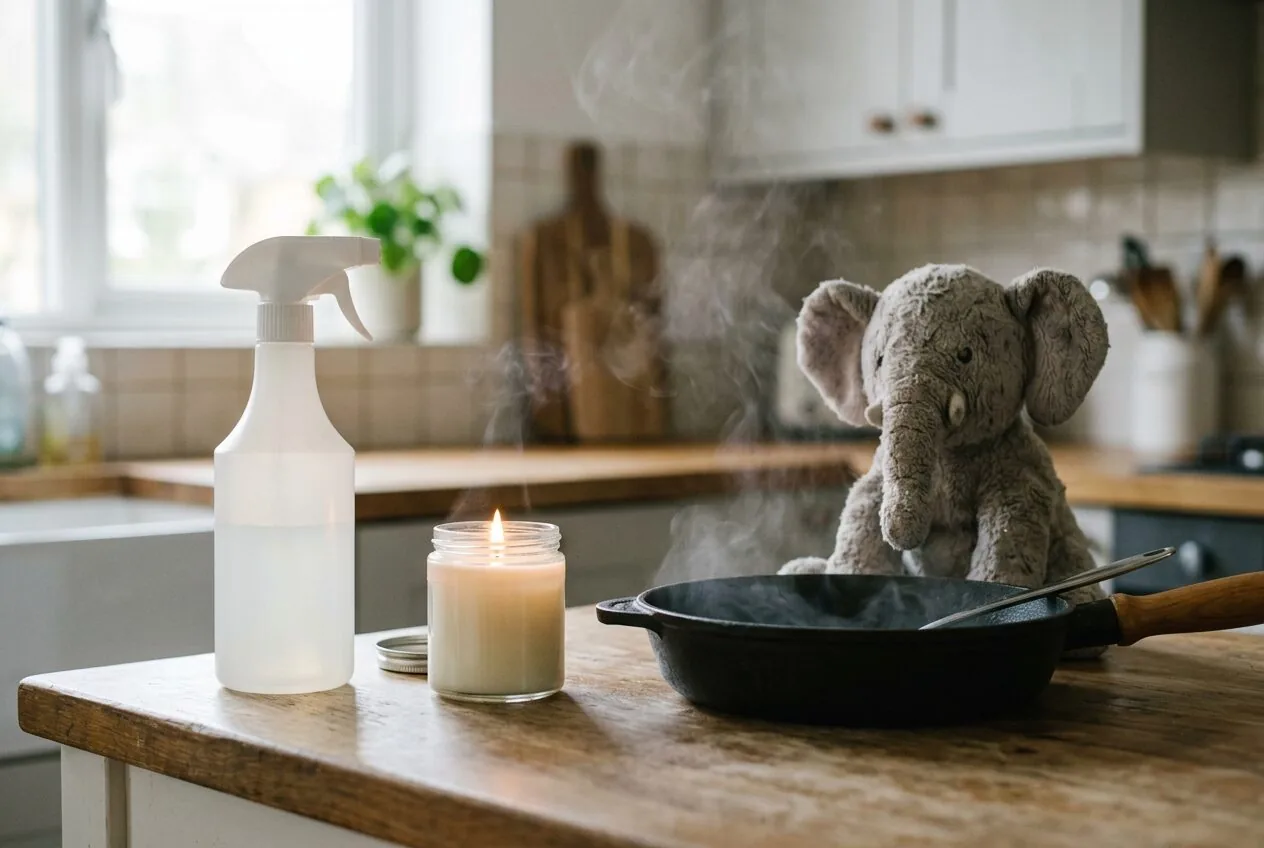
Many activities we consider normal parts of home life are significant sources of indoor air pollution. Cooking, especially frying or grilling, releases fine particulate matter and gases. Burning candles or incense introduces soot and VOCs. Even cleaning with conventional sprays can leave behind a cocktail of chemical residues. These activities happen in a confined space, and their byproducts linger long after the activity has stopped, contributing to the overall pollutant load.
Common Indoor Pollutants You Can’t See
While outdoor pollution often brings to mind smog and car exhaust, indoor pollutants are frequently more subtle and diverse. They fall into several key categories, each with distinct sources and health implications.
Chemical Pollutants (VOCs)
Volatile Organic Compounds are gases emitted from a wide array of products. Common sources include:
- Building materials like plywood, carpeting, and insulation.
- Household products such as air fresheners, aerosol sprays, and disinfectants.
- Furnishings, including new furniture, upholstery, and curtains.
- Hobbies involving adhesives, paints, or solvents.
These chemicals can cause short-term effects like headaches and dizziness, and long-term exposure is linked to more serious health concerns. For those with sensitive lungs, managing VOC levels is particularly important.
Biological Contaminants
This category includes living organisms or their byproducts. Mold spores thrive in damp areas like bathrooms and basements. Dust mites live in bedding, upholstery, and carpets. Pet dander is a potent allergen for many people. Pollen can be tracked indoors from outside. Bacteria and viruses can also be transmitted through the air. Unlike outdoor allergens that are seasonal, these indoor biological contaminants are often present year-round. Our article on allergies and air purifiers offers further insights.
Combustion Byproducts and Particulate Matter
Any fuel-burning appliance can be a source if not properly vented. This includes gas stoves, fireplaces, furnaces, and space heaters. They can release carbon monoxide, nitrogen dioxide, and fine particulate matter (PM2.5). Particulate matter also comes from smoking indoors, burning candles, and even toasting bread. These tiny particles can penetrate deep into the lungs and enter the bloodstream.
Why Outdoor Air Isn’t Always the Solution
It might seem logical that opening windows would solve indoor air quality problems. While ventilation is crucial, it’s not always a simple fix. Bringing in outdoor air can introduce its own set of pollutants, such as pollen, vehicle exhaust, or industrial emissions, depending on your location and the time of year. Furthermore, during extreme weather—very hot, cold, or humid—opening windows is impractical and counterproductive for comfort and energy use.
This creates a dilemma: seal up the house and trap indoor pollutants, or open up and let in outdoor pollutants. The most effective strategy is controlled ventilation—using filtered intake systems or energy recovery ventilators (ERVs) that bring in fresh air while filtering out outdoor pollutants. For more on managing specific pollutants, see our guide on removing fine particulate matter.
Practical Strategies for Cleaner Indoor Air
Improving indoor air doesn’t require drastic measures. A combination of source control, ventilation, and cleaning can make a substantial difference.
Source Control: The First Line of Defense
The most effective way to improve air quality is to prevent pollutants from entering the air in the first place. Choose low-VOC or VOC-free paints, adhesives, and cleaning products. Maintain fuel-burning appliances and ensure they are properly vented to the outside. Address moisture issues promptly to prevent mold growth. For strong odors that are difficult to eliminate at the source, consider using a passive absorber like the Sunlight® Activated Charcoal Odor Absorber. These packs can help neutralize odors in closets, cars, or other enclosed spaces without electricity.
Enhanced Ventilation
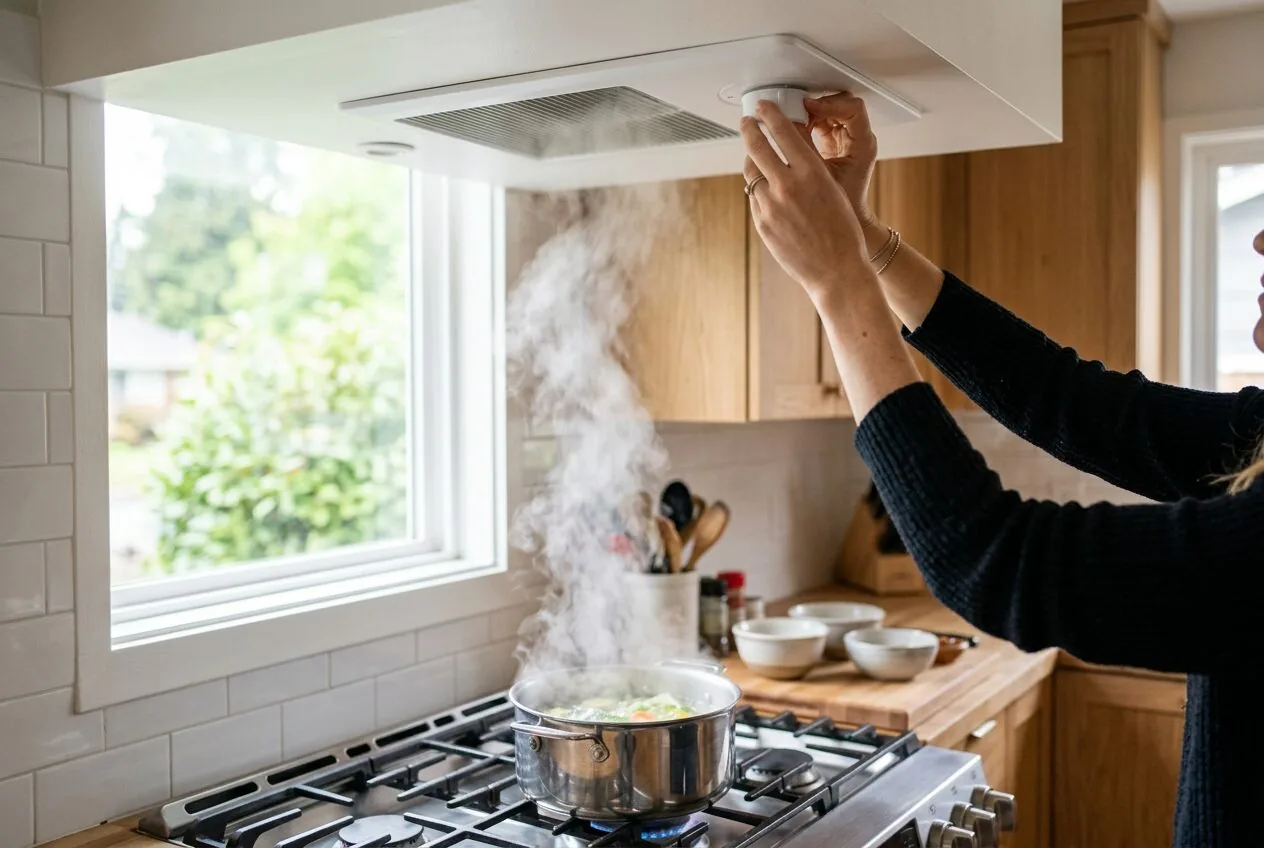
Use exhaust fans in bathrooms and kitchens, and run them during and for 20 minutes after showers or cooking. When weather permits, cross-ventilate by opening windows on opposite sides of the house to create a breeze. For a more advanced solution, consider installing a heat recovery ventilator (HRV) or energy recovery ventilator (ERV) to bring in fresh, filtered air without losing heating or cooling energy.
Regular Cleaning and Filtration
Vacuum regularly with a HEPA-filter-equipped vacuum to remove settled dust, dander, and allergens from carpets and upholstery. Wash bedding in hot water weekly to reduce dust mites. Use a dehumidifier in damp areas to keep humidity between 30-50% to inhibit mold and mite growth. For comprehensive indoor air quality tips for allergy sufferers, we have a dedicated guide.
Recommended Products
While addressing the source of pollution is paramount, air purifiers can be highly effective tools for removing pollutants that are already in the air or are difficult to eliminate completely. They are especially useful for capturing fine particles, allergens, and some gaseous pollutants. For general use in living areas or bedrooms, a model like the GermGuardian HEPA Indoor Large Room Air Purifier offers multi-stage filtration including HEPA and carbon filters. For larger spaces or situations requiring exceptionally high filtration, the IQAir Atem X Air Purifier HyperHEPA WiFi for Large rooms provides powerful, connected performance.


As an Amazon Associate we earn from qualifying purchases. Product prices and availability are accurate as of the date/time indicated.
Frequently Asked Questions
Can houseplants really clean the air?
While some houseplants can absorb certain VOCs, their effect is minimal compared to the volume of air in a home. You would need an impractical number of plants to meaningfully impact air quality. They are best viewed as a complementary addition, not a primary solution for air purification.
Does airing out a new mattress or furniture help?
Yes, it can help. Off-gassing of VOCs from new products is often most intense in the first few days or weeks. Placing new items in a well-ventilated room (like a garage with the door open) for a few days before bringing them into your main living space can reduce the initial chemical load introduced indoors.
How often should I replace my HVAC filter?
Check your manufacturer’s recommendation, but a general rule is every 90 days. If you have pets, allergies, or live in a dusty area, consider changing it every 30-60 days. Using a higher MERV-rated filter (like MERV 11 or 13) can capture more particles, but ensure it doesn’t restrict airflow too much for your system.
Are air fresheners bad for indoor air quality?
Many commercial air fresheners, especially sprays and plug-ins, work by masking odors with synthetic fragrances or by numbing your sense of smell. They often release VOCs and other irritants. For a healthier alternative, focus on removing the source of the odor, improving ventilation, or using natural options like baking soda or essential oil diffusers (used sparingly).
Can cooking methods affect indoor air pollution?
Absolutely. Frying, grilling, and broiling produce more fine particles and gases than boiling, steaming, or simmering. Always use your range hood on the highest setting that is tolerable for noise, and ensure it vents to the outdoors, not just recirculates through a charcoal filter.
Final Thoughts
The fact that indoor air can be more polluted than outdoor air is a hidden challenge of modern living, but it’s not an unsolvable one. By becoming aware of the common sources—from our household products and activities to the very materials our homes are made of—we can take proactive steps. Prioritizing source control, ensuring proper ventilation, and using air cleaning technologies where appropriate can dramatically reduce your exposure.
Remember, creating healthy indoor air is a continuous process, not a one-time task. Regular cleaning, mindful product choices, and maintenance of your home’s systems all contribute to a fresher, cleaner environment. For further reading on specific pollutants, you can explore our article on removing paint fumes or browse more insights in our blog section. Taking these steps empowers you to breathe easier and create a healthier sanctuary in your own home.
About the author
Founder of AirPurifierGuides.com. Ethan has a background in environmental science and started this site after years spent researching, testing, and tearing down air filtration systems to give readers real-world answers about indoor air quality.