Air Purifiers and Environmental Allergens: A Complete Guide
Learn how air purifiers capture common allergens like pollen, dust, and pet dander, and how to choose the right features for relief in your home.
 By Ethan Wright
Updated October 16, 2026
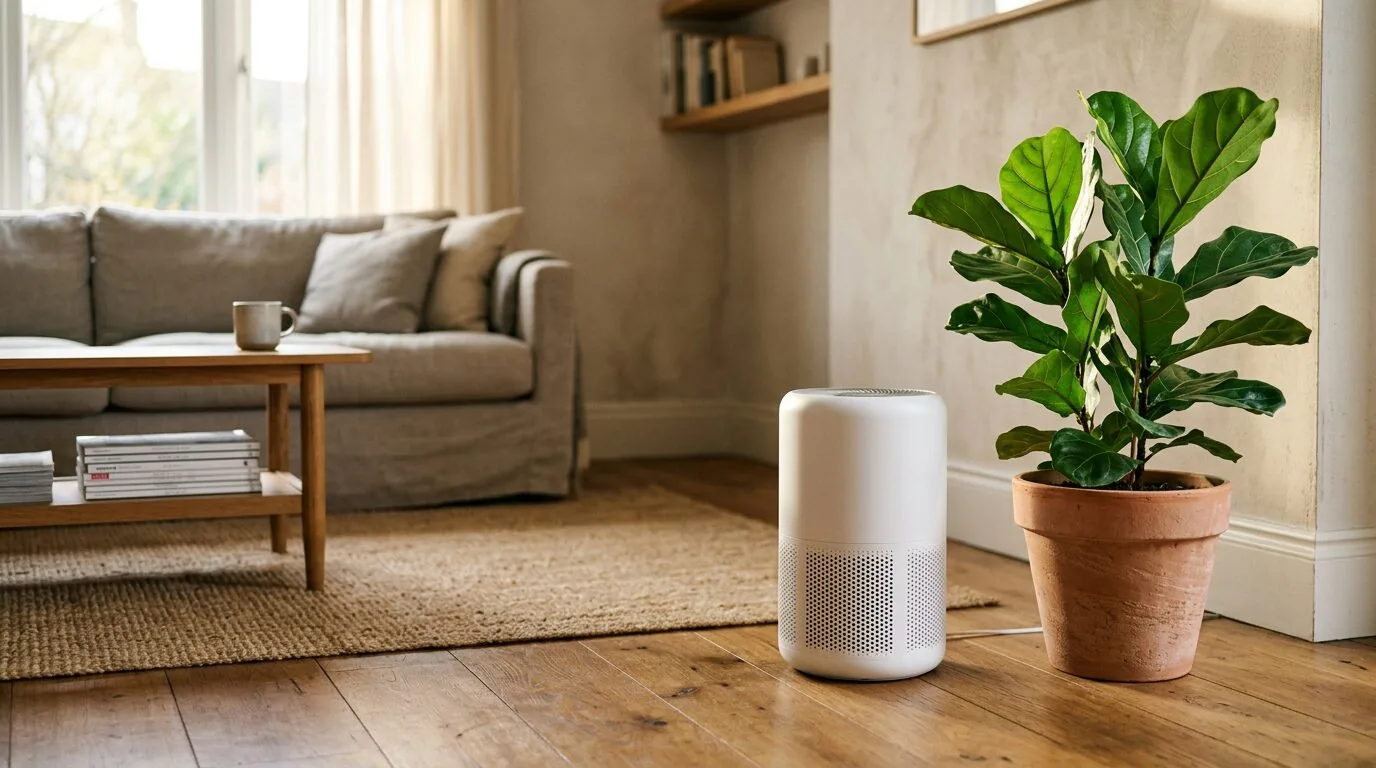
Air purifiers can be effective tools for reducing common environmental allergens like pollen, dust mites, pet dander, and mold spores indoors. By using HEPA filters and other technologies, they capture these airborne particles, potentially providing relief from allergy symptoms for many people.
If you suffer from seasonal allergies or year-round sensitivities, you know how disruptive they can be. This guide explains how air purifiers work against environmental allergens, what features to look for, and how to integrate one into a comprehensive allergy management plan for your home.
How Air Purifiers Capture Common Allergens
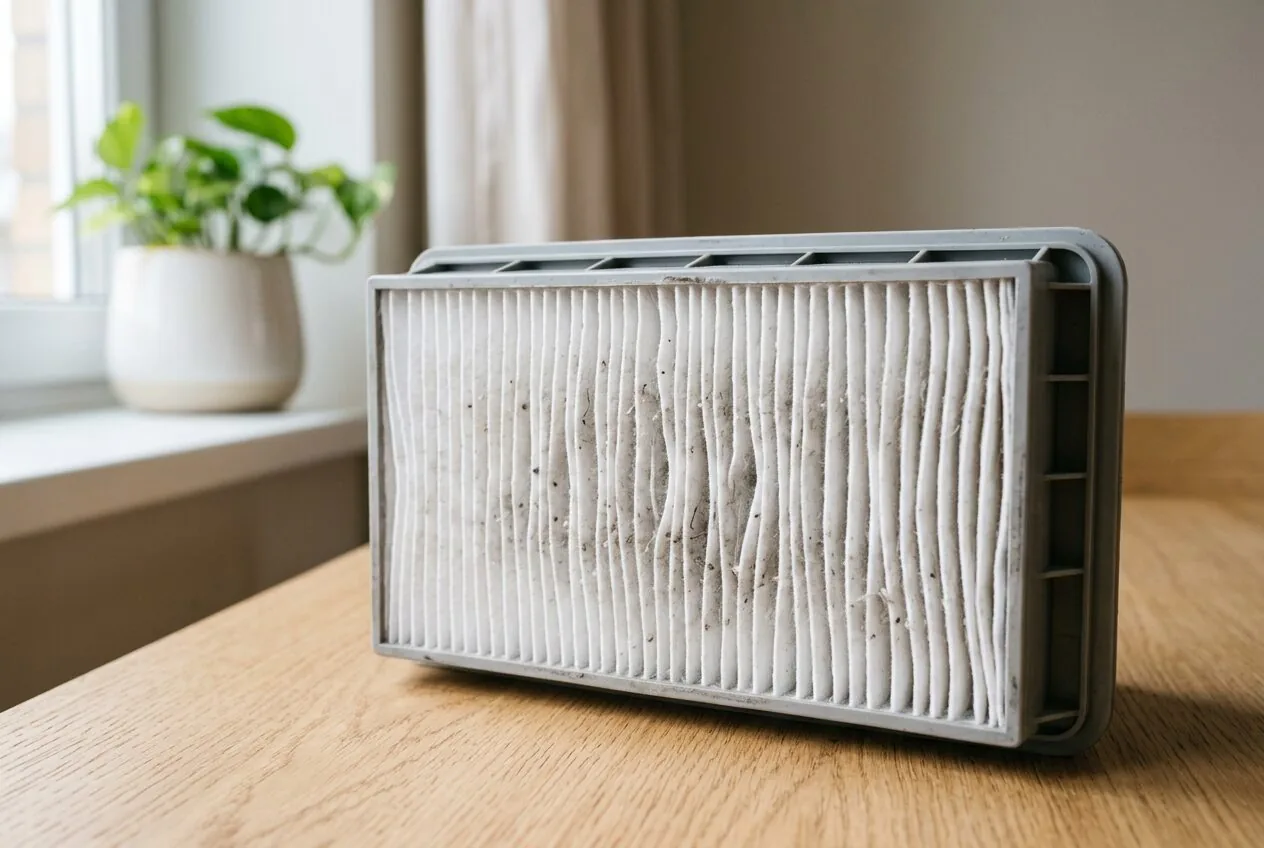
The primary defense against allergens in most air purifiers is the HEPA filter. True HEPA filters are tested to capture 99.97% of particles as small as 0.3 microns. This size range includes most common environmental allergens, making them highly effective for this purpose.
Targeted Allergens and Filtration
Different allergens require different approaches. Pollen grains are relatively large and are easily trapped by HEPA filtration. Dust mite allergens, which are actually proteins in their waste, are smaller but still within the capture range of a good HEPA filter. Pet dander particles vary in size but are effectively removed. Mold spores are also captured, though addressing the source of moisture is crucial for long-term control.
For odors often associated with allergens or pets, many purifiers include an activated carbon filter. This layer adsorbs gaseous pollutants and volatile organic compounds (VOCs), complementing the particle capture of the HEPA filter. You can learn more about different filter types in our guide on air purifier filter types and functions.
The Role of Air Changes Per Hour (ACH)
Filtration technology is only half the battle. An air purifier must also move enough air through its filters to clean the room effectively. This is measured by Air Changes Per Hour (ACH). For allergen reduction, a higher ACH is better, as it means the device cycles the room’s air more frequently, capturing particles faster.
Key Features for Allergy Sufferers
Not all air purifiers are equally suited for allergy relief. When shopping, prioritize these features to ensure you get a device that meets your specific needs.
True HEPA Filtration
Always look for “True HEPA” or “HEPA-type” filters that meet the standard. Some models use “HEPA-like” filters which may not be as effective. A true HEPA filter is the non-negotiable foundation for an allergy-focused air purifier.
Appropriate Room Size and CADR
The Clean Air Delivery Rate (CADR) indicates how quickly a purifier can deliver clean air for smoke, dust, and pollen. Match the purifier’s recommended room size to your space, and consider a unit with a slightly higher capacity for better performance. A purifier that is too small will be ineffective.
Quiet Operation and Smart Features
Since you’ll likely run the purifier continuously, especially in bedrooms, low noise levels on medium or sleep settings are essential. Features like auto mode, which adjusts fan speed based on detected air quality, can help maintain clean air efficiently without constant manual adjustment.
Limitations and Complementary Strategies
An air purifier is a powerful tool, but it’s not a magic cure. It works best as part of a multi-pronged approach to managing indoor allergens.
What Air Purifiers Can’t Do
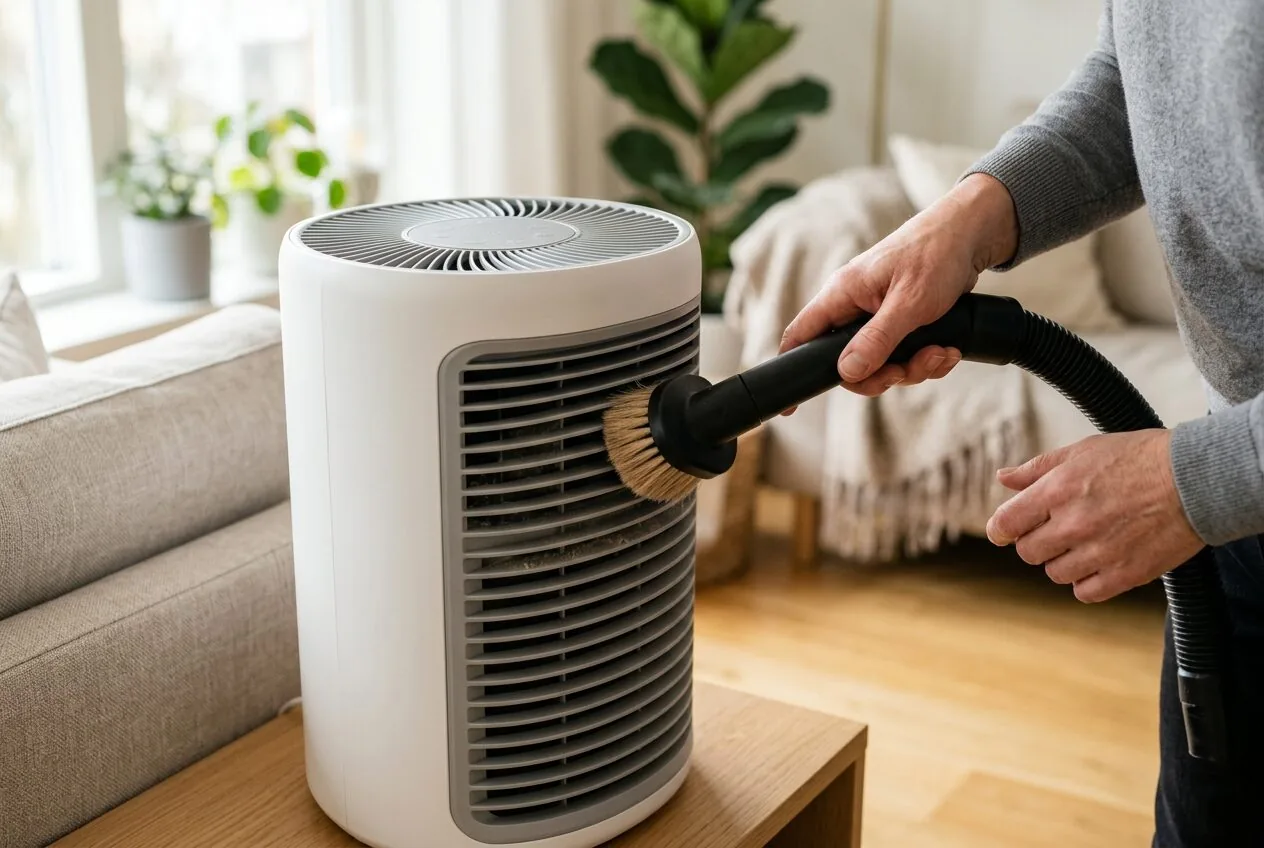
Air purifiers primarily address airborne particles. They cannot remove allergens that have already settled on surfaces like carpets, bedding, or upholstery. Regular cleaning, vacuuming with a HEPA-filtered vacuum, and washing bedding in hot water are still critical. They also cannot treat the root cause of mold allergies without fixing leaks or humidity problems first.
Creating an Allergen-Reduced Environment
For best results, use your air purifier in conjunction with other practices. Keep windows closed during high pollen seasons. Use allergen-proof covers on mattresses and pillows. Maintain low indoor humidity (30-50%) to discourage dust mites and mold. Place the purifier in the room where you spend the most time, like a bedroom, and let it run consistently rather than in short bursts.
Understanding how your living space impacts your health is key. Our article on how air purifiers support healthier living spaces explores this relationship further.
Recommended Products
The right air purifier can make a noticeable difference in your indoor air quality. Here are a few options that incorporate features beneficial for managing environmental allergens, from dedicated purifiers to convenient multi-function devices.


As an Amazon Associate we earn from qualifying purchases. Product prices and availability are accurate as of the date/time indicated.
For Dyson air purifier owners looking to maintain peak performance, regular filter replacement is essential. The 360° Combi Glass Hepa + Carbon Filter for Dyson is a compatible replacement that combines both filtration stages. For those seeking a powerful, dedicated air purifier with robust filtration for larger rooms, the AIRDOCTOR AD3500 Air Purifier is designed to handle a high volume of airborne particles. If you need a versatile appliance that combines air purification with climate control, the Hiluce 3-in-1 Bladeless Fan with Air offers HEPA filtration alongside heating and cooling functions in one unit.
Frequently Asked Questions
Do air purifiers help with seasonal allergies?
Yes, they can help significantly. By removing pollen and other outdoor allergens that enter your home, air purifiers reduce your overall exposure. Keeping windows closed and running a HEPA air purifier in your bedroom can create a cleaner sanctuary during high pollen seasons, potentially reducing nighttime and morning symptoms.
How long does it take for an air purifier to reduce allergens?
You may notice a difference in air quality within hours, but for a sustained reduction in settled allergens and symptom relief, it typically takes several days of continuous operation. The speed depends on the purifier’s CADR, the room size, and the initial allergen load. Consistency is more important than running it at maximum speed intermittently.
Where is the best place to put an air purifier for allergies?
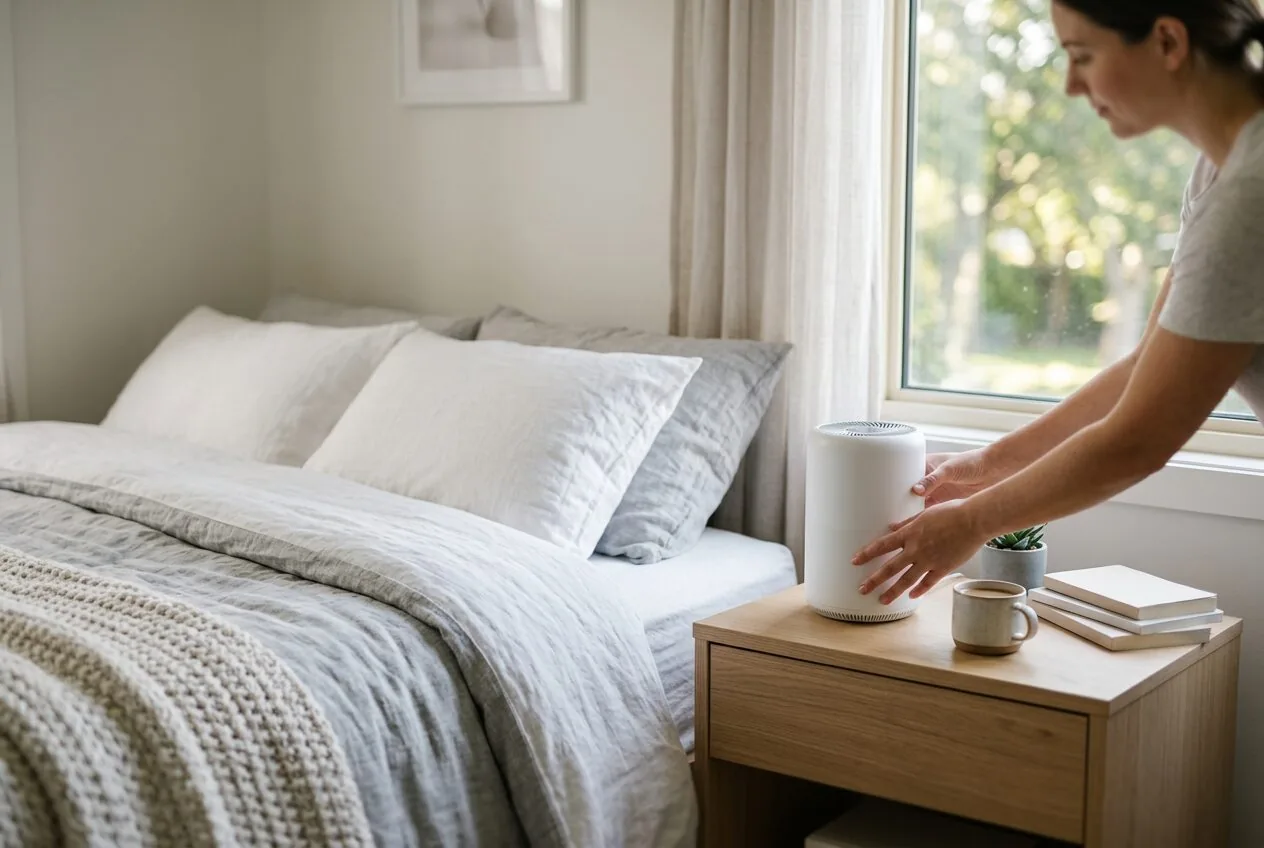
The bedroom is often the most effective location, as you spend many consecutive hours there. Place it near your bed but ensure there are a few feet of clearance on all sides for optimal air intake. Living rooms or home offices where you spend considerable time are also good choices. Avoid placing it in corners or directly behind furniture.
Do I need a purifier with an ionizer or UV-C light for allergies?
For most people, a high-quality HEPA filter is sufficient. Ionizers can produce ozone, a lung irritant that may worsen symptoms for some allergy and asthma sufferers. UV-C lights are designed to kill microorganisms like viruses and mold spores but are less effective against non-living allergens like pollen and dander. A good HEPA and carbon filter combination is the proven, safe choice for allergen removal.
How often should I replace the filters in my air purifier?
Follow the manufacturer’s recommendations, which typically range from 6 to 12 months for HEPA filters and 3 to 6 months for carbon pre-filters. In homes with pets or high allergen levels, you may need to replace them more frequently. Most modern purifiers have filter change indicators. A clogged filter reduces efficiency and forces the motor to work harder.
Final Thoughts
Air purifiers are a valuable component of managing environmental allergies indoors. By understanding how they work—primarily through HEPA filtration—you can set realistic expectations. They excel at removing the airborne particles that trigger symptoms but work best alongside good cleaning habits and source control.
When choosing a model, prioritize True HEPA filtration, appropriate room size coverage, and quiet operation. Remember that consistency is key; running a properly sized purifier continuously in your main living spaces can help create a cleaner, more comfortable indoor environment, making your home a true refuge from outdoor allergens.
About the author
Founder of AirPurifierGuides.com. Ethan has a background in environmental science and started this site after years spent researching, testing, and tearing down air filtration systems to give readers real-world answers about indoor air quality.