How Air Purifiers Help Reduce Airborne Irritants: A Complete Guide
Learn how air purifiers use filtration technology to remove dust, pollen, pet dander, and other irritants from your indoor air, creating a cleaner and healthier breathing environment.
 By Sarah Jenkins
Updated October 17, 2026
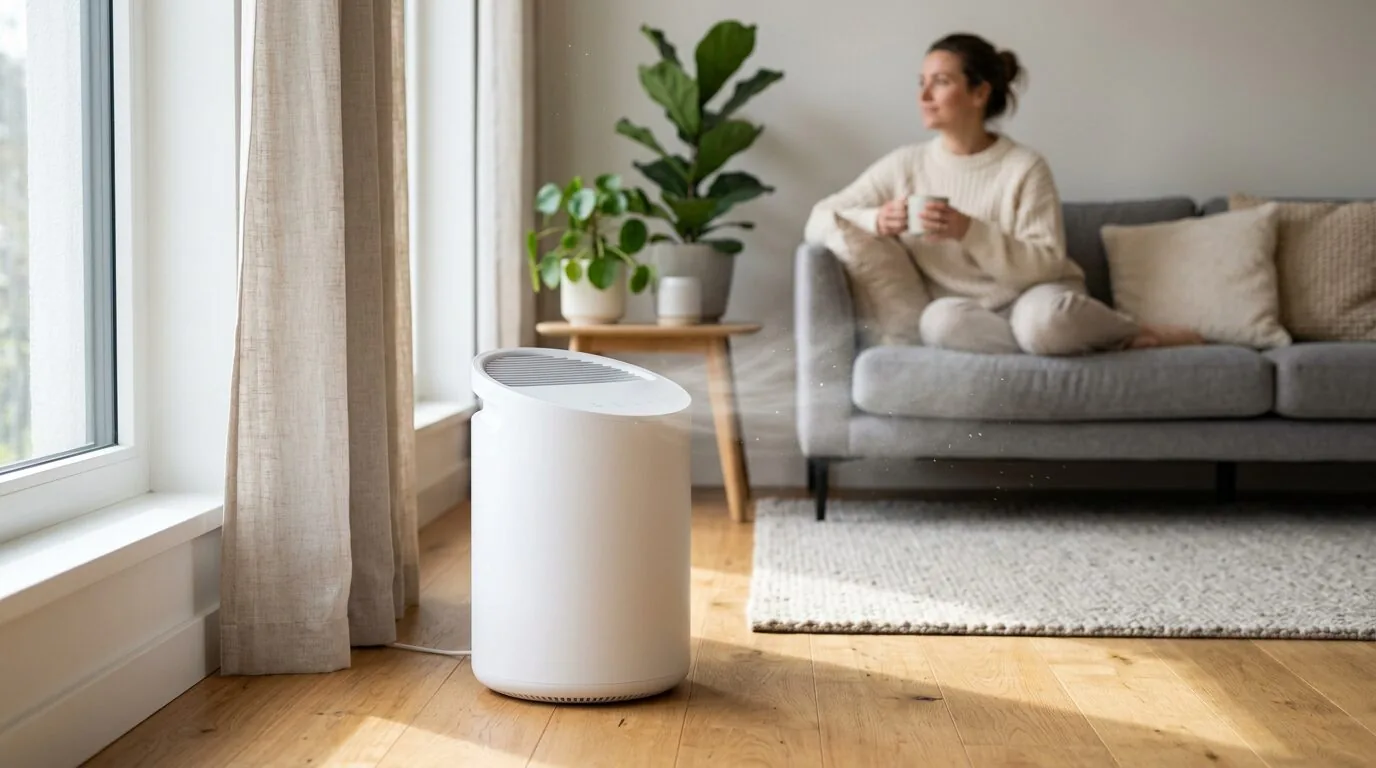
Air purifiers reduce airborne irritants by actively pulling indoor air through a series of filters that trap microscopic particles. A True HEPA filter is the core component, capturing 99.97% of particles as small as 0.3 microns, including dust, pollen, mold spores, and pet dander. Activated carbon layers help adsorb gaseous pollutants and odors, while pre-filters catch larger debris to extend the life of the main filter.
If you suffer from allergies, asthma, or simply want cleaner air in your home, you’ve likely considered an air purifier. These devices are marketed as solutions for everything from seasonal sniffles to persistent pet odors. But how do they actually work to clear the air we breathe? This guide breaks down the science of air purification, explaining the specific mechanisms that capture common irritants and what you can realistically expect from using one in your space.
How Air Purifiers Capture Different Types of Irritants
Not all airborne irritants are the same, and neither are the methods for removing them. Effective air purifiers use a multi-stage approach, with each filter layer designed to target specific pollutants. Understanding this process shows why a simple fan with a mesh screen isn’t enough and highlights the importance of a proper filtration system.
The Filtration Process: A Multi-Layer Defense
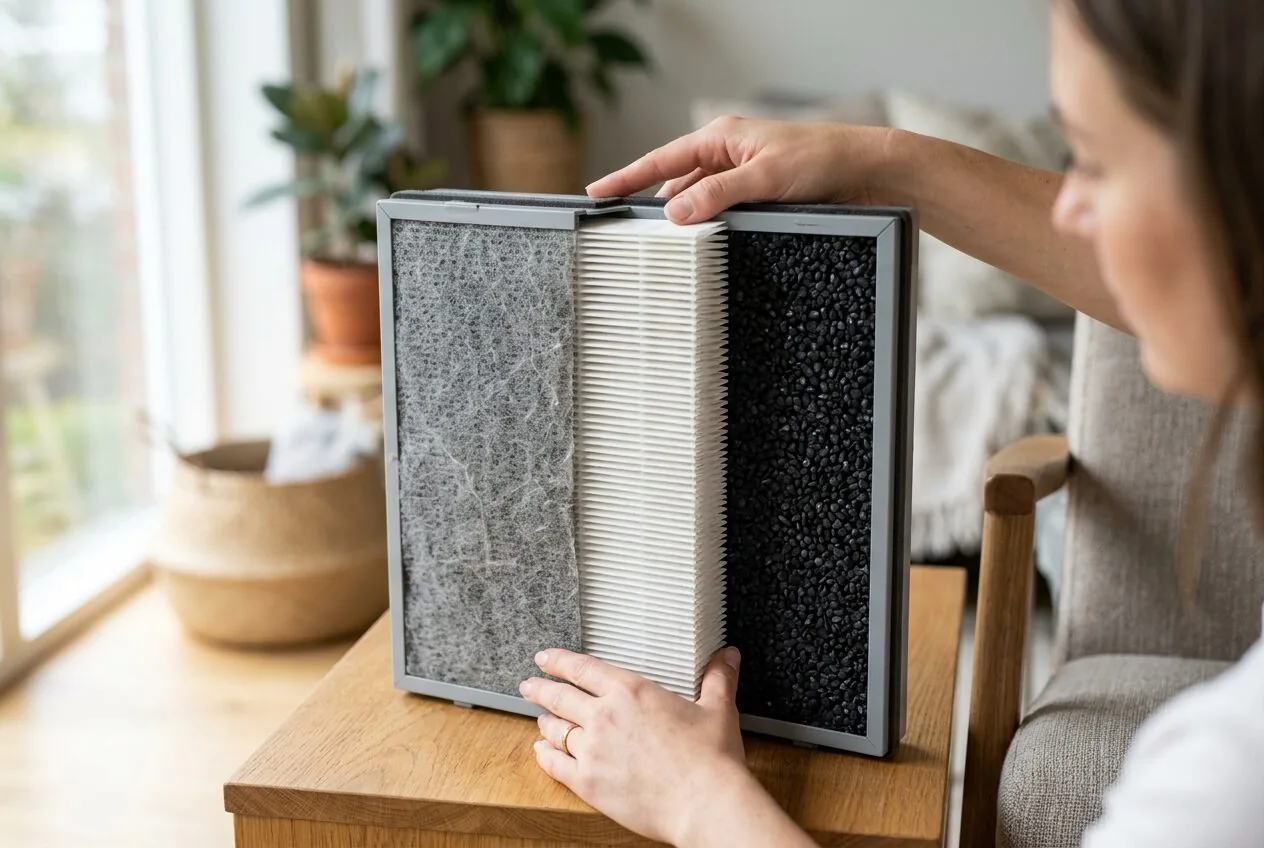
The most common and effective air purifiers use a mechanical filtration system. Here’s how the typical stages work in sequence to clean your air:
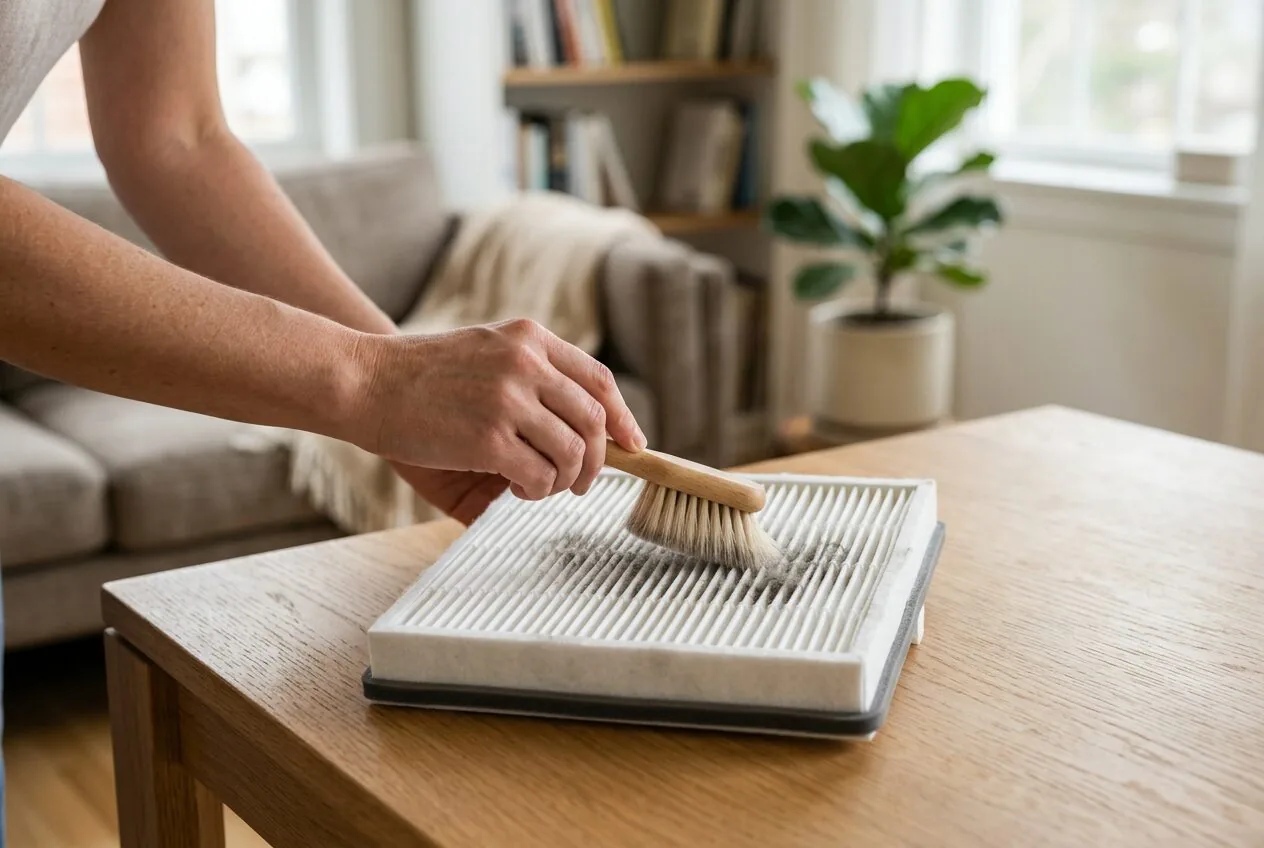
- Pre-Filter: This is the first line of defense, usually a coarse mesh that captures large particles like hair, lint, and visible dust. Its primary job is to protect the more delicate and expensive HEPA filter from clogging too quickly.
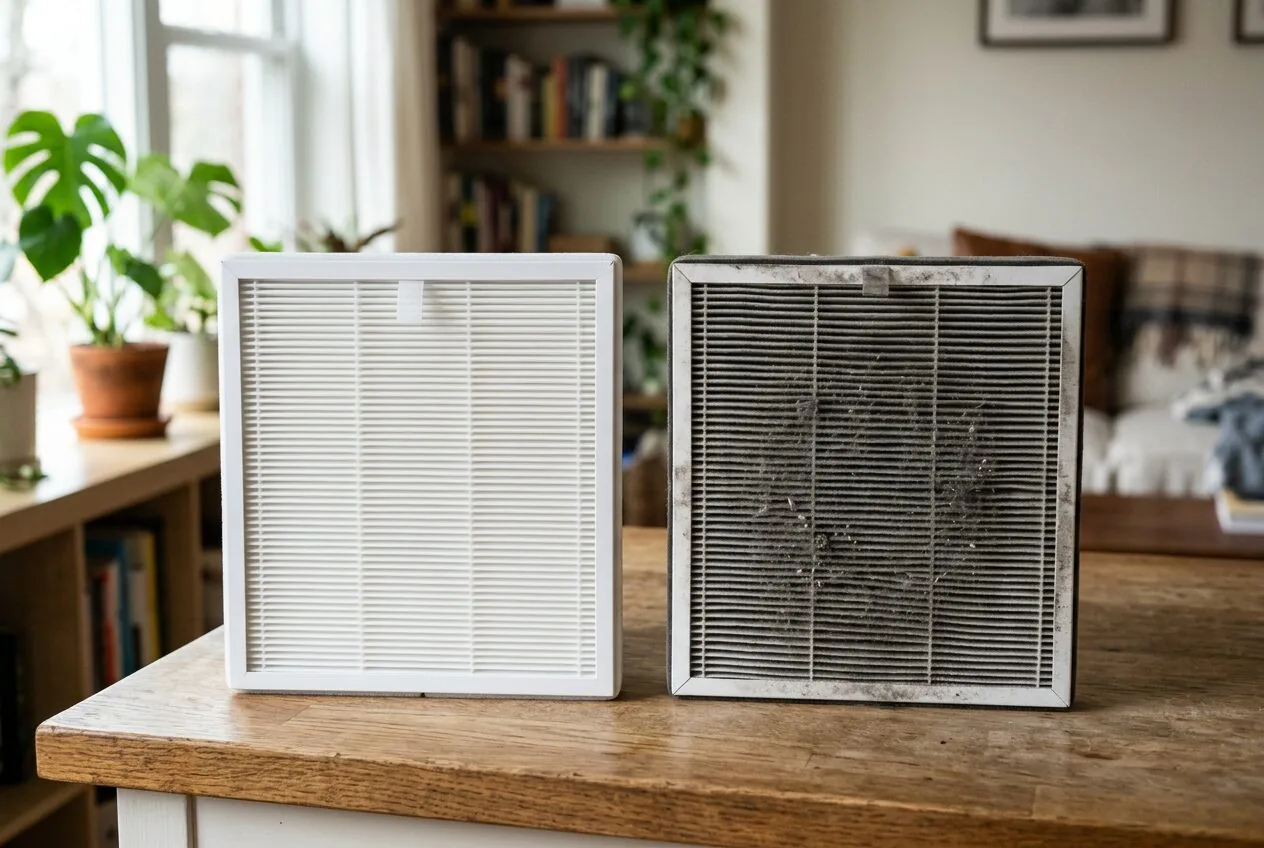
- True HEPA Filter: The heart of the system. HEPA stands for High-Efficiency Particulate Air. A True HEPA filter is a dense, pleated mat of fine fibers that traps at least 99.97% of particles measuring 0.3 microns in diameter. This size is the most penetrating particle size (MPPS), meaning it’s hardest to catch, so efficiency is often even higher for larger or smaller particles.
- Activated Carbon Filter: This layer consists of porous carbon that adsorbs (sticks to the surface of) gases, odors, and volatile organic compounds (VOCs). It’s effective against cooking smells, tobacco smoke, and chemical fumes from household cleaners.
Targeting Specific Airborne Irritants
Different irritants require different capture methods. A well-designed air purifier addresses a spectrum of common indoor pollutants.
| Irritant Type | Typical Size | How It’s Captured | Notes |
|---|---|---|---|
| Dust & Dust Mite Allergens | 1 – 100 microns | Pre-filter and HEPA filter | Dust mite feces, a major allergen, are around 10-20 microns and are easily trapped by HEPA. |
| Pollen | 10 – 100 microns | Pre-filter and HEPA filter | Large and sticky, pollen is one of the easiest particulates for a purifier to remove. |
| Pet Dander | 0.5 – 10 microns | HEPA filter | Lightweight and can stay airborne for hours; HEPA filtration is highly effective. |
| Mold Spores | 3 – 100 microns | HEPA filter | Removing spores from the air can help prevent new mold growth on surfaces. |
| Tobacco & Wildfire Smoke | 0.01 – 1 micron (particles) | HEPA filter (particles) + Carbon (odors/gases) | Requires both HEPA for fine soot and ample carbon for the associated gases and smells. |
| VOCs & Household Odors | Gaseous molecules | Activated Carbon Filter | HEPA filters do not capture gases; a substantial carbon layer is essential. |
For a deeper look at how purifiers tackle specific pollutants from daily life, our guide on air purifiers for everyday exposure to pollutants provides a detailed breakdown.
Key Features That Determine Effectiveness
Not all air purifiers are created equal. Several technical specifications directly influence how well a unit can reduce irritants in your specific room.
Clean Air Delivery Rate (CADR)
CADR is the gold standard metric for measuring an air purifier’s practical speed and efficiency. It indicates the volume of filtered air a unit delivers per minute, measured in cubic feet per minute (CFM). Higher CADR numbers mean the purifier can clean the air in a room faster. Look for CADR ratings for smoke (fine particles), dust, and pollen. A good rule of thumb is to select a purifier with a CADR at least two-thirds the size of your room’s area in square feet.
Room Size Coverage and Air Changes Per Hour (ACH)
Manufacturers state a maximum room size, but this is often for one air change per hour (ACH) on the lowest fan speed. For meaningful reduction of irritants, especially for allergy relief, experts recommend achieving 4-6 ACH. This means the total volume of air in the room passes through the filters 4 to 6 times every hour. To achieve this, you may need to choose a purifier rated for a room larger than yours or run it on a higher, noisier setting.
Filter Type and Replacement
Insist on a True HEPA filter, not “HEPA-type” or “HEPA-style,” which are less rigorous standards. Also, check the depth and weight of the activated carbon filter; a thin mesh with sprinkles of carbon is far less effective than a thick, granular carbon bed. Remember, filters are consumables. A clogged filter loses efficiency and can strain the motor. Factor in the cost and availability of replacements, like the 12030 Replacement Filter for Clorox 11030 & 11031, which uses a true 3-stage design. For more on maintaining fresh air, see our article on how air purifiers help keep indoor air fresh.
Limitations and Important Considerations
While powerful tools, air purifiers are not magic boxes. Understanding their limitations helps set realistic expectations and informs a holistic approach to indoor air quality.
- They Don’t Remove Allergens Already Settled: Purifiers clean the air, not your surfaces. Dust, dander, and pollen that have settled on carpets, bedding, and upholstery will not be removed unless disturbed and made airborne again. Regular cleaning is still essential.
- Room Layout and Airflow Matter: An air purifier can only clean the air that reaches its intake. Placing it in a corner behind furniture or keeping doors closed will significantly limit its effectiveness. For whole-home coverage, multiple units are typically needed.
- Source Control is Primary: The most effective strategy is to prevent irritants from entering the air in the first place. This includes practices like using a high-quality vacuum with a HEPA filter, grooming pets regularly, and minimizing the use of scented aerosols.
- Not a Substitute for Ventilation: Air purifiers recirculate and clean existing indoor air. They do not bring in fresh outdoor air. In homes with high levels of carbon dioxide or humidity, proper ventilation remains crucial.
For individuals with specific health concerns like asthma, targeting the irritants most relevant to your condition is key. Our resource on air purifiers for sensitive lungs delves into these specialized considerations.
Recommended Products
When selecting an air purifier to reduce airborne irritants, focus on models with genuine True HEPA filtration and adequate room coverage. The following products illustrate the type of effective multi-stage filtration discussed in this guide.


As an Amazon Associate we earn from qualifying purchases. Product prices and availability are accurate as of the date/time indicated.
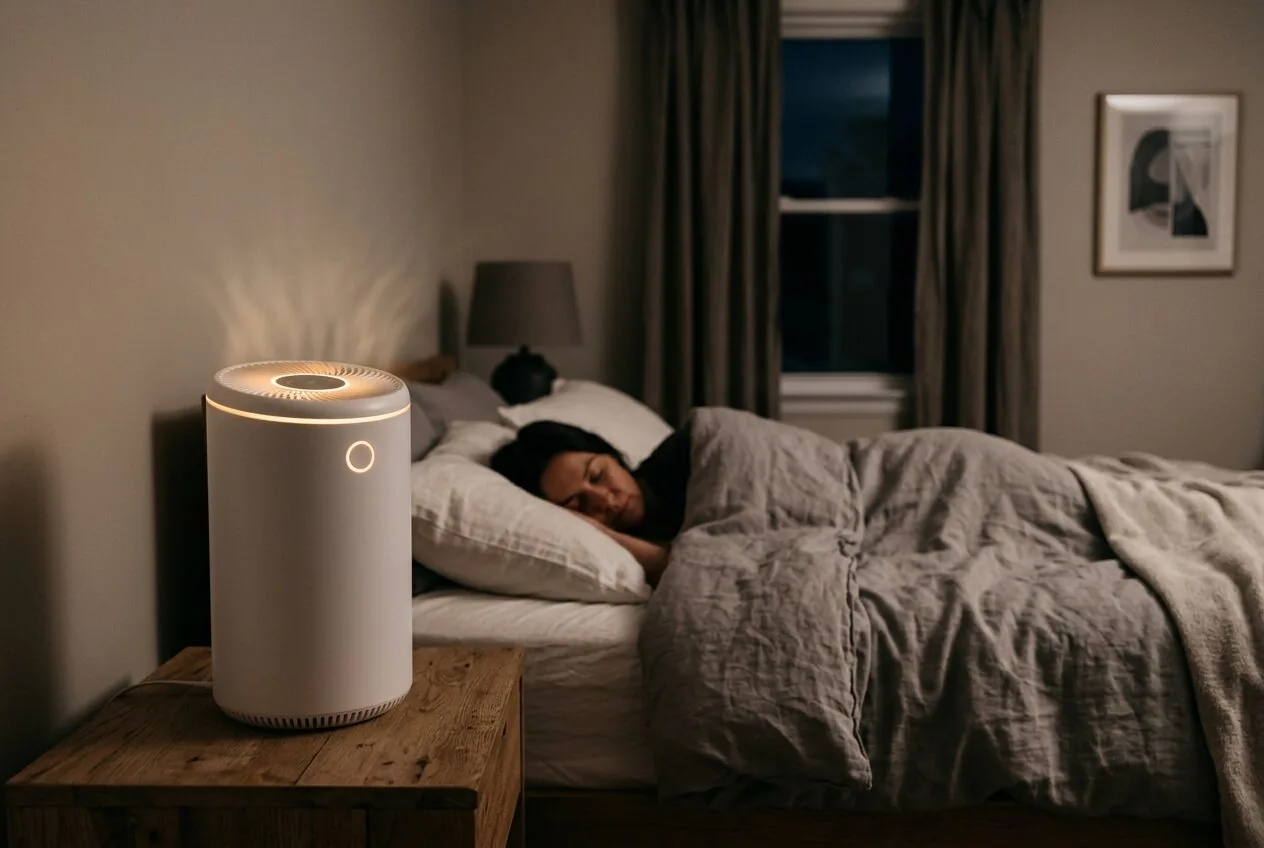
For example, a model like the Air Purifiers for Bedroom is built around an H13 True HEPA filter, which is suitable for capturing fine particulate irritants in a sleeping area. Always ensure any purifier you choose is appropriately sized for your intended space.
Frequently Asked Questions
How long does it take for an air purifier to clean a room?
It depends on the purifier’s CADR, the room size, and the fan speed. On a high setting, you may notice improved air quality within 30 minutes to an hour. For a significant reduction in particle concentrations, especially for allergy relief, it’s best to run the purifier continuously on a medium setting to maintain several air changes per hour.
Can air purifiers help with COVID-19 or other viruses?
Air purifiers with True HEPA filters can capture virus-containing respiratory droplets and aerosols that are within the filter’s size range. While they can reduce airborne viral concentrations as part of a layered strategy (like vaccination and ventilation), they should not be relied upon as the sole method of protection.
Do I need an air purifier with an ionizer or UV-C light?
These are often marketed as extra features. Ionizers release charged particles that can cause pollutants to stick to surfaces, but some generate ozone, a lung irritant. UV-C lights are designed to kill microbes on the filter surface but require specific exposure time and intensity to be effective. For most people reducing standard irritants, a well-built mechanical filter (HEPA + carbon) is sufficient and avoids potential downsides.
Where is the best place to put an air purifier?
Place it in the room where you spend the most time, like a bedroom or living room. Keep it at least a few feet away from walls and large furniture to allow for unobstructed airflow. Avoid placing it directly behind a door or in a tight corner. For more on placement for specific pollutants, our guide on u003ca href=u0022https://airpurifierguides.com/air-purifiers-and-environmental-allergens/u0022u003eair purifiers and environmental allergensu003c/au003e offers practical advice.
How often do I need to replace the filters?
It depends on usage and air quality. Pre-filters can often be vacuumed monthly. True HEPA and carbon filters typically need replacement every 6 to 12 months. Many modern purifiers have indicator lights. Using genuine replacement filters, such as the u003ca href=u0022https://airpurifierguides.com/clorox-12070-review/u0022u003eClorox Medium Room Air Purifier True HEPAu003c/au003e, ensures the unit performs as designed.
Final Thoughts
Air purifiers are effective tools for reducing a wide array of airborne irritants, from common allergens like pollen and pet dander to smoke particles and odors. Their efficacy hinges on using the right technology—specifically True HEPA and substantial activated carbon filters—and selecting a unit with enough power for your space. By understanding how they work and their limitations, you can make an informed decision that contributes to a healthier indoor environment.
Remember, an air purifier is most powerful as part of a comprehensive approach. Combining it with regular cleaning, source control, and proper ventilation creates a multi-layered defense against indoor air pollution. For further reading on specific indoor pollutants, explore our analysis of PM2.5 and indoor air quality.
About the author
Lead content creator at AirPurifierGuides.com. Sarah is a senior product researcher in health-tech with years of experience testing smart home and HVAC devices. She writes most of our reviews, CADR comparisons, and filter analyses.