How Air Purifiers Help Keep Indoor Air Fresh
Indoor air can be more polluted than outdoor air. Air purifiers filter out allergens, dust, and odors to create a cleaner, healthier living environment.
 By Ethan Wright
Updated October 16, 2026
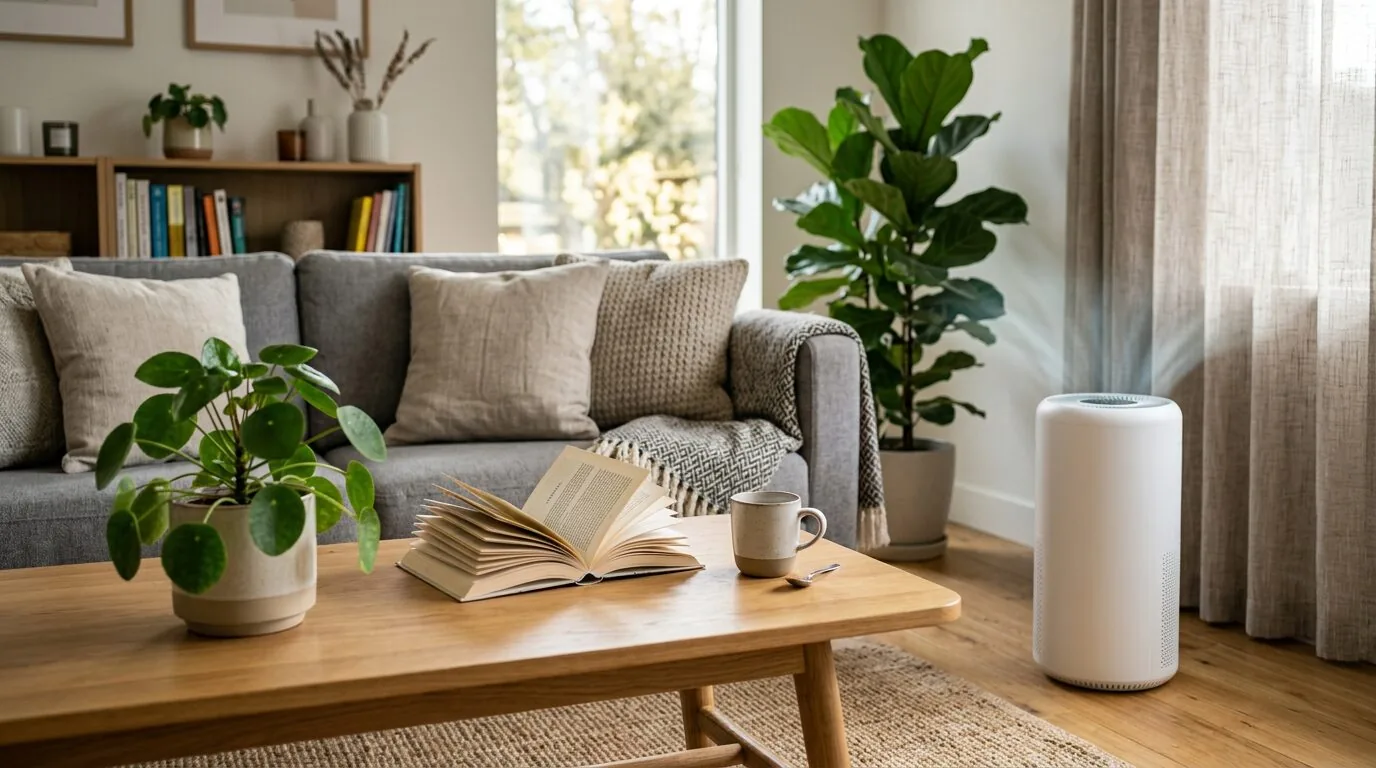
Air purifiers keep indoor air fresh by actively removing airborne pollutants, neutralizing odors, and circulating clean air throughout a room. They work by pulling contaminated air through a series of filters that capture particles and gases, then releasing purified air back into your living space.
Understanding this process can help you choose the right purifier and use it effectively to combat common indoor air quality issues like dust, pet dander, smoke, and volatile organic compounds (VOCs) from household products.
The Core Mechanics: How Air Purifiers Capture Contaminants
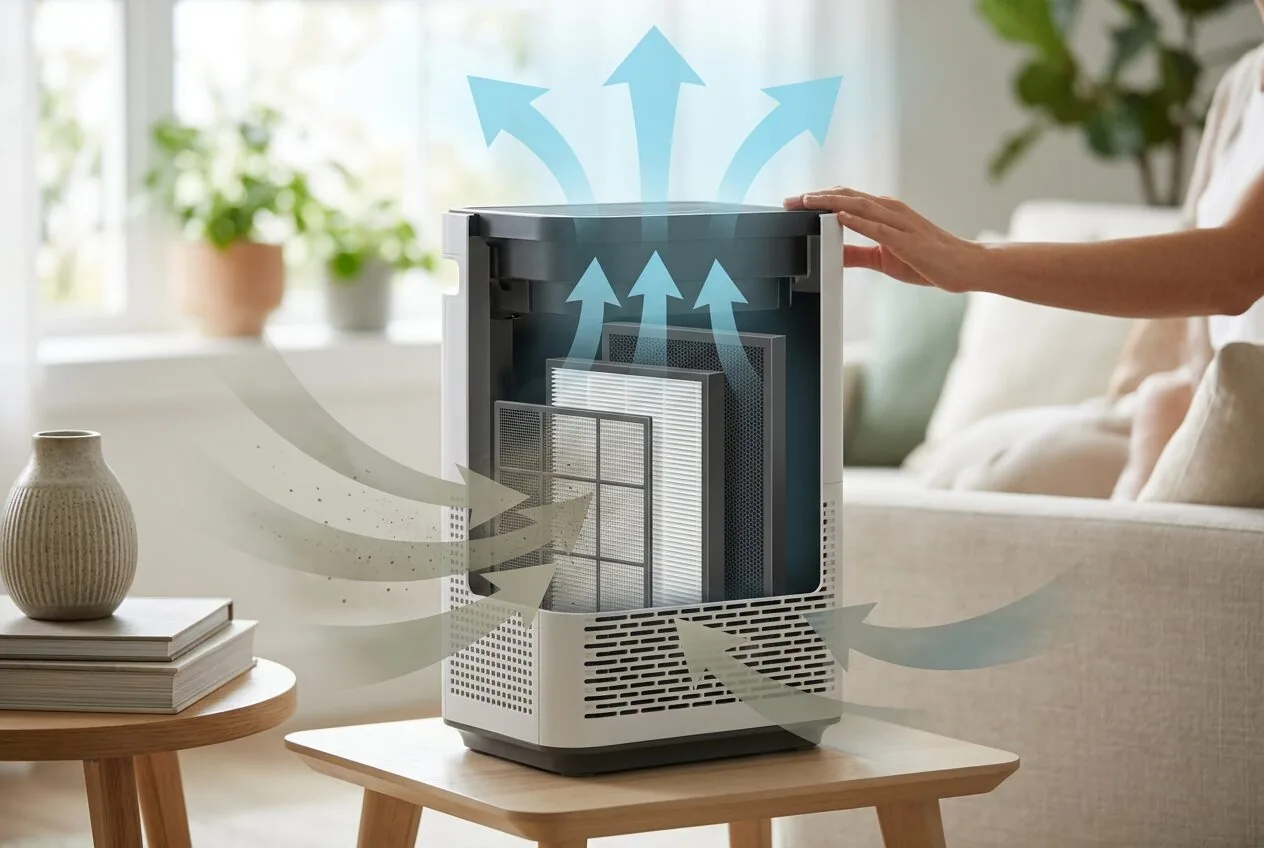
At their heart, air purifiers are simple machines with a powerful purpose. A fan draws room air into the unit, where it passes through various filtration stages. The clean air is then expelled, creating a continuous cycle of purification. The effectiveness of this cycle depends largely on the filter technology used.
The Filtration Process, Stage by Stage
Most quality air purifiers use a multi-stage filtration system. A pre-filter catches large particles like hair and lint, protecting the more delicate main filters. The primary filter, often a HEPA filter, traps microscopic particles. Finally, an activated carbon filter adsorbs gases and odors.
- Pre-filter: Captures large debris (dust bunnies, pet hair).
- HEPA Filter: Traps 99.97% of particles as small as 0.3 microns (pollen, mold spores, dust mites).
- Activated Carbon Filter: Adsorbs gases, VOCs, and odors (cooking smells, smoke, chemicals).
This layered approach is key to freshness, as it addresses both particulate matter you can see and gaseous pollutants you can often only smell.
What “Fresh Air” Really Means: Targeting Specific Pollutants
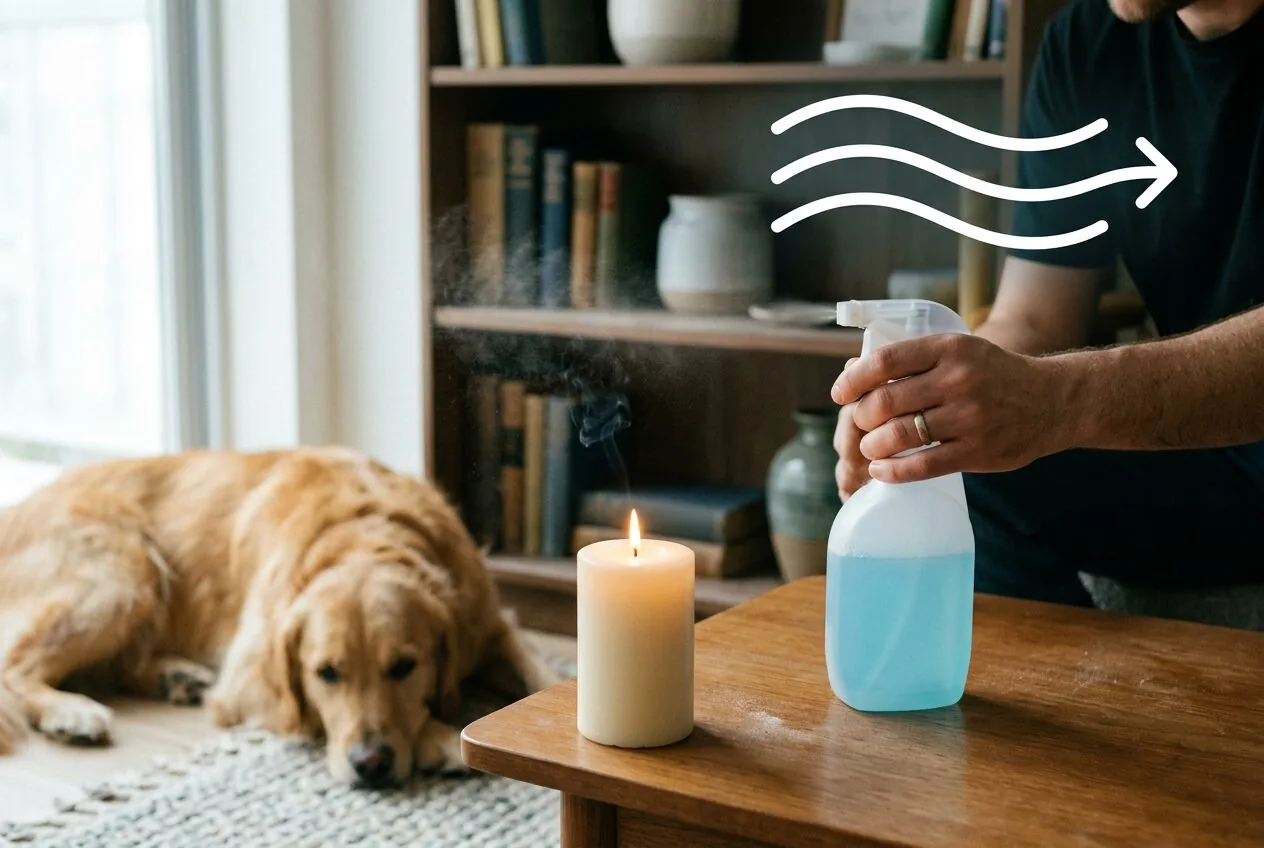
“Fresh” indoor air is air that is low in pollutants and irritants. Air purifiers contribute to this by systematically reducing the concentration of specific contaminants that make air feel stale, stuffy, or unpleasant.
Neutralizing Odors and Gases
Stale odors from cooking, pets, or smoke linger because gaseous molecules are suspended in the air. Unlike a fan that just moves smelly air around, an air purifier with a substantial activated carbon filter actually removes these odor-causing molecules through adsorption, leaving the air genuinely neutral.
Reducing Allergens and Irritants
Dust, pollen, and pet dander don’t just cause allergic reactions; they also contribute to a dusty, “heavy” atmosphere. By continuously pulling these particles out of the air, a purifier reduces the overall particle load, making the air feel lighter and cleaner to breathe. For more on this, see our guide on air purifiers and environmental allergens.
Managing Humidity and Mold Spores
While most purifiers aren’t dehumidifiers, they help with freshness by capturing airborne mold spores. In damp environments, this prevents spore circulation and that characteristic musty smell associated with mold growth.
Beyond Filtration: Circulation and Air Changes
A critical, often overlooked aspect of freshness is air movement and exchange. A purifier doesn’t just clean the air immediately around it; effective models circulate and mix the air in the entire room.
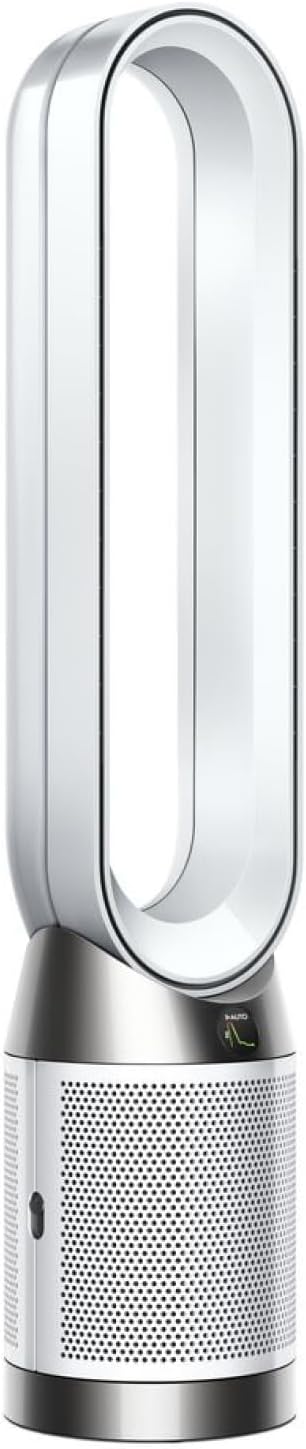
This is measured by Clean Air Delivery Rate (CADR) and Air Changes Per Hour (ACH). A higher CADR means the purifier can filter more air faster. Achieving 4-5 ACH is often recommended for noticeable freshness, meaning all the air in the room passes through the purifier four to five times every hour. Some models, like the Dyson Purifier Cool Gen1 TP10, use Air Multiplier technology to project purified air across the room, ensuring even circulation.
Choosing the Right Purifier for Your Freshness Goals
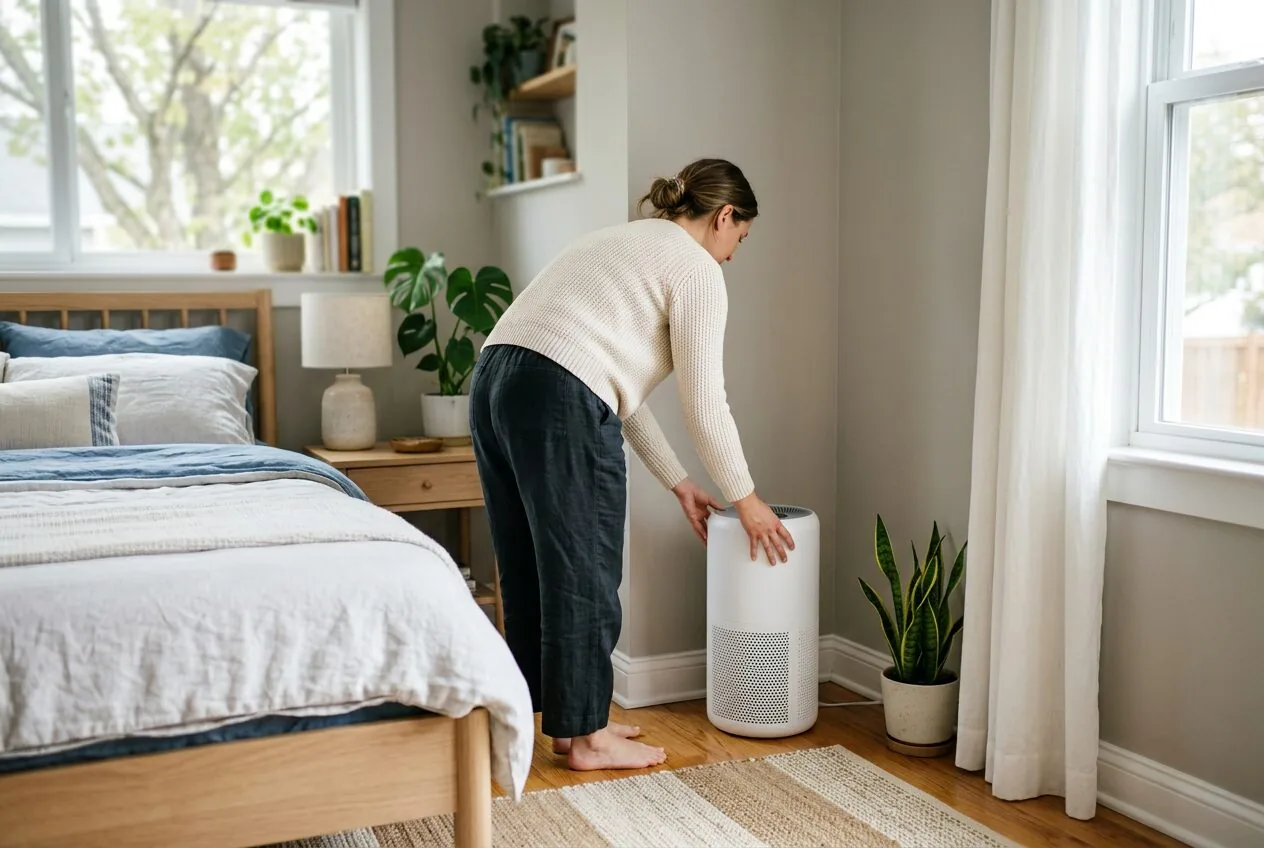
Not all air purifiers are equal in their quest for freshness. Your specific needs should guide your choice. Consider what you’re trying to remove from your air.
- For General Dust and Pollen: A purifier with a true HEPA filter is essential.
- For Strong Odors, Pets, or VOCs: Prioritize a unit with a thick, granular activated carbon filter. A thin carbon mesh is less effective.
- For Large, Open Spaces: Ensure the unit’s CADR and room size rating are sufficient. An undersized purifier won’t create a noticeable effect.
- For Quiet Operation in Bedrooms: Look for a dedicated sleep or night mode. A model like the YARIKI Air Purifiers for Bedroom,High Efficiency is designed for this purpose.
Understanding different air purifier filter types and functions is the best way to match a purifier to your air quality concerns.
Recommended Products
The following purifiers exemplify different approaches to maintaining fresh indoor air, from basic filtration to combined cooling and purification.


As an Amazon Associate we earn from qualifying purchases. Product prices and availability are accurate as of the date/time indicated.
Frequently Asked Questions
How long does it take for an air purifier to make a room feel fresh?
This depends on the purifier’s CADR, room size, and pollutant levels. In a standard bedroom, you may notice reduced stuffiness or odors within 30-60 minutes of continuous operation on a high setting. For a significant reduction in airborne particles, it often takes a few hours to a full day of runtime.
Can an air purifier replace opening a window for fresh air?
Not entirely. Opening a window brings in outdoor air and can reduce carbon dioxide buildup, which purifiers don’t address. However, during high pollen seasons, in areas with poor outdoor air quality, or for people with severe allergies, an air purifier is a superior choice for providing clean, breathable air without introducing outdoor pollutants.
Do I need to run my air purifier all the time?
For consistent freshness, yes, running it continuously on a low or auto setting is most effective. Pollutants are constantly generated from activities like cooking, cleaning, and just moving around. Turning the purifier off allows contaminant levels to build back up. Modern energy-efficient models are designed for 24/7 operation.
Will an air purifier help with that u0026quot;stuffyu0026quot; feeling in a room?
Yes, significantly. That stuffy feeling is often caused by a high concentration of particulate matter, carbon dioxide, and volatile organic compounds. By removing the particulates and VOCs, an air purifier can greatly alleviate that sensation. For a dual-purpose solution, a device like the u003ca href=u0022https://airpurifierguides.com/mitcent-32-inch-review/u0022u003eMitcent Bladeless Tower Fan and Air Purifieru003c/au003e also provides air circulation.
How do I know if my air purifier is actually working?
The most reliable signs are a reduction in allergy symptoms, less dust settling on surfaces, and the disappearance of persistent odors. You can also check the filter; if it’s visibly dirty after its recommended lifespan, it has been capturing pollutants. Some smart purifiers provide real-time air quality readings.
Final Thoughts
Air purifiers are a practical tool for maintaining fresh indoor air. They achieve this not through masking scents, but through the physical removal of the particles and gases that cause staleness and irritation. By understanding the filtration process, targeting your specific pollutants, and ensuring adequate air circulation, you can effectively use an air purifier to create a cleaner, more comfortable, and genuinely fresher living environment.
For ongoing advice and detailed product evaluations, explore our full library of buying guides and air purifier reviews to find the best solution for your home.
About the author
Founder of AirPurifierGuides.com. Ethan has a background in environmental science and started this site after years spent researching, testing, and tearing down air filtration systems to give readers real-world answers about indoor air quality.