Can Air Purifiers Remove Paint Fumes: A Complete Guide
Find out how air purifiers can help with paint fume removal, what features to look for, and the best practices for safer indoor air after painting.
 By Emily Foster
Updated October 19, 2026
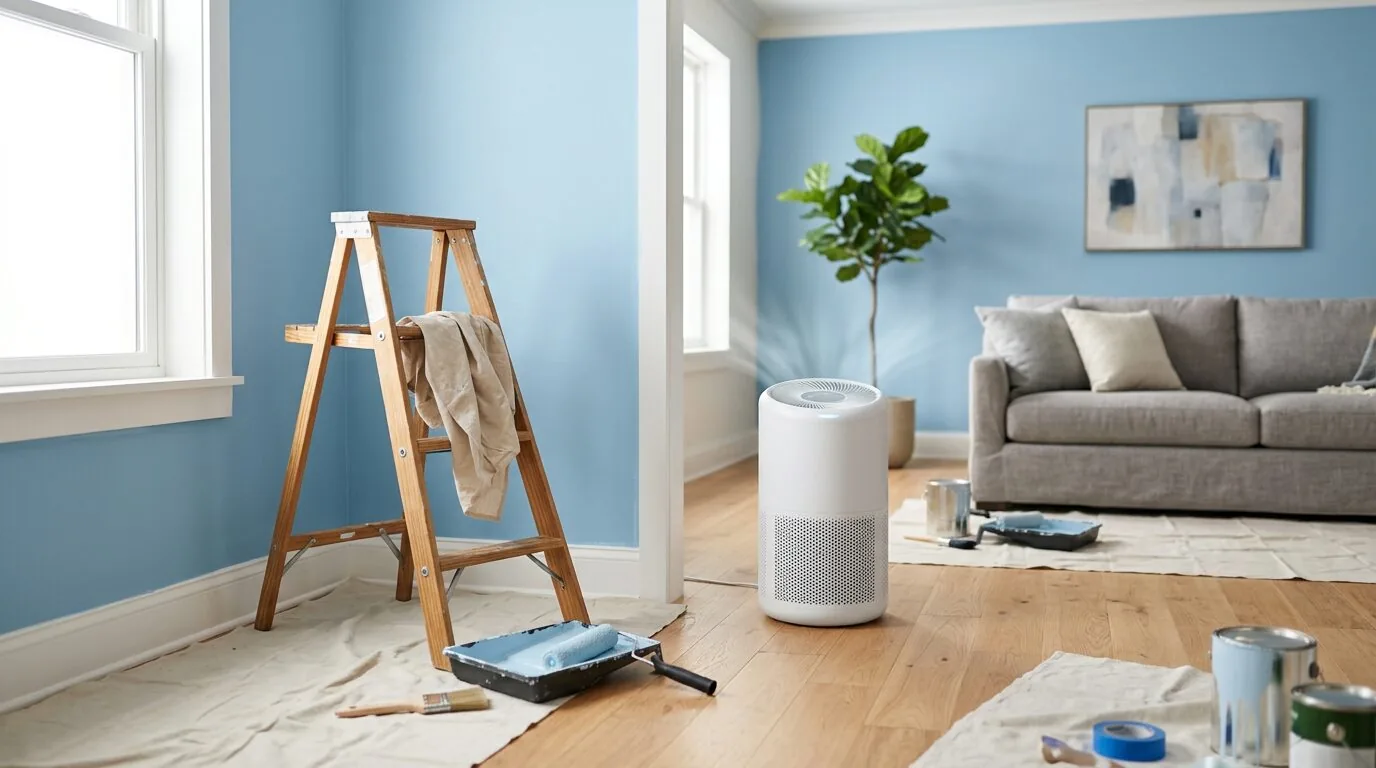
Yes, air purifiers can significantly reduce and remove paint fumes from your indoor air, but their effectiveness depends heavily on the type of filtration technology they use.
If you’ve ever painted a room, you’re familiar with that strong chemical odor that can linger for days. These fumes are more than just a nuisance; they’re volatile organic compounds (VOCs) that can affect your indoor air quality and health. Understanding whether an air purifier can tackle this common household issue and how to use it effectively is key to creating a healthier living environment.
This guide will explain what makes paint fumes so persistent, which air purification methods work best against them, and how you can use your air purifier most effectively after a painting project.
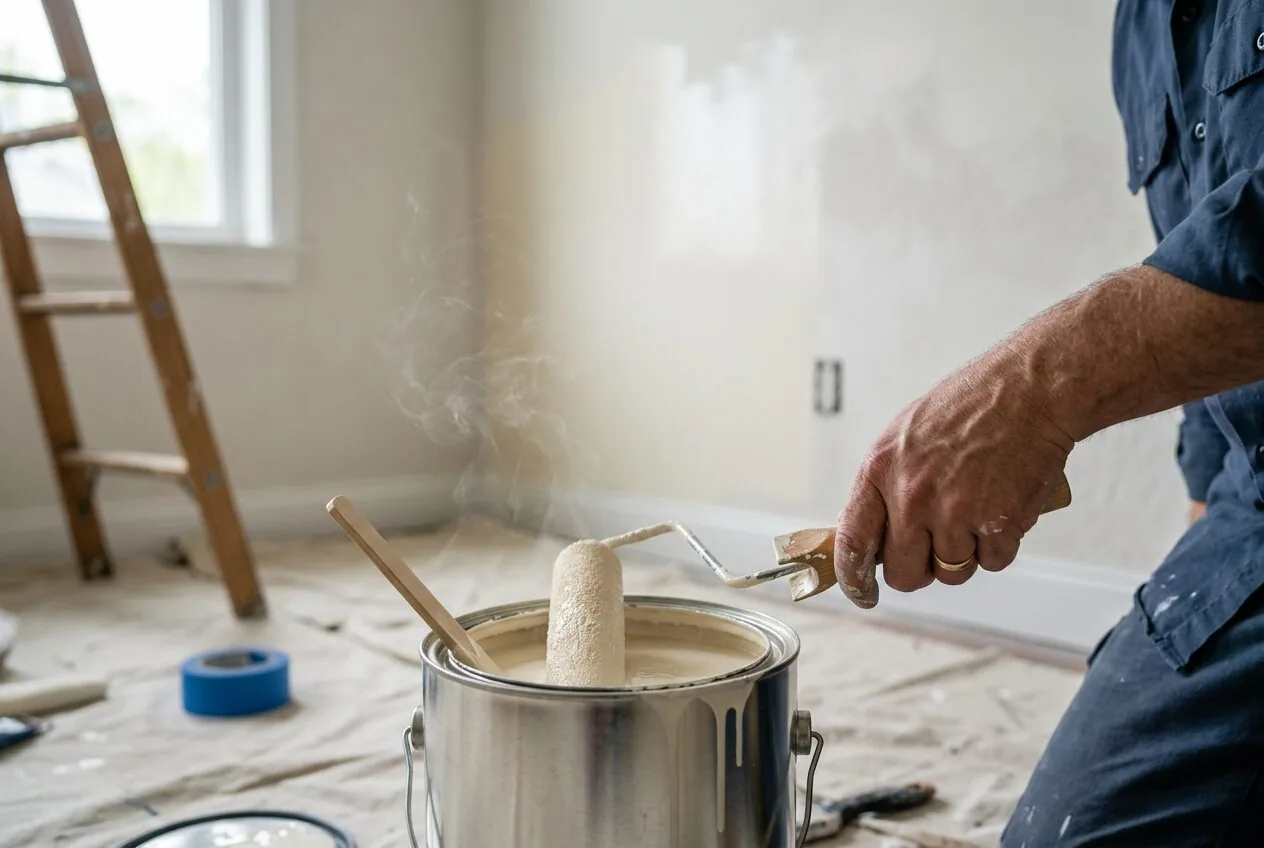
What Are Paint Fumes Made Of?
Paint fumes consist of a complex mix of chemicals that evaporate into the air as paint dries. The primary culprits are volatile organic compounds (VOCs) like formaldehyde, benzene, and toluene. These chemicals are used as solvents to keep the paint in liquid form in the can and help it spread smoothly on surfaces. Once the paint is applied, these VOCs are released into your indoor air.
Oil-based paints typically contain higher concentrations of VOCs than water-based latex paints, though even low-VOC or zero-VOC paints can still emit noticeable odors. The “new paint smell” you notice is essentially these chemicals evaporating from your walls and entering your breathing space.
Why Paint Fumes Are Problematic
Exposure to paint fumes can cause short-term symptoms like headaches, dizziness, eye and throat irritation, and nausea. For people with respiratory conditions like asthma, these fumes can trigger or worsen symptoms. Long-term exposure to certain VOCs found in paints has been linked to more serious health concerns, making proper ventilation and air purification important, especially in living spaces.
How Air Purifiers Tackle Paint Fumes
Not all air purifiers are created equal when it comes to removing paint fumes. The effectiveness depends entirely on the filtration technology employed. Here’s how different systems work against VOCs.
Activated Carbon Filters: The VOC Specialists
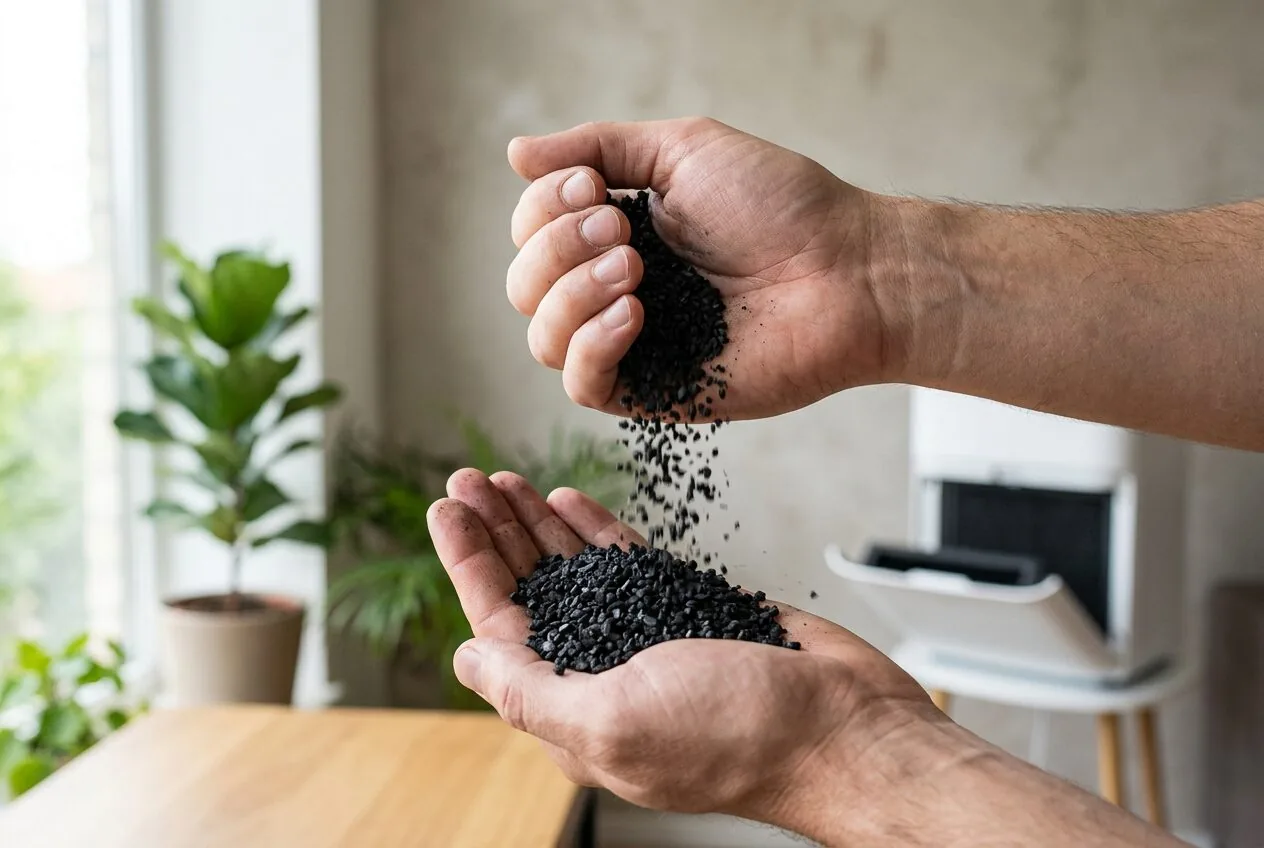
Activated carbon filters are specifically designed to capture gases, odors, and volatile organic compounds like those found in paint fumes. The carbon is treated to create a massive surface area with countless microscopic pores that trap gaseous molecules through a process called adsorption. For paint fumes, you need a purifier with a substantial amount of activated carbon—often several pounds—to be truly effective.
HEPA Filters: For Particles, Not Gases
While HEPA filters are excellent at capturing particles like dust, pollen, and mold spores, they have a significant limitation: they cannot capture gaseous pollutants like VOCs. Paint fumes are gases, so a HEPA filter alone won’t remove them. However, many air purifiers combine HEPA filtration with activated carbon, creating a comprehensive system that addresses both particles and gases. This is the type of unit you need for paint fumes.
Other Technologies: Ionizers and UV-C Light
Some air purifiers include additional technologies like ionizers or UV-C lights. While these can help with certain types of pollutants, they are not particularly effective against paint fumes on their own. Ionizers work by charging particles so they stick to surfaces, which doesn’t address gaseous VOCs. UV-C light targets microorganisms but doesn’t break down chemical fumes. For paint fumes, activated carbon remains the most reliable technology.
Choosing the Right Air Purifier for Paint Fumes
When selecting an air purifier specifically to address paint fumes, there are several key features to prioritize beyond just the presence of an activated carbon filter.
- Substantial Activated Carbon Filter: Look for models that specify the weight of their carbon filter or mention a “deep-bed” carbon stage. More carbon means more surface area to capture VOCs before the filter becomes saturated.
- Appropriate Room Coverage: Choose a purifier rated for the size of the room you’ve painted. It’s often wise to select a model rated for a slightly larger space to ensure it can handle the initial high concentration of fumes.
- High Clean Air Delivery Rate (CADR): While CADR typically measures particle removal, a higher CADR indicates a more powerful fan and air movement, which helps cycle room air through the filters more frequently.
- Multiple Filtration Stages: A combination pre-filter, HEPA filter, and activated carbon filter creates the most comprehensive approach, capturing everything from paint dust particles to chemical fumes.
For guidance on choosing purifiers for other specific pollutants, our guide on air purifiers and mold prevention strategies offers helpful comparison principles.
How to Use Your Air Purifier Effectively After Painting
Simply turning on your air purifier isn’t enough to maximize paint fume removal. Follow these best practices to get the best results.
Timing and Placement
Start running your air purifier as soon as you finish painting, even before the paint is fully dry. Place the unit in the center of the room if possible, or at least ensure it has several feet of clearance on all sides for optimal air intake. Avoid placing it right against a freshly painted wall, as this can limit airflow and potentially draw concentrated fumes directly into the unit.
Run Time and Settings
Run your purifier continuously on its highest setting for at least the first 24-48 hours after painting. This is when VOC off-gassing is most intense. Many modern purifiers, like the TCL Air Purifier for Home Room Bedroom, offer smart features and timer functions that make continuous operation more convenient. After the initial period, you can switch to lower settings or intermittent operation, but continue running it until the paint smell has completely dissipated.
Complement with Ventilation
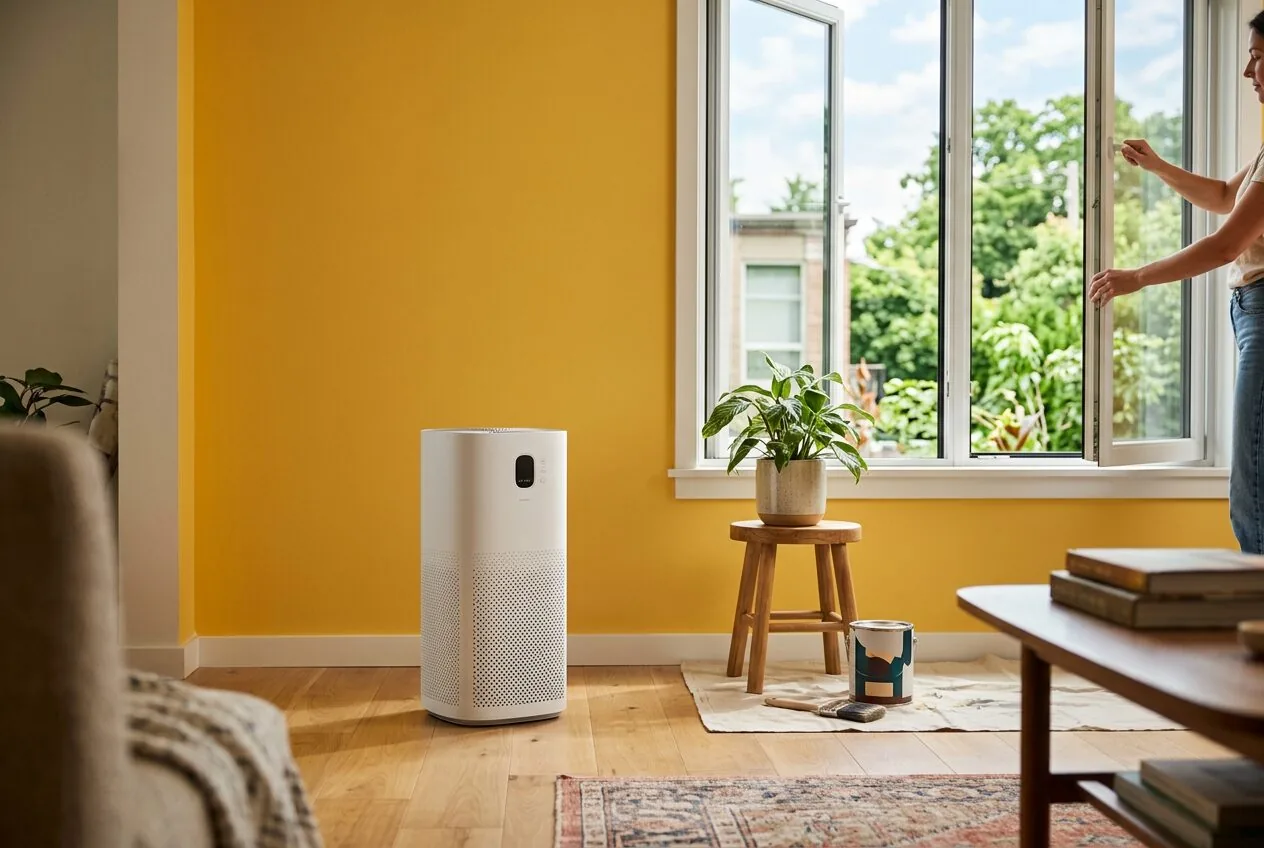
While your air purifier works to clean the indoor air, also employ traditional ventilation methods. Open windows and doors when weather permits, and use fans to create cross-ventilation. This combination of mechanical air purification and natural ventilation provides the most effective approach to clearing paint fumes quickly.
Maintenance for Peak Performance
Using an air purifier against concentrated paint fumes will challenge its filters more than everyday use. The activated carbon filter in particular will saturate more quickly when exposed to high VOC concentrations.
Check your manufacturer’s guidelines, but be prepared to replace the carbon filter sooner than usual after using it extensively for paint fume removal. Some purifiers, like the Tailulu Air Purifiers for Home Bedroom, feature washable pre-filters which can help extend the life of the main filters by capturing larger particles before they reach the carbon stage.
For general filter maintenance tips, our article on how to clean an air purifier filter without damaging it provides safe cleaning techniques.
Recommended Products
When dealing with paint fumes, look for air purifiers with robust multi-stage filtration that includes substantial activated carbon. The following models are designed to handle various room sizes and feature combinations of HEPA and carbon filtration suitable for addressing odors and VOCs.


As an Amazon Associate we earn from qualifying purchases. Product prices and availability are accurate as of the date/time indicated.
For larger spaces or situations with particularly strong or persistent fumes, a high-capacity unit like the IQAir HealthPro Plus XE Air Purifier HyperHEPA offers medical-grade filtration with extensive gas and odor control capabilities.
Frequently Asked Questions
How long should I run my air purifier after painting?
Run your air purifier continuously for at least 48 hours after painting, and continue using it regularly until the paint smell has completely disappeared. This could take several days to a week depending on the type of paint, room ventilation, and how many coats were applied.
Can an air purifier remove the smell of oil-based paint?
Yes, but oil-based paints typically contain higher VOC concentrations, so removal takes longer. You’ll need an air purifier with a substantial activated carbon filter, and you should run it continuously for several days while also ventilating the room when possible.
Will a HEPA-only air purifier help with paint fumes?
No, a HEPA-only purifier will not remove paint fumes. HEPA filters capture particles, but paint fumes are gaseous VOCs that pass right through HEPA material. You need an air purifier that includes an activated carbon filter specifically designed to capture gases and odors.
How do I know when my carbon filter is saturated after painting?
Signs of a saturated carbon filter include reduced airflow, the return of paint odors even when the purifier is running, or the unit no longer effectively reducing smells. Many manufacturers provide filter life indicators, but after heavy use like paint fume removal, consider replacing the carbon filter sooner than the regular schedule suggests.
Can air purifiers help with other chemical smells besides paint?
Yes, air purifiers with activated carbon filters can help reduce various chemical odors from sources like cleaning products, new furniture, tobacco smoke, and cooking. For more on purifiers and new furniture odors, see our guide on u003ca href=u0022https://airpurifierguides.com/air-purifiers-and-new-furniture-off-gassing/u0022u003eAir Purifiers and New Furniture Off-Gassingu003c/au003e.
Final Thoughts
Air purifiers can be highly effective tools for removing paint fumes when you select the right technology and use it properly. The key is choosing a model with a substantial activated carbon filter and running it continuously during the initial high-emission period after painting. Remember that air purifiers work best as part of a comprehensive approach that includes proper ventilation and allowing adequate time for paints to cure.
By understanding what makes paint fumes challenging and how different filtration technologies address them, you can make informed decisions to improve your indoor air quality after painting projects. Whether you’re refreshing a single room or dealing with larger renovations, the right air purifier can make your living spaces more comfortable and healthier as you enjoy your newly painted walls.
About the author
Editor at AirPurifierGuides.com. Emily has a background in professional communication and has worked with several health and technology publications. She edits our content for accuracy and answers reader questions about air quality.