Do Air Purifiers Help With Seasonal Allergies? A Complete Guide
A detailed guide explaining how air purifiers work against common allergens, what the science says, and how to choose the right one for allergy relief.
 By Emily Foster
Updated October 19, 2026
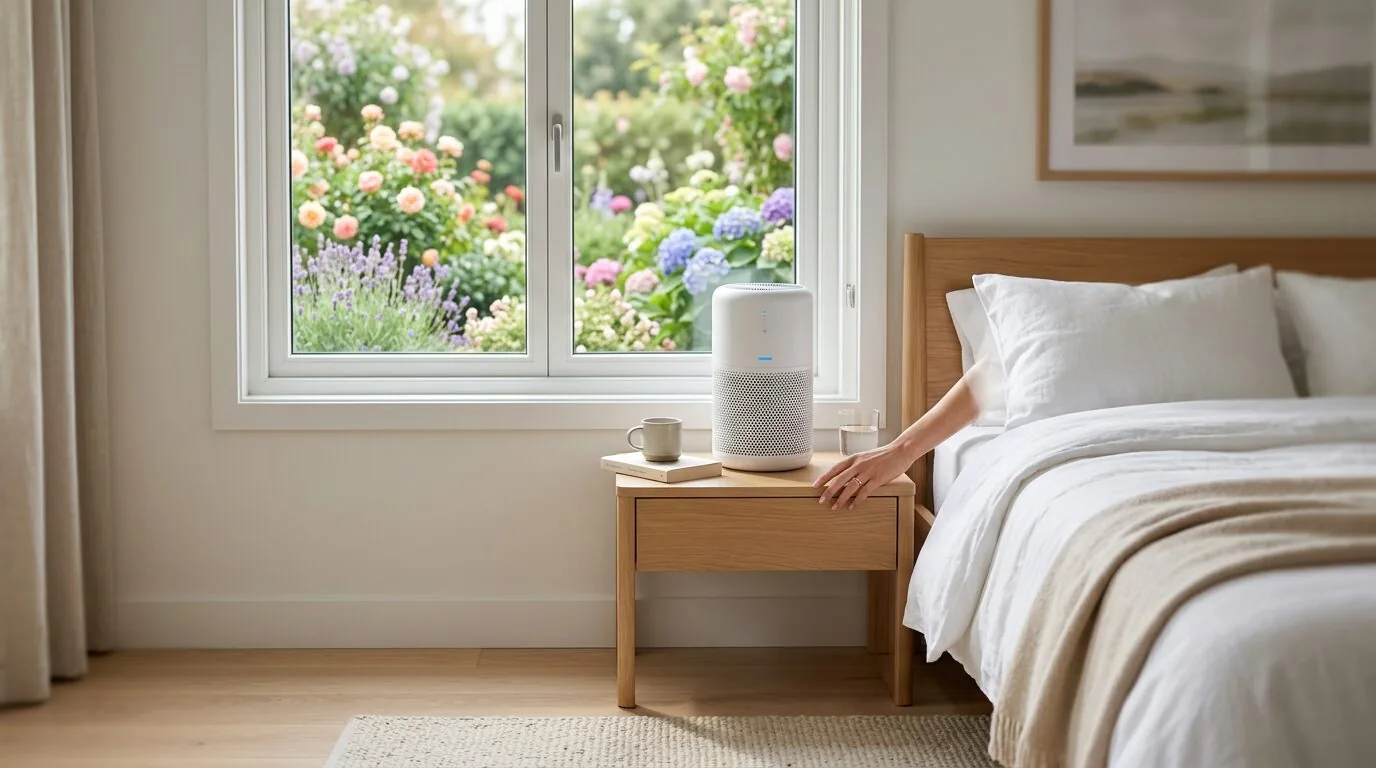
Yes, air purifiers can be a highly effective tool for reducing indoor seasonal allergy symptoms by removing airborne allergens like pollen, mold spores, and dust from the air you breathe.
If you dread the arrival of spring or fall because of sneezing, itchy eyes, and a runny nose, you’re not alone. Seasonal allergies affect millions, turning the beauty of blooming flowers and falling leaves into a source of misery. While you can’t control the outdoor air, your indoor environment is a different story. This guide explains exactly how air purifiers work to combat seasonal allergens, examines the evidence behind their effectiveness, and provides practical advice for choosing and using one to find relief.
Understanding the mechanism is key. Air purifiers work by pulling room air through a series of filters that capture microscopic particles. For allergy sufferers, the most critical component is a True HEPA filter, which is certified to trap at least 99.97% of particles as small as 0.3 microns. This size range includes most common seasonal allergens.
How Air Purifiers Target Seasonal Allergens
Seasonal allergies, also known as hay fever or allergic rhinitis, are primarily triggered by outdoor allergens that find their way inside. An air purifier acts as a continuous defense system, intercepting these particles before you can inhale them.
Pollen: The Spring and Fall Menace
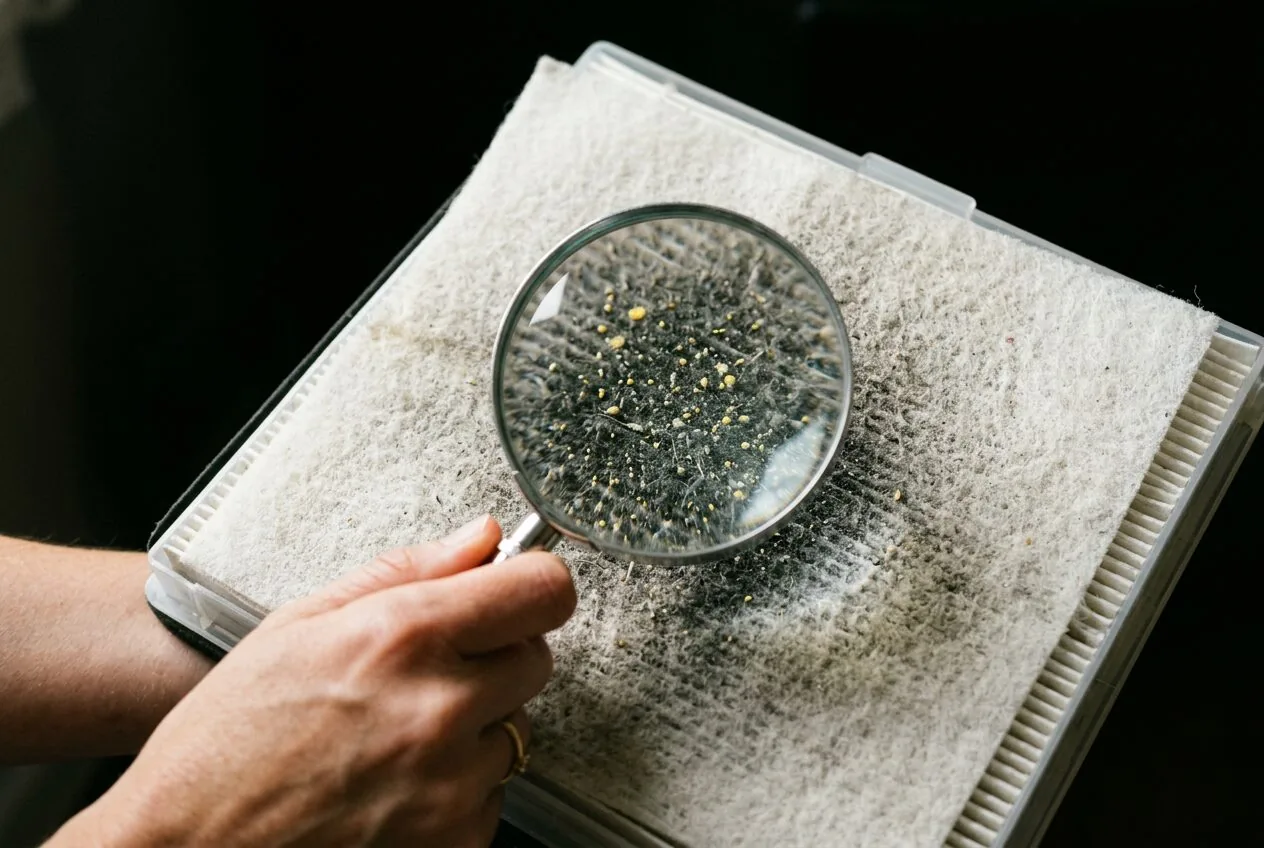
Tree, grass, and weed pollen are major triggers. These particles can be as small as 10 microns (visible under a microscope) but often travel in clusters. A True HEPA filter is exceptionally effective at capturing them, preventing the circulating pollen that gets tracked in on clothes, pets, and through open windows from settling in your living space.
Mold Spores: The Damp Weather Trigger
Mold thrives in damp conditions, especially in late summer and fall. Its spores, which are typically between 3 to 40 microns, become airborne easily. By removing these spores from the air, a purifier can reduce one of the key triggers for allergic reactions and asthma, complementing broader mold prevention strategies.
Dust and Dander: The Year-Round Amplifiers
While not strictly seasonal, indoor dust and pet dander can worsen seasonal allergy symptoms. Pollen particles often latch onto dust, and a purifier that handles dust effectively will also reduce this combined allergen load. For more on this, see our guide on air purifiers and dust control.
What the Science Says About Effectiveness
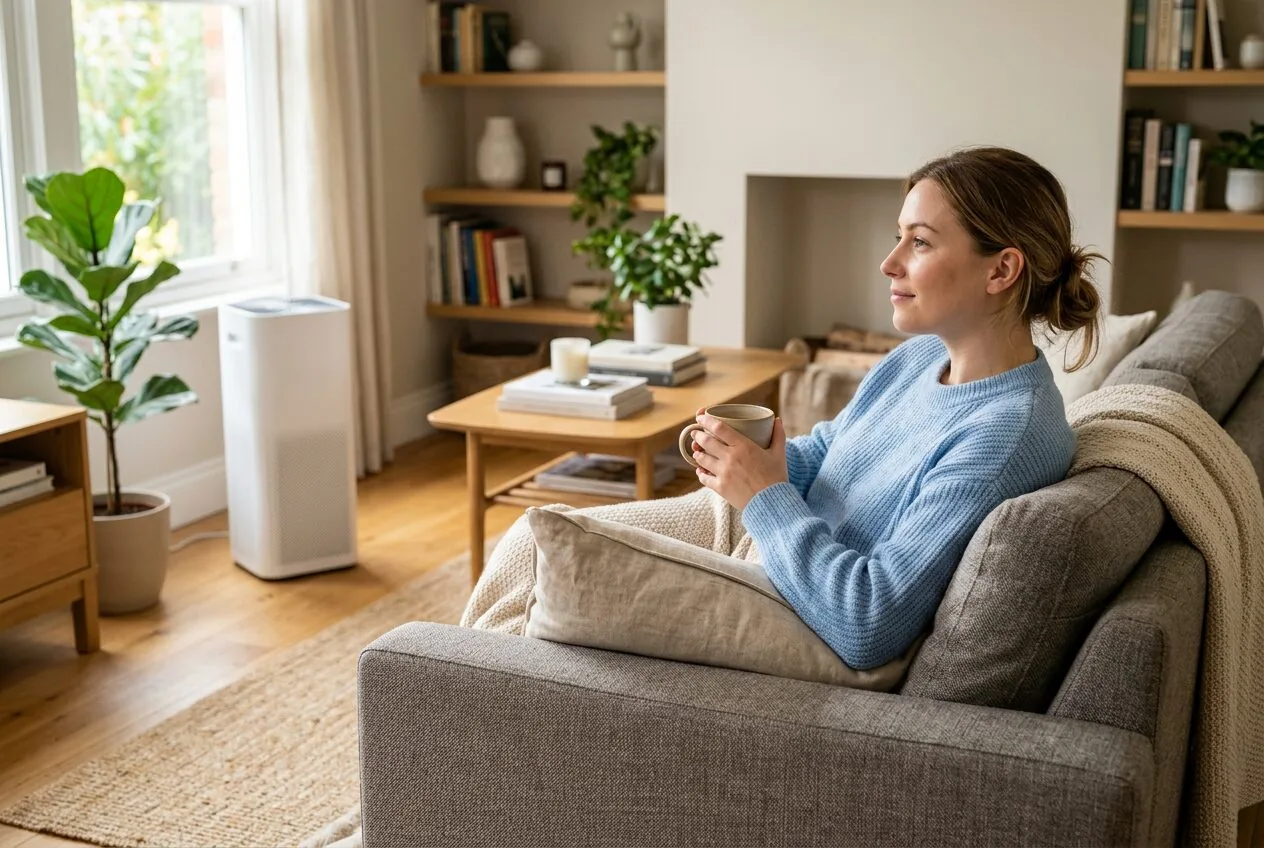
The effectiveness of air purifiers for allergies isn’t just anecdotal; it’s supported by research. Studies, including those reviewed by the American College of Allergy, Asthma & Immunology, indicate that HEPA air filters can reduce particulate matter in the air and provide symptomatic relief for allergy sufferers.
Key findings from clinical studies show that using HEPA air purifiers in bedrooms leads to a significant reduction in airborne allergens. More importantly, participants in these studies often report a noticeable decrease in allergy symptoms like nasal congestion, sneezing, and itchy eyes. The purifier works best as part of a comprehensive approach that includes keeping windows closed during high pollen counts and regular cleaning.
Choosing the Right Air Purifier for Allergy Relief
Not all air purifiers are created equal for allergy management. Knowing what to look for will ensure you get a device that actually helps.
1. The Non-Negotiable: A True HEPA Filter
This is the most important feature. Look for “True HEPA” or “HEPA-type” filters that meet the standard of trapping 99.97% of 0.3-micron particles. Avoid purifiers that rely solely on ionizers or ozone generators, as these can irritate lungs and do not remove allergens from the air.
2. Match the Clean Air Delivery Rate (CADR) to Your Room Size
The CADR measures how quickly a purifier can deliver clean air. For allergy relief, you want a purifier with a high CADR for pollen and dust. Choose a model rated for a room size larger than your actual room to ensure it can handle the air volume effectively, especially if you have an open floor plan.
3. Consider an Activated Carbon Filter for Odors
While carbon doesn’t capture allergens, it neutralizes odors from cooking, pets, or VOCs that can sometimes accompany new furnishings. If odors are a concern, a secondary carbon filter is beneficial. Learn more about air purifiers and new furniture off-gassing.
4. Prioritize Quiet Operation for Bedroom Use
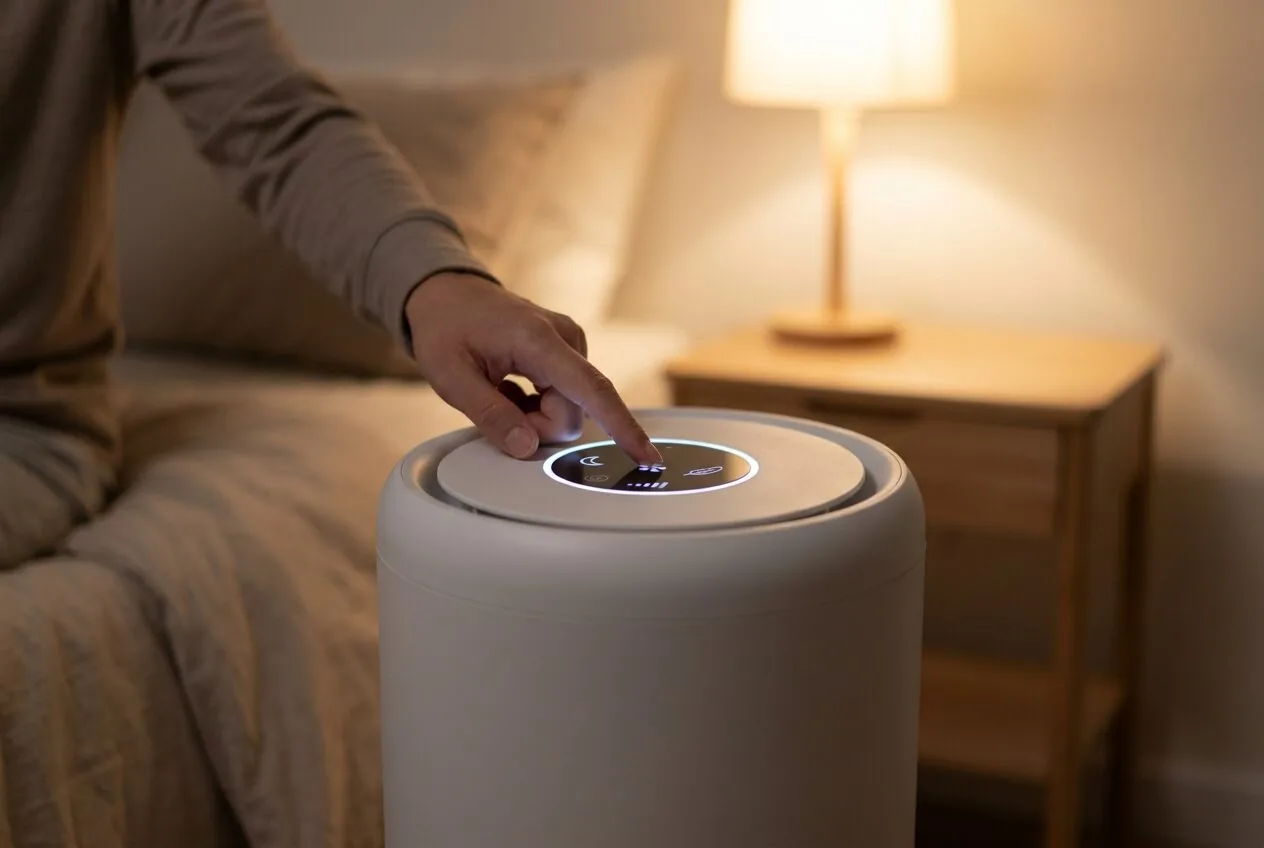
Since you’ll likely run the purifier continuously, especially in the bedroom at night, a quiet sleep mode is essential. Look for models that operate below 30 decibels on their lowest setting.
Recommended Products
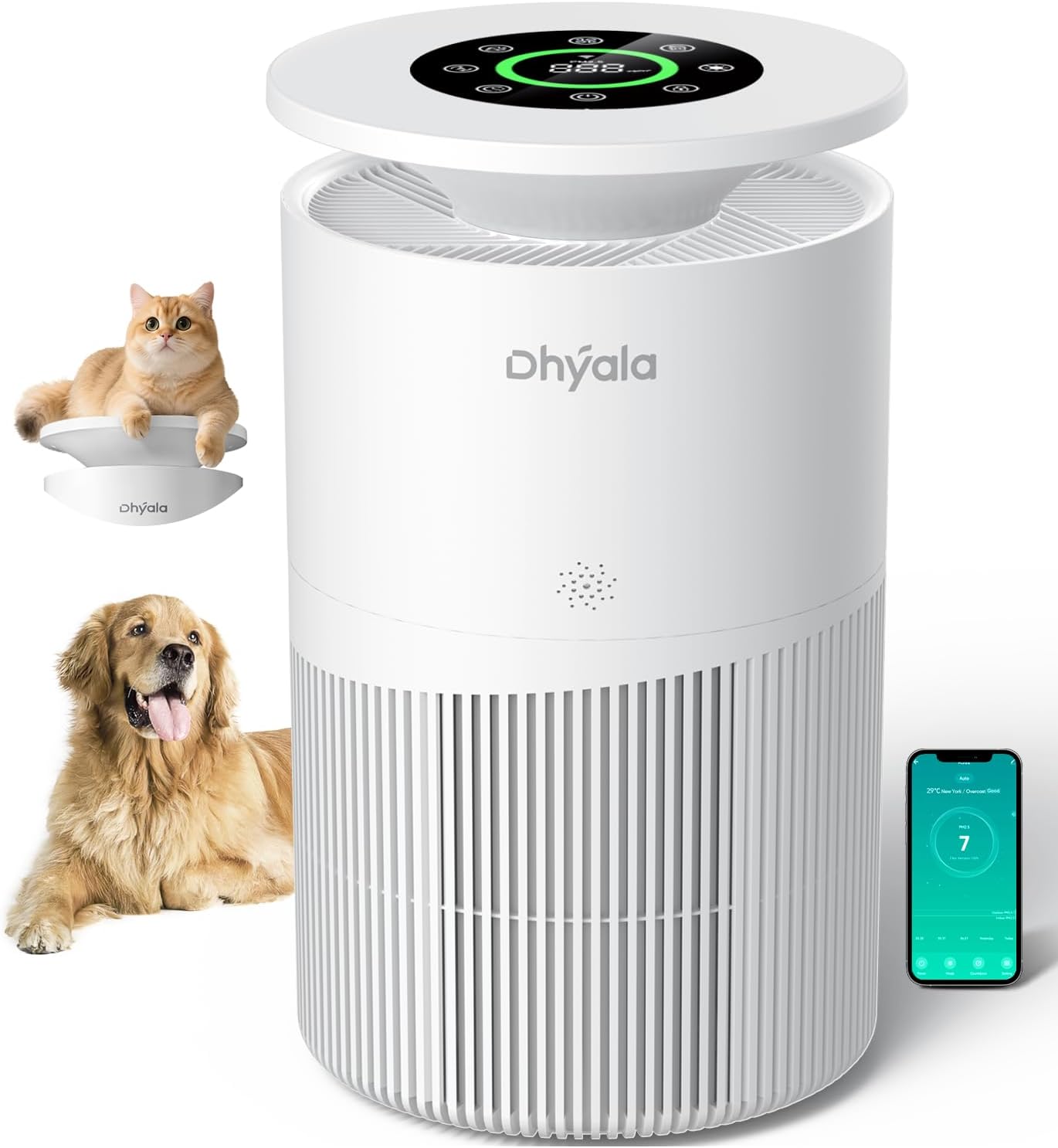
The following purifiers are well-suited for allergy sufferers, featuring True HEPA filtration and designs tailored for effective, quiet operation in key living spaces.

As an Amazon Associate we earn from qualifying purchases. Product prices and availability are accurate as of the date/time indicated.
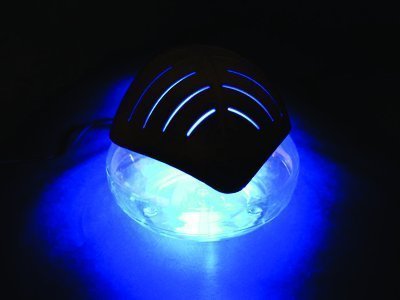
For large living areas or open-concept spaces, the Air Purifier for Home Large Room up to 3620Ft² offers powerful, 360-degree filtration to handle a high volume of airborne allergens. For targeted relief in the bedroom, the compact COWAY Air Purifier for Home Bedroom combines purification with a fan function. It’s important to note that devices like the GoodVac Air Revitalizer are primarily humidifier/scent diffusers and do not contain HEPA filters, making them unsuitable as primary tools for allergen removal.
Frequently Asked Questions
Where is the best place to put an air purifier for allergies?
The bedroom is the most important room, as you spend many consecutive hours there. Place it near your bed, but ensure at least a foot of clearance from walls and furniture for optimal air intake. Running it on high for an hour when you first get it, then on a continuous low or auto setting, is most effective.
How often do I need to change the HEPA filter in an air purifier for allergies?
Filter life depends on usage and air quality, but most need replacement every 6 to 12 months. During peak allergy season with heavy use, check it more frequently. A clogged filter is inefficient. Always follow your manufacturer’s guidelines, and for cleaning tips, see our guide on u003ca href=u0022https://airpurifierguides.com/how-to-clean-an-air-purifier-filter/u0022u003ehow to clean an air purifier filteru003c/au003e.
Can an air purifier replace my allergy medication?
No. An air purifier is a management tool, not a cure. It should be used as part of a comprehensive allergy management plan that may include medications prescribed by your doctor. Think of it as a way to reduce your overall allergen exposure, which can lessen symptom severity and potentially your reliance on medication.
Do I need to keep windows closed for the air purifier to work?
Yes, for maximum effectiveness. Keeping windows and doors closed prevents a constant influx of new pollen and spores, allowing the purifier to clean the finite volume of indoor air. On days with very high pollen counts, this is especially important.
Are u0026quot;air purifyingu0026quot; plants a good alternative?
While some plants can absorb certain gases, they are ineffective at removing the volume of particulate allergens like pollen and mold spores. In fact, overwatered plants can contribute to mold growth. A mechanical HEPA air purifier is far more effective and reliable for allergy relief.
Final Thoughts
For those struggling with seasonal allergies, a True HEPA air purifier is a worthwhile investment in your comfort and well-being. By continuously removing pollen, mold spores, and other irritants from your indoor air, it creates a sanctuary where you can breathe easier. Remember, it works best as part of a layered defense that includes keeping allergens out, regular cleaning, and following your doctor’s advice. With the right purifier placed in your key living spaces, you can reclaim your home from seasonal allergies.
About the author
Editor at AirPurifierGuides.com. Emily has a background in professional communication and has worked with several health and technology publications. She edits our content for accuracy and answers reader questions about air quality.